Most homeowners start shopping for attic insulation pretty much the same way. They get a few quotes, pick the middle number, and assume the work will be roughly the same whoever does it.
It rarely is.
A basic insulation install and a proper attic upgrade are two very different things.
One contractor blows in new material over whatever’s already up there and calls it done. Another pulls the old insulation, air seals the floor, checks ventilation, and installs to the R-value your climate zone requires. Same category of work. Very different outcomes.
This guide covers what the best attic insulation companies in the Bay Area do, what it costs, and the questions worth asking before anyone sets foot in your attic.
Schedule a free attic inspection with Atticare.
What Separates a Full-Service Attic Upgrade From a Basic Install
A basic installer shows up with a blower machine, fills the attic to a target depth, and leaves. That’s it. No assessment of what’s already up there. No air sealing. No check on whether the ventilation can handle new insulation without creating moisture problems.
A full-service attic insulation company approaches the job differently.
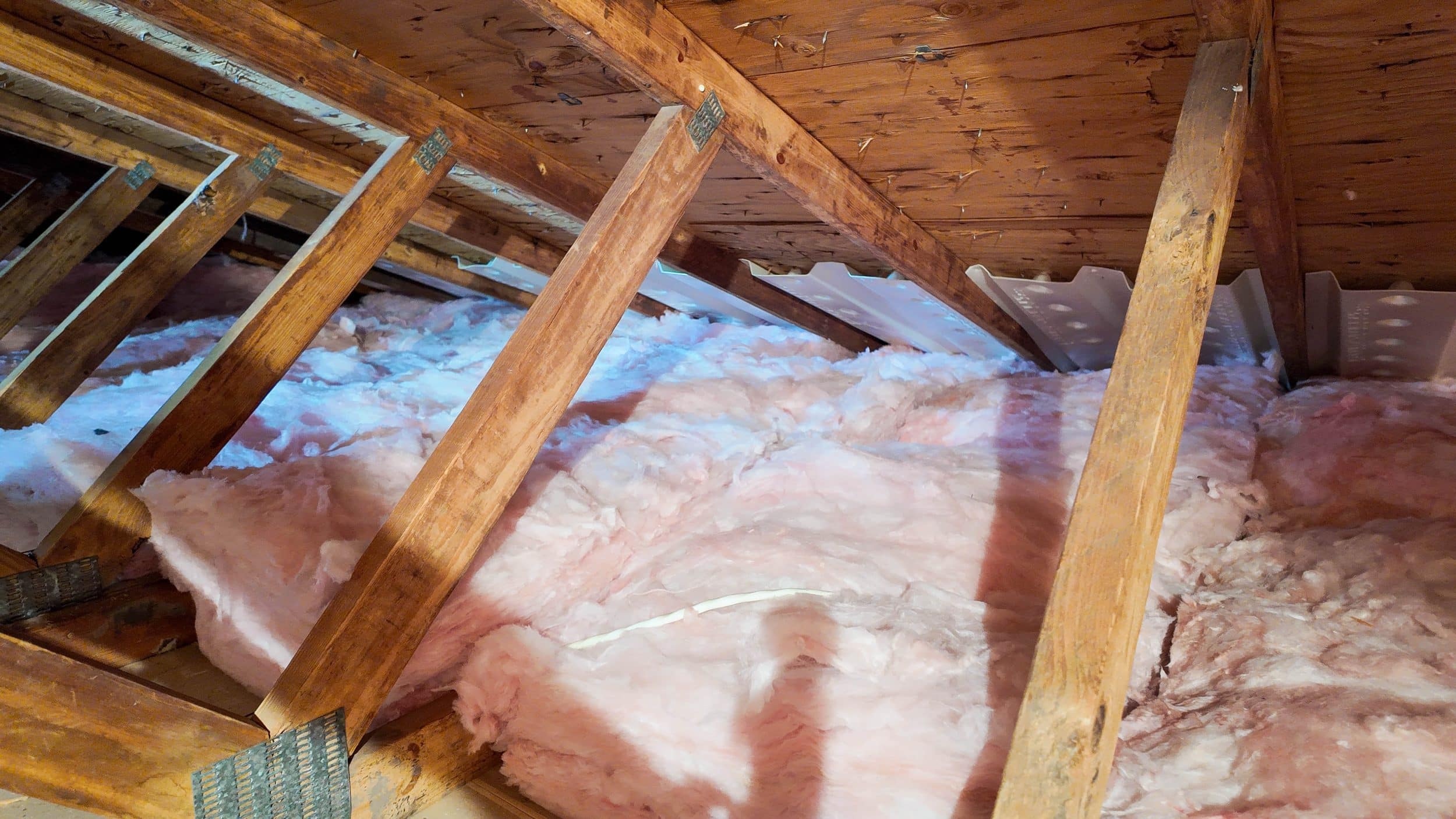
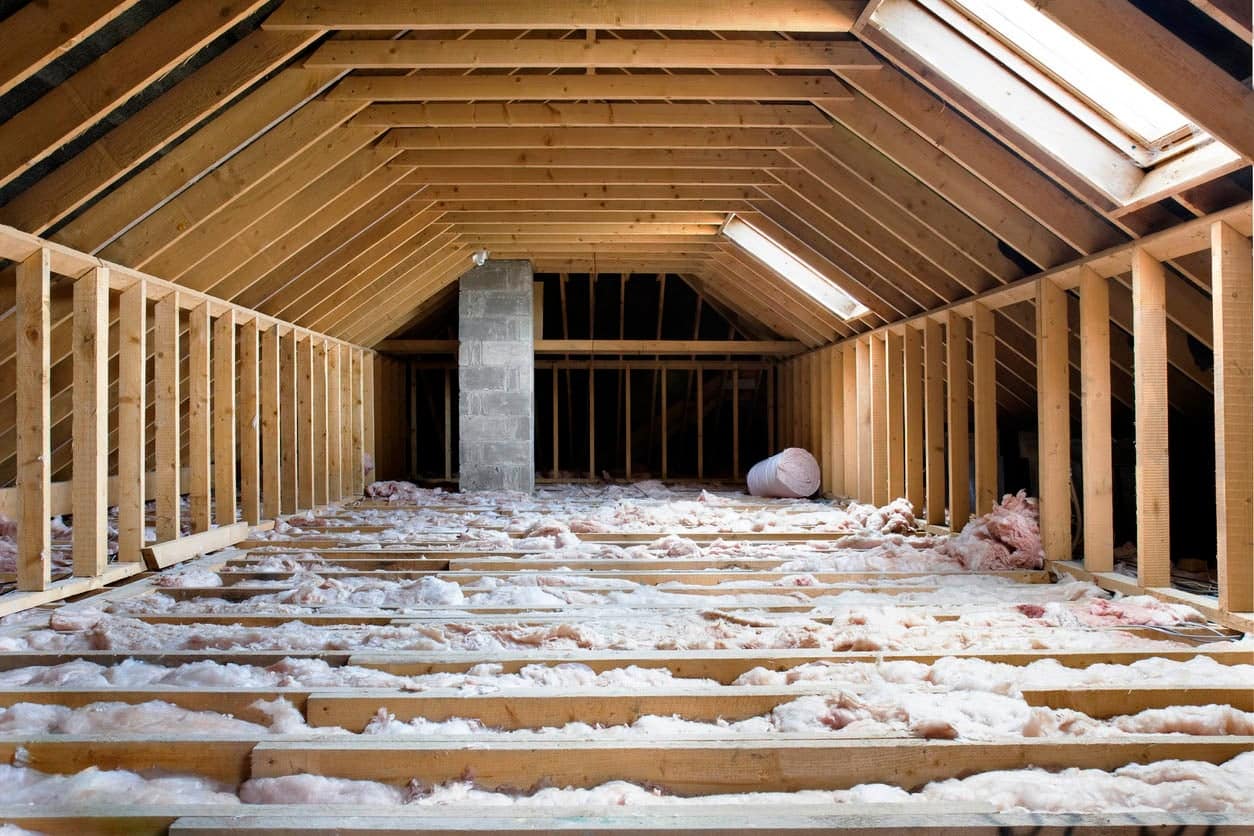
Before any material goes in, a licensed technician inspects the existing insulation for rodent contamination, moisture damage, or compression. Air leaks get sealed at the attic floor, around recessed lights, plumbing penetrations, and top plates. Ventilation is checked to make sure soffit and ridge airflow is balanced.
Only then does new insulation go in, at the right R-value for your specific Bay Area climate zone.
The practical difference shows up fast. Rooms that used to run hot in summer stay noticeably cooler. Heating systems cycle off rather than running for hours. Energy bills reflect the change within the first season.
Homeowners who upgraded from R-19 to R-60 saw heating bills drop by around 20% compared to the previous year. Others who replaced badly installed R-30 batts with spray foam found their air conditioning ran about 35% less during the hottest summer months.
Air sealing is often the piece that makes the biggest difference, and the piece that gets skipped most often. Done properly, it can improve energy efficiency by 20 to 30 percent on its own, before a single bag of insulation goes in.
What the Best Attic Insulation Companies in the Bay Area Offer
When you’re evaluating contractors, the scope of work tells you more than the price does. Here’s what a full-service company should bring to the table:
Old insulation removal
If existing insulation is contaminated, compressed, or moisture-damaged, it needs to come out before anything new goes in. Layering new material over a problem doesn’t fix the problem.
Rodent contamination cleanup
Bay Area attics see a significant amount of rodent activity. A contractor who doesn’t ask about this, or doesn’t check, is skipping a step that matters. Contaminated insulation holds odors that attract new animals and creates ongoing air quality concerns for the home below.
Air sealing
Non-negotiable in any quality attic upgrade. Every gap at the attic floor gets sealed before insulation is installed. Without it, the new insulation underperforms regardless of its rated R-value.
Ventilation assessment
Proper attic ventilation, balanced soffit intake and ridge exhaust, protects new insulation from moisture buildup. A contractor who installs insulation without checking ventilation can inadvertently create conditions for mold.
Radiant barrier installation
Particularly relevant for Bay Area homes with significant sun exposure or hotter inland microclimates. A radiant barrier installed at the rafters works alongside insulation to reduce summer heat gain, something insulation alone doesn’t fully address.
Title 24 compliance
California’s building energy standards require minimum R-values for attic upgrades. Any contractor working in the Bay Area should know your specific climate zone requirements and install accordingly.
See what a full attic upgrade includes with Atticare.
What Is the Right R-Value for Bay Area Homes?
Most Bay Area climate zones require a minimum of R-38 for attic insulation under California Title 24. Some inland areas with greater temperature swings benefit from going higher.
If your attic is currently sitting at R-19 or below (common in homes built before the 1990s), you’re losing a meaningful amount of conditioned air year-round. Upgrading to R-38 reduces winter heat loss, cuts summer heat gain, and takes measurable strain off your HVAC system.
The right insulation type depends on your attic’s specific conditions:
- Blown-in fiberglass is the most common choice for Bay Area homes, and for good reason. It fills irregular joist bays that batt insulation simply can’t reach, installs quickly, and performs well when paired with proper air sealing. Older homes with non-uniform joist spacing are where it really earns its place.
- Cellulose is worth considering if eco-friendly materials matter to you. It’s dense, settles into gaps well, and handles older attic configurations reliably. It does compress slightly over time, so a good installer will account for that in the initial depth.
- Spray foam is the highest-performing option for air sealing, and in attics where leakage is severe, the performance gap over other materials is hard to argue with. It costs more. In the right situation, it’s worth it.
- Radiant barrier is not an insulation replacement. It’s a heat shield, stapled to the underside of the rafters, that reflects radiant heat before it builds up in the attic space. On a hot Bay Area summer day, that distinction shows up on your cooling bill.
For most Bay Area homes, blown-in fiberglass installed to R-38 with thorough air sealing delivers the best balance of performance and cost.
How Much Does Attic Insulation Cost in the Bay Area?
Pricing varies based on attic size, existing conditions, and the scope of work involved. Here’s a general range for single-family homes:
Home Size | Estimated Cost Range |
1,200–1,800 sq ft | $3,000–$5,000 |
2,000–2,500 sq ft | $4,500–$7,500 |
2,500–3,500 sq ft | $6,000–$10,000+ |
These figures assume a full-service upgrade including air sealing. Projects that also require old insulation removal, rodent contamination cleanup, or ventilation corrections will run toward the higher end.
A few factors that move the number significantly:
- Existing insulation condition. Clean, dry insulation that’s simply underperforming can sometimes be topped up. Contaminated or moisture-damaged material needs full removal first, which adds labor and disposal costs.
- Rodent damage. Bay Area attic insulation replacement after rodent activity involves decontamination and sanitation before new material goes in. This is a distinct scope from a standard insulation upgrade.
- Material choice. Spray foam costs considerably more than blown-in fiberglass per square foot. For most homeowners, a hybrid approach, spray foam on specific problem areas with blown-in fiberglass for the field, balances performance and budget.
- Accessibility. Low-pitch attics, limited hatch access, or complex layouts add time and cost to any project.
The fastest way to get a real number is a proper attic inspection. Quotes based on square footage alone, without seeing actual conditions, are rarely accurate.
Get a custom quote for your Bay Area home.
Does Attic Insulation Help With Mold Prevention?
It can, but insulation alone doesn’t prevent mold. Moisture control does. What insulation contributes is temperature stabilization, which reduces the condensation risk that creates conditions for mold growth.
Ventilation is what keeps mold out. A properly ventilated attic, with balanced soffit intake and ridge exhaust, keeps air moving. This prevents moisture from accumulating in the insulation or on roof sheathing. When insulation is installed without checking ventilation, it can make moisture problems worse by reducing airflow.
This is one reason a proper attic inspection before installation matters. Ventilation issues found before the job starts are straightforward to address. Found after new insulation is in, they’re a much bigger problem.
How Long Does Attic Insulation Installation Take?
For most Bay Area homes, a full attic insulation upgrade takes one to two days.
The inspection itself runs thirty to sixty minutes. If old insulation needs to come out, that’s typically a full day of work on its own. Air sealing and new insulation installation usually happen the same day and take between four and eight hours depending on attic size and complexity.
If your project includes rodent contamination cleanup, ventilation corrections, or radiant barrier installation, expect it to take a little longer. A good contractor will give you a realistic timeline after the inspection, not before.
Questions to Ask Before You Hire
The best attic insulation company in the Bay Area will answer these without hesitation:
- Are you licensed and insured in California?
- Do you perform old insulation removal when needed?
- Do you air seal before installing new insulation?
- What R-value will you install, and is it Title 24 compliant for my climate zone?
- Do you assess ventilation as part of the job?
- Is rodent damage inspection included?
- Do you provide a written, itemized estimate?
- Does your work come with a warranty?
A contractor who treats any of these as optional is telling you something about how they approach the work.
Compare Atticare’s full scope of attic services.
How to Compare Quotes From Different Contractors
Price alone is not a useful comparison point if the scopes of work are different. Before putting quotes side by side, confirm each one includes:
- The same target R-value
- Air sealing as a line item, not an assumption
- Old insulation removal if your attic needs it
- Ventilation assessment
- Material type and brand specified
- Cleanup, disposal, and warranty terms
- Any rebate guidance or assistance
A quote that comes in significantly lower than others usually means something in that list is missing. Finding out which item after the work is done is the expensive way to learn it.
Is Attic Insulation Worth the Investment?
The homeowners who ask this question most often are the ones who’ve lived in an under-insulated Bay Area home through a summer. Rooms that won’t cool down. An HVAC system that runs for hours without catching up. Energy bills that don’t reflect what the thermostat is set to.
A properly installed attic insulation upgrade, air sealed and brought to the right R-value, addresses all of that.
Most homeowners see the impact within the first billing cycle after installation. The longer-term return, between lower energy bills, reduced HVAC wear, and improved home value, typically makes the investment recover within two to five years.
The one caveat is that the investment only pays off when the work is done right. Insulation installed over contaminated material, no air sealing, or the wrong R-value for your climate zone underperforms from day one.
Book a free attic inspection and find out where your home stands.
One Last Thing
A lower price sounds appealing until you’re back to square one six months later. The best attic insulation company finds the problems you didn’t know you had, tells you exactly what needs to happen, and does the work to a standard that holds up.
That’s what we show up to do on every job. Atticare has completed attic upgrades across the Bay Area and Los Angeles, and 98% of our customers would recommend us.
Every project starts with a free inspection. Not a phone estimate or a number based on square footage, but an actual look at your attic so you know exactly what you’re dealing with before any work begins.
Schedule your free attic inspection today.
Frequently Asked Questions
What is the best attic insulation for Bay Area homes?
For most Bay Area homes, blown-in fiberglass insulation installed to a rating of R-38 is the gold standard. It provides an excellent balance of thermal performance and affordability when paired with thorough air sealing. Spray foam offers superior air sealing and performance for specific high-performance upgrades or challenging, drafty corners. It’s significantly more expensive and often overkill for a standard attic.
How much does attic insulation cost in the Bay Area?
Most single-family home projects range from $3,000 to $8,000 or more, depending on attic size, existing conditions, and scope. Projects requiring rodent cleanup or full insulation removal run toward the higher end. A proper attic inspection is the only way to get an accurate number.
What R-value is recommended for the Bay Area?
Most Bay Area climate zones require a minimum of R-38 under California Title 24. Some inland areas with more significant temperature variation benefit from going higher.
Does attic insulation help with mold prevention?
It’s a common misconception that insulation alone prevents mold. The real secret to a healthy attic is proper ventilation. If you have adequate soffit and ridge airflow, moisture can escape, preventing the condensation that leads to mold. By adding more insulation without first checking that your vents aren’t blocked, you can actually trap more moisture and make the problem worse.
How long does attic insulation installation take?
Most attic insulation projects can be completed in just one to two days. If your project is straightforward, it is often a one-day job. Expect a slightly longer timeline if the crew needs to spend time on extensive cleaning, removing old material, or fixing ventilation issues before they can lay down the new insulation.
Where can I get a free attic insulation inspection in the Bay Area?
Atticare offers free attic inspections across the Bay Area. Book yours here.