Attic rodent cleanup Pasadena homeowners need often starts with a simple question: “What is that scratching sound at night?” If you’re hearing noises above your ceiling or catching a stale, ammonia-like smell from your attic, you’re probably unsure who to call first. That uncertainty is exactly why partial fixes fail.
Here’s the short answer: pest control and attic restoration solve different parts of the problem. Pest control handles live rodents—trapping, removal. Attic restoration handles everything after: cleaning contaminated areas, sanitizing, sealing entry points, rodent-proofing, and installing new insulation once the space is actually ready. Most Pasadena homeowners with rodent activity need both. The question is which service comes first.
At a glance
- Determine if rodents are still active — fresh droppings and nighttime noises mean pest control comes first; old evidence may allow you to skip straight to restoration
- Understand the difference between services — pest control traps and removes live animals, while attic restoration handles cleanup, sanitation, sealing, and insulation
- Follow the correct sequence — inspect, clean, sanitize, seal, rodent-proof, then insulate; skipping steps leads to recurring problems
- Address Pasadena-specific vulnerabilities — year-round rodent pressure and older housing stock mean entry points must be sealed, not just treated
- Start with a free inspection — it answers the real question: what do you actually need to fix this for good?
What Those Attic Noises and Smells Actually Mean
Short answer: Scratching or scurrying at night, combined with musty or sharp odors, means rodents have been in your attic long enough to leave contamination behind. The sounds tell you something is there. The smell tells you the damage has already started.
Rats and mice are nocturnal. They’re loudest between 10 PM and 4 AM—right when you’re trying to sleep. Mice create light, rapid scratching. Rats produce heavier thumping and gnawing. Squirrels are less common in Pasadena attics, but when they’re present, they tend to be active at dawn and dusk rather than midnight.
Signs Pasadena Homeowners Notice First
- Scratching or scurrying in the ceiling or walls at night
- Droppings near the attic hatch, along rafters, or buried in insulation
- A stale smell or sharp ammonia odor from rodent urine
- Chewed wires, cardboard, or duct insulation
- Flattened insulation with visible trails
- Grease marks along beams or near entry points
Pasadena attics reach 140–160°F in summer. Rodents still seek them out because attics offer protection and nesting material. And unlike colder climates, there’s no winter die-off here. Rodent pressure in the San Gabriel Valley is year-round—the problem doesn’t pause seasonally.
Pest Control vs. Attic Cleanup—The Distinction That Matters
Short answer: Pest control companies trap and remove live animals. Attic restoration specialists clean contaminated areas, sanitize, seal entry points, and restore insulation. Confusing the two leads to incomplete fixes and repeat problems.
Many homeowners call one type of company expecting the other’s services. Then they’re frustrated when the noises stop but the smell doesn’t—or when rodents return within weeks.
What Pest Control Companies Do
A pest control company focuses on the active infestation: setting traps, applying bait, removing live or dead animals. They solve “there are rodents in my home right now.”
What they typically don’t do: seal every entry point, remove contaminated insulation, clean accumulated droppings and nesting material, or restore the attic to a clean, properly insulated state. Their business is animal removal, not attic restoration.
What Attic Restoration Specialists Do
Atticare USA handles everything after the live animals are gone:
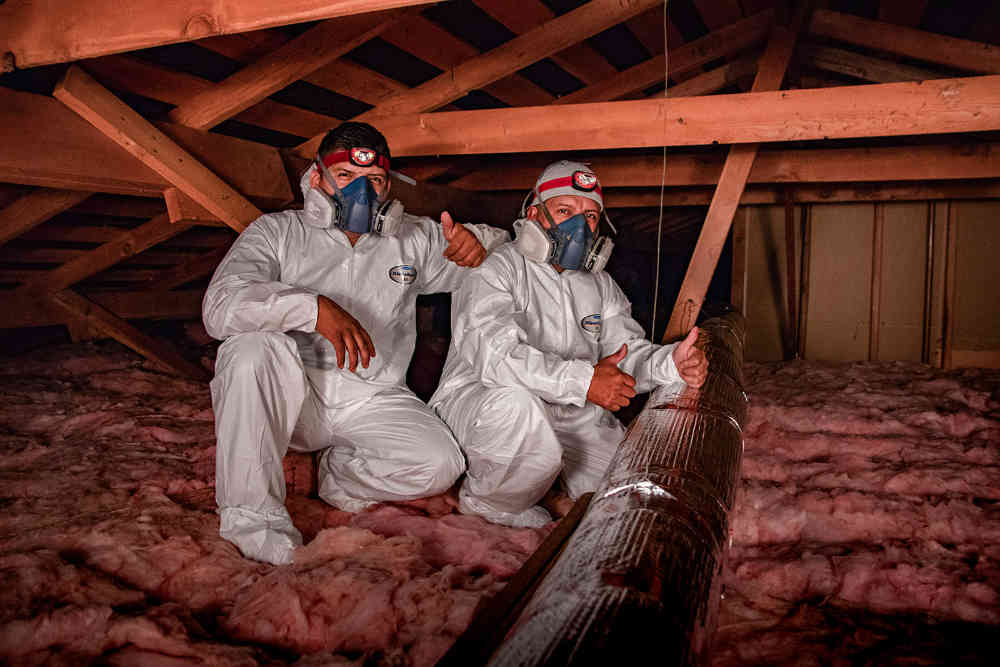
- Cleanup: Removing contaminated insulation, droppings, and nesting material
- Sanitation: Treating affected surfaces to address odors and biological contamination
- Sealing and rodent-proofing: Identifying and closing entry points so rodents can’t re-enter
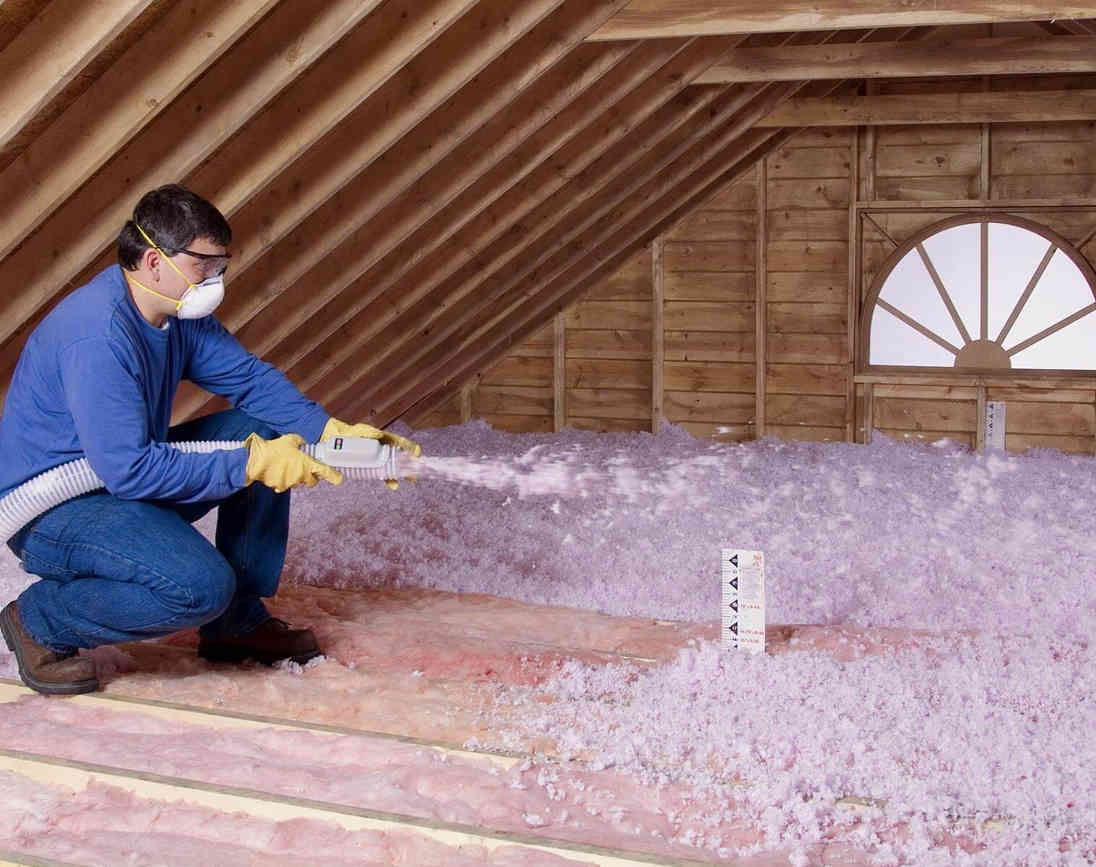
- Insulation replacement: Installing new insulation only after the attic is clean, sanitized, and sealed
Atticare USA does not trap, bait, or exterminate. That’s handled by a licensed pest control provider—in the Los Angeles area, our sister company PestCare. Our scope is exclusion and restoration: we stop the next rodents from getting in, clean up what the last ones left behind, and restore your attic to proper condition.
Why You Usually Need Both—In the Right Order
If rodents are actively living in your attic:
- Pest control first — Remove the live animals
- Attic restoration second — Clean, sanitize, seal, rodent-proof, then replace insulation
Skip step one and you’re sealing rodents inside. Skip step two and new rodents enter through the same gaps, contamination stays in place, and you’ve solved nothing.
The common mistake: calling pest control, having traps set, and assuming the problem is over once the noises stop. But trapping doesn’t address how rodents got in, what they left behind, or whether your insulation is now compromised.
Attic Rodent Cleanup Pasadena: The Decision Framework
Short answer: If you’re hearing noises now, start with pest control for trapping, then schedule restoration. If the problem seems past—smells and old evidence but no current sounds—an inspection can confirm whether you can proceed directly to cleanup, sanitation, and exclusion.
Scenario 1: Active Noises, Recent Activity
You’re hearing sounds tonight. You’ve seen fresh droppings—dark, moist pellets, not old gray crumbly ones. Rodents are likely still present.
First call: A licensed pest control company to trap and remove live animals. In the Los Angeles area, PestCare handles this step.
Second call: Atticare USA for cleanup, sanitation, sealing, rodent-proofing, and insulation restoration once trapping is complete.
Scenario 2: Smells and Old Evidence, No Current Noises
The scratching stopped weeks ago, but there’s a persistent odor. You found old droppings in the attic—gray and crumbly, not fresh. The rodents may have moved on or died.
Your path: A free attic inspection can confirm whether live animals are present. If the attic is clear, proceed directly to cleanup, sanitation, and exclusion without a separate pest control step.
Scenario 3: You’re Not Sure
You heard something once or twice. There might be a smell. You don’t know if this is current or old.
Safest starting point: Book a free inspection. We can assess whether live animals are present, identify entry points and contamination, and tell you whether pest control is needed first—or whether you can move straight to cleanup and sealing.
Why the Order Matters—What Happens When You Skip Steps
Short answer: Partial fixes lead to recurring problems. Trapping without sealing means re-entry. New insulation over contamination means the mess is hidden, not gone. Sealing without cleanup and sanitation means contamination is locked in.
Trapping Without Sealing Entry Points
This is the most common mistake. Pest control removes the current rodents, but the gaps in your roofline, vents, and utility penetrations stay open. New rodents find the same entry points within weeks.
The result: you pay for pest control again and again. Traditional exterminators often operate on a subscription model—monthly visits because they’re treating symptoms, not causes. Exclusion is the one-time fix that breaks the cycle. Atticare USA’s rodent proofing comes with a 1-year warranty: a one-time solution, not another service contract.
New Insulation Over Contaminated Insulation
Some contractors offer to blow new insulation over your existing material. If that material is contaminated with droppings, urine, or nesting debris, you’ve covered the problem—not solved it. The CDC recommends proper cleanup of rodent-contaminated areas, including removal of contaminated materials.
The contamination stays. Odors persist. The attic looks improved but remains compromised underneath.
Sealing Without Cleanup First
If you seal an attic that hasn’t been cleaned and sanitized, you lock in whatever contamination exists. Worse, if any rodents were trapped inside during sealing, decaying carcasses create odor and attract insects.
Cleanup and sanitation must happen before the attic is fully sealed and re-insulated.
Atticare USA’s 5-Step Attic Restoration Process
Short answer: The complete sequence is inspect, clean and sanitize, seal and rodent-proof, then insulate. New insulation is always the last step—never the first.
Step 1: Inspect
A thorough inspection identifies rodent evidence, entry points, contamination extent, duct damage, and insulation condition. You’ll understand what you’re dealing with before any work begins.
Step 2: Remove Contaminated Insulation
Old or contaminated insulation is removed so the attic floor can be properly inspected and cleaned. You can’t see what’s underneath—or address it—until this step happens.
Step 3: Clean and Sanitize
HEPA vacuuming removes droppings, nesting material, and debris. Sanitation and deodorizing address affected surfaces. The attic is prepared for sealing.
Step 4: Seal and Rodent-Proof
Entry points are sealed with appropriate materials—wire mesh, foam, cement, or other solutions depending on the opening. This is exclusion: stopping the next rodents from getting in.
Step 5: Insulate
New insulation is installed only after the attic is clean, sanitized, and sealed. Proper attic preparation—including air sealing—should happen before insulation installation for best performance.
Why Pasadena Attics Are Especially Vulnerable
Short answer: Pasadena’s hot climate means rodents seek attic shelter year-round. Older Craftsman bungalows, Spanish revival homes, and mid-century construction have more entry points from decades of settling and repairs.
The San Gabriel Valley’s combination of climate and housing stock creates persistent vulnerability:
- Year-round rodent pressure: No winter die-off means rats and mice stay active all twelve months
- Extreme attic heat: Summer temperatures reaching 140–160°F stress insulation and create differentials that attract rodents seeking shelter
- Older homes: Pasadena’s Craftsman bungalows, Spanish revival homes, and mid-century ranch houses often have roofline gaps, deteriorated vent screens, and utility penetrations that were never properly sealed. The EPA identifies these common entry points as primary access routes.
Common entry points include gaps where stucco meets roofline, damaged soffit vents, utility penetrations for plumbing and electrical, garage-to-attic access points, and gaps around HVAC equipment. Rats can squeeze through openings the size of a quarter. Mice need only a dime-sized gap.
What a Free Attic Inspection Tells You
Short answer: An inspection answers the question you’re actually asking: “What do I need?” You’ll know whether live rodents are present, what contamination exists, where entry points are, and whether your insulation should be removed or can stay.
What the Inspector Looks For
- Rodent evidence: droppings, gnaw marks, grease trails, nesting material
- Entry points: gaps, holes, damaged vents, utility penetrations
- Insulation condition: contamination, compression, damage, age
- Duct condition: holes, disconnections, rodent damage
- Moisture indicators or other concerns
What You’ll Know Afterward
- Whether live rodents are present (and whether pest control is needed first)
- The extent of contamination and damage
- Which entry points need sealing
- Whether insulation should be removed or can remain
- A written proposal outlining the recommended scope of work and pricing
Frequently Asked Questions
Is scratching in my attic at night always rodents?
Usually. Rats, mice, and occasionally squirrels are the most common culprits in Pasadena attics. Nighttime activity is typical for rats and mice. An inspection can confirm what you’re dealing with.
Should I call pest control or an attic cleaning company first?
If you’re hearing active noises and seeing fresh droppings, call pest control first to remove live animals. Then call an attic restoration specialist for cleanup, sanitation, sealing, and insulation. If the problem seems past, an inspection can determine whether pest control is still needed.
Do I have to remove insulation if rodents were in my attic?
Not always, but often. If insulation is contaminated with droppings, urine, or nesting material, removal is usually recommended. The CDC advises against covering contaminated materials and recommends proper removal and cleanup.
Will rodents come back after I have them removed?
If entry points aren’t sealed, yes—often within weeks. Trapping removes current rodents but doesn’t prevent new ones from entering. Exclusion is what prevents recurrence.
Book a Free Attic Inspection in Pasadena
If you’re hearing noises, noticing smells, or simply want to know what’s happening in your attic, a free inspection is the right starting point. You’ll get clear answers—not a sales pitch.
Atticare USA has served Los Angeles-area homeowners since 2012. We’re Diamond Certified, licensed and insured (CA #1051462), and backed by 1,400+ reviews. Our rodent proofing services include a 1-year warranty—a one-time fix, not another service contract.
We’ll tell you whether you need pest control first or can proceed directly to restoration. We’ll show you where rodents are getting in. And we’ll give you a written proposal so you know exactly what the work involves and costs.
Book a free attic inspection or call to schedule. The inspection answers the question you’re really asking: what do I actually need to fix this for good?
Related resources:
- 5 Proven Steps to Get Rid of Mice in Your Attic
- How to Remove Insulation From Your Attic
- Attic Cleaning Services
- Air Sealing
Sources
- Centers for Disease Control and Prevention. “Controlling Wild Rodent Infestations.” https://www.cdc.gov/healthy-pets/rodent-control/index.html
- Centers for Disease Control and Prevention. “Cleaning Up After Rodents.” https://www.cdc.gov/healthy-pets/rodent-control/clean-up.html
- ENERGY STAR. “Attic Air Sealing Project.” https://www.energystar.gov/saveathome/seal_insulate/attic-air-sealing-project
- U.S. Environmental Protection Agency. “Identify and Prevent Rodent Infestations.” https://www.epa.gov/rodenticides/identify-and-prevent-rodent-infestations

About the Author
Sean Madar leads Atticare USA, a California attic and crawl-space restoration company specializing in rodent cleanup, exclusion, decontamination, and insulation. He works with Bay Area and Southern California homeowners to restore cleaner, healthier, more energy-efficient attics.