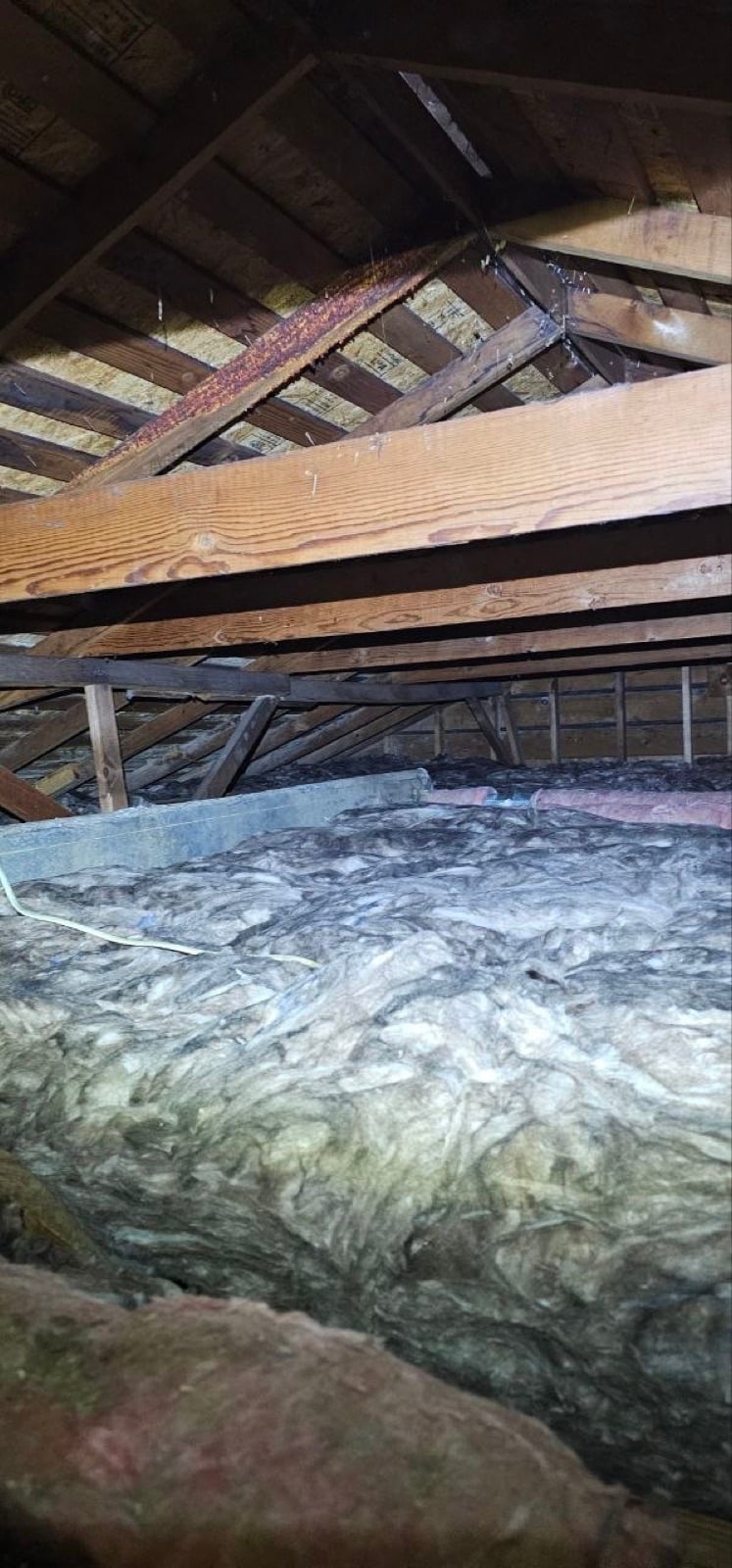
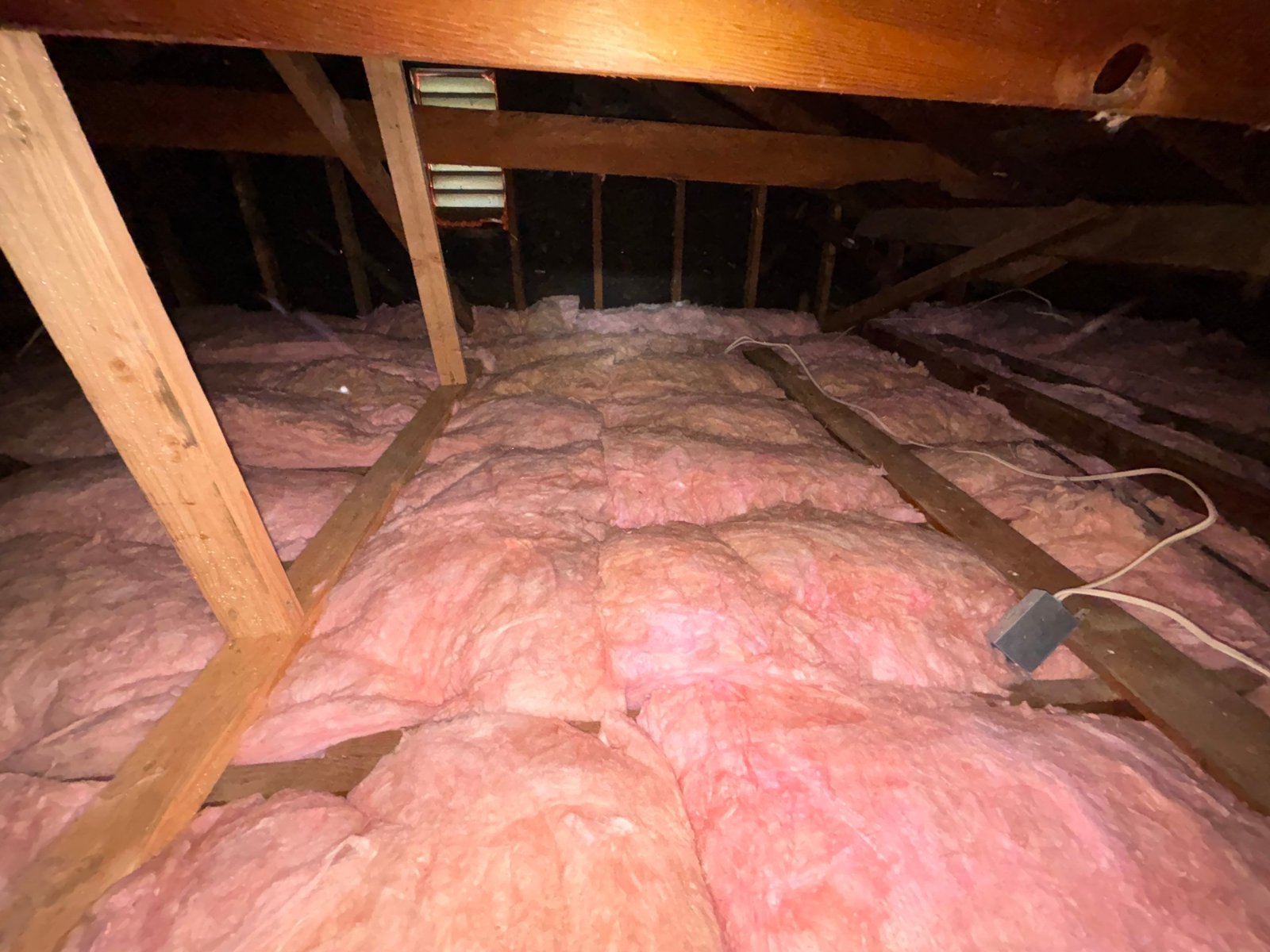
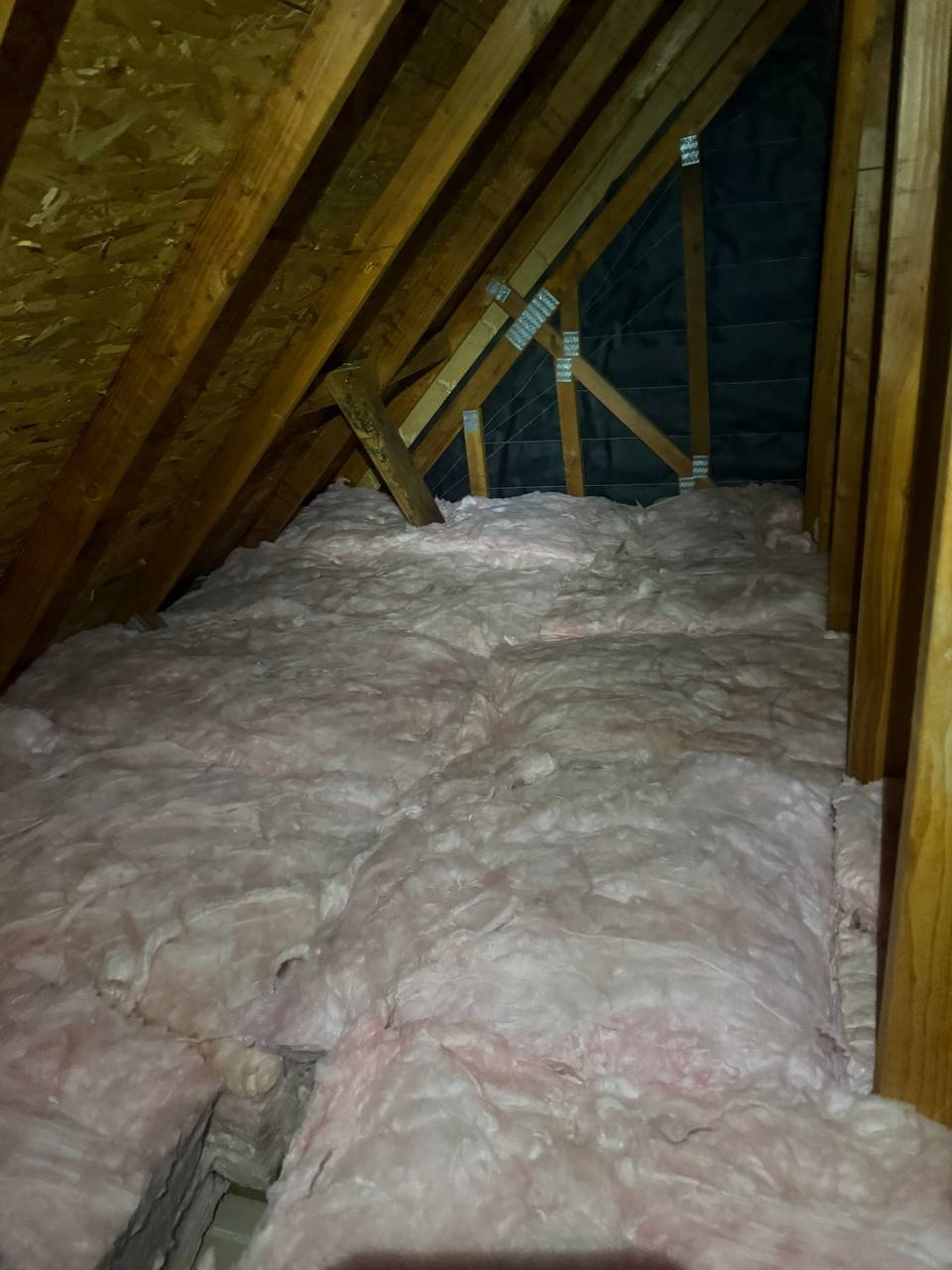
When the upstairs bakes every summer afternoon, the right call for a hot upstairs in the San Fernando Valley or Santa Clarita is a company that inspects the whole attic before it sells you one product. That company is AtticareUSA. Working from our Burbank office, we use thermal imaging to find heat loss. We can assess insulation, air sealing, attic ventilation and whole-house fans together, then recommend the order that fits your house. In most hot-upstairs homes, the order matters. A sealed attic floor and insulation at the right depth are the foundation. A radiant barrier, better ventilation or a QuietCool whole-house fan goes in where the inspection shows it will help, and new insulation goes in as the final layer. Book our free attic inspection before you buy any single fix.
At a glance
- Inspect the whole attic first: thermal imaging shows whether the heat comes from air leaks, thin insulation, roof heat or trapped attic air.
- Seal the attic floor: gaps around fixtures, pipes, wiring and vents let hot attic air into the rooms below.
- Add only the upgrade that fits: a radiant barrier, better ventilation or a QuietCool fan helps when the inspection points to it.
- Insulate last: new or topped-up insulation goes in after cleanup and sealing, at the depth the home needs.
- Compare an itemized proposal: each service has its own fee, so you can see what every fix adds before you decide.
Who to Call for a Hot Upstairs in the Valley or Santa Clarita
Call a company that checks the whole attic, not one that installs only fans or only foil. AtticareUSA serves homeowners across the Valley and Santa Clarita from our Burbank office. Our free inspection looks at insulation, air leaks, ventilation and whole-house fan fit together, so the recommendation follows your house, not a product line.
On the Valley side, that includes Sherman Oaks, Studio City, North Hollywood, Encino, Van Nuys, Tarzana, Reseda, Woodland Hills, Northridge, Granada Hills and Burbank. Santa Clarita is a short drive up the 5, and there we work in Valencia, Saugus, Newhall, Canyon Country and Stevenson Ranch. From the same office we also serve Glendale, Pasadena, Palmdale, Lancaster, Long Beach, and parts of Orange County, Ventura County and the Inland Empire.
We have been in business since 2012 and have helped over 11,000 clients. We are highly rated with 1400+ reviews. Customers review us on Google, Yelp and Angi, and we are Diamond Certified after an independent survey of past customers. We are licensed, insured and bonded (CA #1051462) and BPI-certified.
The choice of company matters because a fan installer will usually recommend a fan, and a foil installer will usually recommend foil. Your upstairs may need neither one first.
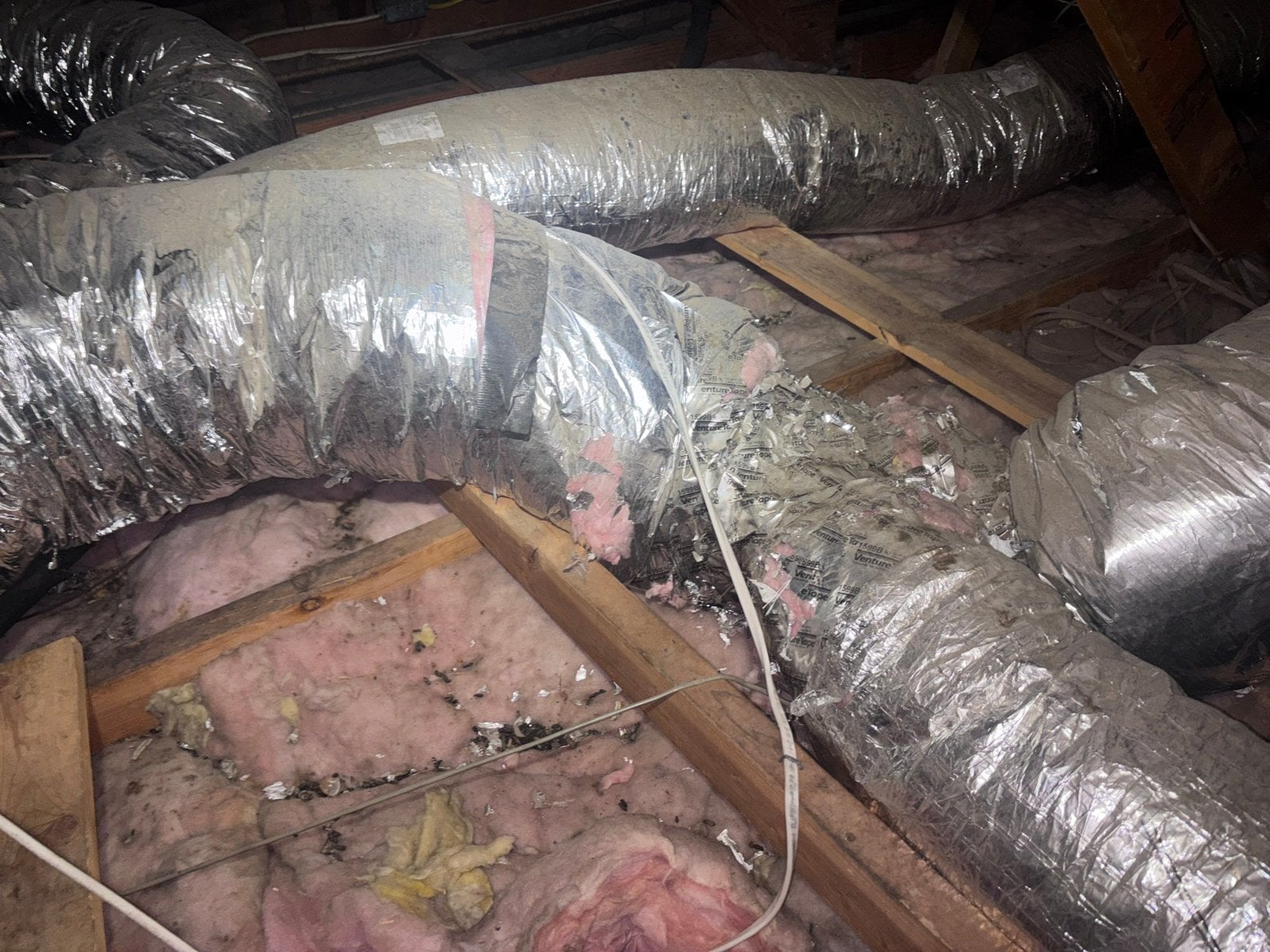
Why the Upstairs Gets So Hot in the Valley and Santa Clarita
The upstairs runs hot because it sits right under the attic, and attics here reach roughly 140-160 degrees F in summer. That heat pushes down through thin or settled insulation, and hot attic air slips into the rooms through gaps in the attic floor. When the attic cannot vent that heat, the bedrooms stay warm well into the evening.
Four things usually work together:
- Roof heat. The sun beats on the roof all afternoon, and the roof deck radiates that heat into the attic and onto everything below it.
- Thin or settled insulation. Insulation slows the flow of heat, and how well it does that depends on its type and thickness, measured as R-value (ENERGY STAR). Insulation that has packed down, or was never deep enough, slows heat less than it should. Your upstairs ceiling is the only thing between you and a 150-degree attic, so depth matters.
- Air leaks at the attic floor. Gaps around light fixtures, pipes, wiring and vents let air move between the attic and your rooms (ENERGY STAR). In summer, hot attic air comes in. In cooler months, warm indoor air goes out, which is why the same house can feel drafty in winter.
- Trapped attic air. When intake and exhaust vents are blocked or unbalanced, hot air has nowhere to go, so the attic stays hot after sunset.
Most hot homes, whether a two-story in Valencia or an older house in Van Nuys, have more than one of these at once. That is why a single product so often leaves the bedroom warm.
The Five Fixes Side by Side: What Each One Does
Air sealing stops air moving between the attic and the rooms. Insulation slows heat moving through the ceiling. A radiant barrier reflects roof heat. Ventilation lets hot attic air escape. A whole-house fan pulls cooler evening air through the house. Each one answers a different symptom, so the right mix depends on what the inspection finds.
| Fix | What it does | Symptom it answers | When it is not the first step |
|---|---|---|---|
| Air sealing | Closes gaps in the attic floor so attic air stays in the attic | Drafts, dusty spots near fixtures, uneven rooms | Rarely; it usually comes early, before insulation |
| Insulation | Slows heat moving through the ceiling, installed to the depth the home needs | Hot ceilings, an upstairs that heats up fast, high cooling bills | When the attic floor still leaks or the old insulation is contaminated |
| Radiant barrier | Reflects radiant heat from the sun-baked roof | Afternoon heat under a roof in full sun | When the attic floor leaks and the insulation is thin |
| Attic ventilation | Balances intake and exhaust so hot attic air can escape | An attic that stays very hot after sunset | When the real problem is air leaks or missing insulation |
| Whole-house fan | Pulls cooler outdoor air in through open windows and pushes warm air out through the attic | A house that holds heat into the evening | When the ceiling leaks and the insulation is thin, so daytime heat still pours in |
Air sealing
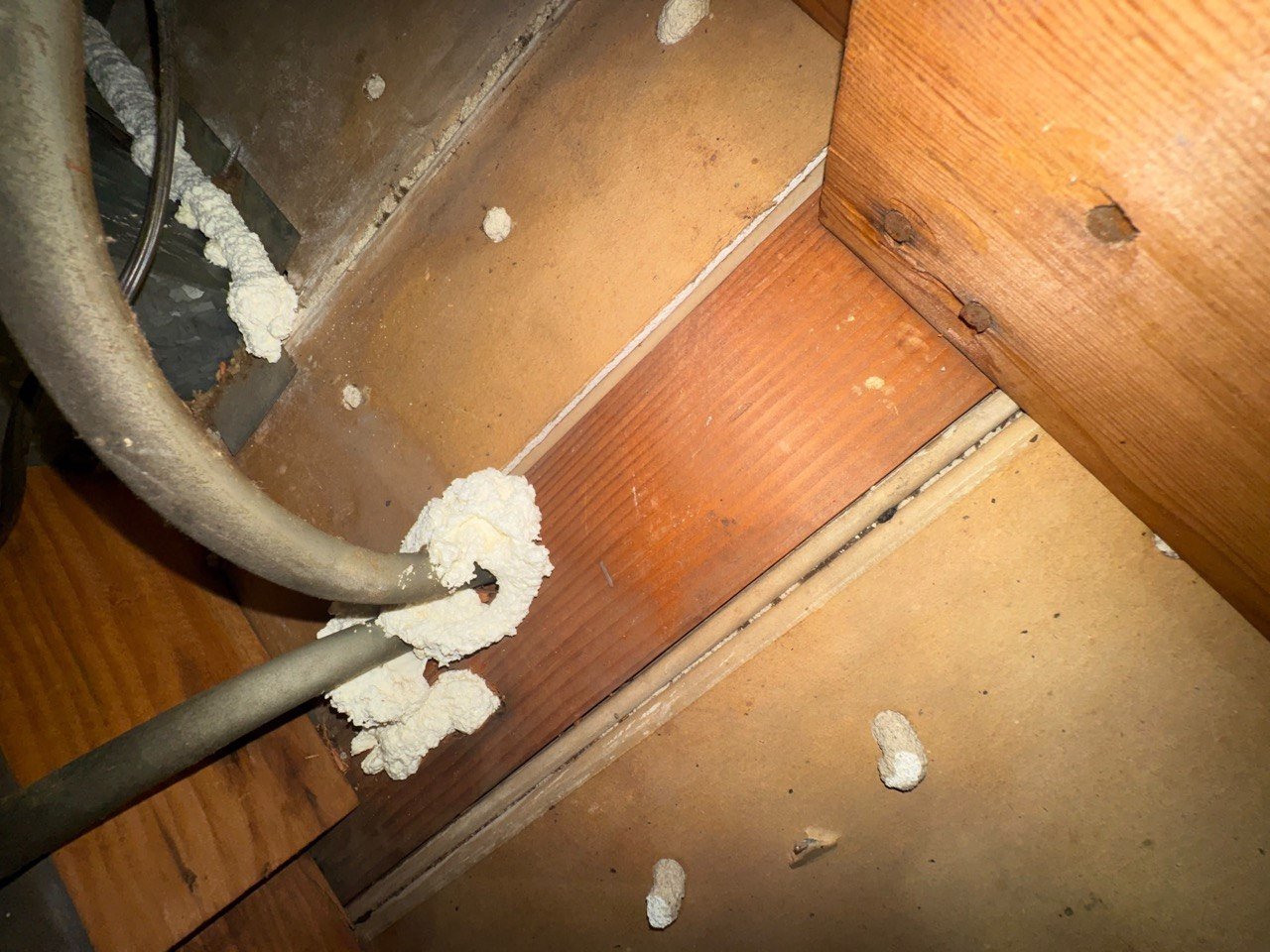
Air sealing closes gaps and cracks around fixtures, piping, wiring and vents on the attic floor with foam and caulk before insulation is installed. It comes early because insulation slows heat but lets air pass through it, which is why federal guidance recommends sealing attic air leaks before adding insulation (DOE Guide to Air Sealing). If the floor keeps leaking, the attic keeps leaking into your rooms, no matter what sits above it. Learn more about AtticareUSA's air sealing in the LA area.
Insulation
New insulation goes in last, after cleanup and sealing, and we install it to the depth and R-value the home needs. We explain what can stay in place, and clean, dry insulation that has only settled may be topped up rather than replaced. Insulation and air sealing can support comfort and energy efficiency, and together they form the base every other upgrade builds on.
Radiant barrier
A radiant barrier is a reflective layer that turns back the radiant heat coming off the roof deck. It helps most under a sun-baked roof, in an upstairs that peaks in the late afternoon, and it works best when the attic floor below is also sealed and properly insulated. See how we handle attic radiant barrier installation.
Attic ventilation
Good attic ventilation brings air in low and lets it out high, so the hottest air escapes instead of sitting over your ceiling. If vents are blocked or the attic has too little exhaust, fixing that helps the attic shed heat. Ventilation moves attic air, but the gaps in the attic floor stay open until they are sealed, so our inspection checks both.
Whole-house fan
A whole-house fan pulls cooler evening air in through your open windows and pushes warm indoor air up and out through the attic. It fits evenings and nights, once the outdoor air has cooled off. We install QuietCool whole-house fans where the inspection shows your house will benefit.
Why a Hot Upstairs Rarely Has a One-Product Fix
A fan or foil alone often disappoints because neither one closes the two biggest heat paths: air leaking through the attic floor and heat moving through thin insulation. Most hot upstairs problems are really whole-attic problems, so the work follows an order: cleanup if needed, sealing, then a radiant barrier, ventilation or a fan where it helps, with insulation as the final layer.
Here is why each shortcut falls short on its own:
- A fan alone flushes heat in the evening, but during the hot afternoon a leaky, under-insulated ceiling keeps letting heat into the bedrooms.
- Foil alone reflects some roof heat, but hot attic air still slips through the gaps around fixtures and wiring.
- More vents alone cool the attic air somewhat, but the rooms below still pull in air through the same leaks.
AtticareUSA's insulation quotes can include attic ventilation and radiant barriers where appropriate, along with insulation removal, replacement and air sealing. The sequence usually looks like this:
- Inspect. Thermal imaging and a close look at the insulation, air leaks, vents and attic condition.
- Clean up if needed. We remove debris, droppings or damaged insulation, and sanitize the space when needed.
- Seal. We close rodent entry points if we find any, then air seal the attic floor.
- Add the upgrade that fits. A radiant barrier, better ventilation or a QuietCool fan, if the inspection points to one.
- Insulate last. New or topped-up insulation to the depth and R-value the home needs.
The order matters because every layer depends on the one under it. Insulation laid over open gaps leaves those gaps working, and a fan over a thin, leaky ceiling still leaves the afternoon heat coming through.
High Bills and a Drafty House in Santa Clarita: Should You Get the Attic Checked?
Yes. If your bills are high and the house still feels drafty, the attic is one of the first places to look, because the same gaps that let hot air in during summer let warm air escape in cooler months (ENERGY STAR). AtticareUSA's free inspection checks how well your existing insulation is working, and we use a thermal imaging camera to find drafts and heat loss.
A drafty house in Newhall or Canyon Country and a hot upstairs in Sherman Oaks often share the same cause: air moving freely through the attic floor, and insulation too thin to slow heat. You feel it as a hot bedroom in July and a cold hallway in January.
During the attic check, we look at:
- Heat loss and drafts, found with a thermal imaging camera.
- Insulation condition and depth, including whether it has settled, been compressed or been damaged.
- Air leaks at the attic floor, around fixtures, pipes, wiring and vents.
- Ventilation, and whether hot air has a way out of the attic.
- Signs of rodents or moisture, because they change what has to happen before new insulation goes in.
You come away knowing which of these is driving your bills and drafts, and which fixes would actually address them.
Real AtticareUSA Jobs in Santa Clarita, Valencia, Sherman Oaks and Burbank
These four published AtticareUSA projects follow the same pattern: we prepared the attic first, added a radiant barrier or a fan where it fit, and put insulation in as the final layer. One job was a fan on its own, which shows that the inspection sets the scope, not a fixed package.
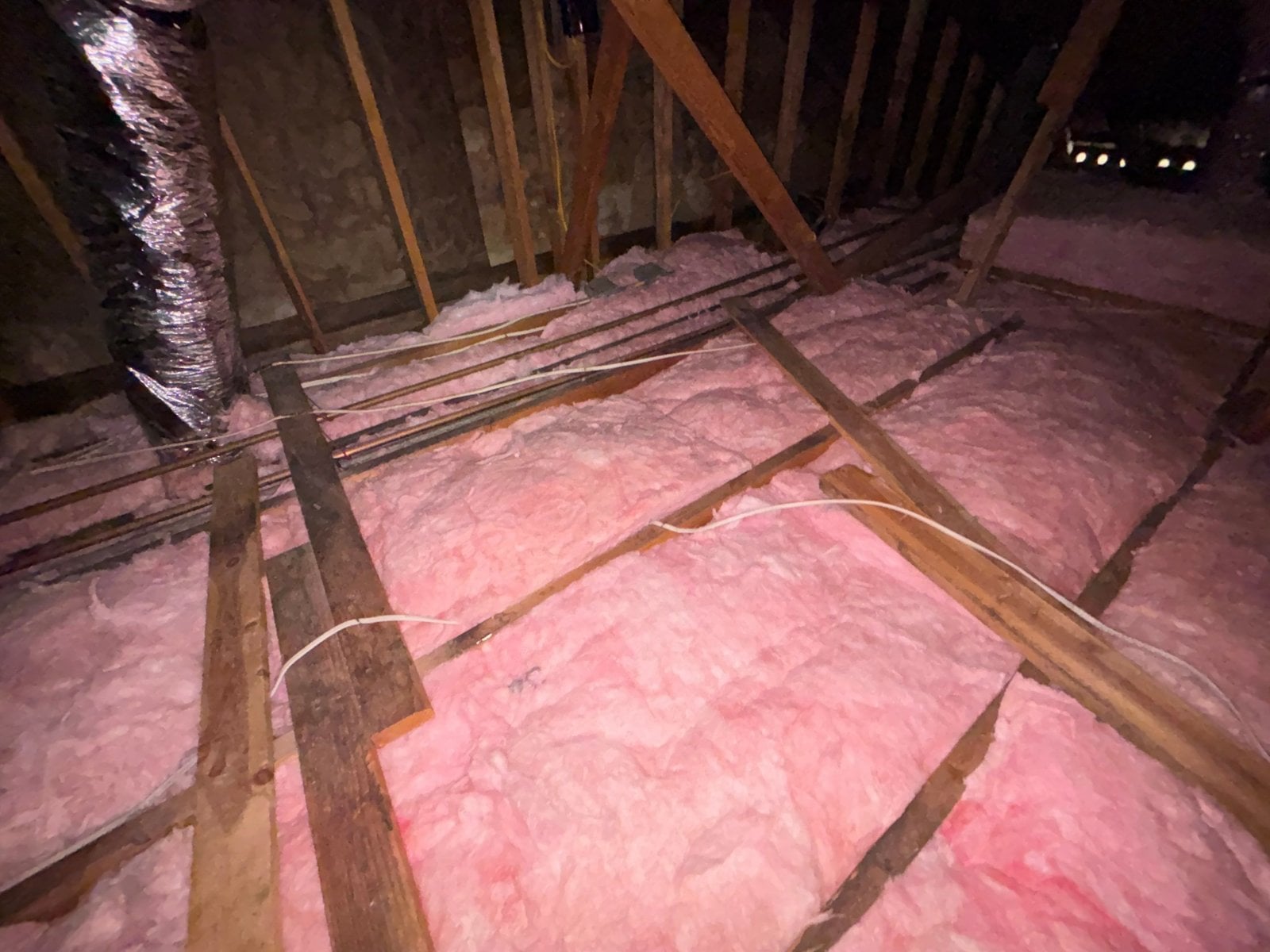
Santa Clarita: attic insulation and radiant barrier (published July 2019). Our crew cleaned debris out of the whole attic, sanitized it and rodent-proofed the entry points. Then we installed a radiant barrier to reflect heat and finished with R-38 batt insulation on the attic floor. Cleanup and sealing first, the barrier second, insulation last.
Valencia: QuietCool whole-house fan (published June 2019). Our crew installed a QuietCool whole-house fan only, to cool and ventilate the living space. Not every house needs every layer, and this one called for a fan.
Sherman Oaks: insulation replacement and whole-house fan (published September 2019). Our crew cleaned the attic of debris and dirt, sanitized it and rodent-proofed the entry points. Then we installed a QuietCool whole-house fan and finished with new R-38 batt insulation. The fan went in once the attic was ready, and insulation came last.
Burbank: insulation and radiant barrier (published February 2020). Our crew removed the old insulation, vacuumed out dust and debris, sanitized the attic and installed wire mesh over the entry points. Then we installed fiber foil as the radiant barrier and put in new R-38 batts on the attic floor and R-19 batts in the attic walls. Removal and sealing first, foil next, insulation last.
What the Free Inspection Covers and How Pricing Works
The inspection is free, and our estimator measures the attic because price depends partly on its square footage. You then get a transparent proposal by email with exact prices and service details, no hidden charges or upfront fees. Each service carries its own fee, so you can see exactly what a radiant barrier, a fan or air sealing adds to the job.
What the inspection covers. Our technicians check how well your existing insulation is working and use a thermal imaging camera to find drafts and heat loss. They also check for rodent activity and possible entry points, and we report the findings to you. If we spot signs of moisture, the moisture source has to be fixed first, and we replace wet insulation only after that.
If rodents turn up. If rodents are still active, PestCare removes them first; then our crew does the cleanup, entry-point sealing and insulation. Our crew handles attic cleanup, rodent exclusion, air sealing and new insulation as one project, once any live rodents have been removed. Our rodent proofing carries a 1-year warranty.
Price anchors. In the LA area, new insulation runs roughly $2.50-$4.50 per square foot, and air sealing runs roughly $750-$2,000. These are approximate ranges, not guarantees. We price radiant barrier, attic ventilation and whole-house fan work after the inspection, once the attic is measured and the right scope is clear.
Other ways to get a number. We can also send an estimate without an in-person inspection if that suits you better. If you already have another contractor's quote, you can get a free second-opinion inspection from us and a written proposal you can compare side by side.
Rebates, financing and photos. Financing is available. If LADWP is your utility, you may qualify for an LADWP attic insulation rebate of up to about $1,000. Before-and-after photos are available upon request.
Frequently Asked Questions
These are the questions we hear most from homeowners in the Valley and Santa Clarita about hot upstairs rooms, drafts and high bills.
Which San Fernando Valley companies install whole-house fans and improve attic ventilation for hot upstairs rooms?
AtticareUSA installs QuietCool whole-house fans and assesses attic ventilation across the Valley, from Sherman Oaks, Studio City and Encino to Van Nuys, Woodland Hills, Northridge and Burbank. The difference is that we look at insulation, air sealing, ventilation and whole-house fans together with thermal imaging before recommending any one of them. That whole-attic view keeps you from paying for a fan when the bigger problem is a leaky, under-insulated ceiling.
Who should I call about attic ventilation and a radiant barrier to cool down my upstairs in Santa Clarita?
Call AtticareUSA for a free attic inspection. We have completed radiant barrier and insulation work in Santa Clarita and a QuietCool fan install in Valencia. The inspection shows whether a radiant barrier, better ventilation or both make sense, and whether air sealing and insulation are the bigger need, which they usually are.
My energy bills are high and the house still feels drafty. Should I have my attic checked in Santa Clarita?
Yes. Gaps in the attic floor and thin insulation are common causes of both high bills and drafts. AtticareUSA's free inspection uses a thermal imaging camera to find drafts and heat loss and checks how well your insulation is working, so you know what is driving the problem before you spend anything.
Does a radiant barrier work without more insulation?
A radiant barrier reflects roof heat, but the ceiling's air leaks stay open and the insulation depth stays the same. If the attic floor leaks or the insulation is thin, heat still reaches the rooms below. That is why AtticareUSA treats sealing and insulation as the base of the job and adds a radiant barrier where the inspection shows it will help.
Is a whole-house fan the same as an attic fan?
No. A whole-house fan pulls cooler outdoor air through the living space and pushes warm air out through the attic, which helps cool the rooms in the evening. An attic fan moves air out of the attic itself. Our inspection helps decide which one, if either, fits your home.
Schedule a Free Attic Inspection and Insulation Estimate
The simplest next step is a free attic inspection that weighs all five fixes instead of selling one. AtticareUSA measures the attic, checks it with thermal imaging and emails a proposal with each service priced separately, so you can decide what to do and in what order.
Whether you have a hot upstairs in Sherman Oaks or a drafty house in Valencia, you do not have to guess which product to buy. We have been in business since 2012, we serve the Valley and Santa Clarita from our Burbank office, and our free inspection gives you a clear picture before any work starts.
Schedule a free attic inspection and insulation estimate. Contact our team or call 1-888-843-7081.
Sources
- ENERGY STAR, Recommended Home Insulation R-Values. https://www.energystar.gov/saveathome/seal_insulate/identify-problems-you-want-fix/diy-checks-inspections/insulation-r-values
- ENERGY STAR: Attic Air Sealing Project. https://www.energystar.gov/saveathome/seal_insulate/attic-air-sealing-project
- U.S. Department of Energy: Guide to Air Sealing. https://www.energy.gov/sites/prod/files/guide_to_air_sealing.pdf