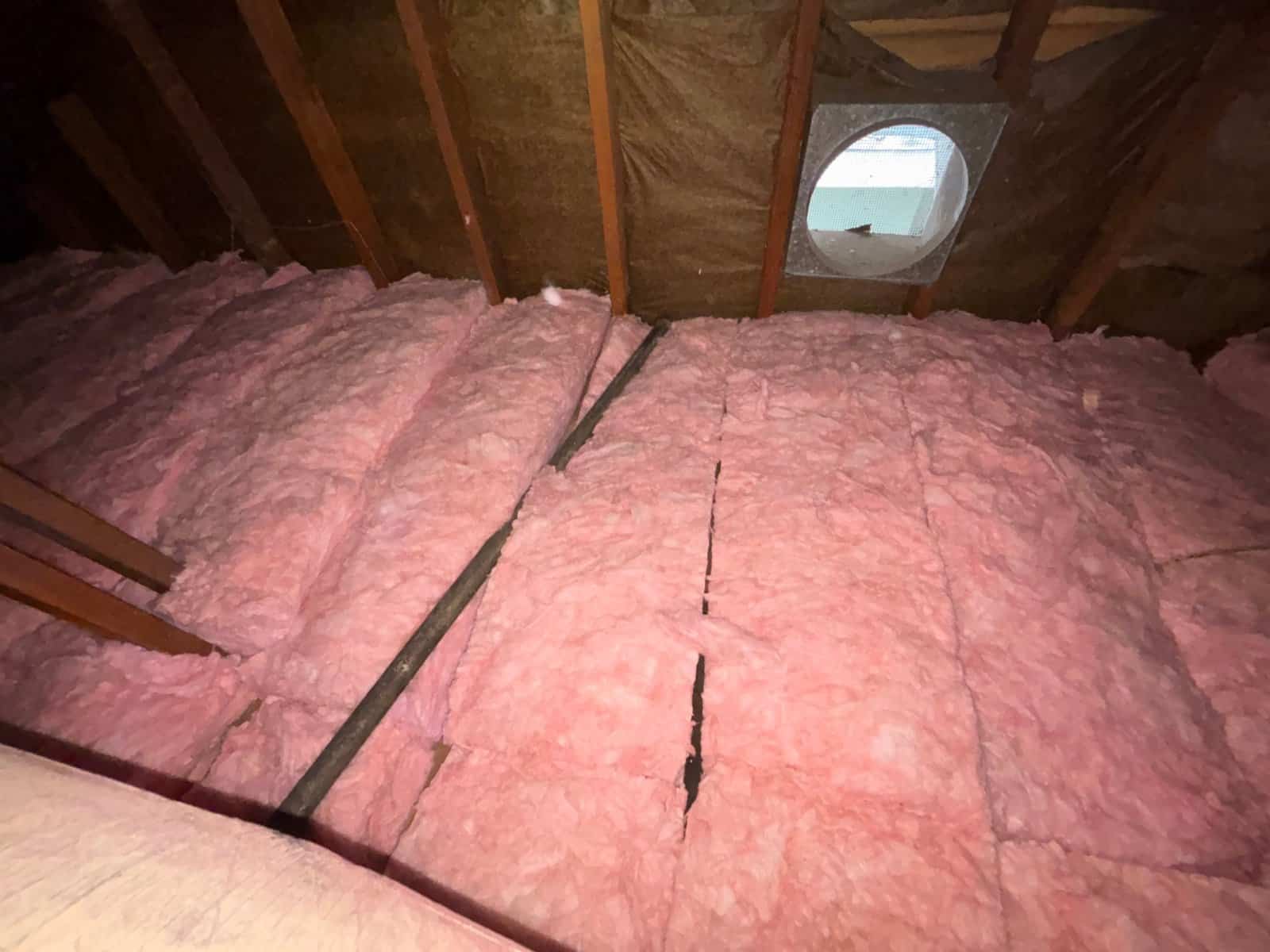
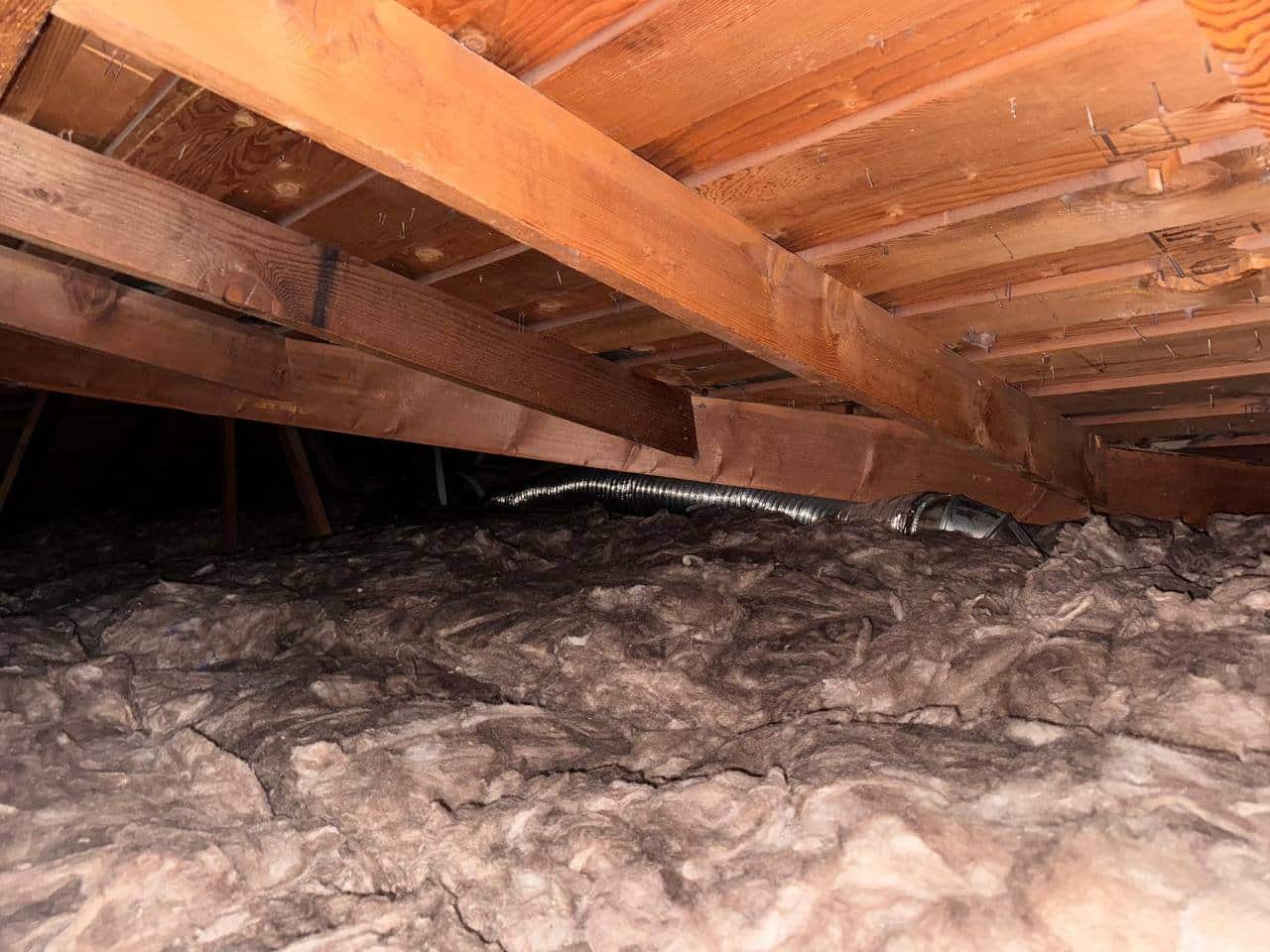
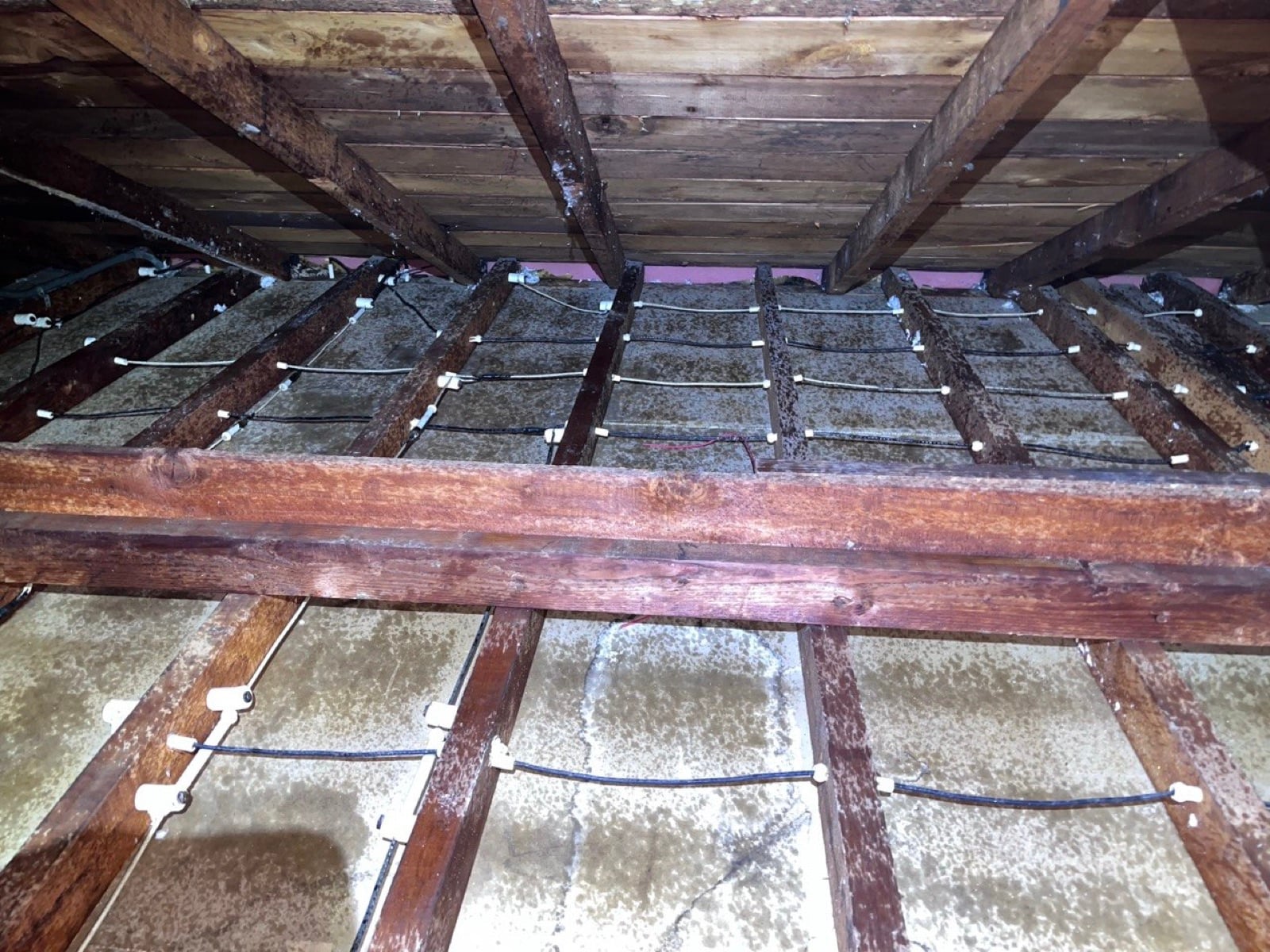
For attic rodent proofing in Concord, Richmond and Vacaville, California, AtticareUSA seals the entry points rats keep reusing. Our crew inspects the attic for rodent activity and possible entry points, reports the findings to you, and seals the openings pesticide-free with wire mesh, polyurethane foam and cement as needed. When the attic is contaminated, we coordinate the sealing with cleanup and new insulation. Rodent proofing is a one-time, subscription-free job with a written 1-year limited warranty. If rats keep finding their way back in, book a free inspection with AtticareUSA to find how they are getting in.
At a glance
- Close the openings: rats come back when entry points stay open and old insulation keeps the scent trails that lead new rats in.
- Seal without pesticides: we close entry points with wire mesh, polyurethane foam and cement as needed.
- Follow the order: clean out what draws rats back, seal and air-seal, then install new insulation last.
- Pay once: rodent proofing is a one-time, subscription-free job with a written 1-year limited warranty on the treated areas.
- Start with a free inspection: we have recent jobs in Concord, Richmond and Vacaville, and every proposal lists each service separately.
Why Do Rats Keep Getting Back Into the Attic?
Rats keep getting back in because the openings they used were never closed, and because old insulation still holds the scent trails that lead the next rats to the same spots. Removing the rats inside clears the attic for now, but the house stays just as easy to enter.
If the traps came out, the attic went quiet for a while, and then the scratching started again over the bedroom ceiling, one of three things is usually behind it.
Openings that were missed. Some entry points are easy to see from the attic hatch. Others sit along the roofline, around a vent, or on the attic floor under the insulation. Removing the old insulation exposes issues hidden under it, so a quick look from the hatch can miss the gap that matters most.
Openings that were trapped around but never closed. Traps go where the activity is. If the gap next to the trap stays open, the next rat uses the same route.
Scent trails left in the insulation. Rodents leave droppings, urine staining and nesting debris in the insulation they travel through, and that material keeps signalling "this way in" long after the animals are gone. Rodent droppings and nests are vacuumed out with the old insulation, and the attic can then be sanitized to cut the leftover scent trails that draw new rodents back.
The fix follows from the cause: find every entry point, seal it with the material the opening needs, and clean out what draws rats back. That work is rodent exclusion, and it is the core of what AtticareUSA does.
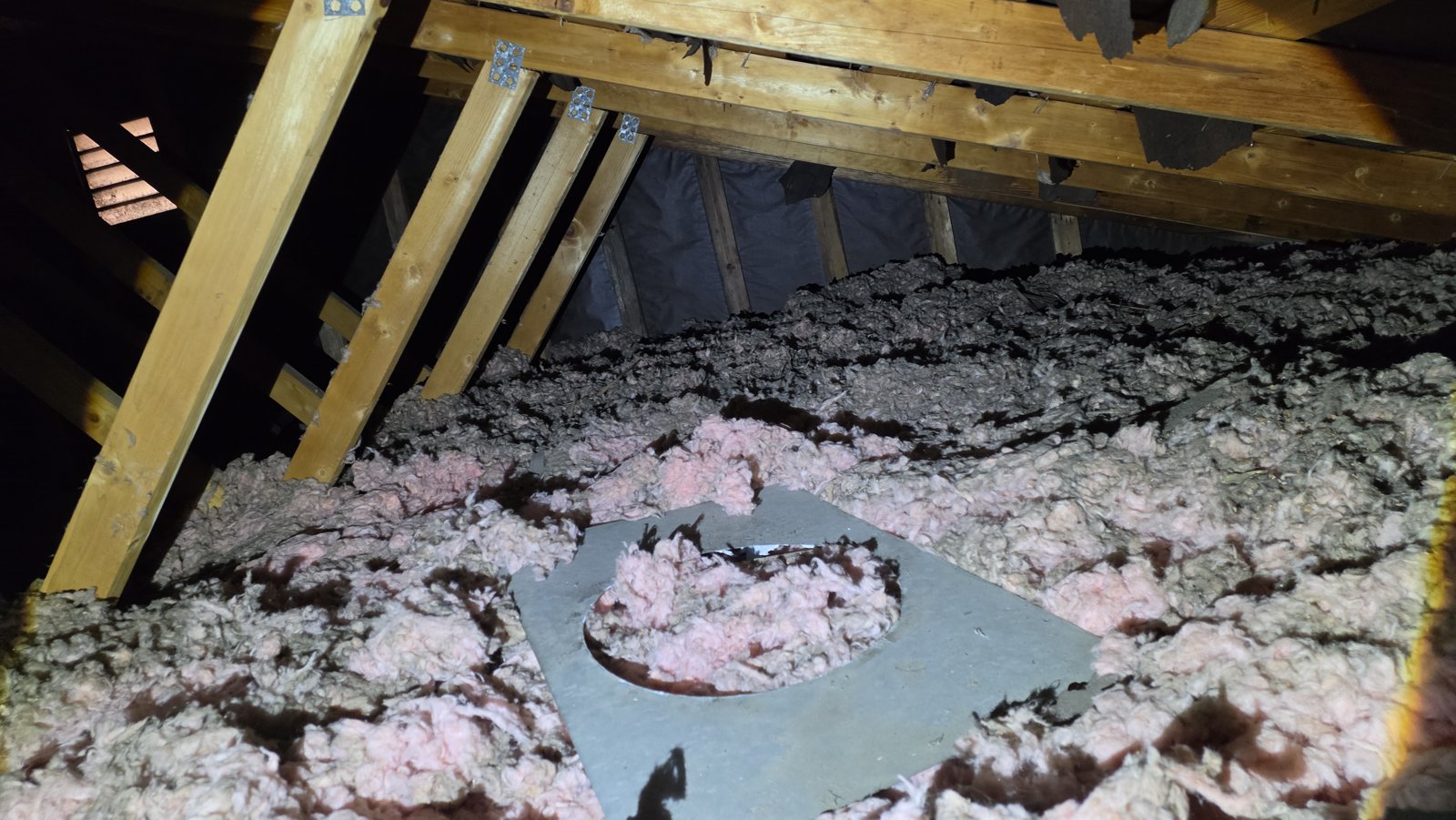
Trapping vs. Exclusion: What Each One Actually Does
Trapping removes the rats that are already inside. Exclusion closes the way in. Trapping alone does not address how rodents entered, so a house with open entry points can take in new rats after every round.
| Trapping | Exclusion (rodent proofing) | |
|---|---|---|
| What it targets | The rats already inside | The openings rats use to get in |
| What stays behind | The entry points and the scent trails | Sealed openings, with scent trails cleaned out when the attic is cleaned and sanitized |
| Materials | Traps and bait | Wire mesh, polyurethane foam and cement, pesticide-free |
| How it is sold | Often part of an exterminator's recurring service contract | A one-time, subscription-free job with a written 1-year limited warranty |
Public guidance makes the same point. The CDC's rodent control guidance pairs trapping with sealing the openings rodents use, and the EPA's guidance on how to identify and prevent rodent infestations points to sealing entry points as part of prevention.
The two do different jobs, so a home with a repeat problem often needs both, in the order set out below. For the longer version, read why rodent removal isn't enough.
Where Rats Get Into Attics in Concord, Richmond and Vacaville Homes
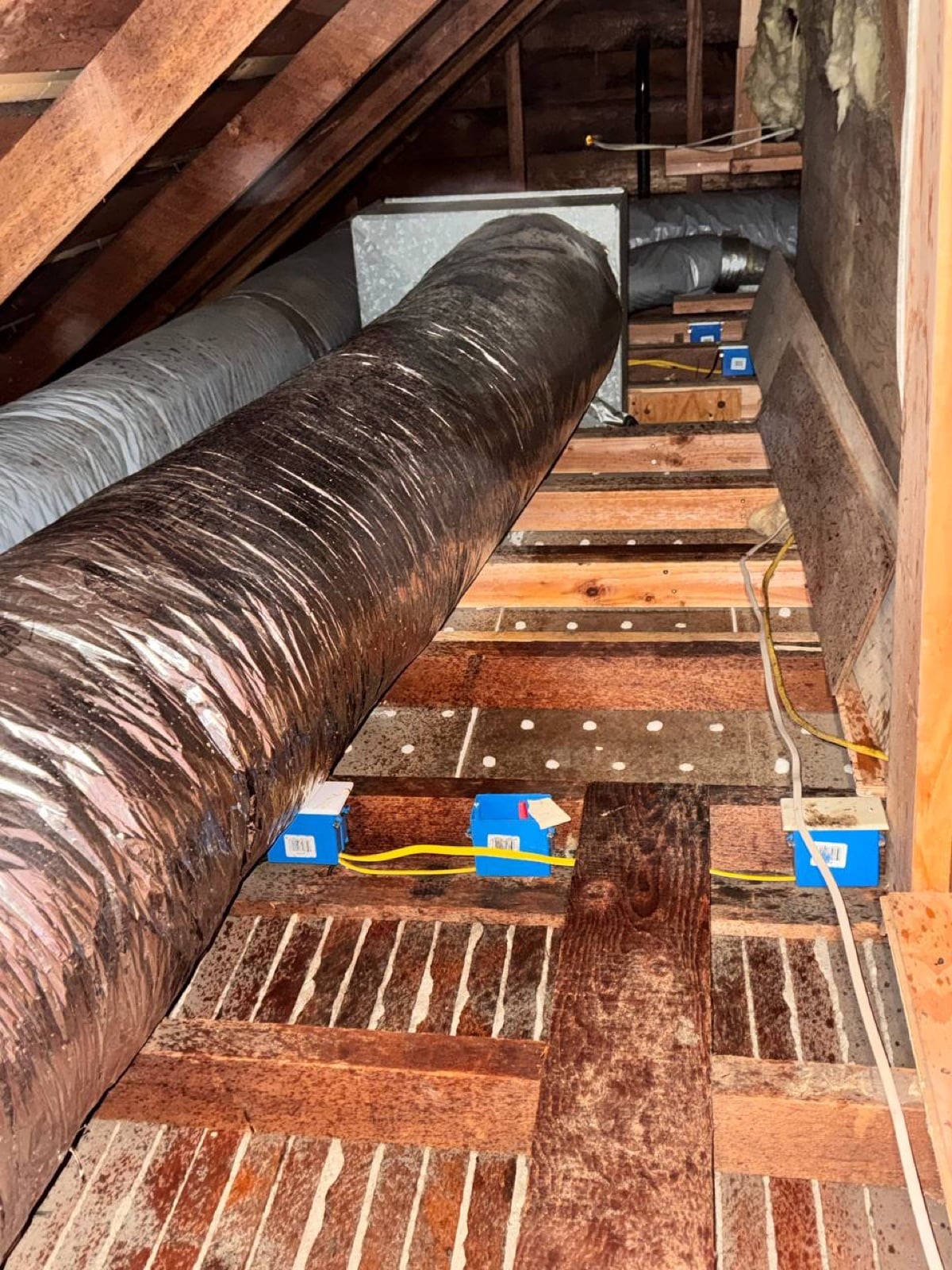
Rats usually get into an attic through vents, crawl space openings, roofline gaps, utility penetrations and construction openings, and through gaps around fixtures, piping, wiring and vents on the attic floor. A useful inspection checks all of them, because sealing two openings and leaving a third only moves the traffic to the one still open.
Bay Area homes often mix older construction, later additions and crawl spaces, and each can leave its own kind of gap:
- Vents. Attic and foundation vents need to move air, and a damaged vent gives rats an opening that is already there.
- Crawl space openings. Access points and gaps around the crawl space let rodents get under the house.
- Roofline gaps. Gaps along the roofline lead into the attic from above.
- Utility penetrations. The space around each pipe, line or cable that passes through a wall or roof is an opening until something closes it.
- Construction openings. Additions, remodels and older framing can leave gaps where materials meet.
- Gaps on the attic floor. Openings around fixtures, piping, wiring and vents connect the attic to the rooms below.
AtticareUSA's inspections check the attic or crawl space for rodent activity and possible rodent entry points, and we report the findings to you. We also look for rodent damage to pipes and electrical wires. For the signs to watch for yourself, see identifying household entry points for rodents.
How Attic Rodent Proofing Stops Rats From Getting Back In
AtticareUSA's attic rodent proofing seals each entry point the inspection finds with wire mesh, polyurethane foam and cement as needed, pesticide-free. Sealing entry points helps reduce the chance of future rodent entry, and the sealing holds best when the attic behind it has also been cleaned of the scent trails that draw rats back.
Our work follows a clear sequence:
- Inspection. Our crew checks for rodent activity, droppings, nests, damage and possible entry points, then reports what it found.
- Sealing matched to the opening. Each opening gets the material that fits it: wire mesh, polyurethane foam, cement, or a combination.
- Air sealing. Air sealing closes gaps and cracks around fixtures, piping, wiring and vents on the attic floor with foam and caulk before insulation is installed. Those gaps leak air, and rodents use them too.
- Restoration when needed. If the attic is contaminated, cleanup and new insulation become part of the same project.
Our crews take before and after photos on the job, and before-and-after photos are available upon request.
The order of work when the attic is contaminated
If rodents are still active, a licensed pest control provider removes them first; the exclusion work comes right after. Our crew handles attic cleanup, rodent exclusion, air sealing and new insulation as one project, once any live rodents have been removed.
The order matters, because each step protects the next one:
- Cleanup. Old and contaminated insulation is removed with a heavy-duty vacuum along with rodent droppings, nests and debris, then hauled away and disposed of.
- Sanitation, when needed. Attic cleanup can include treating the work area with OdoBan disinfectant and odor eliminator to address rodent odors and pheromones.
- Sealing and air sealing. Entry points are closed with wire mesh, polyurethane foam and cement as needed, and gaps on the attic floor with foam and caulk.
- New insulation, last. Rodent-contaminated insulation is replaced, not topped up, because a new layer on top leaves the odors and contamination in place. New insulation goes in only after the attic is cleaned and sealed.
Do not cover the problem with new insulation. A clean attic can become contaminated again if entry points are left open.
Recent Rodent Proofing Jobs in Concord, Richmond and Vacaville
AtticareUSA has sealed rodent entry points on recent jobs in Concord, Richmond and Vacaville. Each job followed the same order: clear out what was there, close the way in, air-seal, and install new insulation last.
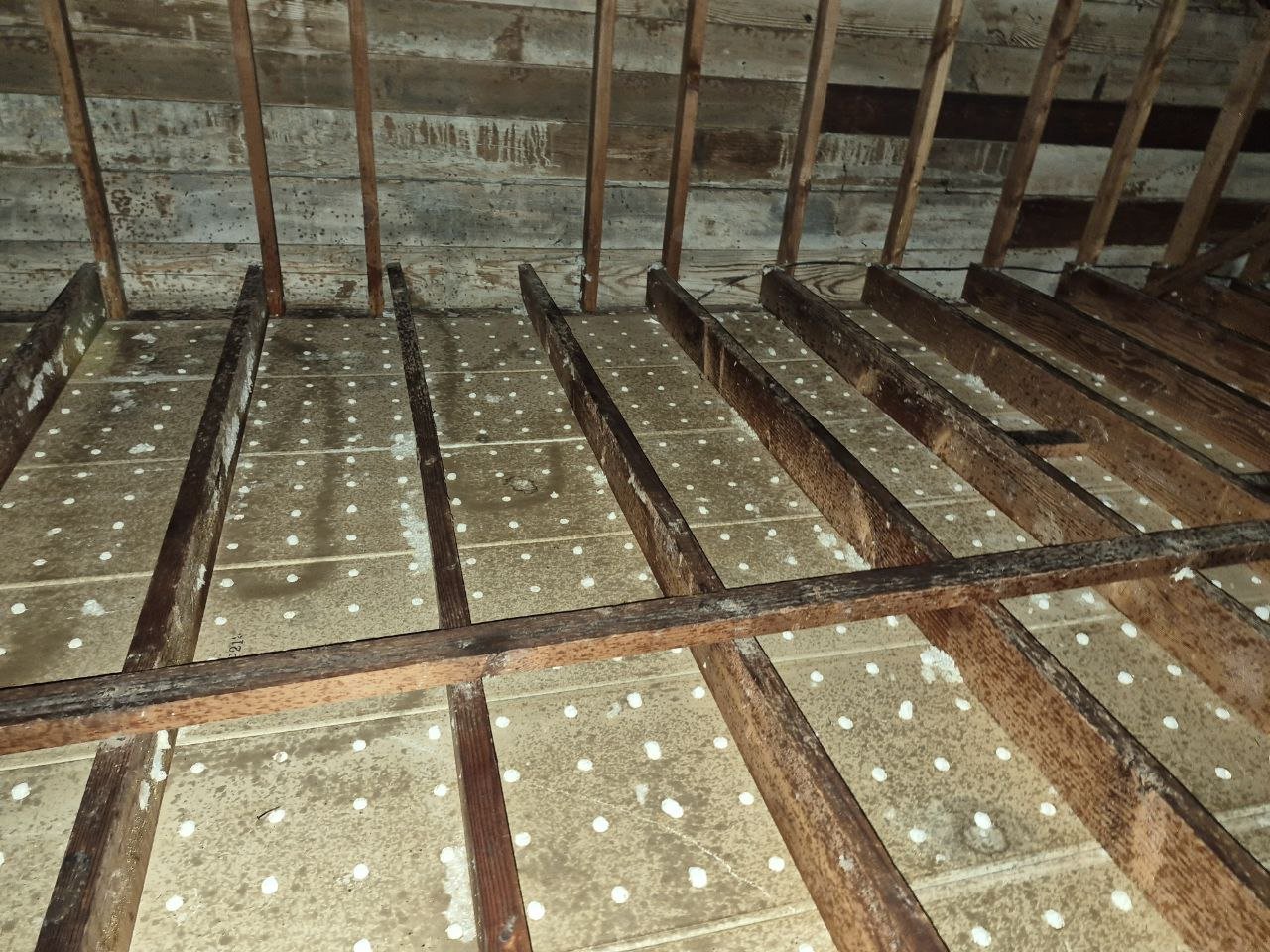
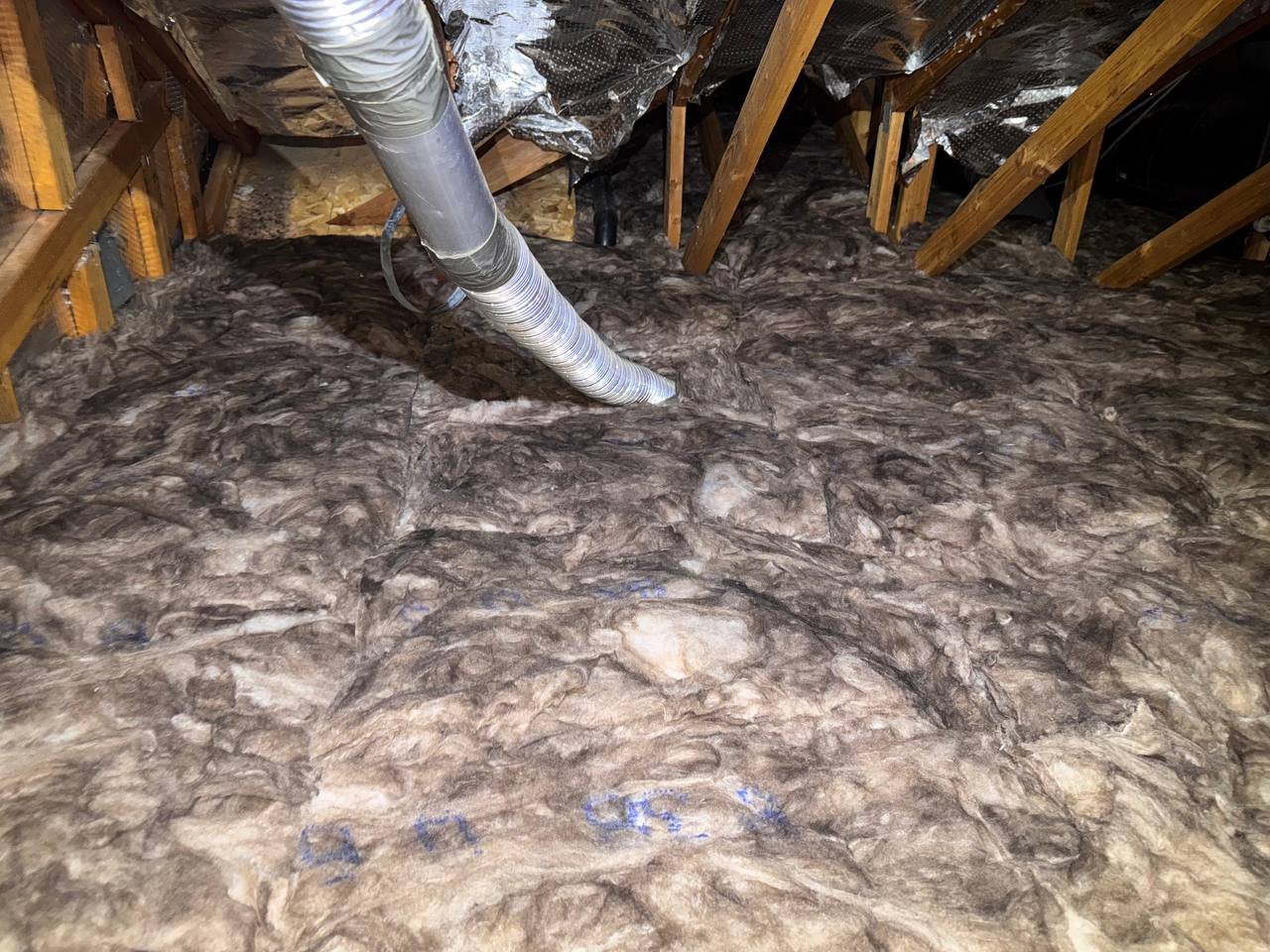
Concord, CA 94519: insulation replacement and rodent proofing (February 2026)
In February 2026, our crew completed this Concord attic insulation replacement and rodent proofing job across a 1,200 sq ft attic. Thin, patchy grey loose-fill came out with a heavy-duty vacuum, and the attic deck was cleaned and sanitized with OdoBan. Entry points were closed with wire mesh, polyurethane foam and cement, and the gaps around fixtures, piping, wiring and vents were air-sealed in the same pass. New R-30 16-inch fiberglass batts went down on the clean, sealed surface, and the rodent proofing on this job carries the 1-year warranty.
Concord, CA 94521: preventive rodent proofing (September 2026)
Sealing also makes sense before rats get in. On this preventive rodent proofing project in Concord, completed in September 2026, the inspection found no rodent activity. Our crew still closed the likely entry points with wire mesh, polyurethane foam and cement. The old pink loose-fill was removed, the attic was sanitized with OdoBan and air-sealed, and new R-38 16-inch batts were installed across 1,400 sq ft. An attic fan was also added. When insulation is being replaced anyway, the attic floor is already exposed, which makes it a practical moment to close the openings.
Richmond, CA 94805: attic and crawl space with severe rodent activity (August 2026)
This attic and crawl space job in Richmond, completed in August 2026, shows why air sealing and rodent proofing belong together. We found severe rodent activity in the attic and crawl space: droppings, nests and contaminated material, with open gaps around fixtures, piping, wiring and vents that rodents were using to come and go. The openings that leak air are usually the ones rodents use. We removed the old insulation, vacuumed out the rodent waste and sanitized the space with OdoBan, then sealed the entry points with wire mesh, polyurethane foam and cement, with air sealing in the same pass. New R-38 blown insulation went in last.
Vacaville, CA 95688: mixed old layers and sealed penetrations (June 2026)
In June 2026, our crew finished this attic rodent proofing and insulation installation in Vacaville in a 1,200 sq ft attic. Mixed old layers, grey loose-fill over pink batts, were removed, and the droppings, nests and debris were vacuumed out. After OdoBan sanitation, the corners, penetrations and flue were closed with wire mesh and foam, and the attic floor was air-sealed. New R-38 24-inch fiberglass batts finished the job.
We serve Concord, Richmond and Vacaville, along with nearby cities such as Martinez, Pleasant Hill, El Cerrito, San Pablo, Vallejo, Benicia and Fairfield, from our San Francisco Bay Area office in San Leandro.
What Drives the Price of Rodent Proofing?
The price depends on the size and condition of the attic or crawl space and on which added issues you choose to fix. Square footage is part of the price, so our on-site estimator takes measurements during the free inspection.
- Size. A larger attic or crawl space means more area to inspect, seal and, if needed, clean and reinsulate.
- Condition. Droppings, nests and contaminated insulation mean removal and cleanup before sealing, with sanitation when needed. Clean, dry insulation that has only settled may be topped up rather than replaced, and we explain what can stay in place.
- Scope you choose. Some homes need entry-point sealing on its own; others need the full sequence. We explain which steps the space needs and work out the approach with you.
You get a transparent proposal by email with exact prices and service details, and no hidden charges or upfront fees. Our estimates list the fee for each service separately. We can also send an estimate without an in-person inspection, and financing and rebates are available.
The 1-Year Rodent Proofing Warranty, in Plain Terms
AtticareUSA's rodent proofing is a one-time, subscription-free job backed by a written warranty. Here is the exact wording:
Rodent proofing has a written 1-year limited warranty on the treated areas (not living spaces or garages): new rodent entry points found within the year are sealed at no additional charge, subject to the listed exclusions, and the warranty transfers to the next owner if the home is sold.
In practice, that means:
- What it covers: the treated areas, meaning the parts of the home where our crew did the rodent proofing, not living spaces or garages.
- If rats find a new way in: new rodent entry points found within the year are sealed at no additional charge, subject to the listed exclusions.
- If you sell: the warranty transfers to the next owner, a useful item to hand a buyer.
Unlike an exterminator's recurring service contract, rodent proofing is a one-time job, and the warranty covers the treated areas for the year that follows.
Frequently Asked Questions About Rodent Proofing
Most questions about rodent proofing come down to why rats return, what happens to the insulation, and when to seal. Here are short answers.
Why do rats come back after I've had them trapped?
Trapping removes the rats inside, but the openings they used stay open, and the old insulation keeps the scent trails that guide new rats to the same spots. Closing the entry points and cleaning out contaminated material is what changes the pattern.
Do I have to replace my insulation?
It depends on its condition. AtticareUSA removes insulation with droppings, urine staining or nesting debris, and insulation that has been chewed or heavily compressed. Clean, dry insulation that has only settled may be topped up rather than replaced. When replacement is needed, we install new insulation last, after the attic is cleaned and sealed.
Should I seal my attic if I haven't seen rats yet?
It can be a smart time to do it. On the preventive Concord job above, we found no rodent activity and still closed the likely entry points while the attic floor was exposed for new insulation. Sealing entry points helps reduce the chance of future rodent entry.
I already have a quote from another company. Can you compare it?
Yes. Homeowners with another contractor's quote can get a free second-opinion inspection from us and a written proposal they can compare. You can also attach a competitor's quote to the AtticareUSA Better Quote Tool for one of our specialists to review.
Book a Free Attic Rodent Proofing Inspection
If rats keep getting back into your attic in Concord, Richmond or Vacaville, the next step is to find out exactly how they are getting in. Attic rodent proofing starts with a free inspection: we check the attic or crawl space for rodent activity and possible entry points, report what we find, and send a transparent proposal with each service priced separately.
AtticareUSA has been in business since 2012, is highly rated with 1400+ reviews, and has helped over 11,000 clients. We are family-owned, licensed, insured, and bonded (CA #1051462), and BPI-certified. We are also reviewed by customers on Google, Yelp and Angi, and Diamond Certified after an independent survey of past customers.
Schedule a free inspection to find how rodents are getting in.
Sources
- Centers for Disease Control and Prevention, Rodent Control: https://www.cdc.gov/healthy-pets/rodent-control/index.html
- U.S. Environmental Protection Agency, Identify and Prevent Rodent Infestations: https://www.epa.gov/rodenticides/identify-and-prevent-rodent-infestations