If the scratching came back a few weeks after the traps went out, what your home needs is attic rodent proofing, because the opening the rats used is still there. AtticareUSA is the attic company that finds and seals the entry points rats reuse, in homes across Sacramento, Elk Grove, Roseville and Folsom and in Tracy. Start with a free AtticareUSA inspection that shows you where rodents are getting in.
At a glance
- Find the entry points first: traps remove the rats inside, but an open gap lets the next ones in.
- Remove live rats before sealing: a licensed pest control provider handles that step, then our crew takes over.
- Clean before you seal and insulate: droppings and soiled insulation leave a scent trail that draws rodents back.
- Seal with chew-resistant materials: we use wire mesh, polyurethane foam and cement as needed, pesticide-free.
- Get the warranty in writing: ours is a written 1-year limited warranty on the treated areas that covers new entry points and transfers to the next owner.
The short answer: if rats keep getting back into your Sacramento or Tracy attic, trapping removes the animals but leaves the way in open. What stops the return is rodent exclusion: an inspection that finds the entry points, then sealing them with materials rats cannot easily chew through. AtticareUSA does this work across the Sacramento area and in Tracy. Our rodent proofing is pesticide-free, with entry points sealed with wire mesh, polyurethane foam and cement as needed. It is a one-time, subscription-free job instead of a recurring service contract, and it carries a written 1-year limited warranty on the treated areas that covers new entry points found within the year and transfers to the next owner. If rats are still active, a licensed pest control provider removes them first. Then our crew cleans, seals and restores the attic.
Why do rats keep getting back into the attic?
Rats come back because the way in is still open and the attic still smells like a place rodents have lived. Trapping solves today's problem. Sealing the entry points and clearing out the old nesting material deals with the next one.
Traps remove rats, sealing removes the route
A trap catches the rat that is already inside. The gap at the roofline, the open vent or the space around a pipe that let it in is still there, so the next rodent uses the same path. That is the familiar cycle: traps, a quiet week or two, then noises again. The job is not complete until the path back in has been addressed.
The scent trail in old insulation
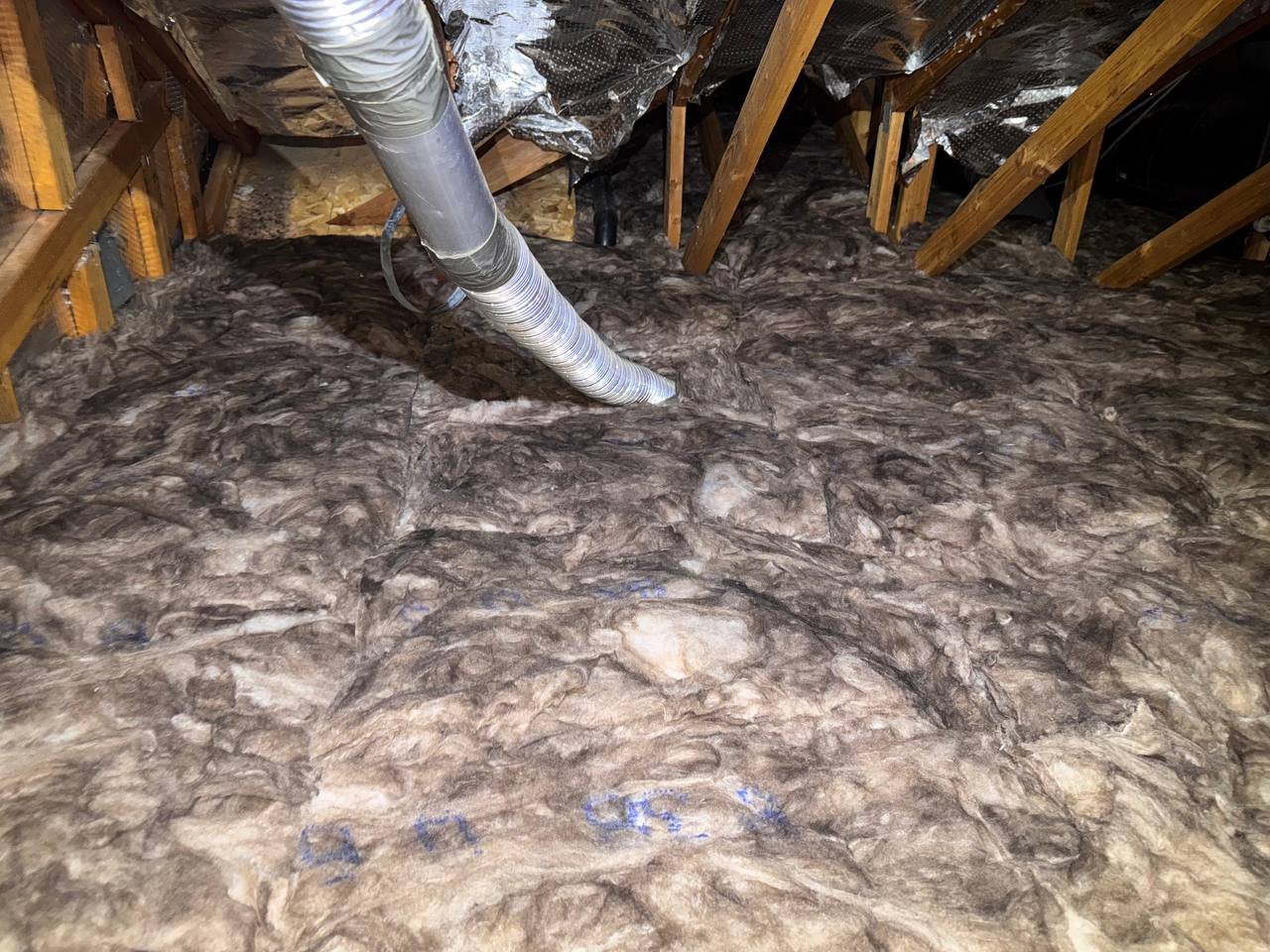
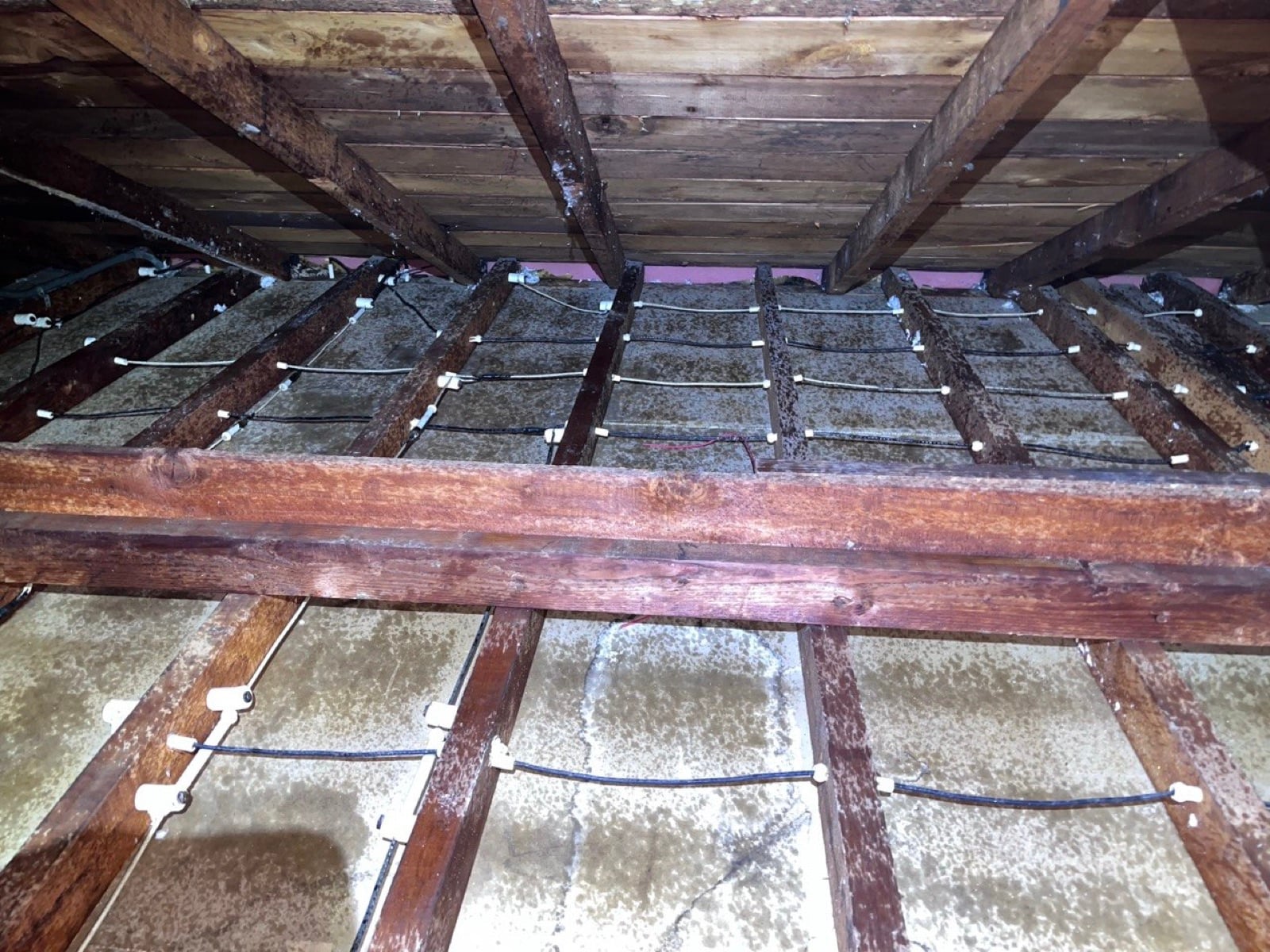
The insulation is often where the evidence is hiding. Droppings, urine and nesting material left in it keep marking the attic as a place rodents have used. We vacuum droppings and nests out with the old insulation, and we can then sanitize the attic to cut the leftover scent trails that draw new rodents back. The CDC's guidance on cleaning up after rodents treats droppings, urine and nesting material as things to handle carefully, which is one more reason cleanup belongs in the plan alongside the sealing.
Who does rodent exclusion and entry-point sealing in Sacramento and Tracy?
AtticareUSA does rodent exclusion and entry-point sealing for homes across the Sacramento area and in Tracy. We specialize in rodent exclusion (sealing entry points), attic cleanup, sanitation and restoration: we find the way in, close it, clean the attic and put new insulation back.
Our rodent proofing services combine sealing and exclusion with cleanup and insulation restoration. We match the material to each opening, using wire mesh, polyurethane foam and cement as needed, and the work is pesticide-free. Sealing entry points helps reduce the chance of future rodent entry. Because rodent proofing is a one-time, subscription-free job, you pay for the work your attic needs and nothing recurring after it.
In the Sacramento area we serve Sacramento, Elk Grove, Roseville, Folsom, Citrus Heights, Rancho Cordova, West Sacramento, Davis and nearby cities, and our recent work there includes a 932 sq ft attic in ZIP 95821 finished in August 2026. In Tracy, our recent jobs include a 1,450 sq ft attic in ZIP 95376 finished in June 2026.
If rats are still living in the attic
If you hear activity every night or keep finding fresh droppings, a licensed pest control provider is the right first call, and that provider removes the live rodents first. Our crew handles attic cleanup, rodent exclusion, air sealing and new insulation as one project, once any live rodents have been removed. In that order, the sealing goes in after the animals are out, and the new insulation goes into a clean attic.
Where do rats get into an attic?
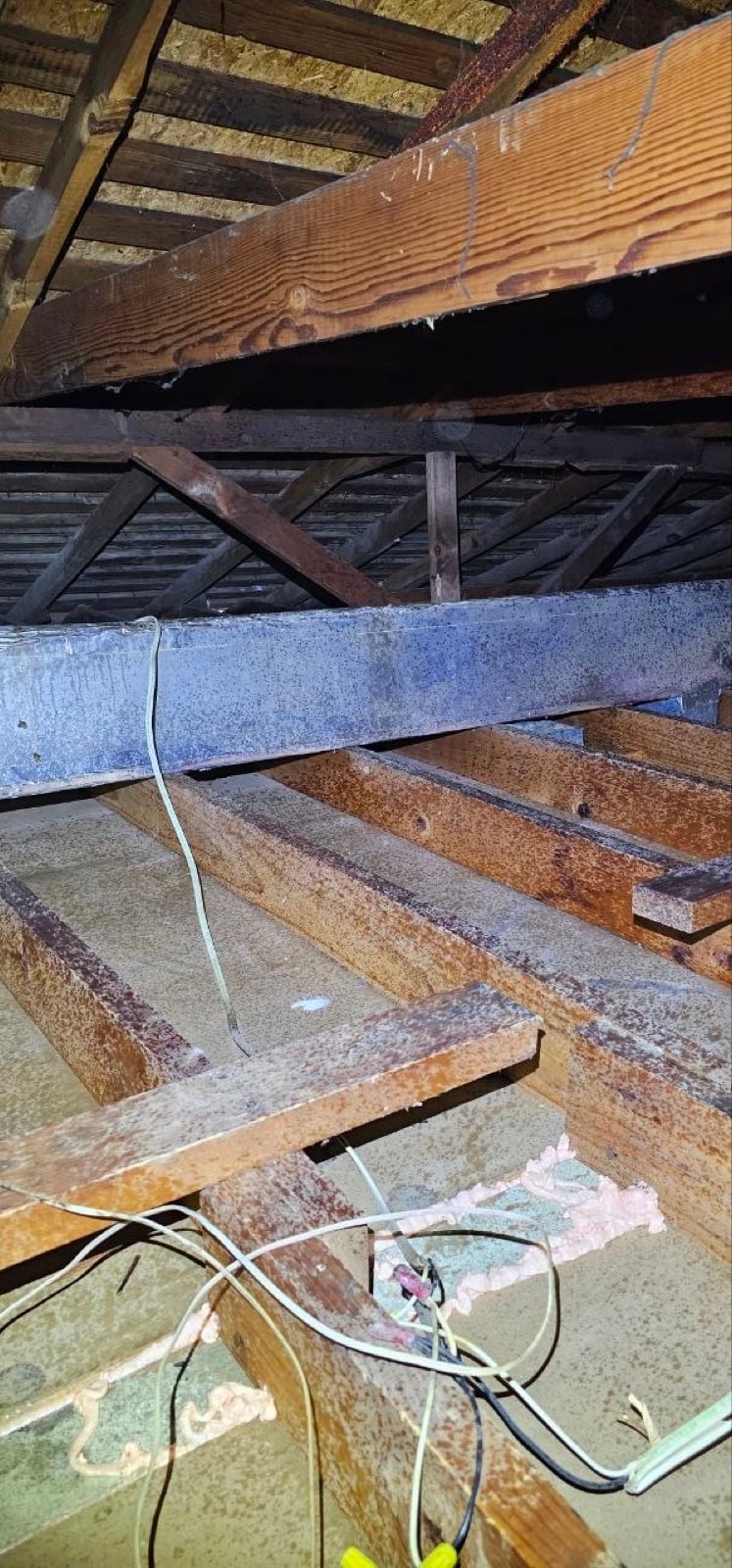
Rats usually reach an attic through roofline gaps, vents, crawl space openings, utility penetrations and construction openings. One home can have several of these, which is why a full inspection matters more than any single patch.
Common entry points include:
- Roofline gaps, where roof edges, fascia and eaves meet
- Vents, including attic and foundation vents
- Crawl space openings
- Utility penetrations, the gaps around pipes, wires and lines that enter the home
- Construction openings left from additions, repairs or past work
Rodents can come in low as well as high, so our inspection checks the attic or crawl space for rodent activity and possible entry points. For what to watch for around your own home, see our guide to identifying household entry points for rodents. The EPA's guidance on identifying and preventing rodent infestations also builds prevention around finding and closing the openings rodents use.
How AtticareUSA seals attic entry points, step by step
We work in a fixed order: inspect, clean when needed, seal the entry points, air seal the attic floor, then install new insulation last. Each step prepares the attic for the next, so new insulation goes in only once the problem under it is resolved.
- Free inspection and findings. We check the attic or crawl space for rodent activity and possible rodent entry points, report the findings to you, and take measurements for the estimate.
- Protect the home. Our crew covers floors in the work area with protective barriers as needed and sets up plastic partition walls or dust-barrier tunnels where required.
- Cleanup when needed. We remove old and contaminated insulation with a heavy-duty vacuum along with rodent droppings, nests and debris, then haul it away and dispose of it. When needed, we treat the work area with OdoBan disinfectant and odor eliminator to address rodent odors and pheromones.
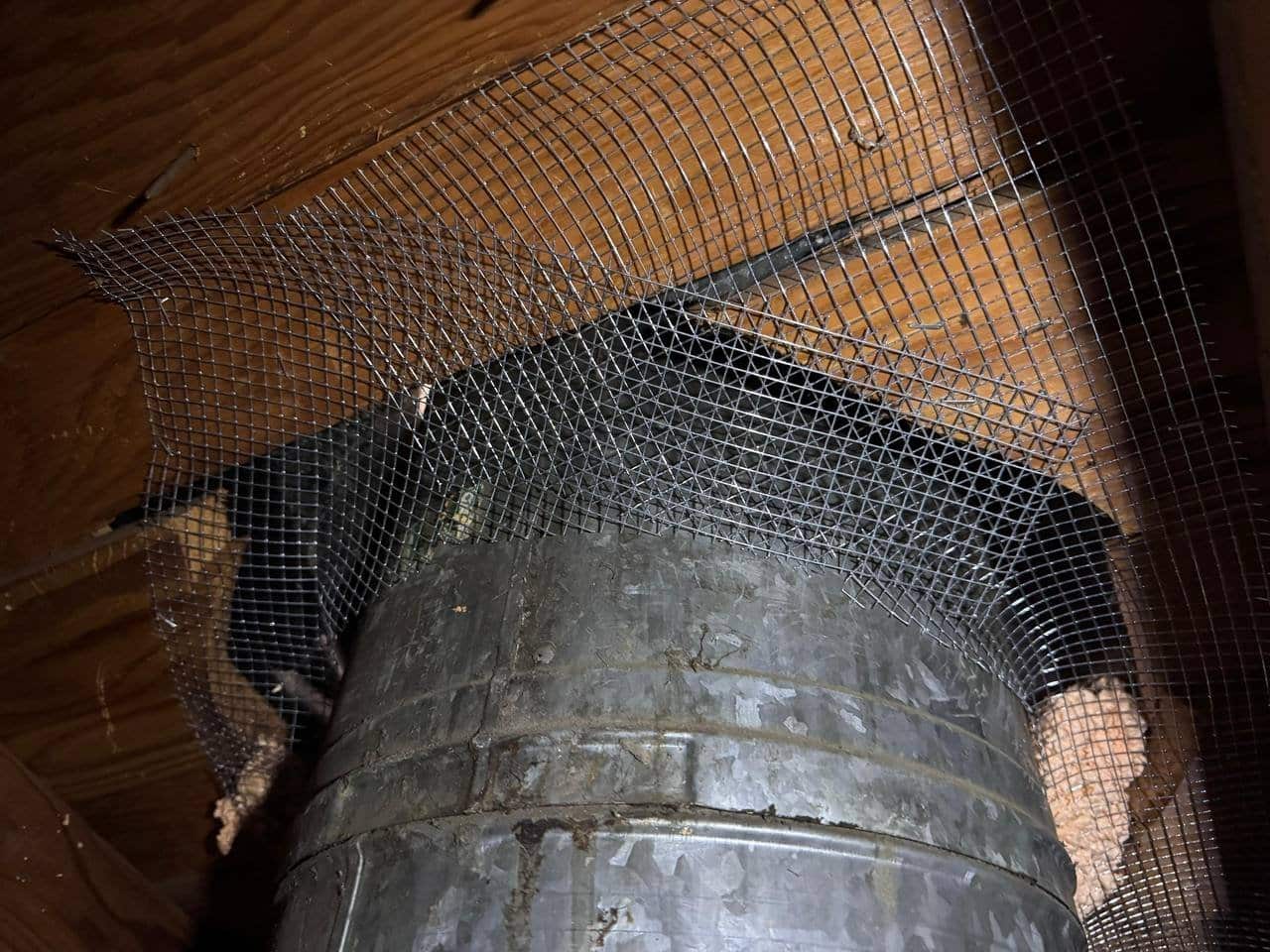
- Seal the entry points. We close the openings with wire mesh, polyurethane foam and cement as needed, pesticide-free.
- Air seal the attic floor. We close gaps and cracks around fixtures, piping, wiring and vents on the attic floor with foam and caulk.
- New insulation last. New insulation goes in after cleanup and sealing, installed to the depth and R-value the home needs.
Why the order matters
Each step protects the one after it. A clean attic can become contaminated again if entry points are left open, so sealing comes before new insulation. Insulation laid over old, soiled material keeps the odors and contamination in place underneath, which is why new insulation goes onto a clean, sealed attic floor. Air sealing has to happen while that floor is bare and reachable, which matches ENERGY STAR's attic air sealing guidance: seal first, then insulate. Our article on why the order of operations in attic cleanup after rodents matters explains the full reasoning.
Trapping, exclusion, or exclusion plus cleanup: which do you need?
Trapping handles the rats inside. Exclusion closes the way in. Exclusion plus cleanup and new insulation also removes the contamination and scent the rats left behind. The inspection shows which one your attic needs.
| Trapping only | Rodent exclusion | Exclusion plus cleanup and new insulation | |
|---|---|---|---|
| Who does it | A licensed pest control provider | AtticareUSA | AtticareUSA, after any live rodents are removed |
| What it addresses | Rats already inside | The entry points rats use | Entry points, droppings, nests, contaminated insulation and attic floor air leaks |
| What stays in the attic | Open entry points and old nesting material | Old insulation, if it was not contaminated | A clean, sealed attic with new insulation |
| Materials | Traps | Wire mesh, polyurethane foam and cement as needed | Sealing materials, foam and caulk for air sealing, new insulation |
| Best fit when | Rats are still active | Rats are gone and the insulation is clean | Droppings, nests or soiled insulation are present |
We explain what can stay in place before we recommend removal. Clean, dry insulation that has only settled may be topped up rather than replaced.
What does the 1-year rodent proofing warranty cover?
AtticareUSA's rodent proofing comes with a written warranty, and here it is in full:
"Rodent proofing has a written 1-year limited warranty on the treated areas (not living spaces or garages): new rodent entry points found within the year are sealed at no additional charge, subject to the listed exclusions, and the warranty transfers to the next owner if the home is sold."
In plain words:
- It is written. You have the terms on paper.
- It lasts 1 year.
- It covers the treated areas. Living spaces and garages sit outside its scope.
- New entry points count. New rodent entry points found within the year are sealed at no additional charge.
- The listed exclusions apply.
- It transfers. If you sell the home, the warranty passes to the next owner.
Our rodent proofing is a one-time, subscription-free job, so the warranty comes with the work itself, with no monthly plan attached.
Questions to ask any company about its exclusion warranty
Whoever you hire, these questions make the fine print clear before you sign:
- Which areas of the home does the warranty cover?
- If rodents find a new entry point during the warranty period, is sealing it included?
- Does the warranty transfer if I sell the home?
- Do I have to keep paying for a monthly plan to keep the warranty active?
Real AtticareUSA jobs in Sacramento and Tracy
These jobs show the same order of work on real Sacramento and Tracy attics: inspection, cleanup, sealing, air sealing and new insulation last.
Sacramento, CA 95821 (completed August 9, 2026)
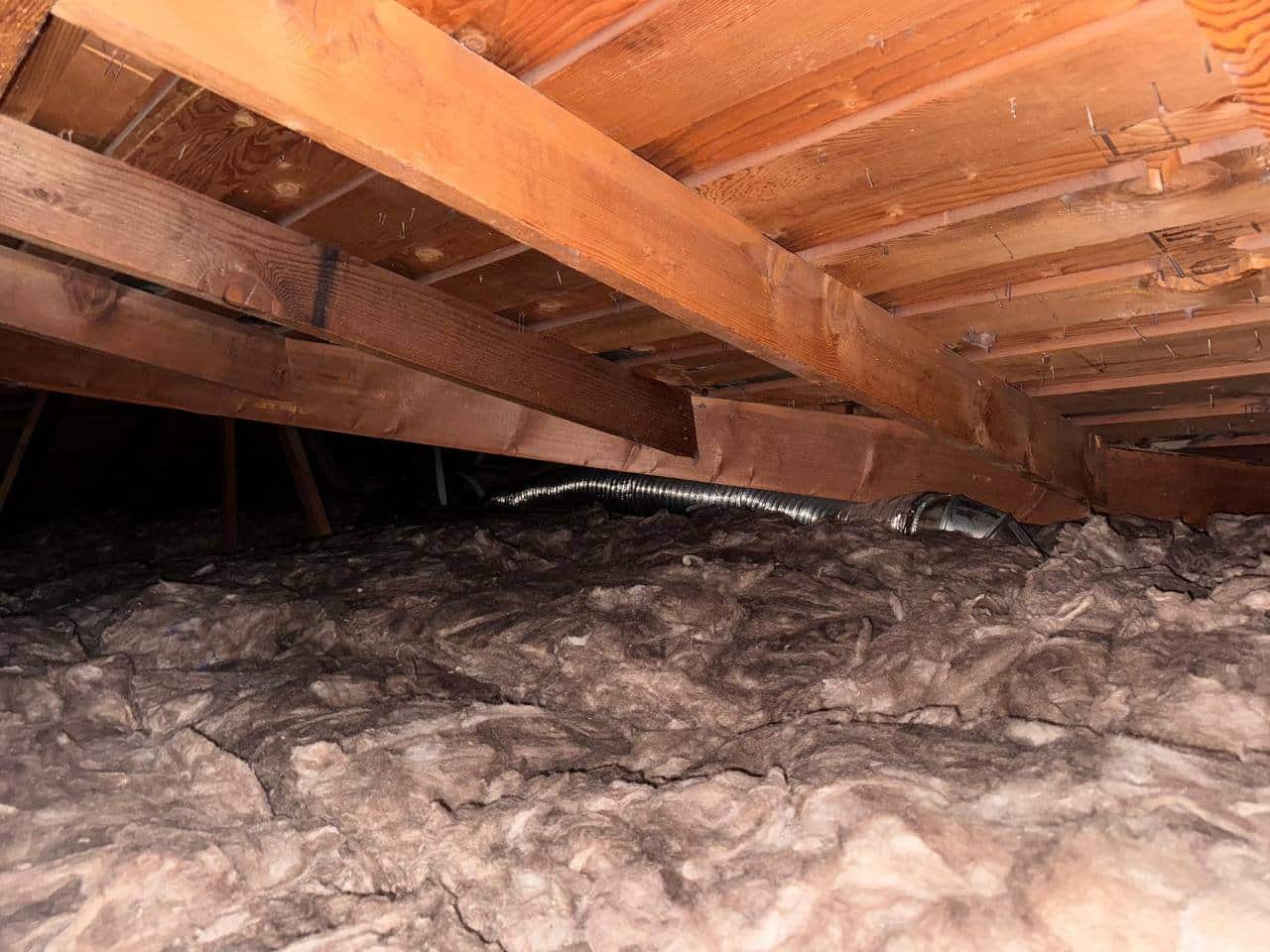
On this Sacramento attic insulation replacement and rodent proofing job, our free inspection found severe rodent activity across a 932 sq ft attic: droppings, nests and contaminated material throughout the space, and open gaps around fixtures, piping, wiring and vents that rodents were using. Our crew set up floor and dust barriers, removed the old insulation with a heavy-duty vacuum down to bare joists, vacuumed out rodent waste, droppings and nesting material, and treated the surfaces with OdoBan. We sealed the entry points with wire mesh, polyurethane foam and cement and air-sealed the gaps around fixtures, piping, wiring and vents in the same pass. New R-38 fiberglass batts went in last, on the clean, sealed deck.
Tracy, CA 95376 (completed June 23, 2026)
This Tracy attic insulation removal and rodent proofing job covered 1,450 sq ft of flattened old insulation, debris and moderate rodent activity, in an attic that held its heat with little air movement. Our crew put down floor barriers and dust-barrier tunnels, removed the old insulation with a heavy-duty vacuum, vacuumed out droppings and nests, and applied OdoBan. We closed the entry points with wire mesh, polyurethane foam and cement, air-sealed the gaps around fixtures, piping, wiring and vents, installed a fan for attic ventilation and laid new R-38 fiberglass batts. The sealed entry points on this job carry the 1-year rodent proofing warranty.
Earlier jobs in Tracy and Sacramento
On an earlier attic cleanup and rodent proofing job in Tracy, listed in April 2019, the inspection led to attic cleanup and insulation replacement. We removed the old insulation with a vacuum and removal tubes, cleaned the attic, rodent-proofed it by sealing the holes and gaps we found, and installed batt insulation to California building code.
On a Sacramento attic cleaning and blown-in insulation job, listed in March 2019, the existing insulation was below the R-19 Title 24 level. Working in protective gear behind plastic coverings, we removed the old insulation with a heavy-duty vacuum, sanitized the area, sealed air leaks, rodent-proofed the attic and installed new blown-in insulation to code.
What drives the price of attic rodent proofing?
The price of attic rodent proofing depends on the size and condition of your attic, how many entry points need sealing, and what else you choose to fix, such as cleanup or new insulation. The inspection and estimate are free.
Our on-site estimator measures the square footage of the attic or crawl space. An attic with heavy droppings and soiled insulation needs more cleanup than one with light activity, and more openings mean more sealing work. Our estimates list the fee for each service separately, with no hidden fees, so you can see what cleanup, sealing, air sealing and new insulation each cost. We can also send an estimate without an in-person inspection if that suits you. If you already have another company's quote, attach it to our Better Quote Tool for one of our specialists to review, or book a free second-opinion inspection and get a written proposal to compare. Financing and rebates are available.
Frequently asked questions
Do I need traps or exclusion first?
If rats are still active in the attic, a licensed pest control provider removes them first. Once the live rodents are gone, we seal the entry points and, when the inspection calls for it, clean the attic and install new insulation. If the activity has already stopped, you can start with our free inspection.
Does rodent proofing use poison?
AtticareUSA's rodent proofing is pesticide-free. We seal entry points with wire mesh, polyurethane foam and cement as needed, matched to the size and location of each opening.
What does the warranty cover if rats find a new way in?
New rodent entry points found in the treated areas within the year are sealed at no additional charge, subject to the listed exclusions. The coverage applies to the treated areas rather than living spaces or garages, and it passes to the next owner if you sell the home.
Do I have to sign up for a monthly plan?
Our rodent proofing is a one-time, subscription-free job. You pay for the work on the estimate, and the 1-year warranty comes with the rodent proofing itself.
Should the insulation be replaced after rats?
We remove insulation that holds droppings, urine staining or nesting debris, or that has been chewed or heavily compressed. Rodent-contaminated insulation is replaced, not topped up, because a new layer on top leaves the odors and contamination in place. New insulation goes in only after the attic is cleaned and sealed.
Do you work in Tracy, Elk Grove and Roseville?
AtticareUSA works in Tracy and serves Sacramento, Elk Grove, Roseville, Folsom, Citrus Heights, Rancho Cordova, West Sacramento, Davis and nearby cities. Attic rodent proofing, cleanup and new insulation are available across all of them, and you can request an inspection through our contact page.
Schedule a free inspection to find how rodents are getting in
The way out of the cycle of traps and new noises is attic rodent proofing: find the openings and close them. A free AtticareUSA inspection checks your attic for rodent activity and entry points and reports what we find. You then get an estimate that lists each service separately, so you decide what to fix.
We have been in business since 2012, are highly rated with 1400+ reviews and have helped over 11,000 clients. Customers review us on Google, Yelp and Angi. We are Diamond Certified, BPI-certified, and licensed, insured and bonded (CA #1051462). Before-and-after photos are available upon request.
Schedule a free inspection to find how rodents are getting in.
Sources
- Centers for Disease Control and Prevention, guidance on cleaning up after rodents: https://www.cdc.gov/healthy-pets/rodent-control/clean-up.html
- U.S. Environmental Protection Agency, guidance on identifying and preventing rodent infestations: https://www.epa.gov/rodenticides/identify-and-prevent-rodent-infestations
- ENERGY STAR, attic air sealing project guidance: https://www.energystar.gov/saveathome/seal_insulate/attic-air-sealing-project