
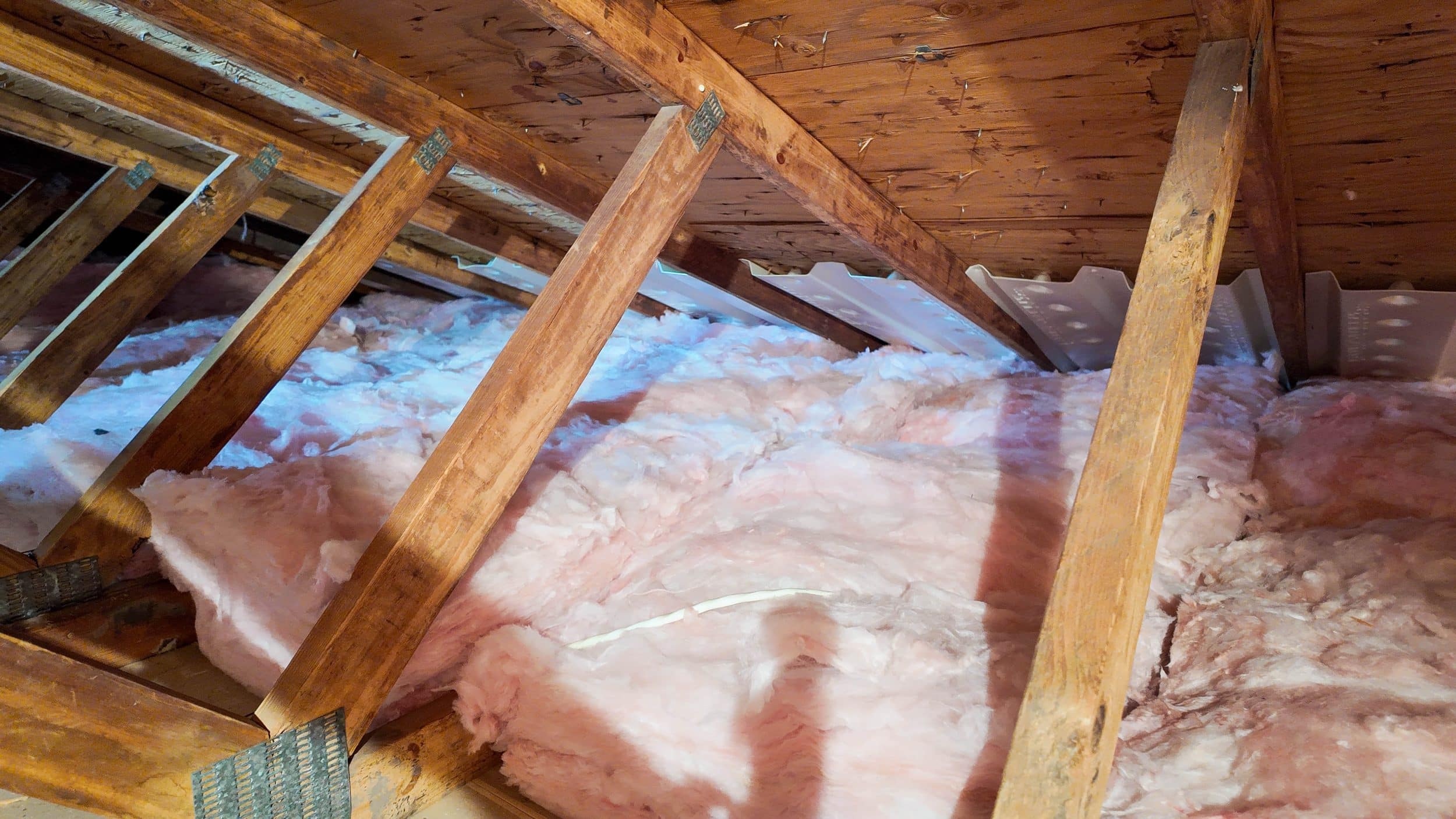
Attic insulation Anaheim homeowners add to their homes is supposed to improve comfort — so why is your house still hot? If you paid for new insulation and your upstairs rooms still feel like an oven by mid-afternoon, you’re not imagining it. The insulation itself usually isn’t defective. What’s underneath it is the issue.
In most cases, air leaks between your living space and attic were never sealed before the insulation went in. Conditioned air escapes into the attic. Hot attic air infiltrates your rooms. The insulation sits on top of the problem instead of solving it.
The fix requires the right sequence: inspect the attic, clean and sanitize the space, seal air leaks, rodent-proof entry points, then install new insulation as the final step — not the first one.
At a glance
- Inspect first — find air leaks, contamination, and damage that insulation alone can’t fix
- Clean and sanitize the attic — remove debris, droppings, and odor sources before any restoration work
- Seal air leaks, then rodent-proof entry points — stop conditioned air from escaping and pests from returning
- Install new insulation last — insulation locks in the work beneath it, so the attic must be ready first
- Book a free inspection — find out what was missed and get a clear plan to fix it
Why Insulation Alone Doesn’t Fix Comfort Problems in Anaheim
Short answer: Insulation slows heat transfer, but it doesn’t stop air movement. If your attic has unsealed gaps, conditioned air leaks out and hot attic air leaks in — regardless of how much insulation is piled on top.
Anaheim attics can reach 140–160°F during summer. That’s extreme thermal stress pressing down on your ceiling from April through October — sometimes longer. Orange County doesn’t get the thermal break that homes in cooler climates enjoy. When air leaks exist, that superheated attic air has a direct path into your living space.
How Hot Anaheim Attics Actually Get
Southern California’s long cooling season means your attic absorbs heat for six to eight months straight. Every unsealed gap compounds the problem over months, not days. This is why the “add more insulation” approach so often fails here.
The attic insulation Anaheim contractors install often doesn’t deliver the comfort improvement homeowners expect. The insulation is doing its job as a thermal barrier. But a thermal barrier is not an air barrier.
The Difference Between a Thermal Barrier and an Air Barrier
Insulation resists heat transfer through conduction — it slows heat moving through solid materials. But insulation does almost nothing to stop air from moving through gaps, cracks, and penetrations in your ceiling.
Air sealing stops conditioned air from escaping and stops unconditioned air from entering. According to the U.S. Department of Energy, reducing air leaks is one of the most cost-effective ways to improve comfort and energy efficiency.¹ The two work together. Air sealing first, then insulation. When contractors skip the air sealing step, the insulation can’t perform the way it should.
The 3 Most Common Reasons New Attic Insulation Anaheim Homes Receive Doesn’t Work
Short answer: Most insulation failures trace back to three problems: air leaks that were never sealed, old contaminated insulation that wasn’t removed, or insulation installed before the attic was ready for it.
Reason 1 — Air Leaks Were Never Sealed
The most common cause. Your ceiling has dozens of penetrations: recessed light fixtures, electrical boxes, plumbing vents, HVAC registers, the attic hatch, and gaps along the top plates where interior walls meet the ceiling framing.
Each penetration is a potential air leak. When those gaps aren’t sealed before insulation is installed, your AC fights a losing battle. Cooled air escapes into the attic. Hot attic air drops into your living space. Your system runs constantly and your rooms never reach a comfortable temperature.
Air sealing these penetrations is a standard step in proper attic work. ENERGY STAR’s attic air sealing guidance identifies sealing air leaks as a critical first step before adding insulation.² But many insulation-only jobs skip it because it takes time and isn’t visible once insulation covers the attic floor.
Reason 2 — Old or Contaminated Insulation Wasn’t Removed First
Layering new insulation over old material seems efficient. But if the existing insulation is compressed, water-damaged, or contaminated with rodent droppings and nesting material, the new layer locks in the problem.
Rodent contamination is common in Orange County homes. Warm winters mean pests stay active year-round — there’s no cold season to slow them down. The CDC recommends careful handling of rodent droppings, urine, and nesting materials due to potential health concerns.³ These contaminants don’t disappear under new insulation. They continue affecting your home — contributing to odors, attracting more pests, and potentially compromising indoor air quality.
The old insulation may also be hiding damage: moisture stains, deteriorated ductwork, gaps that need sealing. If no one removed the old material to inspect the attic floor, those problems remain unaddressed.
Reason 3 — The Insulation Was Installed Before the Attic Was Ready
Insulation should be the final step in attic restoration, not the first. If the attic has rodent entry points, damaged ducts, debris, or unsealed air leaks, installing insulation just buries those problems.
This is the fundamental sequencing error. The attic needs to be inspected, cleaned, sanitized, sealed, and rodent-proofed before insulation makes sense. Installing insulation first — or over unresolved problems — is why so many Anaheim homeowners end up frustrated and still uncomfortable.
What Should Happen Before New Insulation Is Installed
Short answer: The correct sequence is inspect, clean, sanitize, seal air leaks, rodent-proof entry points, then install insulation last. Skipping steps is why insulation jobs fail.
Atticare USA uses a 5-step solution designed around this sequence. Each step prepares the attic for the next.
Step 1 — Inspect the Attic to Find What’s Actually Wrong
A proper inspection identifies air leak locations, insulation condition and depth, signs of contamination, duct condition, ventilation issues, and rodent entry points. This is the diagnostic step that tells you what’s actually happening in your attic — not just what’s visible from the hatch.
Most contractors who install insulation without inspecting first are guessing. The inspection is what turns guessing into a plan.
Step 2 — Remove Contaminated or Damaged Insulation
When removal is necessary, it’s usually because the existing material is contaminated, water-damaged, heavily compressed, or preventing access to the attic floor for inspection and sealing. Removal exposes what’s underneath so the crew can address the real conditions.
Step 3 — Clean and Sanitize the Attic Space
After insulation is removed, the attic floor is exposed. Attic cleaning addresses droppings, nesting material, dust, and debris. Sanitization addresses odors where appropriate. Cleaning and sanitizing are mandatory steps — not optional — because installing new insulation over a dirty attic floor just recreates the problem.
Step 4 — Seal Air Leaks and Rodent-Proof Entry Points
Two types of sealing happen at this stage. Air sealing closes the gaps where air moves between your living space and the attic — around fixtures, penetrations, and framing connections. Rodent proofing then closes the gaps where pests enter the attic from outside.
The Department of Energy’s attic air sealing guide details the specific locations and techniques for sealing common attic air leaks.⁴ Both air sealing and rodent proofing happen before insulation because insulation will cover these areas. If they’re not sealed now, they won’t be sealed at all.
Step 5 — Install New Insulation as the Final Layer
Insulation is the last step because it locks in everything beneath it. When the attic floor is clean, sanitized, sealed, and free of contamination, the new insulation can perform the way it’s designed to. This is why proper sequencing matters more than the insulation type or R-value.
How to Tell If Your Attic Needs More Than Insulation
Short answer: If your home is still uncomfortable after adding insulation, look for signs of air leaks, contamination, or sequencing problems that point to missed steps.
Signs of Air Leaks
- Upstairs rooms that won’t stay cool even when the AC runs constantly
- Noticeable temperature differences between floors
- Drafts near ceiling fixtures or the attic hatch
- Energy bills that didn’t improve after insulation was added
Signs of Contamination or Hidden Damage
- Persistent odors with no obvious source
- Rodent droppings visible near the attic hatch or in the garage ceiling area
- Staining or discoloration on existing insulation
- Musty smell when the HVAC system runs
Signs the Insulation Was Installed Over Problems
- A recent insulation job that didn’t improve comfort
- Insulation installed without anyone assessing the attic’s existing condition first
- No discussion of air sealing, cleaning, or removal during the project
Why Anaheim’s Climate Makes This Problem Worse
Short answer: Anaheim’s long cooling season and year-round rodent activity mean attic problems compound faster and stay active longer than in milder climates.
Long Cooling Season, Constant Attic Heat Load
Anaheim doesn’t get a thermal break. Your attic absorbs heat from April through October — sometimes longer. Any air leak, any gap in the building envelope, any problem with insulation performance adds up over six to eight months of sustained heat.
Many Anaheim homes were built decades ago. Older construction often has more penetrations, less air sealing, and attic access through attached garages — all of which create opportunities for air leaks and pest entry. The climate doesn’t forgive shortcuts.
Year-Round Rodent Pressure
Warm winters mean rodents stay active all year in Orange County. The CDC notes that rodent infestations can be identified by signs such as droppings, gnaw marks, and nesting materials.⁵ Contamination can happen any time, and insulation installed over rodent evidence becomes a recurring problem — not a fix.
What a Proper Attic Inspection Should Reveal
Short answer: A real inspection identifies air leak locations, insulation condition, contamination signs, duct condition, and rodent entry points — then explains what each finding means for your home.
What the Inspector Looks For
- Air leak locations around penetrations, fixtures, and framing
- Insulation type, depth, and condition
- Signs of rodent activity or contamination
- Ductwork condition and connections
- Ventilation adequacy
- Moisture indicators
What You Should Receive After the Inspection
You should understand what was found, what it means, and what the recommended service sequence is. Atticare USA provides a written proposal outlining the recommended scope of work and pricing — no hidden charges or upfront fees. Before-and-after photos are available upon request.
Frequently Asked Questions
Why is my house still hot after I added attic insulation?
Usually because air leaks weren’t sealed before insulation was installed. Insulation slows heat transfer but doesn’t stop air movement. Unsealed gaps let hot attic air into your home regardless of R-value.
Does air sealing really make that much difference?
Yes. Air sealing addresses the movement of air — which carries heat, humidity, and contaminants. According to ENERGY STAR, sealing and insulating together is one of the most effective ways to improve home comfort and efficiency.⁶
What’s the right order for attic restoration?
Inspect first. Then clean and sanitize the attic, seal air leaks, rodent-proof entry points, and install new insulation last. Sealing must happen while the attic floor is accessible — once insulation covers it, those opportunities are buried.
How hot do attics get in Anaheim during summer?
Attics in Anaheim and throughout Orange County can reach 140–160°F during summer months — significantly hotter than outdoor air temperature due to radiant heat absorption through the roof.
Next Step — Find Out What’s Actually Happening in Your Attic
If you added insulation and your Anaheim home is still uncomfortable, the answer isn’t more insulation. The answer is finding out what was missed.
Atticare USA has helped over 11,000 homeowners since 2012. We’re Diamond Certified, hold California contractor license #1051462, and have more than 1,400 reviews from homeowners across Southern California — including Anaheim and throughout Orange County.
A free attic inspection shows you what’s actually happening above your ceiling — air leaks, contamination, damage, or missed steps that are keeping your home uncomfortable.
Schedule a free attic inspection or use our insulation calculator to estimate your project cost. No pressure, no obligation — just a clear answer to why your home isn’t as comfortable as it should be.
Keep reading
Sources
-
- U.S. Department of Energy. “Insulation.” Energy Saver. https://www.energy.gov/energysaver/insulation
- ENERGY STAR. “Attic Air Sealing Project.” https://www.energystar.gov/saveathome/seal_insulate/attic-air-sealing-project
- Centers for Disease Control and Prevention. “Cleaning Up After Rodents.” https://www.cdc.gov/healthy-pets/rodent-control/clean-up.html
- Centers for Disease Control and Prevention. “Rodent Control.” https://www.cdc.gov/healthy-pets/rodent-control/index.html
- ENERGY STAR. “Getting Started with Sealing and Insulating.” https://www.energystar.gov/saveathome/seal_insulate/do-it-yourself-guide/getting-started

About the Author
Sean Madar leads Atticare USA, a California attic and crawl-space restoration company specializing in rodent cleanup, exclusion, decontamination, and insulation. He works with Bay Area and Southern California homeowners to restore cleaner, healthier, more energy-efficient attics.
Recent Atticare USA projects in and near Anaheim
- Attic Insulation Replacement, Rodent Proofing & Air Duct Work in Anaheim, CA (Anaheim, March 2026)
- Attic Insulation Replacement & Rodent Proofing in Anaheim, CA (Anaheim, November 2025)
- Attic Insulation Replacement, Rodent Proofing & Whole House Fan in Anaheim, CA (Anaheim, July 2026)
- Attic Insulation Replacement & Rodent Proofing in Anaheim, CA (Anaheim, June 2026)


