The attic rodent cleanup San Francisco homeowners need is not the same as calling a pest control company to set a few traps. If you have found droppings, chewed insulation, or a stale ammonia odor in your attic, you are dealing with a contamination and restoration problem — not just a pest problem. The right contractor inspects the space, removes compromised material, sanitizes the attic, seals entry points, rodent-proofs the structure, and installs new insulation only after the underlying issues are resolved.
That is the difference between a temporary fix and a durable restoration. This guide explains how to recognize rodent contamination, understand what full-service attic rodent cleanup San Francisco contractors actually deliver, and evaluate any contractor you are considering — so you can make a confident decision and avoid paying for incomplete work.
At a glance
- Recognize the signs — droppings, gnaw marks, ammonia odor, and scratching sounds indicate rodent contamination that goes deeper than what you can see from the attic opening.
- Understand the difference — pest control handles trapping; attic restoration handles cleanup, sanitation, sealing, and insulation replacement.
- Follow the correct sequence — inspect, clean, sanitize, seal, rodent-proof, then insulate; new insulation is always the last step.
- Verify credentials — confirm licensing, ask about full scope, request before-and-after photos, and check for a rodent proofing warranty.
- Get a clear plan — a free inspection gives you an accurate quote and shows exactly what needs to be done in your attic.
What Does Rodent Contamination in a San Francisco Attic Actually Look Like?
Short answer: Rodent contamination shows up as droppings along joists and on insulation, shredded nesting material, gnaw marks on wiring or ducts, and a musty or ammonia-like odor. If you see or smell any of these, the problem is usually larger than what is visible from the attic opening.
Droppings, Nesting Material, and Gnaw Marks
The most obvious sign is droppings — small, dark pellets typically found along travel paths, on top of insulation, near entry points, or along joists. You may also see shredded insulation, paper, or fabric where rodents have built nests.
Gnaw marks on wiring, ductwork, or wood framing are another warning sign. Rodents chew constantly, and damaged wiring from rodent gnawing is a documented fire hazard.¹
The CDC recommends careful handling of rodent droppings, urine, and nesting materials because of potential health risks.² That is why professional cleanup matters — this is not a weekend project.
Ammonia or Musty Odor — What Rodent Urine Smells Like
A strong ammonia smell or stale, musty odor in your attic often indicates rodent urine has soaked into insulation. The odor intensifies when the attic heats up. If the smell is noticeable from the attic opening or has spread to living areas, the contamination is likely significant and the insulation is probably compromised.
Scratching Sounds and When to Act
Nighttime scratching, scurrying, or squeaking in the attic suggests active rodent activity. If live rodents are still present, trapping or removal should happen first. Atticare USA does not perform trapping or extermination — that work is handled by a licensed pest control provider. Once live animals are addressed, Atticare USA handles the exclusion, cleanup, sanitation, and restoration.
Pest Control vs. Attic Restoration — Which Contractor Do You Actually Need?
Short answer: Pest control companies handle trapping and extermination. Attic restoration companies handle what comes after — and attic rodent cleanup San Francisco homeowners need falls squarely on the restoration side: removing contaminated insulation, sanitizing the space, sealing entry points, rodent-proofing the attic, and installing new insulation. Most homeowners with rodent damage need both — but the restoration contractor is the one who solves the long-term problem.
What Pest Control Companies Do (and Don’t Do)
A pest control company can trap or bait rodents to address an active infestation. However, most pest control services do not remove contaminated insulation, sanitize the attic, seal entry points, or install new insulation. If you only call pest control, you may end up with dead rodents but the same contaminated insulation, the same open entry points, and the same risk of recurrence.
What a Full-Service Attic Restoration Company Handles
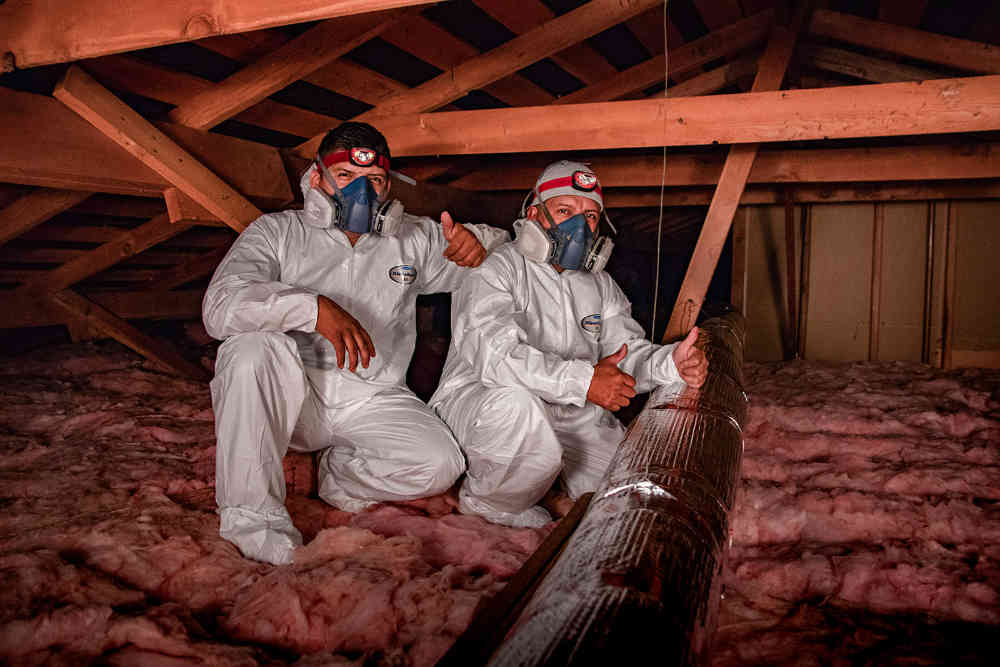
A full-service attic restoration company like Atticare USA handles the complete scope:
- Inspection — Identify rodent evidence, entry points, insulation condition, duct damage, and moisture indicators.
- Contaminated insulation removal — Remove insulation that is soiled, compressed, or damaged.
- Cleanup and sanitization — Vacuum droppings and debris, then sanitize and deodorize the space.
- Sealing and rodent proofing — Seal accessible entry points with appropriate materials so rodents cannot return.
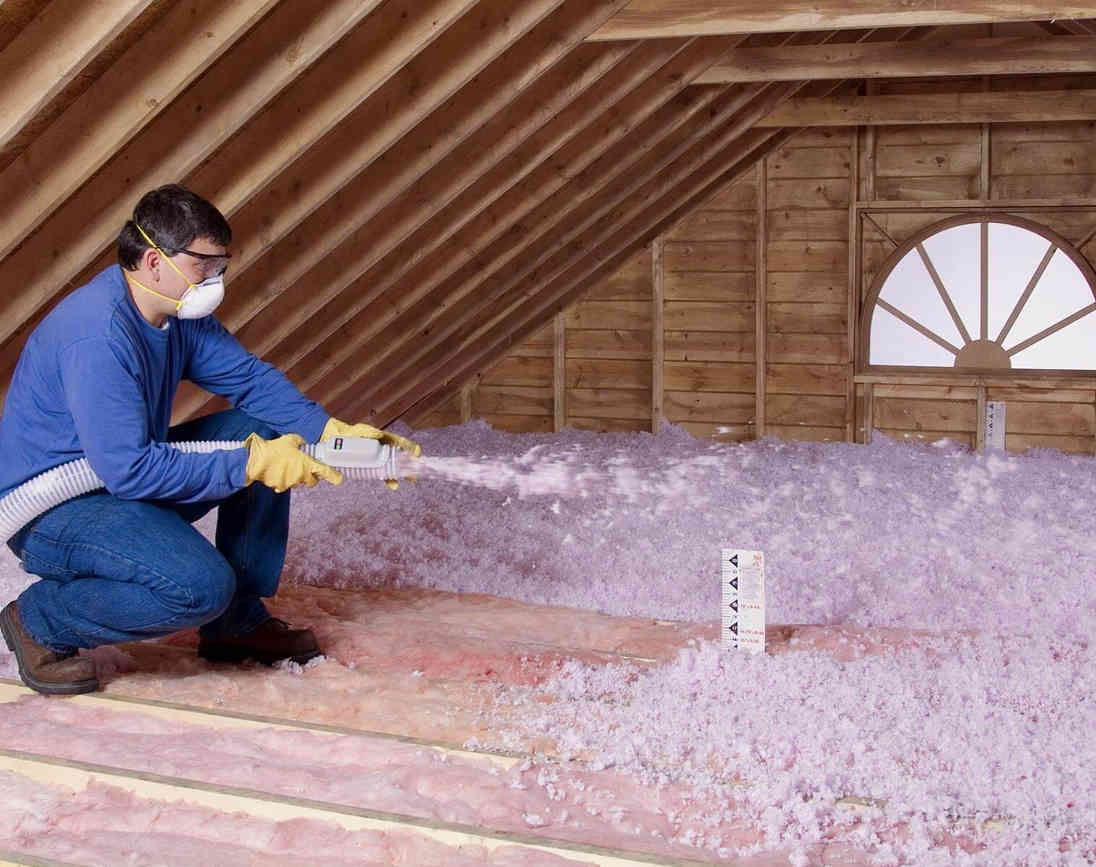
- New insulation installation — Install fresh insulation only after the attic is clean and sealed.
Why the Order of Work Matters
The order matters because installing new insulation over unresolved contamination or open entry points is a waste of money. The contamination stays trapped underneath, the odor persists, and rodents find their way back in. The correct sequence is always: inspect, clean, sanitize, seal, rodent-proof, then insulate. New insulation is the last step, not the first shortcut.
How to Evaluate an Attic Rodent Cleanup San Francisco Company
Short answer: Before hiring any contractor, verify licensing and insurance, ask about their full service scope, confirm they seal entry points before installing insulation, request before-and-after photos, and ask whether they offer a warranty on rodent proofing.
Verify Licensing, Bonding, and Insurance
In California, attic restoration work typically requires a contractor’s license. Ask for the license number and verify it through the Contractors State License Board. Atticare USA holds California license #1051462 and is licensed, insured, and bonded. Our San Francisco Bay Area team serves San Francisco, San Leandro, Oakland, the East Bay, Marin, and surrounding communities.
Ask About the Full Scope — Not Just Cleanup
Some companies offer partial services — they may remove insulation but not sanitize, or they may install new insulation without sealing entry points. Ask explicitly: Does your scope include inspection, insulation removal, sanitization, entry-point sealing, rodent proofing, and new insulation? If the answer is no, you may need multiple contractors or risk an incomplete job.
Confirm They Seal Entry Points Before Installing Insulation
This is the step cheap crews skip. Sealing entry points — rodent proofing — is what prevents re-infestation. If a contractor wants to install new insulation before sealing entry points, that is a red flag. The durable fix is exclusion, not repeat cleanup visits.
Request Before-and-After Photos
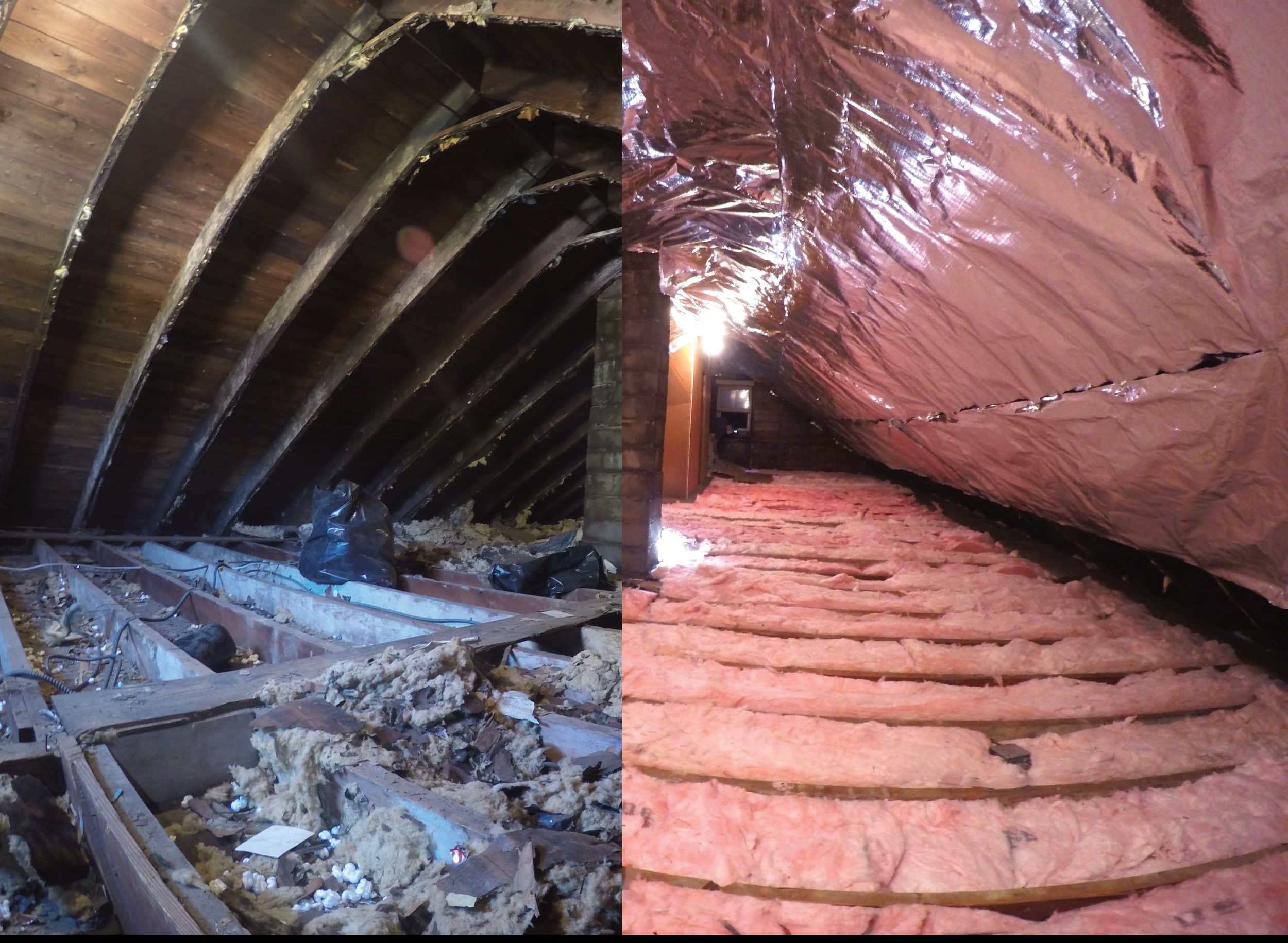
A reputable contractor should be able to provide before-and-after photos upon request. This documentation shows what was found, what was removed, and what the attic looks like after restoration. Atticare USA provides photos upon request so homeowners can see proof of the work.
Ask About Warranty on Rodent Proofing
Rodent proofing should come with a warranty. Atticare USA offers a 1-year warranty on rodent proofing — a one-time solution rather than a recurring service contract. Ask any contractor you are considering what guarantee they provide if rodents return.
How Much Does Attic Rodent Cleanup and Restoration Cost in San Francisco?
Short answer: Full-service attic rodent cleanup San Francisco homeowners should expect ranges from roughly $3,000 to $10,000+ depending on attic size, contamination severity, and scope. A free inspection is the most accurate way to get a real quote for your home.
What Drives the Price
The cost of attic rodent cleanup San Francisco homes require varies based on attic square footage, contamination severity, access difficulty, insulation type and depth, and rodent proofing complexity. Many San Francisco Victorians and older homes have challenging access that affects labor time.
Sample Cost Ranges (Directional, Not Quotes)
Based on typical project ranges:
- Attic cleaning: $1,500–$4,500
- Rodent contamination add-on: $500–$2,000+
- Contaminated insulation removal: $1,500–$6,000
- New insulation: Roughly $2.50–$4.50 per square foot
- Air sealing: $750–$2,000
These are starting points, not guarantees. The most accurate way to know your cost is a free inspection.
Rebates, Tax Credits, and Financing
Bay Area homeowners may qualify for utility rebates on qualifying insulation and air sealing work. The federal government offers tax credits for home insulation improvements of up to $1,200 per year for qualifying upgrades under the Inflation Reduction Act.³ Atticare USA also offers financing to help spread the cost.
Why San Francisco Attics Are Especially Vulnerable to Rodent Problems
Short answer: Older Bay Area homes often have construction gaps, crawl spaces, and roofline vulnerabilities that create easy entry points. Mild winters mean rodents stay active year-round with no natural off-season.
Older Homes, Construction Gaps, and Common Entry Points
San Francisco’s housing stock includes Victorians, Edwardians, mid-century construction, and everything in between. These older homes often have gaps around rooflines, eaves, and vents from decades of settling, utility penetrations that were never fully sealed, crawl spaces that connect to attic access paths, and additions or renovations with incomplete sealing between old and new construction.
These construction characteristics create entry points rodents exploit. A thorough inspection identifies not just contamination but how rodents are getting in. The EPA notes that sealing gaps and holes is essential for preventing rodent infestations.¹
Year-Round Rodent Activity in the Bay Area
Unlike regions with harsh winters, the Bay Area’s mild climate means rodents remain active all year. There is no cold season that naturally reduces infestation pressure. Roof rats, Norway rats, and mice are common throughout San Francisco, Oakland, the East Bay, and Marin. This makes proactive rodent proofing especially important — waiting for winter does not make the problem go away.
What Happens During a Professional Attic Restoration Job
Short answer: The professional sequence is inspect, clean, sanitize, seal, rodent-proof, then insulate. Each step prepares the attic for the next. Skipping steps is why problems recur.
Inspection and Assessment
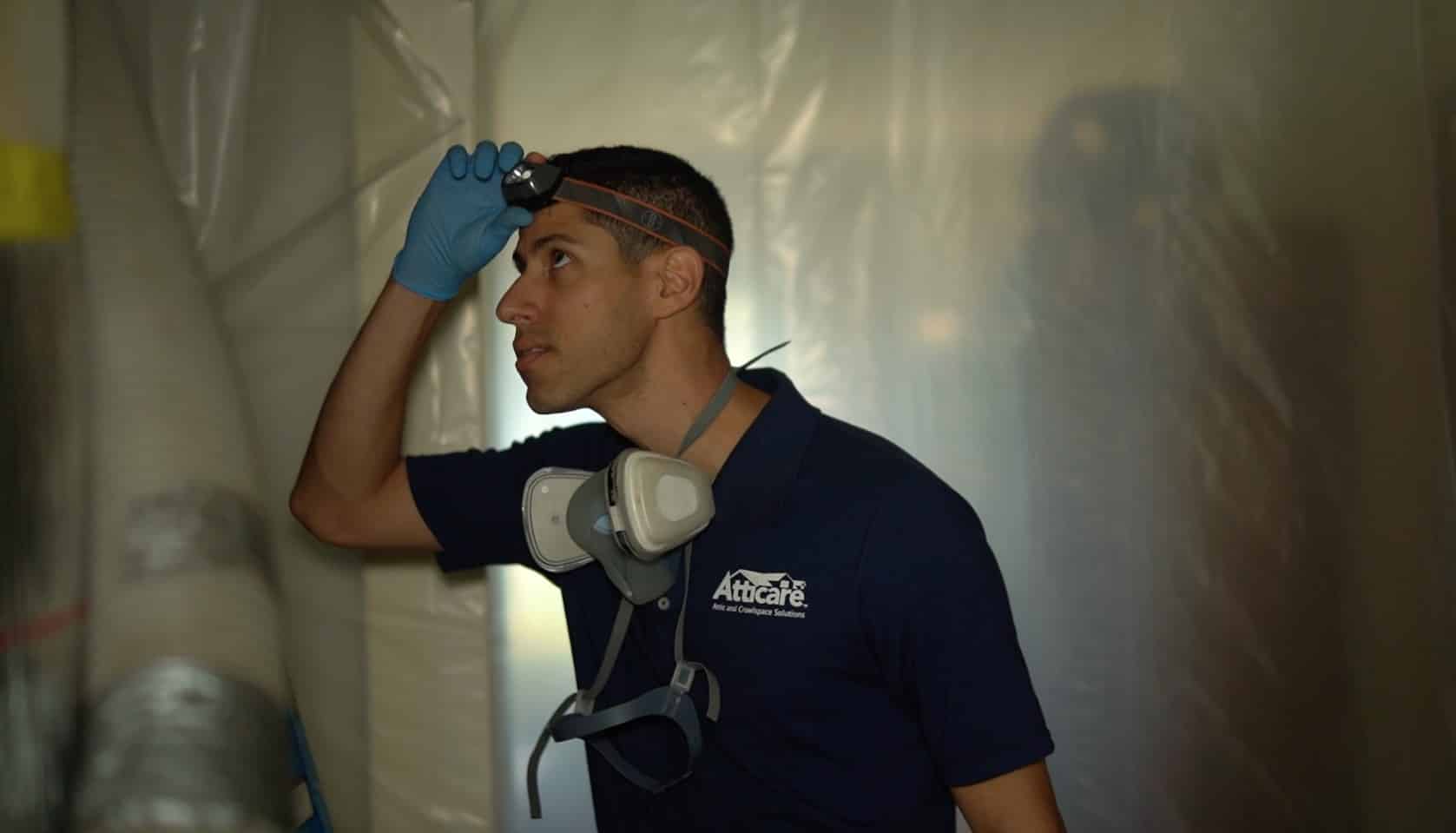
The job starts with a thorough inspection. The technician identifies rodent evidence, locates entry points, assesses insulation condition, checks for duct damage, and notes any moisture indicators. This assessment determines the scope of work.
Contaminated Insulation Removal and Cleanup
Compromised insulation is removed. This exposes the attic floor so the crew can see droppings, nesting material, and damage that was hidden underneath. Droppings and debris are vacuumed and removed.
Sanitization and Deodorization
Sanitization is a mandatory step, not an optional add-on. The attic is treated to address biological contamination and eliminate odor. The CDC emphasizes proper cleaning and disinfection when dealing with rodent contamination.²
Sealing Entry Points and Rodent Proofing
Accessible entry points are sealed with appropriate materials — wire mesh, foam, cement, or other professional-grade solutions depending on the opening. This exclusion work is what prevents future re-entry. Atticare USA provides rodent proofing with a 1-year warranty.
New Insulation Installation — Always the Last Step
Only after the attic is clean, sanitized, and sealed does new insulation go in. Air sealing around gaps, fixtures, and penetrations may be completed first to reduce uncontrolled air movement between the living space and attic.⁴ Then fresh insulation is installed to the appropriate depth and R-value.
FAQ — Attic Rodent Cleanup in San Francisco
What are the signs of rodent contamination in my attic?
Droppings on insulation, gnaw marks, shredded nesting material, and a musty or ammonia odor are the most common signs.
Do I need pest control or a different type of contractor for attic rodent cleanup?
You may need both. Pest control handles trapping live rodents. An attic restoration company like Atticare USA handles cleanup, sanitation, sealing, and insulation.
Should I replace insulation after rodents have been in my attic?
If insulation is contaminated with droppings, urine, or nesting material, replacement is usually recommended. Installing new insulation over contaminated material traps the problem underneath.
Will rodents come back after the cleanup — and is there a warranty?
If entry points are properly sealed, the risk of recurrence drops significantly. Atticare USA offers a 1-year warranty on rodent proofing.
Next Step — Book a Free Attic Inspection
If you have seen droppings, smelled ammonia, or heard scratching in your San Francisco attic, the smartest first step is a professional inspection. Atticare USA has served Bay Area homeowners since 2012, with over 11,000 clients, 1,400+ reviews, and Diamond Certified status. We are BPI-certified, licensed, insured, and bonded (CA #1051462), and we offer a 1-year warranty on rodent proofing.
Our San Francisco Bay Area team serves San Francisco, San Leandro, Oakland, the East Bay, Marin, and surrounding communities. For attic rodent cleanup San Francisco residents can rely on, the inspection identifies what is actually happening in your attic — contamination, entry points, insulation condition, and what needs to be done. You will receive a written proposal outlining the recommended scope of work and pricing.
Book a free attic inspection and get a clear plan before the problem gets worse.
Related services: attic cleaning · air sealing · crawl space cleaning · insulation cost calculator
Sources
- U.S. Environmental Protection Agency. “Identify and Prevent Rodent Infestations.” EPA: Identify and Prevent Rodent Infestations
- Centers for Disease Control and Prevention. “Cleaning Up After Rodents.” CDC: Cleaning Up After Rodents
- U.S. Department of Energy. “Insulation.” Energy Saver. DOE Energy Saver: Insulation
- ENERGY STAR. “Attic Air Sealing Project.” ENERGY STAR: Attic Air Sealing Project

About the Author
Sean Madar leads Atticare USA, a California attic and crawl-space restoration company specializing in rodent cleanup, exclusion, decontamination, and insulation. He works with Bay Area and Southern California homeowners to restore cleaner, healthier, more energy-efficient attics.
Recent Atticare USA projects in and near Oakland
- Attic Insulation Replacement & Rodent Proofing in Oakland, CA (Oakland, December 2025)
- Attic Insulation Removal, Cleanup & Rodent Proofing in Oakland, CA (Oakland, June 2026)
- Attic Insulation Replacement & Rodent Proofing in Oakland, CA (Oakland, September 2026)
- Attic Insulation Replacement & Rodent Proofing in Oakland, CA (Oakland, July 2026)