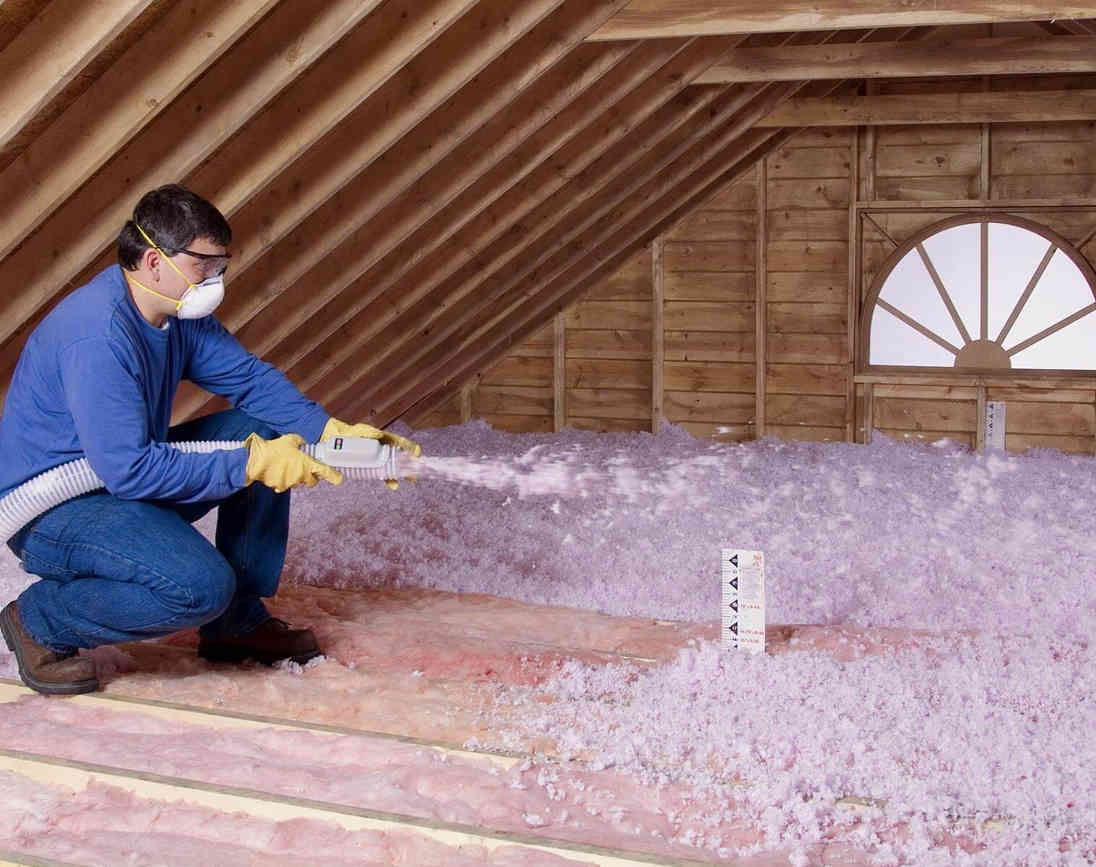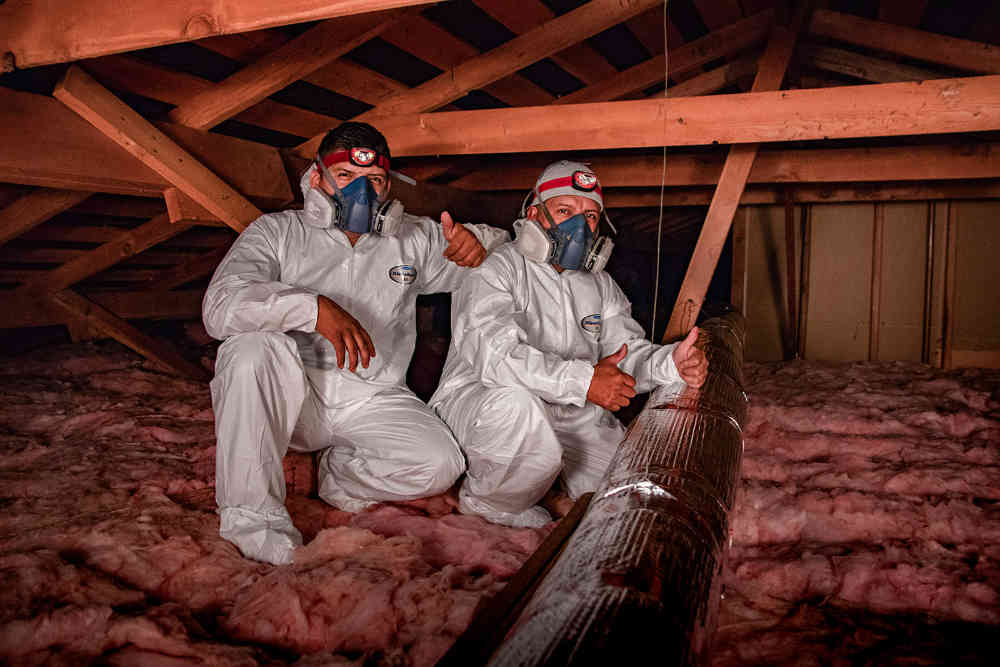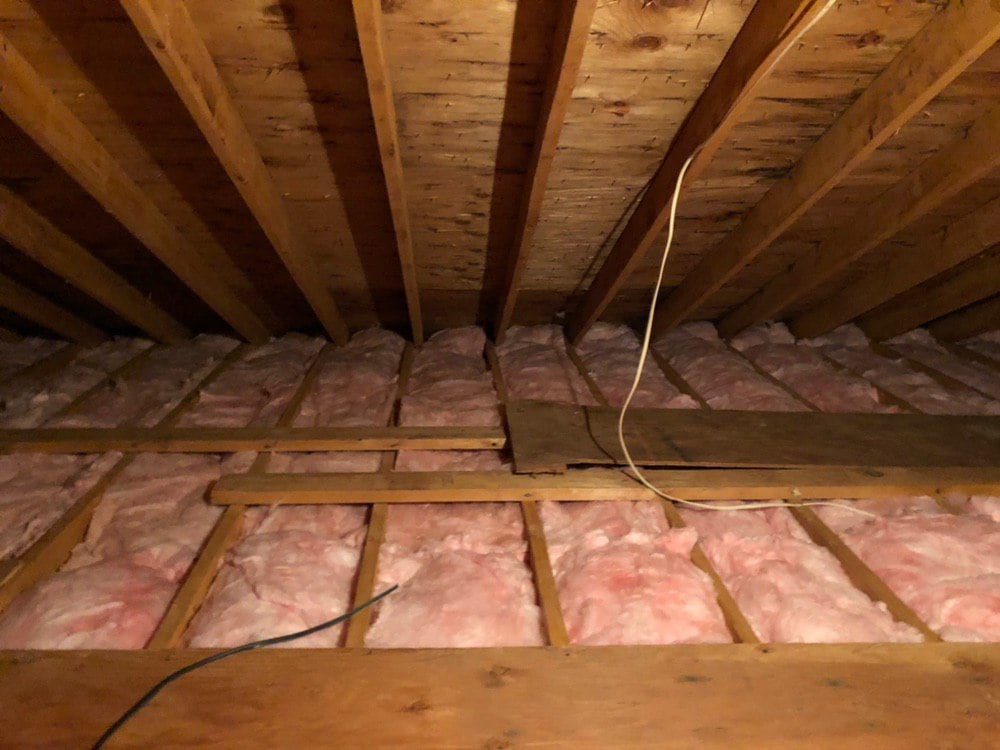
The attic restoration Concord homeowners actually need usually involves three interconnected problems—contaminated insulation, unsealed entry points, and rodent damage—that can’t be solved by hiring separate specialists. The better approach is finding one restoration company that follows the correct sequence and takes accountability for the full scope of work.
If your Concord attic has rodent evidence, odors, or decades-old insulation, you’re facing a choice: hire a pest company, then an insulation contractor, then maybe someone else to seal the gaps—or find one provider who handles the entire restoration from inspection through new insulation.
This guide explains why the one-contractor approach works better for Concord homes, what “complete attic restoration” should actually include, and how to evaluate providers who claim to offer full-service solutions.
At a glance
- Find one provider who handles the full sequence — coordinating three separate contractors creates gaps in accountability and risks covering problems with new insulation
- Look for contamination assessment, not just an insulation number — a company that only quotes insulation without considering contamination isn’t solving your actual problem
- Insulation must be the last step — cleanup, sanitation, and entry-point sealing must happen first, or the work will need to be redone
- Ask about rodent-proofing warranty — entry-point sealing should come with a guarantee, especially in Concord where year-round rodent pressure never lets up
- Book a free inspection that covers everything — contamination, entry points, and insulation condition assessed together under one scope
Why Concord Attic Problems Rarely Need Just One Fix
Short answer: Most attic issues that require professional help involve contamination, entry points, and insulation damage occurring together. Solving one without addressing the others creates callbacks and wasted money.
Concord’s housing stock presents a specific pattern. Most homes in Todos Santos, Clayton Valley, Dana Estates, and Meadow Homes were built between 1960 and 1980. Insulation standards were minimal. Construction gaps were common. That means 40-60 year old attics with original R-11 or R-19 insulation—often compressed, disturbed, or contaminated by decades of potential rodent access.
The proximity to Mount Diablo foothills creates year-round rodent pressure. Unlike cold-climate regions where pest activity slows in winter, Concord’s warm climate keeps rats and squirrels active through every season.
The Three Problems That Usually Travel Together
If you see rodent droppings in your attic, you almost certainly have entry points somewhere. If you have entry points, your insulation is likely compromised—either directly damaged by nesting, contaminated by urine and droppings, or compressed from repeated animal traffic.
This is why “just insulation” quotes miss the point. A contractor who measures your attic, quotes blown-in fiberglass, and never mentions contamination assessment isn’t solving your actual problem. They’re covering it.
What Happens When You Hire Three Separate Contractors
The coordination nightmare looks like this:
- The pest company sets traps but doesn’t seal entry points—that’s not their scope
- The insulation contractor waits for the “all clear” but the pest company’s timeline keeps slipping
- When the insulation goes in, the entry points are still open because neither company sealed them
- Months later, new rodents are in the attic, and everyone points fingers
Each contractor scopes only their piece. No one owns the full problem. The homeowner becomes the project manager for three separate timelines, three separate warranties, and three separate definitions of “done.”
What Complete Attic Restoration Concord Homeowners Should Expect
Short answer: Complete restoration follows a mandatory sequence—inspect, clean, sanitize, seal entry points, rodent-proof, then install insulation last—under one accountable provider.
The order matters because each step depends on the one before it.
Why New Insulation Should Never Be Step One
Installing new insulation before addressing contamination traps odors under fresh material, hides ongoing damage, and creates a situation where you’ll pay twice. The CDC recommends proper cleanup of rodent-contaminated areas before any restoration work, including removing contaminated materials and disinfecting surfaces.
If contaminated insulation is removed but the attic floor isn’t cleaned and sanitized, the smell persists. If the attic is cleaned but entry points aren’t sealed, new rodents will re-contaminate the space. If entry points are sealed but insulation goes in before proper air sealing, you’ve locked in energy leaks.
The only sequence that makes sense: remove compromised material, clean the exposed attic floor, sanitize to address odors and biological contaminants, seal entry points, rodent-proof, then—only then—install new insulation.
Where Sanitation and Deodorization Fit In
This step is mandatory, not optional. Removing contaminated insulation is not the same as eliminating what causes the smell.
Rodent urine, droppings, and nesting materials can leave biological contaminants on the attic floor even after the insulation is gone. A proper restoration includes sanitizing the attic floor surface and deodorizing to address residual odors before new insulation is installed.
If a contractor quotes insulation removal and replacement without mentioning sanitation, they’re skipping a critical step.
Rodent-Proofing Before Insulation Prevents Repeat Work
Rodent-proofing means sealing every accessible entry point—vents, gaps, roofline openings, utility penetrations, and construction gaps—with materials appropriate to each opening.
This step must happen after cleanup so the crew can see the attic floor clearly and identify all entry points. It must happen before new insulation so fresh material isn’t installed in a space that’s still accessible to pests.
What “One-Stop Attic Restoration” Should Actually Mean
Short answer: A true end-to-end provider handles contamination assessment, insulation removal, cleanup, sanitation, entry-point sealing, and new insulation installation—in the correct sequence, under one scope of work.
Services That Must Be Under One Roof
The non-negotiable bundle for complete attic restoration includes:
- Inspection and contamination assessment — Not just measuring square footage for an insulation quote
- Insulation removal — When material is contaminated, damaged, or hiding problems
- Attic cleaning — Removing droppings, nesting material, and debris from the exposed attic floor
- Sanitation and deodorization — Addressing biological contaminants and odors
- Seal entry points — Closing vents, gaps, roofline openings, and utility penetrations where rodents get in
- Rodent proofing — Reinforcing the sealed openings with exclusion materials so rodents can’t return
- Air sealing — Reducing uncontrolled air movement between living space and attic, which the Department of Energy identifies as a critical step before insulation
- New insulation installation — Installed last, after the attic is clean, sealed, and rodent-proofed
If these services are split across providers, you lose the accountability that makes the sequence work.
What About Live Rodent Removal?
Attic restoration companies typically focus on exclusion and restoration—sealing entry points, cleaning contamination, and installing insulation—not trapping or extermination.
When live animals need removal first, a good restoration company coordinates with pest specialists so the homeowner has one point of contact. This is how Atticare USA handles it: we work with a licensed pest control provider when trapping or removal is needed before we can begin restoration work. The homeowner gets one project plan, not three separate contracts.
This coordination model is a feature, not a limitation. It means the restoration company understands where their scope begins and ends, and they’ve built a process to handle the handoff without leaving gaps.
Red Flags When Evaluating “Full-Service” Claims
Ask these questions when evaluating any provider claiming to offer complete attic restoration:
- Do they explain the service sequence? If they quote insulation first without assessing contamination, they’re selling a product, not solving a problem.
- Do they confirm the scope before finalizing? A ballpark estimate is a fine starting point — but the final scope and price should be set once someone has evaluated the contamination and entry points.
- Do they seal entry points, or recommend you hire someone else? If rodent-proofing isn’t in their scope, you’re back to coordinating multiple contractors.
- Do they sanitize, or skip that step? Insulation removal without sanitation doesn’t solve odor problems.
- What’s their warranty on rodent-proofing? Entry-point sealing should come with a guarantee against re-entry.
How to Compare End-to-End Attic Restoration Concord Providers
Short answer: Compare providers by asking whether they handle the full sequence, how they assess contamination, and what their scope of work includes—not just their insulation price per square foot.
Questions to Ask Before Booking an Inspection
Use these questions to evaluate whether a company truly offers end-to-end attic restoration Concord homeowners need, or just insulation installation with extra services tacked on:
- “Do you handle cleanup and rodent-proofing, or just insulation?”
- “What’s included in your inspection—do you assess contamination and entry points?”
- “Will you show me photos of what you find?”
- “What happens if you discover contamination after starting?”
- “Do you sanitize after removal, or is that separate?”
- “What warranty do you offer on rodent-proofing?”
The answers reveal whether the company thinks in terms of complete restoration or just individual services.
What a Complete Scope of Work Should Include
A proper proposal for attic restoration should include:
- Itemized services with pricing for each phase
- The sequence explained in writing
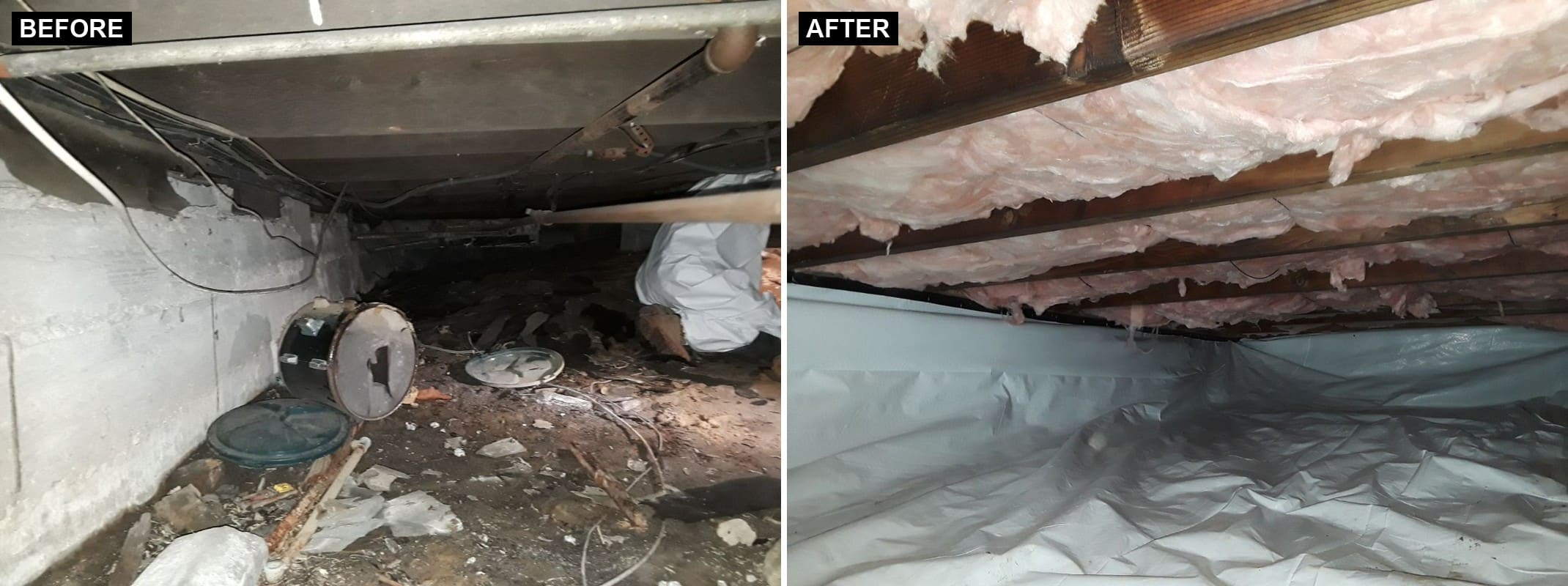
- Before-and-after documentation commitment (photos upon request)
- Warranty terms for rodent-proofing
- Clear scope for what’s included and what’s not
If the proposal is just a dollar amount for “insulation replacement,” you’re not getting a restoration plan. You’re getting an insulation quote that ignores the underlying problems.
Use the insulation cost calculator to understand baseline pricing, but remember that full restoration costs more than standalone insulation because it includes more steps.
Concord-Specific Factors That Affect Attic Restoration
Short answer: Concord’s 1960s-1980s housing stock, hot summers, and year-round rodent pressure mean many attics need full restoration rather than simple insulation upgrades.
Why Older Concord Homes Often Need Full Restoration
Homes built 40-60 years ago in Todos Santos, Clayton Valley, and Dana Estates typically have:
- Original R-11 or R-19 insulation—below current California recommendations for attics
- Decades of potential rodent access through construction gaps and deteriorating vents
- Compressed or disturbed insulation that’s lost effectiveness
- No air sealing—a concept that wasn’t standard practice in 1970s construction
For these homes, “add more insulation” isn’t the right answer. The right answer is assess, clean, sanitize, seal, rodent-proof, then insulate.
Year-Round Rodent Pressure in the East Bay
Concord’s location near Mount Diablo foothills creates consistent rodent pressure. The warm climate means rats and squirrels don’t die off seasonally—they stay active and looking for shelter year-round.
That’s why warranty coverage for entry-point sealing matters here. An attic that gets rodent-proofed in Concord needs to stay sealed, because the pressure never lets up.
What Atticare USA Provides for Concord Homeowners
Short answer: Atticare USA delivers complete attic restoration under one accountable provider—inspection, cleanup, sanitation, seal, rodent-proofing, and insulation installed in the correct sequence.
Full-Scope Restoration Under One Accountable Provider
Atticare USA handles the entire restoration sequence:
- Inspection and contamination assessment
- Insulation removal when material is compromised
- Attic cleaning and debris removal
- Sanitation and deodorization
- Entry-point sealing and rodent-proofing
- New insulation installation—always last
When live animal removal is needed first, we coordinate with a licensed pest control provider so you have one point of contact for the complete project. View customer testimonials from homeowners who’ve been through the process.
Documentation and Transparency
Atticare USA provides a written proposal outlining the recommended scope of work and pricing, with before-and-after photos upon request. Our rodent-proofing carries a one-year warranty, a one-time fix, not another service contract.
Diamond Certified. 1,400+ reviews. 11,000+ clients served since 2012. California license #1051462.
Bay Area Locations Serving Concord
Our San Leandro location serves Concord and the broader East Bay. Additional locations in San Jose, San Rafael, and Petaluma mean we can schedule inspections quickly throughout the Bay Area.
Frequently Asked Questions About Attic Restoration in Concord
Do I need separate contractors for rodent removal and attic insulation in Concord?
Usually not. A full-service restoration company handles cleanup, sealing, and insulation under one scope. Live animal removal may require coordination with a pest specialist, but the restoration work should be under one provider.
What’s the right order: attic cleanup first or new insulation first?
Cleanup and sanitation must come first, followed by entry-point sealing and rodent-proofing, then insulation installed last. Installing insulation over contamination traps odors and hides ongoing damage.
My attic has a bad smell after rodents. What kind of contractor handles attic odor?
An attic restoration company that removes contaminated insulation, cleans the attic floor, and sanitizes the space. Insulation-only contractors won’t solve odor problems.
Does Atticare USA remove rodents, or just do exclusion and cleanup?
Atticare USA focuses on exclusion, cleanup, sanitation, and restoration. When live animals need removal first, we coordinate with a licensed pest control company so you have one point of contact for the full project.
Get One Complete Inspection—Not Three Separate Quotes
If you want one company to handle the full scope of attic restoration in Concord, start with a free inspection that covers contamination, entry points, and insulation condition—not just a quote for the service you think you need.
Atticare USA inspects for what’s actually happening in your attic, explains the sequence of work required, and provides a written proposal covering the complete restoration.
Book a free attic inspection and find out exactly what your Concord attic needs.
Sources
- CDC. “Cleaning Up After Rodents.” Centers for Disease Control and Prevention. cdc.gov
- EPA. “Biological Contaminants and Indoor Air Quality.” U.S. Environmental Protection Agency. epa.gov
- DOE. “Attic Air Sealing Guide.” U.S. Department of Energy, Building America Top Innovation. energy.gov

About the Author
Sean Madar leads Atticare USA, a California attic and crawl-space restoration company specializing in rodent cleanup, exclusion, decontamination, and insulation. He works with Bay Area and Southern California homeowners to restore cleaner, healthier, more energy-efficient attics.
Recent Atticare USA projects in and near Concord
- Attic Insulation Replacement, Rodent Proofing & Whole House Fan in Concord, CA (Concord, September 2026)
- Attic Insulation Replacement & Rodent Proofing in Concord, CA (Concord, February 2026)
- Attic Insulation Replacement with Blown-In & Rodent Proofing in San Leandro, CA (San Leandro, April 2026)
- Attic Insulation Replacement & Rodent Proofing in San Rafael, CA (San Rafael, September 2026)