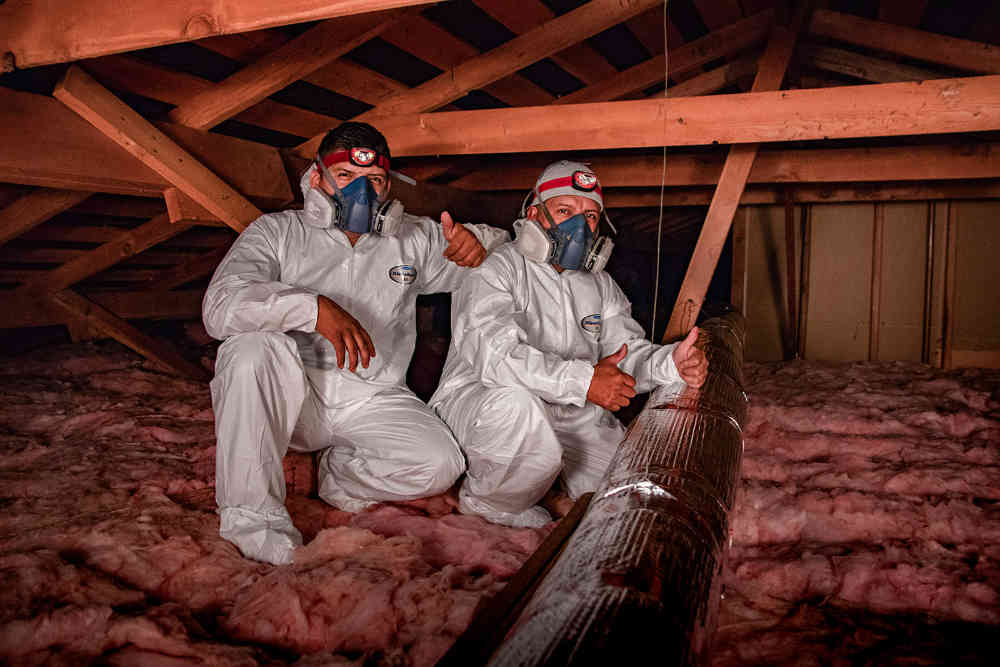
Attic insulation removal Long Beach homeowners need is typically handled by full-service attic remediation contractors—not general insulation installers. The difference matters. A company that only installs new insulation may blow fresh material over contaminated, compressed, or rodent-damaged material without addressing the underlying problem. A full-service contractor inspects first, cleans and sanitizes the exposed attic floor, seals gaps, rodent-proofs entry points, and only then installs new insulation.
If you’ve noticed odors, droppings, high energy bills, or rooms that stay hot no matter what you do, the insulation itself may not be the root issue. What’s under the insulation often is. That’s especially true in Long Beach, where hot summers push attic temperatures well above 140°F and rodents stay active year-round.
At a glance
- Inspect first — a full attic inspection reveals contamination, entry points, and air leaks hidden under old insulation.
- Clean and sanitize before anything else — droppings, nesting material, and biological waste must be removed and the space sanitized before sealing or insulating.
- Seal gaps, then rodent-proof entry points — closing air leaks and blocking pest access prevents future contamination.
- Install new insulation last — fresh material goes in only after the attic is clean, sanitized, sealed, and rodent-proofed.
- Book a free inspection — Atticare USA serves Long Beach and Greater Los Angeles with full-service attic remediation.
What Does Attic Insulation Removal and Replacement Include?
Short answer: Attic insulation removal and replacement is a multi-step process that includes removing old or contaminated material, cleaning and sanitizing the attic floor, sealing air leaks, rodent-proofing entry points, and then installing new insulation. These are separate phases with different purposes—not one quick service call.
Removal vs. Replacement: Two Different Steps
Removal and installation serve different functions. Removal exposes the attic floor so problems can actually be seen and addressed: rodent droppings, nesting material, damaged ducts, moisture stains, and air leaks around fixtures and penetrations. Replacement restores thermal performance and comfort—but only after the space is ready for it.
A contractor who skips removal and installs over existing material may be covering problems that will resurface as odors, pest re-entry, or continued energy loss.
Why the Sequence Matters
The correct order for attic restoration is: inspect, clean, sanitize, seal, rodent-proof, then insulate. New insulation is always the last step—not the first.
This sequence exists because insulation installed over contamination doesn’t fix the contamination. It hides it. Sealing entry points after insulation is installed is nearly impossible without removing the new material you just paid for. Each step prepares the attic for the next.
When Should Long Beach Homeowners Remove Old Attic Insulation?
Short answer: Removal is typically necessary when insulation is contaminated by rodents, water-damaged, heavily compressed, or more than 20 years old and degraded. Clean, dry, uncompressed insulation may not need removal—but you won’t know until someone inspects the attic floor beneath it.
Signs Your Insulation Needs Removal
Consider removal if you notice:
- Rodent droppings, urine stains, or nesting material in or under the insulation
- Persistent musty or ammonia-like odors coming from the attic or HVAC system
- Visible compression where insulation has flattened and lost loft
- Moisture stains, water damage, or mold-like discoloration
- Debris accumulation from construction, prior pest activity, or age
- Insulation that’s 20+ years old and has never been inspected beneath
Rodent contamination is one of the most common reasons for removal in Long Beach homes. According to the CDC’s guidance on cleaning up after rodents, droppings, urine, and nesting materials should be handled carefully, and professional cleanup is recommended when contamination is significant.
When You Might Install Over Existing Insulation
Not every attic needs full removal. If existing insulation is clean, dry, uncompressed, and free of pest evidence, adding new material on top may be appropriate. The key is verifying those conditions before making the decision.
A proper inspection should include moving insulation aside in multiple areas to check the attic floor beneath—not just looking at the surface layer from the attic hatch.
Why Long Beach Attics Often Need Full Restoration
Short answer: Long Beach’s hot climate, year-round rodent pressure, and older housing stock create conditions where attic contamination and insulation degradation are common. Attic temperatures can reach 140–160°F in summer, which accelerates material breakdown and makes air sealing especially important.
Hot Climate and Insulation Performance
Long Beach attics get extremely hot. Temperatures regularly exceed 140°F during summer months, and this sustained heat degrades insulation over time. Fiberglass and cellulose can compress, settle, and lose R-value—reducing their effectiveness even if they look intact from above.
Air sealing matters more in hot climates because conditioned air escaping into a superheated attic wastes energy at a higher rate. The Department of Energy’s Building America program recommends completing air sealing before or during insulation installation to maximize energy performance.
Year-Round Rodent Pressure
Unlike colder climates where rodent activity slows in winter, Long Beach’s warm weather means rodents stay active all year. There’s no off-season. If entry points exist—gaps at the roofline, vents, utility penetrations, or crawl space access—rodents can enter any month of the year. Contamination accumulates continuously until someone seals the path back in.
This is why sealing entry points before new insulation is so important. Insulation installed over open entry points will eventually become contaminated too.
What to Look for in an Attic Insulation Contractor
Short answer: Look for contractors who handle the complete sequence: inspection, cleaning, sanitization, sealing, rodent-proofing, and insulation. Avoid companies that skip straight to installation without assessing what’s under your current insulation.
Full-Service Capability
The best contractors for attic insulation removal Long Beach homeowners can hire treat the project as a restoration—not just a material swap. Ask whether they handle removal, cleaning, sanitization, rodent proofing, and installation, or whether they only install.
A company that only installs may recommend adding insulation without ever inspecting the attic floor. That’s a shortcut that often leads to repeat problems.
Clear Process Explanation
Ask how the work is sequenced. If a contractor’s first step is installing insulation rather than inspecting and removing, that’s a concern. The attic floor should be visible, clean, and sanitized before new insulation goes in.
Licensing, Insurance, and Track Record
California requires contractors to hold a valid CSLB license for insulation work. Verify the license, confirm insurance, and check reviews.
Atticare USA has served Long Beach and Greater Los Angeles since 2012. The company holds California contractor license #1051462, is Diamond Certified, and has more than 1,400 verified reviews from homeowners across Southern California.
Documentation and Proof
Ask whether the contractor provides before-and-after photos. Atticare USA offers photos upon request so homeowners can see what was found, what was removed, and what the attic looks like after restoration.
Proposals should come in writing, outlining the recommended scope of work and pricing — so you have the scope and pricing in hand before the project begins.
The 5-Step Attic Restoration Process
Short answer: Atticare USA follows a 5-step process: inspect, remove contaminated insulation, clean and sanitize, seal and rodent-proof, then insulate. Each step prepares the attic for the next. Skipping steps leads to recurring problems.
Step 1 — Inspect
A full inspection assesses insulation condition, contamination, rodent evidence, entry points, duct damage, and air leaks. This determines what the attic actually needs—not just what the homeowner assumes.
Step 2 — Remove Contaminated Insulation
Old, damaged, or contaminated material is removed to expose the attic floor. This step reveals problems that would otherwise stay buried: droppings, nesting, moisture stains, gaps, and duct issues.
Step 3 — Clean and Sanitize
The exposed attic floor is cleaned of debris, droppings, and biological waste. Sanitization addresses odors and contamination. This step is mandatory—not optional. Installing over an unsanitized attic defeats the purpose of removal.
Step 4 — Seal and Rodent-Proof
Air leaks are sealed around gaps, fixtures, and penetrations. Entry points are then rodent-proofed with appropriate materials: wire mesh, foam, or cement depending on the gap type and location. Atticare USA’s rodent proofing carries a 1-year warranty, a one-time fix, not another service contract.
Note: if live rodents are still present, trapping or removal should be handled first by a licensed pest control provider. Atticare USA’s scope is exclusion and restoration, not extermination.
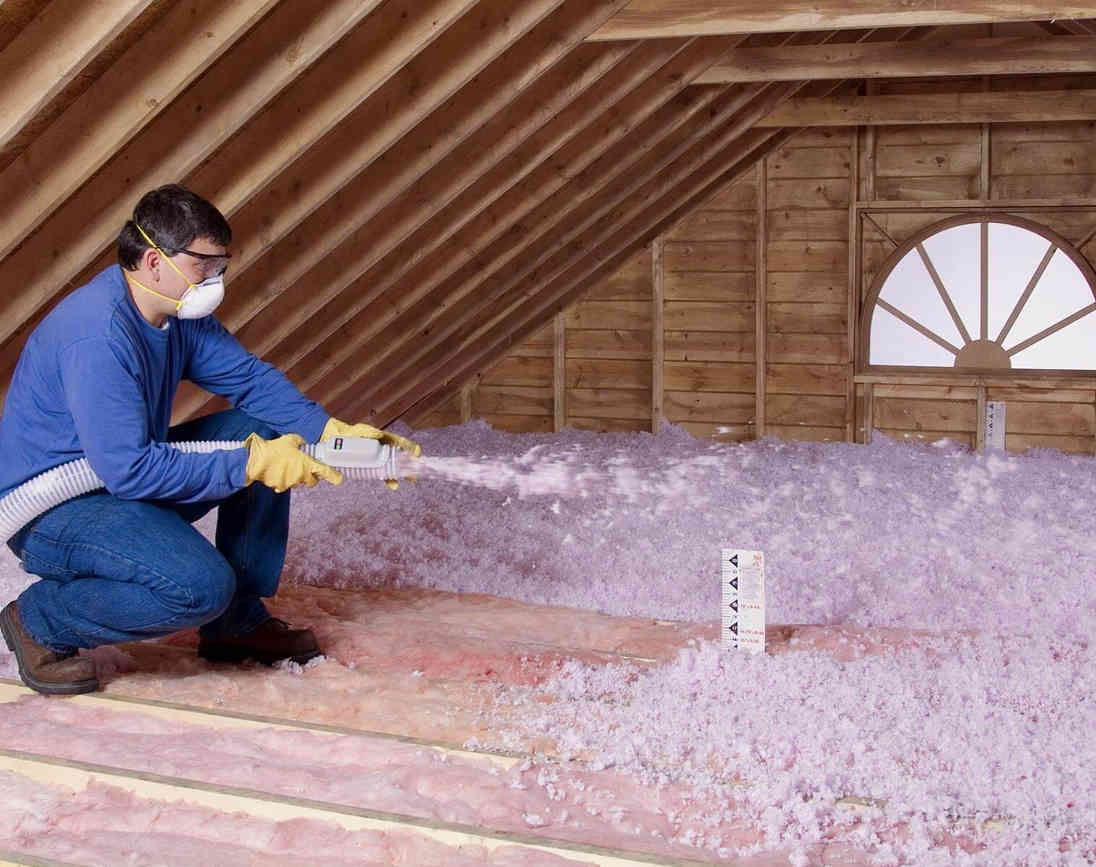
Step 5 — Insulate
New insulation is installed only after the attic is clean, sanitized, sealed, and rodent-proofed. ENERGY STAR recommends sealing air leaks before adding insulation to ensure the new material performs as intended.
Blown-in fiberglass and cellulose are common choices for Long Beach homes. The right option depends on attic configuration, accessibility, and energy goals.
How Much Does Attic Insulation Removal Long Beach Projects Cost?
Short answer: Costs vary based on attic size, contamination severity, and scope of work. Typical ranges in the Los Angeles area: attic cleaning $1,500–$4,500; contaminated insulation removal $1,500–$6,000; new insulation roughly $2.50–$4.50 per square foot; air sealing $750–$2,000. Many companies credit the inspection fee toward the project.
Typical Cost Ranges
For Long Beach homeowners, expect these approximate ranges:
- Attic cleaning: $1,500–$4,500
- Contaminated insulation removal: $1,500–$6,000
- New insulation: $2.50–$4.50 per square foot
- Air sealing: $750–$2,000
- Rodent contamination remediation: adds $500–$2,000+
These are estimates, not guarantees. A proper inspection determines actual scope and pricing. Use Atticare USA’s insulation cost calculator to get a preliminary estimate for your project.
What Affects the Final Price
Factors that influence cost include:
- Attic square footage and accessibility
- Depth and type of existing insulation
- Severity of contamination or damage
- Number and location of entry points requiring sealing
- Whether duct repair is needed
- Desired R-value for new insulation
Atticare USA provides a written proposal outlining the recommended scope of work and pricing after inspection.
Atticare USA Serves Long Beach and Greater Los Angeles
Short answer: Atticare USA’s Greater Los Angeles office serves Long Beach and surrounding communities with full-service attic and crawl space remediation.
Atticare USA has been helping Southern California homeowners since 2012. The company is Diamond Certified, holds California license #1051462, and maintains more than 1,400 verified reviews.
Financing is available, and rebates may apply. LADWP offers rebates for qualifying insulation upgrades, and federal tax credits may also be available for energy-efficiency improvements.
Frequently Asked Questions
Should I remove old attic insulation before installing new insulation?
It depends on condition. Removal is often necessary if insulation is contaminated, water-damaged, compressed, or hiding rodent evidence. Clean, dry insulation may not need removal—but inspection should confirm.
Can I stay in my home during attic insulation removal?
Yes, in most cases. Contractors use containment and dust barriers to protect living areas during the work.
What happens if there are rodents in my attic?
Live rodent removal should be handled first by a licensed pest control provider. After rodents are removed, Atticare USA can clean, sanitize, seal entry points, rodent-proof the attic, and then install new insulation.
How do I know if my attic insulation is contaminated?
Signs include visible droppings, urine stains, nesting material, musty odors, or evidence of past pest activity. A professional inspection reveals contamination hidden under the surface layer.
Book a Free Attic Inspection in Long Beach
The smartest first step isn’t choosing insulation—it’s finding out what’s actually in your attic. A free inspection from Atticare USA reveals insulation condition, contamination, entry points, and air leaks so you can make an informed decision before any work begins.
You’ll receive a written proposal outlining the recommended scope of work and pricing. No hidden charges, no pressure—just the information you need to decide what your attic actually requires.
Schedule a free attic inspection or call 1-888-843-7081 to get started.
Sources
-
- Centers for Disease Control and Prevention. “Cleaning Up After Rodents.” https://www.cdc.gov/healthy-pets/rodent-control/clean-up.html
- ENERGY STAR. “Attic Air Sealing Project.” https://www.energystar.gov/saveathome/seal_insulate/attic-air-sealing-project

About the Author
Sean Madar leads Atticare USA, a California attic and crawl-space restoration company specializing in rodent cleanup, exclusion, decontamination, and insulation. He works with Bay Area and Southern California homeowners to restore cleaner, healthier, more energy-efficient attics.
Recent Atticare USA projects in and near Long Beach
- Attic Insulation Replacement & Rodent Proofing in Long Beach, CA (Long Beach, December 2025)
- Attic Insulation Replacement and Rodent Proofing in Long Beach, CA (Long Beach, August 2026)
- Attic Insulation Replacement & Rodent Proofing in Long Beach, CA (Long Beach, June 2026)
- Attic Insulation Replacement & Rodent Proofing in Long Beach, CA (Long Beach, April 2026)