Attic insulation replacement cost after rodents typically ranges from $5,000 to $10,000 or more — but that number only makes sense when you understand what the job should actually include. If you’ve received a quote and you’re wondering whether the price is fair, the first question isn’t “is this too high?” The first question is “does this quote cover everything that needs to happen?”
After rodent damage, replacing insulation is only one part of the job. A complete restoration includes removal of contaminated material, thorough cleaning and sanitization, sealing entry points, rodent proofing, and then — only then — installing new insulation. Quotes that skip steps may look cheaper upfront. But they set you up for the same problem six months from now.
At a glance
- Expect $5,000–$10,000+ for complete restoration — actual cost depends on attic size, contamination severity, and how many entry points need sealing.
- A fair quote covers five steps — inspection, contaminated insulation removal, cleaning and sanitization, sealing and rodent proofing, then new insulation installation.
- Insulation is always the last step — installing it before cleaning, sanitizing, and sealing leaves you vulnerable to repeat infestations.
- Compare scope, not just price — a cheaper quote that skips sanitization or sealing costs more when you’re paying again in six months.
- Get a second opinion that itemizes the work — a legitimate proposal shows what each service costs, not just a single total.
What Does Attic Insulation Replacement Cost Really Include?
Short answer: A fair attic insulation replacement cost after rodents should cover five services: inspection, contaminated insulation removal, cleaning and sanitization, sealing and rodent proofing, and new insulation installation. For a typical attic in the 1,000–1,500 square foot range, expect $5,000 to $10,000 or more depending on contamination severity and the number of entry points.
Here’s what each component typically costs in California:
| Service | Cost Range | What It Covers |
|---|---|---|
| Contaminated insulation removal | $1,500–$6,000 | Vacuuming and removing old material that’s soiled, matted, or damaged |
| Cleaning and sanitization | $500–$2,000+ | Removing droppings, debris, and applying treatments to neutralize odor and pheromones |
| Sealing and rodent proofing | Varies by scope | Identifying and sealing gaps, vents, roofline openings, and utility penetrations |
| New blown-in insulation | $2.50–$4.50 per sq ft | Installing fresh fiberglass insulation to restore R-value |
| Air sealing (often recommended) | $750–$2,000 | Sealing gaps in the attic floor before insulation to reduce air leakage |
These ranges reflect Los Angeles and Bay Area pricing. Your actual cost depends on attic size, accessibility, how long rodents were active, and how many entry points need sealing.
What Drives the Final Price
Two attics of the same square footage can have very different costs. The variables that matter most:
- Contamination severity. A few mice in one corner for a month is different from rats nesting throughout the attic for a year.
- Attic accessibility. Tight access points, low clearance, or difficult roof angles increase labor time.
- Number of entry points. Sealing three gaps is faster than sealing fifteen.
- Insulation type. Standard blown-in fiberglass is most common. Borate-treated insulation (T.A.P.) costs more and offers some insect resistance but doesn’t prevent rodents.
- Air sealing scope. If your attic has significant air leakage, air sealing before insulation improves long-term performance.¹
What Should a Legitimate Quote Include? The 5-Step Sequence
Short answer: A complete attic restoration after rodent damage follows five steps: inspect, remove contaminated insulation, clean and sanitize, seal and rodent-proof, then install new insulation. If a quote skips any of these steps, you’re not getting a complete solution.
This sequence isn’t arbitrary. Each step depends on the one before it. Install insulation before sealing entry points, and rodents come right back. Skip sanitization, and odor and pheromones remain — which can attract future rodents even after entry points are sealed.²
Step 1 — Inspection
A real inspection should identify how bad the contamination is, where rodents entered, what condition the insulation is in, and whether there’s any structural damage or duct problems. Inspection fees typically run $150–$350, and many contractors credit that fee toward the job if you move forward.
Some contractors give phone estimates. That can help with initial budgeting. But an in-person inspection reveals the true scope. What looks like minor activity from the attic opening might be widespread damage once the crew gets inside.
Step 2 — Contaminated Insulation Removal
This is where the “is this price fair?” question gets complicated. Not every rodent problem requires full removal.
Full removal is typically warranted when:
- Rodents lived in the attic for months or years
- Droppings and urine are spread throughout the space
- Insulation is matted, compressed, or has lost its loft
- Odor persists even after surface cleaning
- Nesting material is spread across multiple areas
Spot treatment may be sufficient when:
- Activity was recent and localized to one area
- Insulation is still fluffy and intact in most of the attic
- Minimal droppings, no significant odor
- Rodents were caught early before establishing territory
A contractor who recommends full removal isn’t automatically trying to upsell you. Sometimes full removal is exactly what’s needed. The question is whether they can show you why — with photos, with clear explanation of what they found, with a written proposal that itemizes the work.
Step 3 — Cleaning and Sanitization
Once contaminated insulation is removed, the attic floor needs to be cleaned. This means removing droppings, debris, nesting material, and anything else rodents left behind.²
Sanitization goes further — applying enzymatic treatments to neutralize odor and the pheromone trails that attract future rodents. This step is often skipped by contractors who only do insulation work. If sanitization isn’t in your quote, ask why.
Step 4 — Sealing and Rodent Proofing
New insulation installed over open entry points is a temporary fix. Sealing and rodent proofing should happen before insulation goes in, not after.
This means identifying and sealing gaps, cracks, vents, roofline openings, utility penetrations, and any construction gaps where rodents could enter.³ At Atticare USA, rodent proofing includes a 1-year warranty — the work is designed as a one-time solution, not a recurring service contract.
Step 5 — New Insulation Installation
Insulation is always the last step. Installing it earlier buries the problems you haven’t addressed yet.
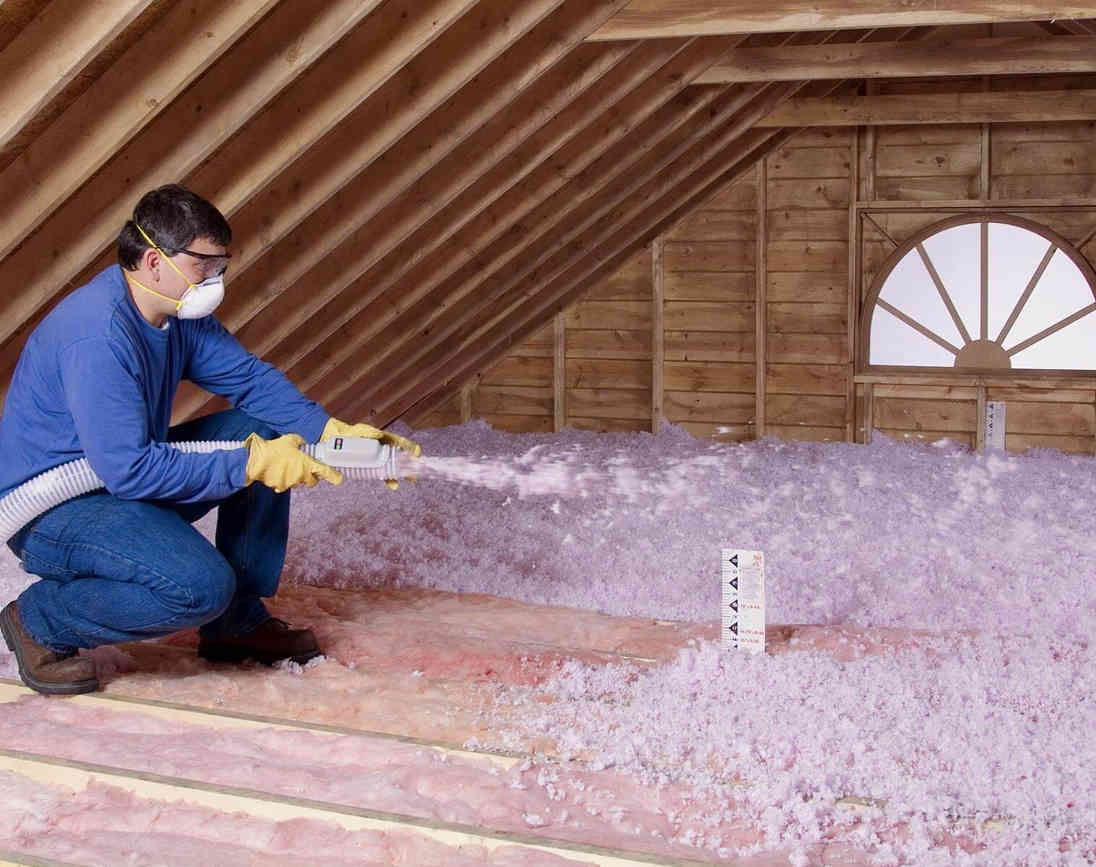
Standard blown-in fiberglass is the most common choice for attic restoration, typically running $2.50–$4.50 per square foot installed. Your contractor should specify the insulation type and target R-value in the proposal.
If your attic has significant air leakage — gaps around fixtures, pipes, wiring, or other penetrations in the attic floor — air sealing before insulation is often recommended.⁴ This helps reduce uncontrolled air movement between your living space and the attic.
When Is Full Insulation Removal Actually Necessary?
Short answer: Full removal is necessary when contamination is widespread, insulation is matted or compressed, or rodents were active for an extended period. Spot treatment works when activity was recent, localized, and the insulation is otherwise intact.
Some sources warn that full removal is usually unnecessary — implying that most contractors push it as a scam. That’s not always true. In California, hot attics and year-round rodent pressure often mean insulation damage is already severe by the time homeowners notice the problem.
California attics can reach 140–160°F in summer. That heat bakes contamination into the material. And because California’s warm climate keeps rodent populations active year-round — no winter die-off — infestations tend to establish quickly and spread before homeowners realize what’s happening.
Signs You Probably Need Full Removal
- Heavy droppings throughout the attic, not just in one corner
- Visible urine staining on the attic floor or joists
- Insulation that’s matted, compressed, or has lost its original loft
- Persistent odor even after surface cleaning
- Nesting material spread across multiple areas
- Rodent activity that lasted months or years before discovery
Signs Spot Treatment May Be Enough
- Activity was recent (weeks, not months)
- Droppings are limited to one small area
- Insulation is still fluffy and performing well in most of the attic
- No significant odor
- Only a few rodents were involved, not an established population
A legitimate contractor can explain which situation applies to your attic — and show you the evidence.
How to Evaluate a Quote You’ve Already Received
Short answer: A complete quote should itemize each service (removal, cleanup, sanitization, sealing, rodent proofing, insulation), specify square footage and insulation type, include warranty terms, and be provided in writing.
What a Complete Quote Should Show You
- Line items for each service, not just a single total
- Square footage of the attic
- Insulation type and target R-value
- Entry points to be sealed (or note that inspection will identify them)
- Warranty terms for rodent proofing
- Timeline for the work
- Contractor’s license number
At Atticare USA, proposals are sent by email with the recommended scope of work and pricing outlined clearly.
Questions to Ask Before Signing
- Does this quote include sanitization, or just insulation replacement?
- What entry points will be sealed? How were they identified?
- What happens if rodents return after the work is done?
- Can I see before-and-after photos from similar jobs?
- Will I receive a written proposal with itemized pricing?
Why the Cheapest Quote May Cost More Later
A $5,000 quote that skips sanitization and sealing isn’t cheaper than a $7,500 quote that includes them. It’s a partial job that leaves you vulnerable to repeat infestation. The contamination stays. The entry points stay open. Six months later, you’re paying again.
The right comparison isn’t price to price — it’s scope to scope.
Does Homeowners Insurance Cover Rodent Damage to Insulation?
Short answer: Usually no. Most homeowners insurance policies exclude rodent damage as a maintenance issue, not a covered peril.
This surprises many homeowners who assume damage to their home would be covered. But insurance typically treats pest damage as something the homeowner is responsible for preventing and addressing. For a deeper explanation, see our guide on homeowners insurance and rodent damage.
How to Get a Second Opinion That Actually Helps
Short answer: A useful second opinion includes a full in-person inspection, a written proposal with itemized pricing, and clear explanation of what was found and what needs to happen.
If you’ve received a quote that seems high — or low — and you’re not sure what to make of it, the answer isn’t to compare numbers from different contractors. It’s to understand what each quote actually includes.
A legitimate second opinion should give you:
- An inspection that identifies contamination extent, entry points, and insulation condition
- A written proposal that itemizes each service
- Clear explanation of findings, with photos if requested
- Honest assessment of whether full removal is necessary or spot treatment is sufficient
Atticare USA has helped over 11,000 homeowners with attic cleanup after rodents, insulation services, and rodent proofing. We’re Diamond Certified, with 1,400+ reviews and more than a decade of experience serving California homeowners.
Frequently Asked Questions
Can I put new insulation over old contaminated insulation?
No. Contaminated insulation should be removed before new material is installed. Installing over contamination traps odor, attracts future rodents, and doesn’t address the underlying problem.²
What’s the difference between attic cleanup and insulation replacement?
Attic cleanup removes debris, droppings, and contamination. Insulation replacement installs new material. A complete restoration includes both, plus sanitization, sealing, and rodent proofing — with new insulation always last.
What type of insulation is best after rodent damage?
Blown-in fiberglass is standard for attic restoration. Some homeowners choose borate-treated insulation (T.A.P.), which deters insects but does not prevent rodents directly.
How do I know if my quote is too high?
Compare line items, not just the total. A $7,000 quote that includes all five steps is often better value than a $5,000 quote that skips sanitization and sealing.
Not sure if your quote covers everything? Book a free attic inspection to understand what your attic actually needs — and what a fair, complete proposal should include.
Sources
- ENERGY STAR. “Attic Air Sealing Project.” U.S. Environmental Protection Agency. https://www.energystar.gov/saveathome/seal_insulate/attic-air-sealing-project
- Centers for Disease Control and Prevention. “Cleaning Up After Rodents.” https://www.cdc.gov/healthy-pets/rodent-control/clean-up.html
- U.S. Environmental Protection Agency. “Identify and Prevent Rodent Infestations.” https://www.epa.gov/rodenticides/identify-and-prevent-rodent-infestations
- U.S. Department of Energy. “Insulation.” Energy Saver. https://www.energy.gov/energysaver/insulation
Recent Atticare USA projects in and near Los Angeles
- Attic Insulation Replacement and Rodent Proofing in Los Angeles, CA (Los Angeles, August 2026)
- Attic Insulation Replacement & Rodent Proofing in Los Angeles, CA (Los Angeles, December 2025)
- Attic Insulation Replacement, Rodent Proofing & Air Duct Work in Los Angeles, CA (Los Angeles, April 2026)
- Attic Insulation Replacement and Rodent Proofing in Los Angeles, CA (Los Angeles, August 2026)