Homeowners insurance rodent damage claims are almost always denied — and that’s not a mistake or bad luck. Standard homeowners policies exclude rodent damage because insurers classify it as a preventable maintenance issue, not a sudden accidental loss. If you’ve discovered rats or mice have contaminated your attic insulation, chewed through materials, or left droppings and urine throughout the space, you’re responsible for the full cost of cleanup and restoration.
That’s frustrating news. But understanding why insurance won’t help — and what actually works to fix the problem — puts you back in control.
At a glance
- Accept that insurance won’t pay — standard policies exclude rodent damage as a preventable maintenance issue, so plan for out-of-pocket costs
- Treat it as a contamination problem — droppings, urine, and nesting materials don’t disappear when rodents leave and require professional cleanup
- Follow the correct restoration sequence — inspect, clean, sanitize, seal entry points, rodent-proof, then install new insulation (always in that order)
- Act quickly to control costs — damage compounds over time, and waiting typically means paying more
- Start with a professional inspection — understand the full scope before deciding what work is actually needed
Why Homeowners Insurance Rodent Damage Claims Get Denied
Short answer: Insurers exclude rodent damage because it develops gradually and is considered preventable through routine home maintenance. Unlike a sudden storm or fire, rodent activity is something homeowners are expected to prevent.
The “Preventable Loss” Classification
Insurance policies cover sudden, accidental losses — a tree falling on your roof, a burst pipe, a kitchen fire. Rodent infestations don’t fit that model.
Mice and rats enter through small gaps and establish themselves over weeks or months. The damage accumulates gradually: contaminated insulation, chewed wiring, nesting material, droppings, and urine. Because this damage happens slowly and could theoretically be prevented with regular inspections and maintenance, insurers classify it as a maintenance issue.
The logic is that sealing entry points, inspecting your attic periodically, and addressing signs of rodent activity early would prevent the damage from occurring. Whether or not that feels fair when you’re facing thousands of dollars in restoration costs, it’s how standard homeowners policies work.
The One Exception That Rarely Helps
There is one scenario where insurance may provide partial coverage: if rodent damage causes a separate covered peril. The most common example is when rodents chew through electrical wiring and cause a fire. The fire damage may be covered because fire is a named peril on your policy.
However, the insurance still won’t pay to repair the wiring the rodents chewed, or to replace the contaminated insulation, or to seal the entry points. It covers the fire damage only. The underlying rodent problem and everything rodents directly damaged remain your responsibility.
For most California homeowners dealing with rodent-contaminated attics, this exception doesn’t apply. Plan for out-of-pocket costs.
What California Homeowners Are Actually Responsible For
Short answer: You’re responsible for cleaning and sanitizing the attic, sealing entry points, rodent-proofing to prevent re-entry, and replacing damaged insulation. These aren’t optional add-ons — they’re the complete solution.
Why This Is a Contamination Problem, Not Just a Pest Problem
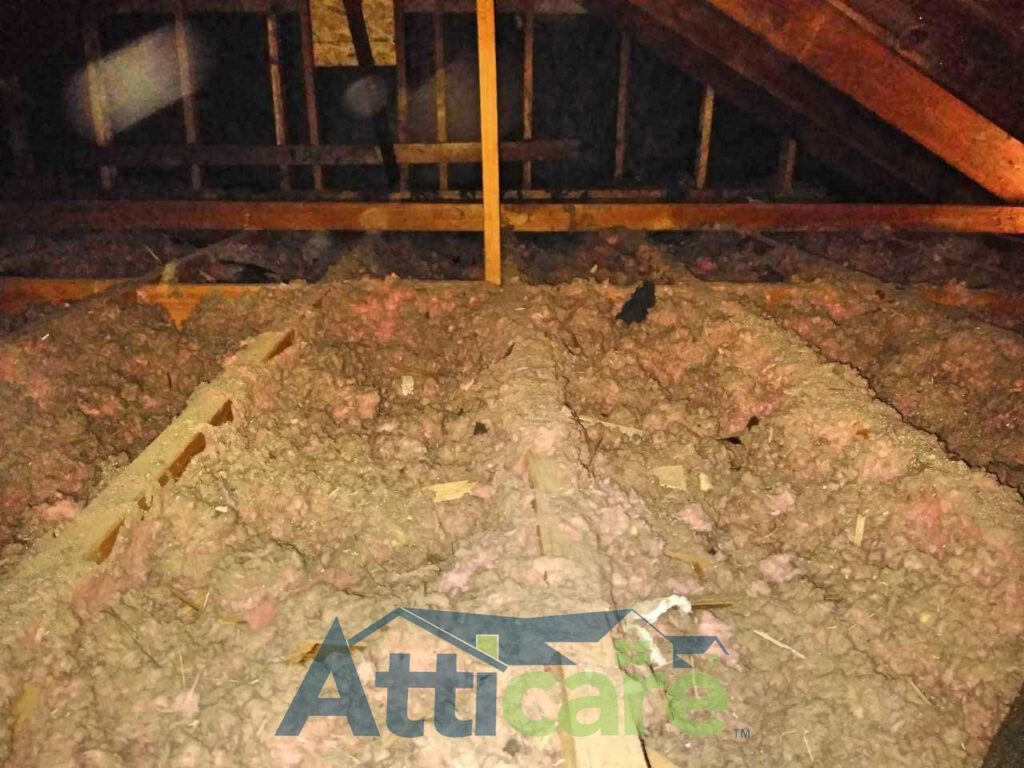
When rodents nest in your attic, they leave behind more than visible damage. Droppings, urine, and nesting materials accumulate in and under the insulation. This contamination doesn’t disappear when the rodents leave or are removed.
The CDC recommends careful handling of rodent droppings, urine, and nesting materials because of potential exposure to diseases including hantavirus.¹ Disturbing contaminated insulation without proper equipment can spread particles through your home’s air.
This is why “just getting rid of the rats” isn’t a complete solution. The contamination problem remains until the affected materials are properly removed and the space is sanitized.
The Hidden Cost of Waiting
Rodent damage compounds over time. Every week contamination sits in your attic, the situation gets worse:
- Odors from urine and droppings intensify and can affect indoor air quality
- Insulation performance degrades as materials become compressed, soiled, and displaced
- Open entry points allow more rodents to enter, expanding the infestation
- Contamination spreads to areas that were originally unaffected
Homeowners who wait often end up paying significantly more than those who address the problem promptly. The cost-effective move is acting quickly — not covering the problem with new insulation and hoping it resolves itself.
The 5-Step Solution for Rodent Damage Restoration
Short answer: Professional rodent damage restoration follows a specific sequence: inspect, clean and sanitize, seal entry points, rodent-proof, then install new insulation. The order matters — insulation is always the final step.
Step 1 — Professional Attic Inspection
Restoration starts with understanding what you’re dealing with. A professional inspection reveals the full scope of damage: where rodents entered, how far contamination has spread, whether ducts or wiring are affected, and what’s hidden under the insulation.
The damage you can see from the attic opening is rarely the complete picture. Technicians look for droppings, urine staining, nesting material, gnaw marks, entry points, damaged ducts, and compromised insulation throughout the space.
The inspection also determines what work is actually needed. Not every attic requires full insulation removal — but you can’t know that until someone properly assesses the situation.
Step 2 — Clean and Sanitize the Attic
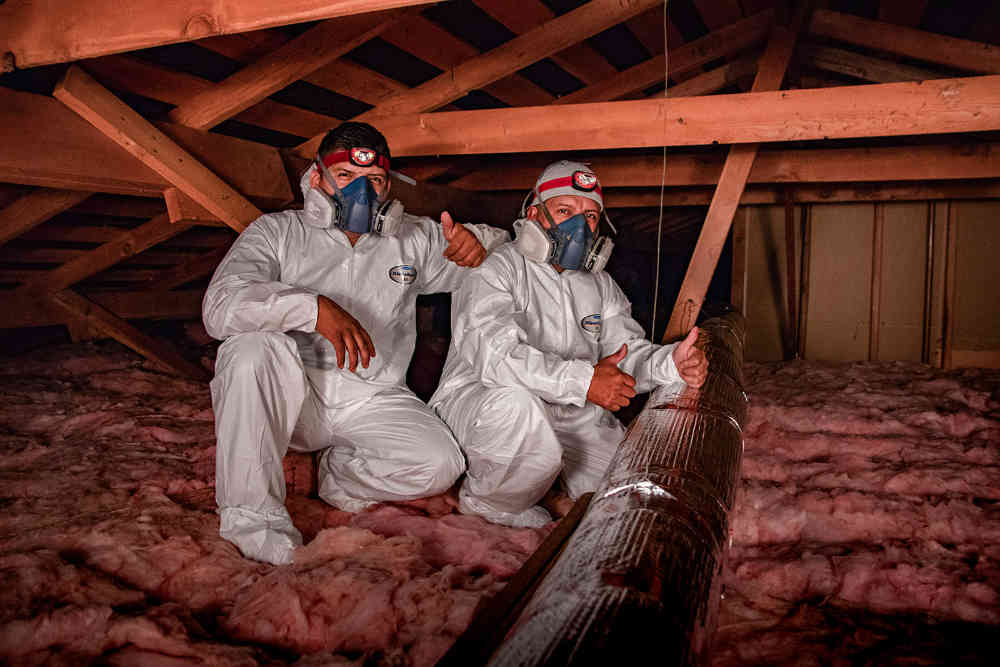
With contaminated insulation removed where necessary, the attic surfaces need thorough cleaning and sanitization. This includes vacuuming droppings, removing nesting materials and debris, and sanitizing surfaces to address odors and contamination.
Both cleaning and sanitization are mandatory — not optional. Installing new insulation over a space that hasn’t been properly cleaned and sanitized defeats the purpose. The contamination remains, odors persist, and you haven’t actually solved the problem.
Professional cleanup uses equipment and sanitation methods that address contamination more thoroughly than DIY approaches. The EPA notes that biological contaminants including animal dander and droppings can affect indoor air quality, making proper removal important.²
Step 3 — Seal Entry Points
This step addresses the gaps, cracks, and openings that allowed rodents into your attic in the first place. Sealing targets specific penetrations: gaps around plumbing and electrical, roofline openings, vent gaps, and construction joints.
Materials like wire mesh, cement, and foam are used depending on the opening size and location. The EPA recommends sealing gaps and holes to prevent rodent entry as a key prevention strategy.³
Step 4 — Rodent-Proof the Attic
Rodent proofing builds on the sealing work by addressing all potential entry pathways comprehensively. This is where most pest-control-only approaches fall short — trapping or exterminating current rodents doesn’t prevent new ones from following the same paths.
Atticare USA’s rodent proofing and exclusion sealing includes a 1-year warranty — a one-time solution rather than an ongoing service contract. The difference between exclusion and trapping is significant: trapping removes current rodents, while exclusion prevents future entry.
Step 5 — Install New Insulation
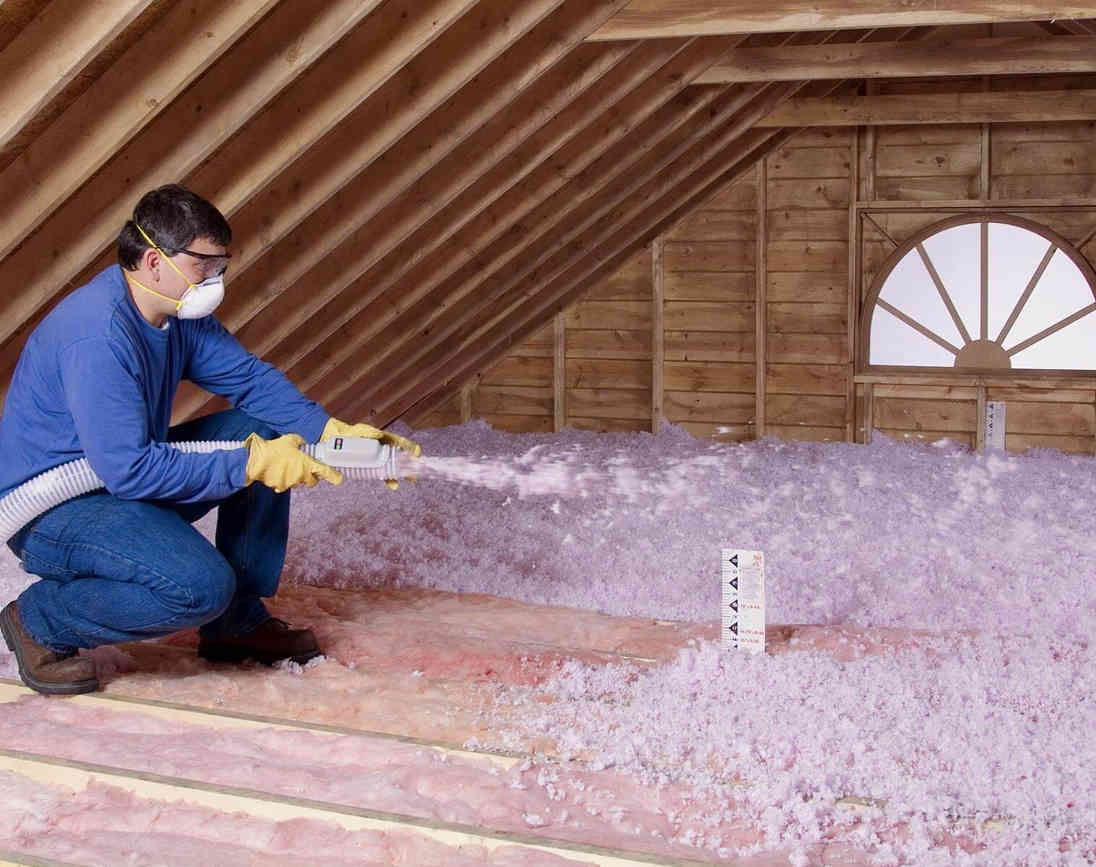
Only after the attic is inspected, cleaned, sanitized, sealed, and rodent-proofed does new insulation make sense. Installing insulation is the final step, not the first shortcut.
Before insulation, air sealing addresses gaps in the attic floor that allow conditioned air to escape. According to the Department of Energy, air sealing before adding insulation improves energy efficiency more effectively than insulation alone.⁴ The DOE’s attic air sealing guide recommends sealing all penetrations and gaps before insulating.⁵
Proper insulation, installed over a clean and sealed attic, restores your home’s comfort and energy performance. It’s the last layer of a complete restoration — not a band-aid over an unresolved contamination problem.
What Rodent Damage Restoration Typically Costs in California
Short answer: Total restoration costs vary based on attic size, contamination severity, and scope of work. A professional inspection is the only way to get an accurate estimate for your specific situation.
Every attic is different. Online estimates give you a general sense of costs, but the only way to know what your specific situation requires is a professional inspection.
Atticare USA offers free attic inspections that assess contamination, identify entry points, and determine the actual scope of work. You’ll receive a written proposal outlining the recommended scope of work and pricing before any work begins.
California homeowners may qualify for rebates and tax credits. LADWP offers rebates for qualifying insulation upgrades, and federal tax credits may apply for energy efficiency improvements.
You can also estimate your insulation costs using Atticare USA’s online calculator to get a preliminary sense of that portion of the project.
Why California Homeowners Face Year-Round Rodent Pressure
Short answer: Unlike colder climates where winter reduces rodent activity, California’s warm climate means rodents remain active all year. Los Angeles and Bay Area homeowners deal with constant pressure, not seasonal cycles.
Los Angeles: Hot Attics and No Winter Break
Los Angeles attics are hot — reaching 140–160°F in summer. The long cooling season makes attic insulation, ventilation, and duct condition critical for home comfort.
Rodent activity doesn’t pause in winter because there’s no hard freeze to reduce populations. While homeowners in colder states get seasonal relief, LA-area homeowners face year-round pressure. Rats and mice stay active through every month of the year.
Common entry points in Los Angeles homes include roofline gaps where stucco meets the roofline, vents without proper screening, utility penetrations, and garage-to-attic transitions. Many older and mid-century homes throughout the region have attics with aging insulation, construction gaps, and limited ventilation — all factors that compound rodent problems.
Bay Area: Moisture, Microclimates, and Crawl Spaces
The Bay Area has different conditions but the same fundamental problem. Rodents stay active year-round throughout the region — the East Bay, South Bay, Marin, and surrounding communities all deal with ongoing pressure.
Bay Area homes often have crawl spaces that add another dimension to rodent entry. Older housing stock may have more vulnerabilities than homeowners realize — additions, modified access points, and aging construction that creates entry opportunities.
Moisture considerations in some Bay Area microclimates can compound crawl space issues, making vapor barriers and proper ventilation more relevant alongside rodent proofing.
Pest Control vs. Rodent Proofing: Understanding the Difference
Short answer: Pest control (trapping and extermination) removes current rodents. Rodent proofing (exclusion) seals entry points to prevent future entry. Both may be needed, but they’re different services often provided by different companies.
Why Trapping Alone Doesn’t Solve the Problem
If you hire a pest control company to trap or bait rodents, you’ll remove the current population. But if entry points remain open, new rodents follow the same paths within weeks or months. You end up on a cycle of repeat service calls rather than solving the underlying problem.
Trapping addresses symptoms. Exclusion addresses the cause. A clean attic can become contaminated again if entry points are left open.
What Atticare USA Does (and Doesn’t Do)
Atticare USA provides rodent proofing, cleanup, sanitation, and restoration — not trapping or extermination. If live rodents are currently active in your attic, they need to be removed first by a licensed pest control provider.
For homeowners across California, a licensed pest control provider can address active infestations before restoration work begins.
Once current rodents are addressed, Atticare USA’s scope begins: sealing and rodent-proofing to prevent re-entry, professional attic cleaning to remove contamination, and restoration to return your attic to proper condition.
How to Get Started After Discovering Rodent Damage
Short answer: Don’t disturb contamination, don’t cover the problem with new insulation, and schedule a professional inspection to understand what you’re actually dealing with.
If you’ve found evidence of rodent activity in your attic — droppings, damaged insulation, unusual odors, or nesting material — the worst thing you can do is ignore it or try to cover it up. The problem compounds over time, and insurance isn’t coming to help.
The smartest first step is understanding the full scope of the situation. A professional inspection reveals what’s hidden, identifies entry points, and gives you a clear picture of what restoration actually requires.
Atticare USA has helped over 11,000 California homeowners clean, seal, and restore attics and crawl spaces since 2012. Diamond Certified with 1,400+ reviews, licensed (CA #1051462), insured, and bonded. Our Los Angeles office serves communities throughout the Greater LA area. Our Bay Area offices serve the East Bay, South Bay, Marin, and North Bay.
Schedule a free attic inspection to find out what’s happening in your attic and get a clear plan for restoration. You can also learn more about how to address mice in your attic while you’re deciding on next steps.
Frequently Asked Questions
Does any homeowners insurance cover rodent damage?
Standard policies exclude rodent damage as a maintenance issue. Some specialty policies or endorsements may exist, but they’re rare. Check with your insurer, but plan for out-of-pocket costs.
Can I clean rodent contamination in my attic myself?
The CDC recommends specific precautions when cleaning up after rodents, including ventilating the space, avoiding sweeping or vacuuming dry droppings, and using appropriate protective equipment.¹ Professional cleanup with proper equipment and sanitation is safer and more thorough for significant contamination.
Will rodents come back after restoration?
Professional exclusion sealing significantly reduces the chance of re-entry. Atticare USA’s rodent proofing includes a 1-year warranty. Without sealing entry points, rodents often return.
Can I just put new insulation over the old contaminated insulation?
No. New insulation should never be installed over contaminated material. The contamination remains, odors persist, and you may cover hidden damage that worsens over time. The correct sequence is always: clean, sanitize, seal, rodent-proof, then insulate.
Sources
- Centers for Disease Control and Prevention. “Cleaning Up After Rodents.” https://www.cdc.gov/healthy-pets/rodent-control/clean-up.html
- U.S. Environmental Protection Agency. “Biological Contaminants and Indoor Air Quality.” https://www.epa.gov/indoor-air-quality-iaq/biological-contaminants-and-indoor-air-quality
- U.S. Environmental Protection Agency. “Identify and Prevent Rodent Infestations.” https://www.epa.gov/rodenticides/identify-and-prevent-rodent-infestations
- U.S. Department of Energy. “Insulation.” https://www.energy.gov/energysaver/insulation
- U.S. Department of Energy. “Attic Air Sealing Guide.” https://www.energy.gov/eere/buildings/articles/attic-air-sealing-guide-building-america-top-innovation

About the Author
Sean Madar leads Atticare USA, a California attic and crawl-space restoration company specializing in rodent cleanup, exclusion, decontamination, and insulation. He works with Bay Area and Southern California homeowners to restore cleaner, healthier, more energy-efficient attics.
Recent Atticare USA projects in and near Los Angeles
- Attic Insulation Replacement and Rodent Proofing in Los Angeles, CA (Los Angeles, August 2026)
- Attic Insulation Replacement & Rodent Proofing in Los Angeles, CA (Los Angeles, December 2025)
- Attic Insulation Replacement, Rodent Proofing & Air Duct Work in Los Angeles, CA (Los Angeles, April 2026)
- Attic Insulation Replacement and Rodent Proofing in Los Angeles, CA (Los Angeles, August 2026)