Rodent proofing East Bay homes requires more than sealing a few holes. If you have heard scratching in your attic, found droppings in your insulation, or watched an exterminator set traps for the third time this year, you already know that killing today’s rodents does not stop tomorrow’s from moving in. The durable fix is a complete project: inspect the attic, remove contaminated insulation, clean and sanitize to eliminate scent trails, seal every entry point, and install new insulation only after the space is ready.
Atticare USA handles all five steps with one licensed contractor, one project timeline, and one 1-year warranty — serving Oakland, Berkeley, Concord, Walnut Creek, Fremont, and communities across the East Bay.
At a glance
- Inspect first — a free assessment identifies every entry point and documents contamination so you know the full scope before any work begins.
- Remove, clean, and sanitize — contaminated insulation comes out, then the exposed attic floor is vacuumed and sanitized to eliminate the scent trails that attract new rodents.
- Seal entry points — durable materials (steel mesh, metal flashing, hardware-cloth-backed foam) close roofline gaps, vents, and foundation penetrations.
- Insulate last — new insulation goes in only after the attic is clean, sanitized, and sealed, restoring R-value without burying an unresolved problem.
- One contractor, one warranty — Atticare USA bundles the work under a single 1-year warranty so you are not coordinating three vendors with three invoices.
What “Rodent Proofing” Actually Means — And What Most Companies Leave Out
Short answer: Rodent proofing is the process of sealing every gap, crack, and opening that rodents use to enter your home. Most exclusion companies stop there. The problem is that sealing alone leaves contaminated insulation and scent trails behind — and those scent trails can attract new rodents through any gap that was missed or develops later.
Exclusion targets the path rodents take: roofline gaps, soffit vents, foundation cracks, crawl-space screens, pipe penetrations, and construction joints. A well-sealed home gives rodents no way in. That part of the job is essential.
But rodents that lived in your attic left more than chewed wires and gnawed wood. They left droppings, urine, nesting material, and the chemical scent markers that tell other rodents “this is a good place to live.” According to CDC guidance on rodent control, rodent urine and droppings can signal to other rodents that an area is suitable for habitation.¹
If that contaminated insulation stays in place, you have not eliminated the invitation. You have only locked the front door while leaving a welcome sign in the window.
Why Sealing Without Cleanup Can Backfire
Urine-soaked insulation and accumulated droppings release odors that rodents detect from outside the structure. The EPA’s guidance on rodent infestations notes that sanitation — removing food sources and nesting materials — is a critical component of effective rodent control.²
Even a well-sealed home develops new gaps over time. A vent screen rusts. A pipe boot cracks. A soffit panel shifts. If the scent trail is still inside, the next rodent that finds a new opening will follow it straight to the same nesting area.
That is why Atticare USA treats sealing as one step in a longer process — not the entire project.
Rodent Proofing East Bay Homes: Common Entry Points
Short answer: Rodents enter through roofline gaps, gable vents, soffit joints, foundation sill plates, crawl-space vent screens, and any utility penetration larger than a quarter inch. East Bay housing stock — from Oakland Victorians to Fremont hillside ranches — offers plenty of opportunities.
A generic inspection checklist misses gaps specific to your home’s age, construction style, and site conditions.
Roofline and Attic Entry Points
- Soffit-to-fascia joints: The seam where the roof overhang meets the fascia board often has gaps large enough for mice and rats.
- Gable vents and turbine vents: Screens corrode, loosen, or get pushed aside by raccoons and squirrels.
- AC line penetrations: Refrigerant lines and electrical conduit pass through the exterior wall — the holes around them are rarely sealed properly.
- Chimney flashing and roof-to-wall intersections: Expansion and contraction open gaps that rodents exploit.
Older Oakland and Berkeley homes — especially Victorians and Craftsman bungalows — have balloon-frame walls and minimal attic sealing. Rodents can travel from the foundation to the attic inside the wall cavity if the bottom plate is not sealed. Bay Area coastal moisture accelerates corrosion on metal vent screens, creating openings faster than homeowners expect.
Crawl-Space and Foundation Entry Points
- Crawl-space vent screens: Galvanized screens rust; plastic screens crack. Either failure creates an open door.
- Sill-plate gaps: The joint between the foundation and the wood framing is rarely airtight.
- Utility sleeves: Water, gas, and electrical lines enter through holes that are often oversized and unsealed.
Concord and Walnut Creek homes built on slab foundations still have garage-to-house penetrations, laundry hookups, and HVAC chases that rodents use. Fremont hillside properties often have vented crawl spaces that sit partially underground — prime entry zones in older Bay Area housing stock.
The 5-Step Process That Actually Ends the Problem
Short answer: Atticare USA follows a fixed sequence: (1) Inspect, (2) Remove contaminated insulation, (3) Clean and sanitize, (4) Seal entry points, (5) Install new insulation. New insulation is always last — never installed over an unresolved rodent or contamination problem.
Step 1 — Inspection and Assessment
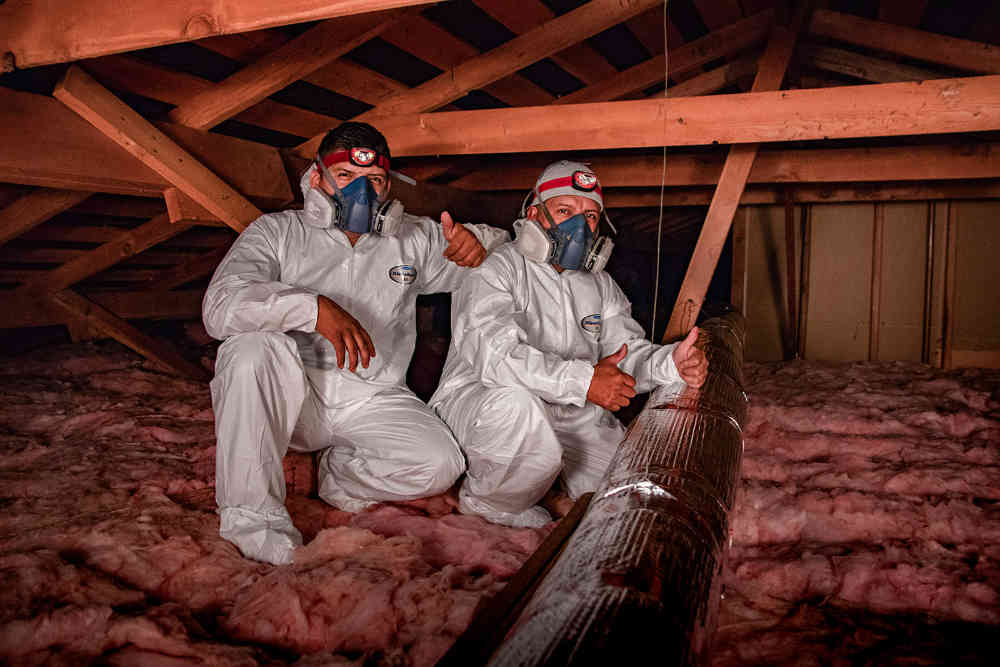
A technician evaluates the attic, crawl space, roofline, and foundation for rodent evidence and entry points. The inspection is free. You will receive a clear explanation of what was found, where rodents are entering, and what condition the insulation is in.
Step 2 — Removal of Contaminated Insulation
If insulation is soiled with droppings, urine, or nesting material, it should come out. Contaminated insulation cannot be “cleaned” in place — the material itself has absorbed waste and odor. Removal exposes the attic floor so the crew can see hidden damage, duct problems, and additional entry points buried under the old material.
Step 3 — Cleaning and Sanitizing
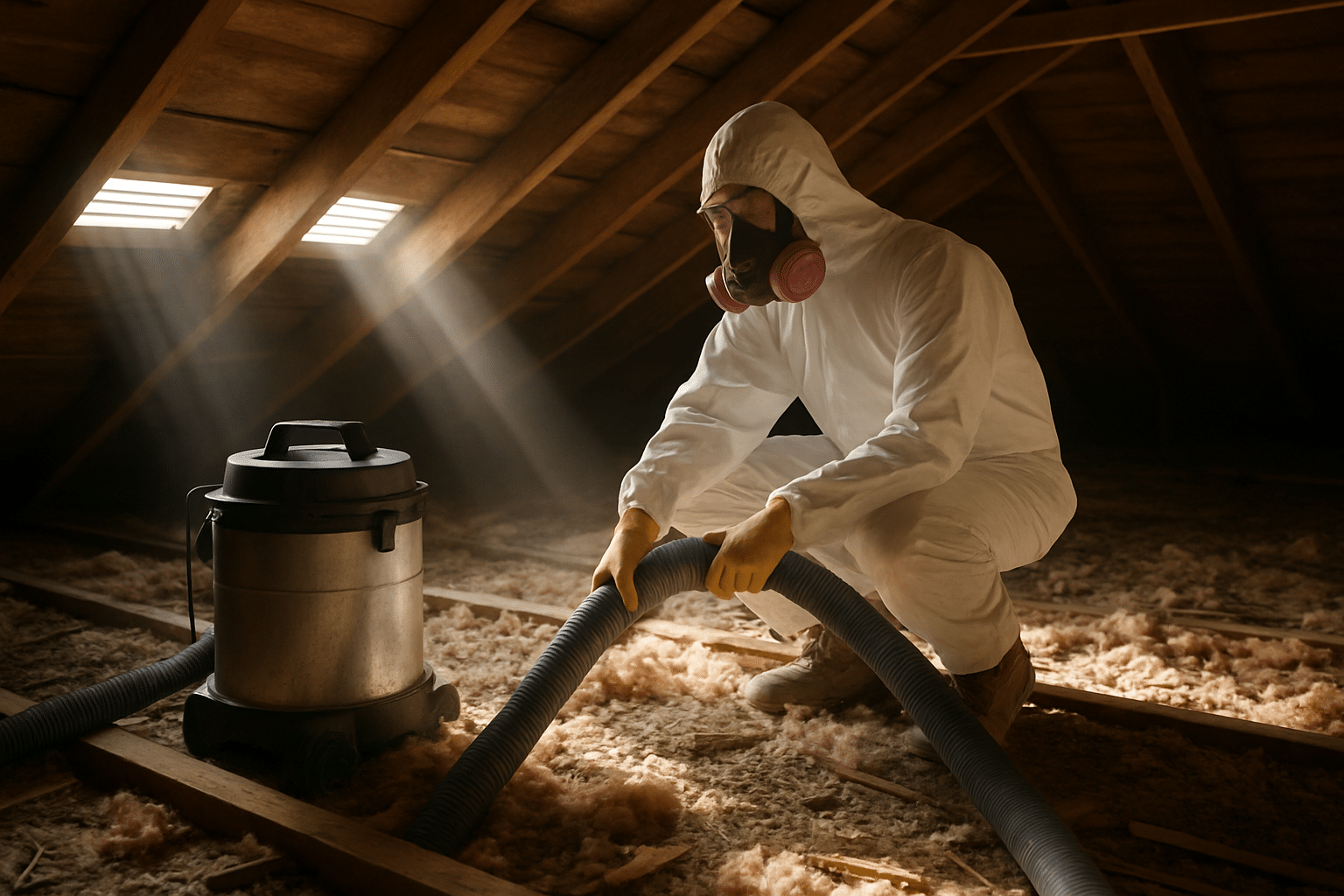
With the insulation removed, the exposed attic floor is vacuumed and sanitized. This step eliminates the scent trails that attract new rodents. The CDC’s guidance on cleaning up after rodents recommends removing droppings, urine, and nesting materials as part of any rodent control effort.³
Skipping this step — or trying to sanitize through dirty material — leaves the chemical markers in place.
Step 4 — Sealing Rodent Entry Points
Now the sealing happens. Atticare USA uses materials matched to the opening: galvanized wire mesh for vents, metal flashing for roofline gaps, expanding foam backed by hardware cloth for pipe penetrations, and concrete or metal for foundation-level openings. The goal is a seal that rodents cannot chew, push, or corrode through. The EPA recommends sealing cracks, holes, and gaps as a primary method of preventing rodent entry.²
Step 5 — New Insulation Installation
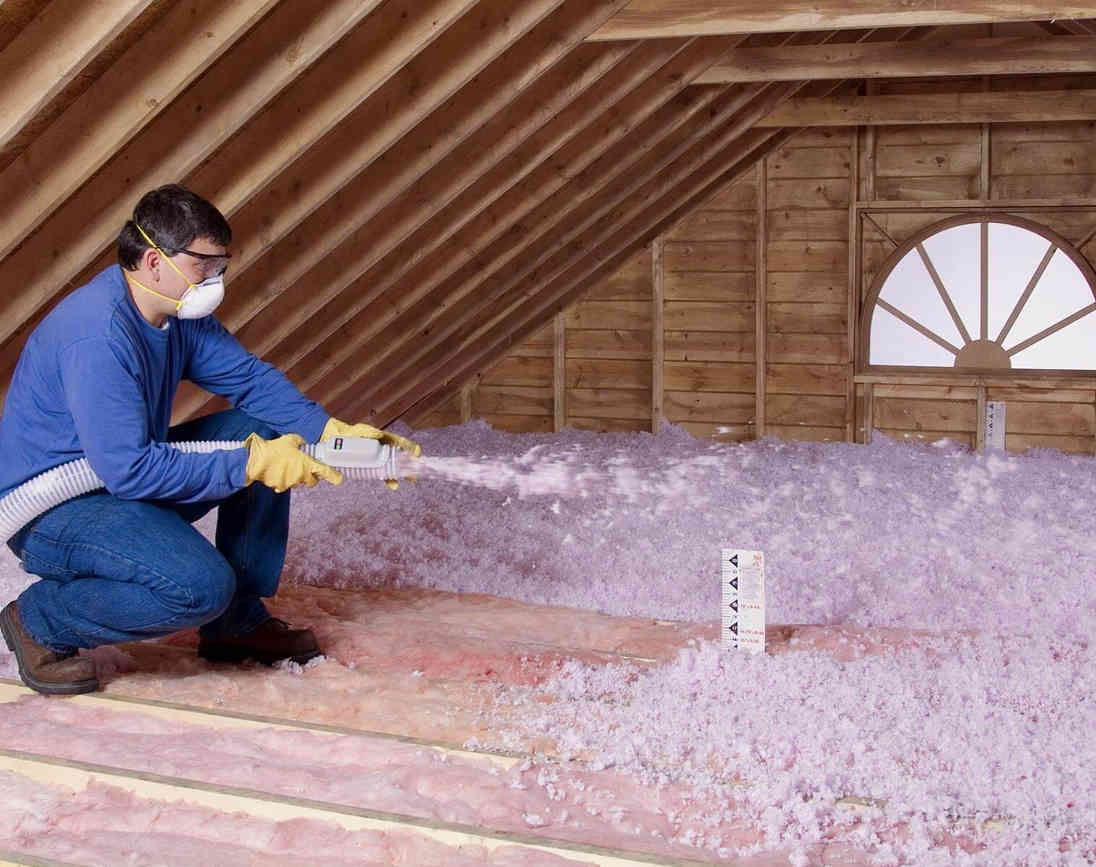
Only after the attic is clean, sanitized, and sealed does new insulation go in. This restores R-value, supports energy efficiency, and gives you a fresh start — not a fresh layer over an old problem. The Department of Energy’s insulation guidance emphasizes that insulation performs best when installed over a properly air-sealed and clean surface.⁴
One Contractor vs. Three: The Real Cost of Partial Fixes
Short answer: Hiring an exclusion company to seal entry points is only the first call. Unless you also hire a cleanup crew and an insulation installer, the project is incomplete — and the coordination headaches, multiple inspections, and warranty gaps add hidden cost.
Many homeowners discover the scope problem after the fact. The exclusion company seals the holes, hands you an invoice, and leaves. You still have contaminated insulation. You call a cleanup company; they remove the old insulation but do not install new material. You call an insulation contractor; they quote the job but discover unsealed gaps that should have been addressed first.
Three contractors. Three inspections. Three invoices. Three warranty terms that do not talk to each other.
Atticare USA bundles the work. One crew, one project manager, one warranty. If something is missed, there is one phone number to call — not a debate about which vendor is responsible.
East Bay Service Areas: Oakland, Berkeley, Concord, Walnut Creek, and Fremont
Short answer: Atticare USA serves the entire East Bay from our San Leandro location. Housing stock varies by city, but year-round rodent pressure is consistent — Bay Area winters stay mild enough that rodent populations never die off.
- Oakland: Mix of Victorians, Craftsman homes, and mid-century builds. Balloon-frame walls and unfinished basements create vertical pathways for rodents traveling from ground level to attic.
- Berkeley: Older housing stock with minimal original air sealing. Hillside homes often have vented crawl spaces exposed to moisture and requiring careful screening.
- Concord and Walnut Creek: Post-war tract homes and stucco construction. Common issues include degraded attic vent screens and garage-to-house penetrations that were never sealed during original construction.
- Fremont: Diverse housing from 1950s ranches to newer hillside construction. Hillside crawl spaces and detached garages are frequent entry zones, especially where the structure meets grade.
Atticare USA is licensed, bonded, and insured in California (CA #1051462). The company is Diamond Certified and has helped more than 11,000 clients with 1,400+ reviews.
For rodent proofing services in the Bay Area, our team inspects, cleans, sanitizes, seals, and reinsulates under one contract. See also our guide to the best rodent proofing services in the Bay Area and our overview of attic rodent removal in the Bay Area.
What to Expect: Inspection, Quote, and Timeline
Short answer: The inspection is free. Ballpark quotes are available by phone. After inspection, you receive a written proposal outlining the recommended scope of work and pricing.
A combined project — removal, cleaning, sanitizing, sealing, and reinsulating — typically completes within a few days depending on attic size, contamination level, and the number of entry points. Atticare USA coordinates the work so you are not waiting weeks between steps.
Before-and-after photos are available upon request so you can see what was sealed, what was removed, and what the finished attic looks like.
Frequently Asked Questions
How do I seal rodent entry points in my attic and crawl space?
The most effective approach is a professional inspection followed by sealing with durable materials — wire mesh, metal flashing, and hardware-cloth-backed foam. DIY caulk and spray foam alone rarely hold up; rodents chew through soft materials.
Will rodents come back after sealing?
Sealing reduces entry opportunities, but if contaminated insulation and scent trails remain, new rodents may find or create new openings. Cleanup and sanitization are part of a complete fix.
Do I need to remove insulation after a rodent infestation?
Usually, yes. Insulation soiled with droppings and urine cannot be sanitized in place. Removal also exposes hidden damage and additional entry points.
Can one contractor seal entry points, clean up, and reinsulate?
Yes. Atticare USA’s 5-step process covers inspection, contaminated insulation removal, cleaning and sanitizing, entry-point sealing, and new insulation installation — all under one contract and one 1-year warranty.
Ready to Stop Rodents for Good?
Sealing entry points is essential — but sealing alone is not enough. Atticare USA’s 5-step process removes contaminated insulation, cleans and sanitizes the space, seals every accessible opening, and installs new insulation so your attic is clean, sealed, and restored.
One licensed contractor. One project. One 1-year warranty.
Schedule a free rodent-proofing inspection and get a written proposal for your Oakland, Berkeley, Concord, Walnut Creek, or Fremont home. Call Atticare USA or contact us online to book your appointment.
Sources
- Centers for Disease Control and Prevention. “Rodent Control.” https://www.cdc.gov/healthy-pets/rodent-control/index.html
- U.S. Environmental Protection Agency. “Identify and Prevent Rodent Infestations.” https://www.epa.gov/rodenticides/identify-and-prevent-rodent-infestations
- Centers for Disease Control and Prevention. “Cleaning Up After Rodents.” https://www.cdc.gov/healthy-pets/rodent-control/clean-up.html
- U.S. Department of Energy. “Insulation.” https://www.energy.gov/energysaver/insulation
Serving Oakland, Concord: Atticare USA handles the exclusion side of this work locally — see attic rodent proofing in Oakland and attic rodent proofing in Concord.
Recent Atticare USA projects in and near Oakland
- Attic Insulation Replacement & Rodent Proofing in Oakland, CA (Oakland, December 2025)
- Attic Insulation Removal, Cleanup & Rodent Proofing in Oakland, CA (Oakland, June 2026)
- Attic Insulation Replacement & Rodent Proofing in Oakland, CA (Oakland, September 2026)
- Attic Insulation Replacement & Rodent Proofing in Oakland, CA (Oakland, July 2026)