Blog

Attic Cleaning Services Cost: What Affects the Final Price?
in

Attic Cleaning Services Cost: What Affects the Final Price?

Most homeowners don’t think much about what’s happening above the ceiling. Until something goes wrong.

You hear scratching at night. Energy bills climb unexpectedly. A musty odor starts coming through the vents. That’s usually when the attic gets opened up and reality sets in.

Attic cleaning services cost more or less depending on what’s up there. A dusty attic with some debris is a very different project from one that has years of rodent activity, compromised insulation, and contaminated air.

Understanding what separates a $900 job from a $6,000 one helps you ask the right questions before you sign anything.

Key Takeaways

  • Most homeowners pay $1,500 to $4,500 for professional attic cleaning.
  • Rodent contamination is the single biggest cost driver.
  • Insulation removal is usually quoted separately so confirm before signing.
  • Rodent sanitation is necessary for health and air quality.
  • Most reputable companies offer free attic inspections.
  • Insurance may cover sudden damage but rarely long-term infestations.
  • Los Angeles homes often require higher sanitation standards due to roof rat activity.

What Does Attic Cleaning Typically Cost?

Here’s a realistic price breakdown based on typical residential projects.

Service Type

Typical Cost Range

Basic debris cleanup

$800 – $2,500

Rodent droppings removal

$1,500 – $3,500

Full sanitation and decontamination

$2,000 – $4,500+

Insulation removal

$1,500 – $6,000

Insulation replacement

$2,000 – $8,000+

Most standard residential homes fall somewhere between $1,500 and $4,000 for a complete cleaning. The upper end of that range kicks in when rodents are involved, insulation needs to come out, or the attic is large and heavily contaminated.

If a contractor quotes you $400 and calls it a day, ask what exactly is included. Low bids often exclude sanitation, disposal, or insulation work. Those costs appear later.

The Five Things That Determine Your Final Price

Attic Size

Square footage matters. More space means more labor hours, more sanitation material, and more waste to haul out.

Some companies price by the square foot. Others give a flat project rate after the inspection. Either way, a 2,000-square-foot attic obviously costs more to clean than a 600-square-foot one.

What catches homeowners off guard is that size alone rarely explains the price range. A small, heavily contaminated attic can cost far more to clean than a large, lightly soiled one.

Rodent Contamination

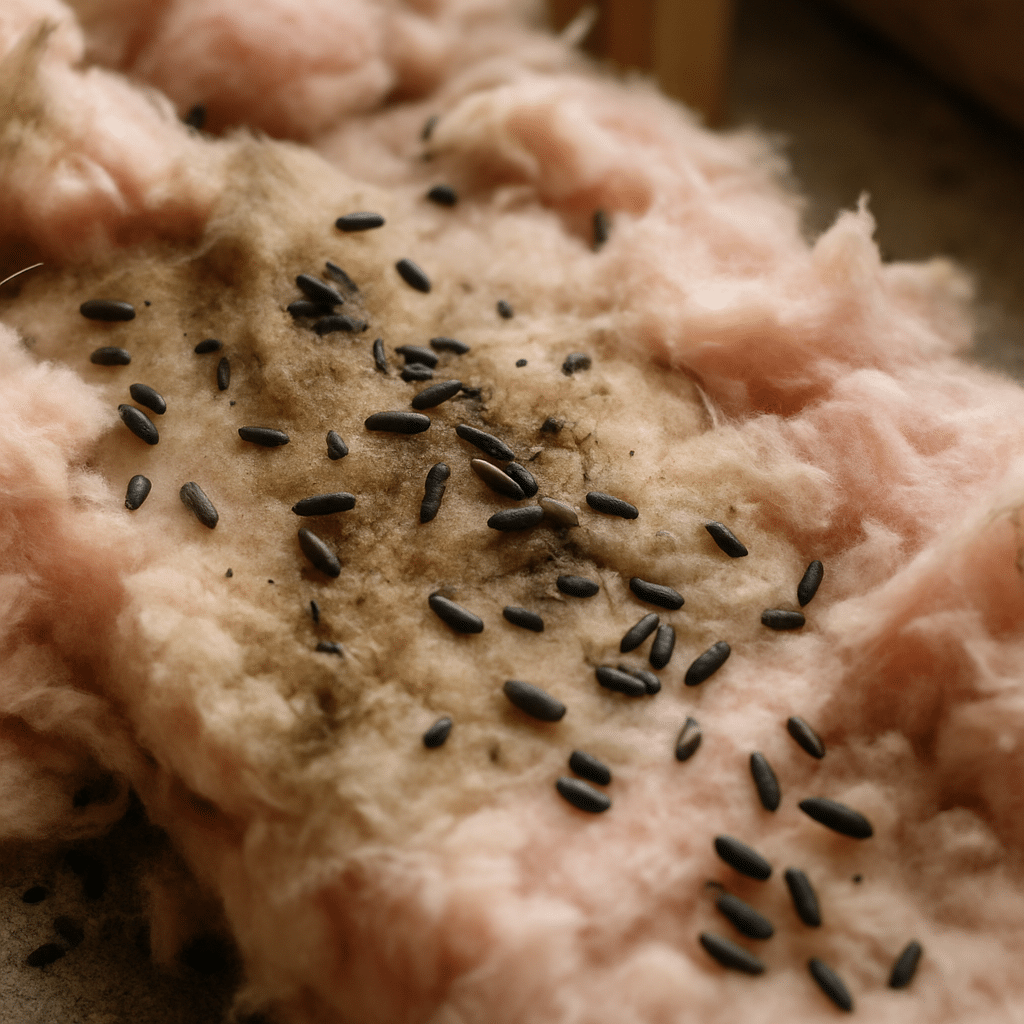
This is where attic cleaning services cost estimates can jump significantly. When rodents have been active in your attic, they leave behind droppings, urine, and nesting material.

Most importantly, rodent waste carries bacteria and pathogens that can become airborne when disturbed. Proper cleanup requires:

  • HEPA vacuuming to capture fine particulates
  • Removal of all visible droppings and nesting debris
  • Surface disinfection with appropriate treatment agents
  • Odor elimination to prevent lingering smells from reactivating

A rodent-contaminated attic typically adds $500 to $2,000 or more on top of basic cleaning costs, depending on severity.

The Condition of Your Insulation

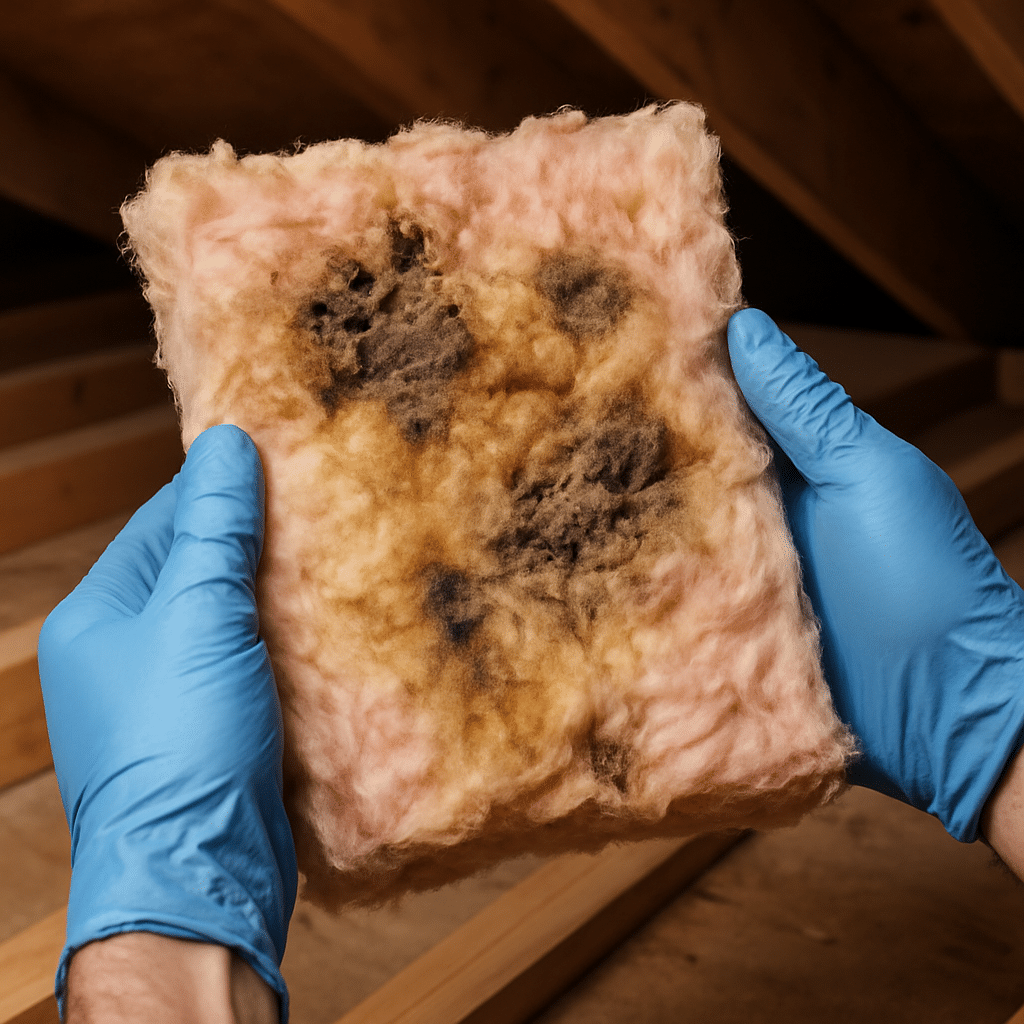
Insulation acts like a sponge. If rodents have been living in it for months, it absorbs urine, holds bacteria, and traps odor.

Insulation that’s been contaminated or compacted down over time can’t simply be sanitized. It has to come out.

Insulation removal is almost always quoted as a separate line item. It involves:

  • Manual or vacuum extraction of the old material.
  • Proper bagging and disposal (biohazard protocols apply if contaminated).
  • Disposal fees, which vary by location and material type.

Once the old insulation is out, you’re looking at a fresh installation to restore your attic to proper R-value. That adds another $2,000 to $8,000+ to the project total, depending on attic size and the type of insulation you choose.

The Scope of Sanitation Required

Not every attic cleaning job involves the same level of sanitation.

Cleaning Level

What’s Included

Cost Impact

Basic cleanup

Debris and dust removal

Low

Rodent cleanup

Droppings removal + sanitation

Moderate

Full sanitation

HEPA vacuum + disinfectant

High

Full restoration

Removal + sanitation + new insulation

Highest

Professional sanitation typically uses EPA-registered disinfectants designed for biohazard environments.

Skipping sanitation after rodents creates lingering odor and air quality issues.

Access and Structural Conditions

Attics are rarely designed for easy access. Some are simple. Others are tight crawl spaces filled with obstacles.

Labor increases when technicians must work around:

  • HVAC equipment
  • Ductwork
  • Electrical wiring
  • Structural framing

Limited attic access or damaged framing slows the job. Professional inspections account for this before quoting.

Explore full attic and crawl space services.

Do Companies Charge Per Square Foot or Per Project?

Both pricing models exist. Project-based pricing is more common. Why?

Because contamination levels vary too much to standardize. When square-foot pricing is used, typical ranges look like this:

Cleaning Type

Cost Per Sq Ft

Basic attic cleaning

$1.50 – $3.00

Contaminated attic cleanup

$3.00 – $7.00+

Word to the wise: always ask for a written, line-item estimate so you know exactly what you’re paying for. Labor, materials, sanitation, and disposal should be listed separately.

How Much Does Rodent Attic Cleanup Cost?

Rodent-specific attic cleaning usually costs $1,500–$4,500+. That price typically includes:

  • Droppings removal
  • HEPA vacuuming
  • Sanitation treatment
  • Odor control

What it usually does not include is insulation removal, new insulation, or rodent-proofing (sealing entry points to prevent re-entry). Those are related services that often make sense to bundle, but they’ll appear as separate line items on a thorough estimate.

If a company quotes you one flat number without breaking out these components, ask them to itemize it.

Learn more about our attic cleaning services.

Is Insulation Removal Included in Attic Cleaning?

Usually, no. Most attic cleaning companies treat insulation removal as a separate service because it involves additional labor, specialized equipment, and disposal costs.

If your insulation needs to come out, confirm the following:

  • Is insulation removal included in the quote, or is it a separate charge?
  • What’s the disposal fee?
  • Is replacement insulation part of the scope?

Full attic restoration (cleaning + insulation removal + new installation) is a more significant investment, but it addresses the root cause rather than cleaning around a compromised insulation layer.

Is Sanitation Necessary After a Rodent Infestation?

Yes, and this isn’t a nice-to-have. Rodents leave behind waste throughout the insulation and on structural surfaces. Without proper sanitation:

  • Odors linger and can intensify with temperature changes.
  • Bacteria remain on surfaces even after visible debris is removed.
  • Contaminated air continues to filter into your living space through gaps and ductwork.

Professional sanitation uses HEPA filtration and EPA-registered disinfectants to decontaminate the space thoroughly. Skipping this step after an infestation creates ongoing air quality problems. Simply put, it can make the space inviting to new rodent activity.

How Long Does Attic Cleaning Take?

Attic Condition

Estimated Time

Light debris only

4–6 hours

Moderate contamination

1 full day

Heavy contamination + insulation removal

1–2 days

Large homes and complex attics take longer. Technicians usually provide a timeline during inspection.

Are Attic Inspections Free?

Most reputable attic cleaning companies offer a free inspection before providing any quote. This typically includes:

  • A visual walkthrough of the attic space.
  • Assessment of contamination levels and insulation condition.
  • An evaluation of any entry points or structural concerns.
  • A written estimate based on actual conditions.

Take advantage of this. An in-person inspection gives you an accurate quote and lets you evaluate the company before committing. Be cautious of any company that quotes a firm price without seeing the attic first.

Does Homeowner’s Insurance Cover Attic Cleaning?

Sometimes it does, but the conditions matter. Insurance may cover attic cleaning costs when:

  • A sudden, documented event caused the damage (storm, pest entry through structural breach)
  • The claim is tied to covered property damage

Insurance typically does not cover:

  • Long-term rodent presence or neglect
  • Routine maintenance or gradual deterioration
  • Insulation that’s simply old or degraded

Check your specific policy and document the damage with photos before any work begins. Some restoration companies can assist with the claims process if applicable.

What Does New Insulation Cost After Cleaning?

If your attic needs insulation after cleaning, budget an additional $2,000–$8,000+ depending on:

  • Attic square footage
  • Target R-value for your climate zone
  • Type of insulation (blown-in fiberglass, cellulose, spray foam)

Cleaning and insulation replacement together (as in full attic restoration) delivers the most complete result. This way you’ll be restoring the attic to a clean, properly insulated state that improves energy efficiency and indoor air quality.

Is Professional Attic Cleaning Worth It?

For basic debris removal, a homeowner with the right equipment could be up to the task. But the moment rodents are involved, the calculus changes.

DIY attic cleaning in a contaminated space exposes you to:

  • Rodent-borne pathogens (hantavirus, salmonella)
  • Airborne insulation particles
  • Contaminated dust that spreads through the house when disturbed

Professional attic cleaning services bring:

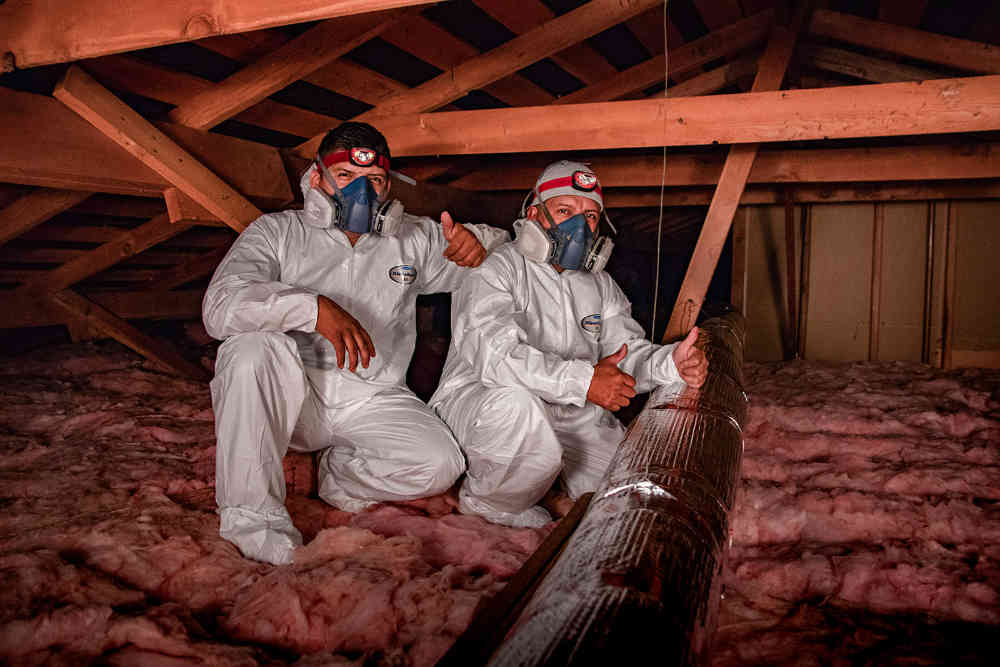
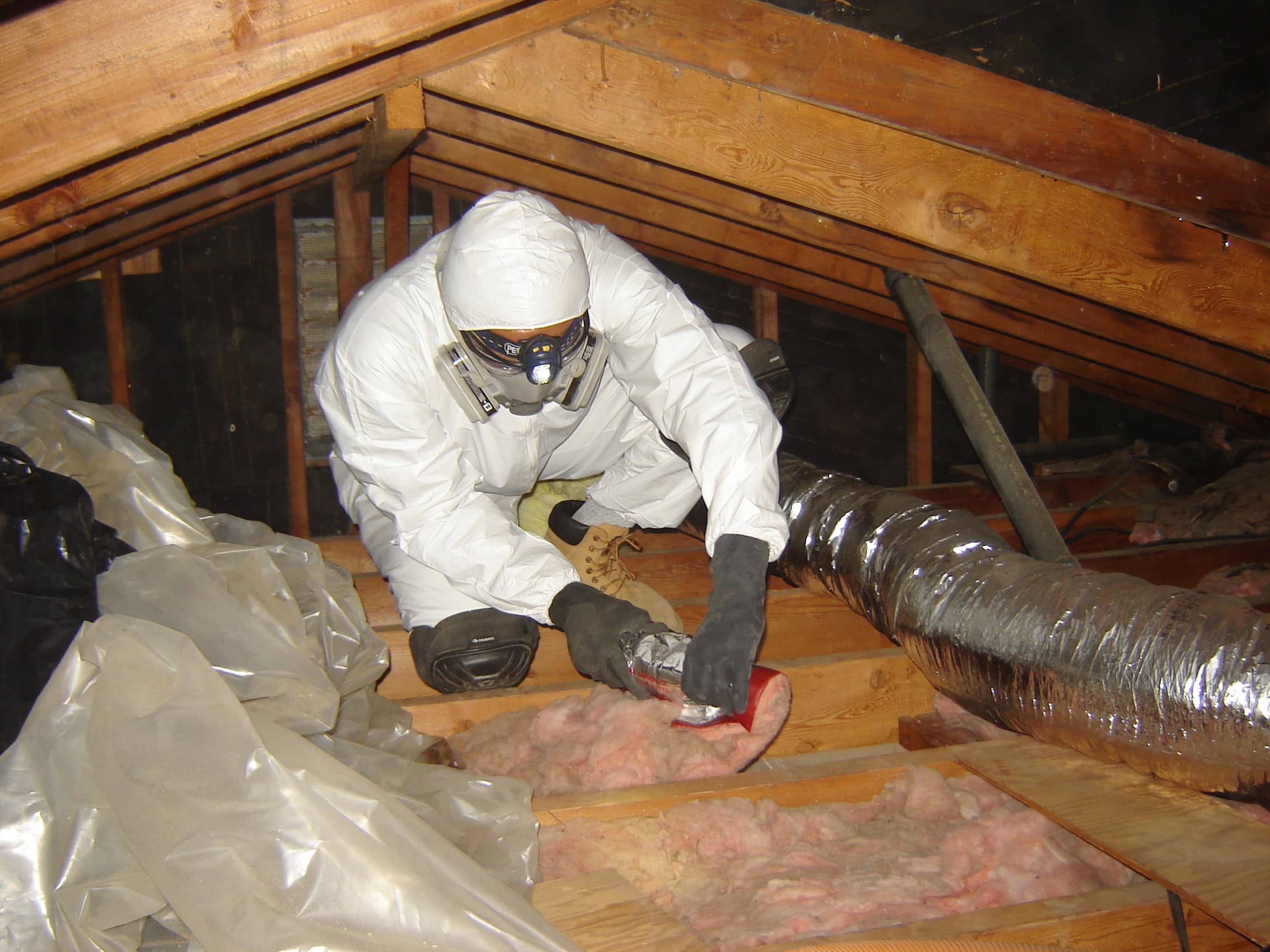
  • Protective equipment and proper respirators
  • Industrial HEPA vacuum systems
  • EPA-registered disinfectants
  • Licensed disposal of biohazard waste
  • A documented scope of work

The investment is higher than doing it yourself. The health and safety risk of not doing it properly is higher still. This is especially true if you have children, elderly family members, or anyone with respiratory concerns.

Questions to Ask Before Hiring a Company

Before you sign off on an attic cleaning estimate, get clear answers to these:

  1. Is insulation removal included, or is it a separate charge?
  2. What sanitation method do you use and what products?
  3. Does the estimate include disposal fees?
  4. Are you licensed and insured?
  5. Do you provide a written, line-item scope of work?
  6. Is there a warranty or follow-up service if odors return?
  7. Do you seal entry points, or is that a separate rodent-proofing service?

A professional company answers these without hesitation. If you’re getting vague answers or resistance to a written estimate, keep looking.

Schedule Your Free Attic Inspection

Nobody wants to spend their hard-earned money on attic restoration. It’s dirty, cramped, and usually the last thing you want to deal with.

But those costs reflect the reality of the work. Think of this as protecting your biggest investment. You’re paying for pros to handle the hazardous materials, the heavy lifting, and the technical repairs.

Not sure what condition your attic is in?

At Atticare, our team performs a full attic inspection, identifies contamination, and provides a clear estimate before any work begins.

Schedule your free attic inspection.

Frequently Asked Questions

How much does attic cleaning cost?

Expect to pay between $800 and $4,500. The final price varies based on your attic’s square footage, the volume of waste, and whether you need the old insulation hauled away.

What affects attic cleaning pricing the most?

Rodent contamination is the biggest factor. Clearing out biohazards requires specialized safety gear, industrial sanitation, and extra labor hours compared to a standard cleaning.

Is insulation removal included in attic cleaning?

Usually, no. Most contractors quote insulation removal as a separate service. Always clarify with your pro whether your estimate covers just the sanitation or if it includes stripping out the old materials, too.

Do companies charge per square foot?

While some do, most pros prefer project-based pricing. Every attic has different obstacles and contamination levels, so a flat quote is usually more accurate than a simple rate based on square footage.

How much does rodent attic cleanup cost?

Budget for $1,500 to $4,500. This covers the sanitation and removal of biological waste, but it generally does not include the cost of replacing your insulation or the structural exclusion work to keep them out.

Is sanitation necessary after rodents?

Yes. Rodent droppings and urine leave behind harmful bacteria and chemical pheromones. Professional disinfection is the only way to neutralize health risks and remove the scent trails that attract new pests.

How long does attic cleaning take?

Most jobs take between four hours and two days. The timeline depends on how much contaminated material needs to be removed and how much “heavy lifting” the crew has to do in the rafters.

Are attic inspections free?

Most reputable companies offer a free inspection. If a contractor tries to give you a quote over the phone without seeing your specific attic setup, take that as a major red flag.

Does insurance cover attic cleaning?

Usually, no. Insurance companies generally view this as routine property maintenance. Coverage might only apply if the damage was the result of a sudden, accidental event like a fire.

Is professional attic cleaning worth it?

Yes, especially after a rodent issue. It’s the only way to protect your indoor air quality and remove the lingering scent trails that would otherwise bring the next colony straight back into your home.

Rodent Inspection Cost: Is It Free or Worth Paying For?
in

Rodent Inspection Cost: Is It Free or Worth Paying For?

Between the year-round sunshine and our city’s architecture, pests in LA are always looking for a way in. Factors like attic access can turn a small nuisance into a major headache pretty quickly. 

In Los Angeles, standard pest control usually runs between $150 and $600, with most one-time treatments landing in that $250–$350 sweet spot.

The price reflects what’s happening behind your walls rather than just what you see in the kitchen. If you suspect your attic is involved, definitely book a free professional inspection to see exactly what you’re up against.

Key Takeaways

  • Basic rodent inspections are often free when bundled with a service quote
  • Paid inspections include attic entry, written reports, and detailed entry-point mapping
  • Expect to pay $150–$350 for a standard attic rodent inspection in Los Angeles
  • Real estate inspections with full documentation typically run $300–$600+
  • Many companies credit the inspection fee toward treatment costs
  • A roofline-only visual check is never enough
  • Home size, attic accessibility, and report requirements all move the price
  • Roof rats are the dominant attic rodent across Los Angeles County

What Does a Rodent Inspection Cost in Los Angeles?

It depends on what level of inspection you’re getting. A basic rodent inspection (the kind tied to a service quote) is usually free. A technician checks for activity and provides an estimate.

That’s enough if your only question is: “Do I have rodents?”

But if you need documentation, attic entry, entry-point mapping, or real estate reporting, you’re looking at a paid inspection.

Here’s how pricing usually breaks down across Los Angeles:

Inspection Type

Typical Cost (LA Area)

Basic inspection (quote-based)

Free

Standard attic rodent inspection

$150 – $350

Real estate inspection with written report

$300 – $600+

Comprehensive exclusion assessment

$400 – $750

Attic size is the biggest factor.

A small condo attic may take 30 minutes. A large hillside property in areas like Encino, Pasadena, or the Hollywood Hills can take two hours or more.

Older LA homes also tend to have complex rooflines and additions, which means more potential entry points to inspect.

Is Rodent Inspection Free?

Yes. But not always. It depends on how detailed the inspection is.

When Free Inspections Make Sense

Most pest control or attic restoration companies offer free inspections when they’re tied to a service estimate.

During a free inspection, a technician typically:

  • Visually checks the attic for rodent activity
  • Identifies droppings, nesting material, or gnaw marks
  • Confirms whether rats or mice are present
  • Performs a basic roofline and vent check
  • Provides a service quote

That’s useful for homeowners who just want to confirm a problem.

When You’ll Need to Pay

Paid inspections usually include:

  • A written inspection report
  • Detailed entry-point mapping
  • Photo documentation
  • Attic contamination assessment
  • Real estate transaction documentation

If a technician is spending significant time inside the attic documenting damage and access points, that inspection is a professional service.

What a Professional Rodent Inspection Should Include

A legitimate rodent inspection always includes attic entry. Rodents don’t live on your roof. They live inside the attic. Skipping that step leaves critical information unseen.

Inside the Attic

A professional inspection looks for:

  • Droppings identification (rat vs. mouse)
  • Nesting areas inside insulation
  • Rodent runways through insulation
  • Urine staining and odor concentration
  • Chewed wiring, ducting, or wood framing
  • Gaps around plumbing and electrical penetrations
  • Insulation displacement or contamination

Some inspectors also use UV lighting to detect urine saturation in insulation.

According to the CDC, rodent droppings and urine can carry pathogens such as hantavirus, which is one reason contaminated insulation often needs replacement rather than simple cleaning.

Along the Structure

Exterior inspection points include:

  • Roof vents and attic fan housings
  • Tile roof gaps and flashing seams
  • Soffits and fascia boards
  • Crawl space vents and foundation openings
  • Garage roof transitions

In Los Angeles homes, roof vents and eave gaps are the most common entry points for roof rats. A rat can squeeze through a gap about the width of a quarter.

Rodents in Los Angeles: Why Attics Are a Target

Los Angeles has ideal conditions for roof rats. The dominant species across the region is Rattus rattus, commonly called the roof rat.

They prefer elevated nesting areas such as:

  • Attics
  • Roof cavities
  • Palm trees
  • Dense landscaping

Roof rats are excellent climbers. They travel along tree branches, power lines, roof edges, anything you can think of.

Neighborhoods like Los Feliz, Glendale, Sherman Oaks, Pasadena, and Silver Lake tend to see higher roof rat activity due to heavy tree coverage.

Rodents reproduce quickly. A single female rat can produce 5–7 litters per year, with 6–12 pups per litter. That’s why infestations grow fast once rodents enter an attic.

Los Angeles’ mild climate allows rodents to breed year-round, unlike colder regions where winter slows population growth.

Basic vs. Comprehensive Inspection: What’s Different?

Feature

Basic Inspection

Comprehensive Inspection

Attic entry

Sometimes

Yes

Entry-point mapping

Limited

Detailed

Photo documentation

Minimal

Full

Written report

No

Yes

Exclusion plan

General

Detailed scope

Real estate compliant

No

Yes

Comprehensive inspection is essential especially if you’re planning major exclusion work. Think sealing entry points or replacing contaminated insulation.

Entry points must be located before they can be sealed. Otherwise rodents return.

Schedule Your Free Attic Rodent Inspection

What Drives Rodent Inspection Pricing?

Several factors affect inspection cost in Los Angeles.

Home Size and Attic Layout

More square footage means more inspection time. Many LA homes have multiple attic sections, especially properties built with additions.

Property Type

Expected Inspection Cost

Small condo or apartment

Free – $200

Standard single-family home

$150 – $350

Large or luxury home

$400 – $750

Historic homes in areas like Highland Park or Pasadena can also have older framing and hidden attic spaces that require more careful inspection.

Attic Accessibility

Low-clearance attics and tight crawl spaces slow everything down. Technicians often navigate around:

  • HVAC equipment
  • ducting
  • electrical lines
  • deep blown-in insulation

Inspection time increases significantly in these conditions.

Why You’re Getting the Inspection

Quote-based inspections are free because companies expect to perform the treatment work. Standalone inspections, especially those requiring documentation, are paid services.

The California Structural Pest Control Board regulates pest control operators in the state, and licensed companies often follow formal inspection protocols when preparing reports.

Coastal Locations

Homes near the coast face additional inspection concerns. Salt air accelerates corrosion on:

  • Metal roof vents
  • Attic fan housings
  • Vent screens

In coastal neighborhoods like Santa Monica, Venice, Manhattan Beach, and Malibu, technicians frequently find rusted vent screens that rodents easily chew through.

These properties often require more detailed inspection.

Insulation and Rodent Damage

Rodents rarely stay confined to one corner of the attic. They tunnel through insulation and leave droppings throughout.

Contaminated insulation loses effectiveness and can affect indoor air quality.

Most Los Angeles homes should have attic insulation rated between R-30 and R-38, according to Department of Energy recommendations for Southern California climate zones.

If rodents heavily contaminate insulation, replacement is often necessary to restore proper energy efficiency and hygiene. During inspections, technicians often check:

  • Insulation depth
  • Contamination levels
  • Odor concentration

This helps determine whether insulation removal or replacement is needed.

Does the Inspection Fee Get Applied Toward Treatment?

Often, yes. Many pest control and attic restoration companies apply the inspection fee toward the final service cost.

Some companies waive the fee entirely when work is scheduled. Before booking, ask directly: “Is the inspection fee credited toward the service?”

Transparent companies answer clearly.

Do You Need a Rodent Inspection Before Buying a Home?

It’s not legally required in California. But it’s highly recommended.

Standard home inspections sometimes note evidence of rodents. That’s useful but limited. A dedicated rodent inspection provides:

  • Confirmation of active vs. past infestation
  • Entry-point identification
  • Insulation contamination documentation
  • Estimated repair and exclusion costs

In California real estate transactions, sellers must disclose known pest issues. A rodent inspection can help buyers verify the actual condition of the attic.

Many real estate agents recommend them for homes built before 1980, when insulation standards were different and attic sealing was less common.

Learn more about rodent proofing here.

How Long Does a Rodent Inspection Take?

Typical inspection times depend on the size of your property, specifically:

Property Type

Typical Inspection Time

Small condo or attic

30–45 minutes

Standard single-family home

45–90 minutes

Large or complex property

2+ hours

If a written report is included, expect delivery within 24–48 hours. The technician typically compiles:

  • Inspection photos
  • Entry-point diagrams
  • Contamination findings
  • Recommended repairs

A professional report should clearly explain the scope of work required.

Is Paying for a Rodent Inspection Worth It?

Everyone loves a free inspection. But you have to know what you’re getting.

A free consultation usually just answers whether there are rats in the attic. It’s a basic yes or no.

A paid, comprehensive inspection is a completely different beast. It is the difference between just seeing the problem and solving it.

When you pay for a professional deep-dive, you get the full picture. A pro will map out the severity of the infestation, hunt down every single entry point the rodents are using, and assess exactly how much of your insulation has been ruined.

They’ll give you a roadmap for the specific repairs that stop the problem for good, rather than just putting a band-aid on a bullet wound.

Paying for that level of expertise is a smart move. This is especially true if you’re in the middle of a real estate deal, planning to swap out your insulation, or just tired of the same pest problem popping up every season.

Before You Call Anyone, Do This First

Walk up to your attic hatch and listen for 60 seconds. Scratching and scurrying above your ceiling is enough reason to book an inspection; free or paid.

Don’t wait for it to get worse. Rodents don’t leave on their own and are most likely working through your insulation, wiring, and air ducts.

Here’s a practical way to decide which inspection type you need:

  • Just want to confirm activity? A free inspection gets you there. Call a licensed company, get eyes in your attic, and see what you’re dealing with.
  • Planning to replace insulation or seal entry points? Pay for the comprehensive assessment. You need accurate entry-point mapping before any contractor touches your attic. 
  • Buying or selling a home? Get the written report. It protects you in negotiations and gives you a real number for remediation costs before you’re legally committed to the property.

Lastly, ask the technician to walk you through what they find. A good inspector explains what needs to happen next.

See our rodent removal and attic restoration services.

Frequently Asked Questions

How much does a rodent inspection cost?

Rodent inspections in Los Angeles range from free to about $750, depending on scope. Basic inspections tied to service quotes are usually free. Detailed attic inspections with reports typically cost $150–$600+.

Is rodent inspection free?

Sometimes. Many companies offer free inspections when providing a treatment estimate. Inspections requiring written documentation or detailed attic analysis are usually paid.

What does a rodent inspection include?

A proper inspection includes attic entry, droppings identification, insulation contamination assessment, and identification of structural entry points around the roofline and vents.

Is attic inspection included?

It should be. Any rodent inspection that skips the attic is incomplete because that’s where rodents nest.

How long does a rodent inspection take?

Most inspections take 45–90 minutes, depending on home size and attic accessibility.

Is the inspection fee applied toward treatment?

Many companies credit the inspection fee toward the final service cost. Always confirm before scheduling.

What affects rodent inspection pricing?

Home size, attic accessibility, inspection documentation requirements, and coastal corrosion issues all affect pricing.

Do I need an inspection before buying a home?

It’s not required in California, but it’s highly recommended for older homes or properties with signs of rodent activity.

How Much Does Attic Pest Control Cost in Los Angeles? (2026 Pricing Guide)
in

How Much Does Attic Pest Control Cost in Los Angeles? (2026 Pricing Guide)

Attic pest control in Los Angeles typically costs $1,500–$4,500+ for a complete job. This includes rodent removal, structural sealing, and full sanitation. Inspection is usually free. What you pay beyond that depends on how bad the infestation is.

Most homeowners who contact Atticare are way past dealing with a minor nuisance. We’re talking months of noise and an attic that’s likely been used as a rodent highway. By the time they call, the job involves a full cleanup with a total insulation replacement. 

This guide covers what pest control Los Angeles cost looks like for attic-specific work in 2026. We break down the real price ranges, what factors drive those costs up or down, and details exactly what you should see on a professional estimate.

Key Takeaways

  • Attic pest control in LA costs more than national averages due to labor, regulations, and housing density.
  • Rodent exclusion and structural sealing drive the bulk of the cost.
  • Contaminated insulation significantly raises the total price.
  • One-time treatments work for minor problems whereas quarterly service prevents them from coming back.
  • Most reputable attic specialists offer a free inspection before quoting anything.
  • Companies must be licensed by California Structural Pest Control Board (SPCB) and operators hold Branch 2 licenses for general pest control.

What Is the Typical Price Range for Attic Pest Control in LA?

Expect to spend anywhere from $250 to $6,000+, depending on what your attic needs. Here’s how the major service categories break down:

Service

Typical Cost (LA Area)

Attic inspection

Free – $200

Minor insect treatment

$250 – $600

Rodent removal

$800 – $2,500

Rodent exclusion & sealing

$1,500 – $4,500+

Attic sanitation

$800 – $2,000

Contaminated insulation removal

$1,500 – $6,000

These ranges specifically reflect the real pest control Los Angeles cost landscape. LA’s labor market, strict environmental regulations, and older housing stock all push prices higher than national averages.

👉 Schedule a Free Attic Pest Inspection

How Long Does Attic Pest Control Take?

Here’s the typical timeline:

Stage

Time

Inspection

30–60 minutes

Rodent removal

3–10 days

Exclusion work

1 day

Insulation removal

1 day

New insulation install

same or next day

Why Rodent Exclusion Is the Most Expensive Part

Roof rats are the most common attic invaders in Los Angeles. House mice, raccoons, opossums, and squirrels, especially near hillside areas or older tree-lined neighborhoods are no strangers either.

If rats or mice have found their way into your attic, trapping them is only step one. The real work is making sure they can’t get back in.

Rodent exclusion for an LA attic typically runs $1,500 to $4,500 or more. That range exists because every home is different. A single-story ranch with a clean roofline costs far less to seal than a two-story home with multiple gable vents, soffit gaps, and aging fascia boards.

A thorough exclusion job covers:

  • Locating every entry point (including ones you’d never find yourself)
  • Sealing gaps and cracks with durable, rodent-resistant materials
  • Installing metal flashing where needed
  • Protecting vents with heavy-gauge screening
  • Removing droppings and nesting material
  • Sanitizing and decontaminating the affected area

Coastal homes often require upgraded materials because standard screening corrodes faster near the ocean. This is yet another reason why pest control Los Angeles costs run higher than inland markets.

Note: Rodent activity in Los Angeles tends to spike during late fall and winter, when pests seek shelter indoors.

What Drives the Final Price Up or Down?

No two attics are the same. Here are the factors that move your quote in either direction.

Attic Size and Accessibility

Technicians charge for time and difficulty. A low-clearance attic (someone has to army-crawl to reach the far corners) takes longer and costs more. So does a multi-level home with multiple attic zones.

Severity of the Infestation

A fresh rodent problem caught early is much cheaper to address than one that’s been active for months. Active nesting, large populations, and widespread urine contamination all add time and materials to the job.

Insulation Damage

If your insulation has been compressed by rodent traffic, saturated with urine, or contaminated with droppings, it has to come out before any sealing or sanitation work begins. Insulation removal alone can run $1,500 to $6,000 in LA, depending on attic size and material type.

Leaving contaminated insulation in place is also an air quality issue. That material circulates through your HVAC system every time your heat or AC runs.

Pest Type

Pest

Cost Impact

Ants

Low

Cockroaches

Moderate

Mice

Moderate–High

Rats

High

Termites (attic framing)

High

Rodents consistently drive the highest attic pest control costs because exclusion, sanitation, and often insulation replacement are all part of a complete solution. Insects are generally cheaper to treat, though a serious termite problem in attic framing is its own category entirely.

One-Time Treatment vs. Ongoing Service: What’s Worth It?

Plan

Average Cost

Best For

One-time treatment

$250 – $800

Minor or isolated infestations

Quarterly service

$120 – $250/visit

Prevention after exclusion work

Monthly service

$49 – $700/month

Active or recurring issues

For most LA homeowners who’ve completed a proper exclusion, quarterly service is enough to keep things clean. Monthly service is typically reserved for properties with near open fields, canyon edges, or areas with heavy rodent pressure.

Many attic pest control companies offer warranties on exclusion work. These typically range from 1 to 5 years, depending on the scope of sealing performed. A warranty usually covers the return of rodents through previously sealed entry points.

Note: A quarterly plan costs less long-term than paying for repeat infestations. But only sign one after exclusion work is done. Monitoring an unsealed attic just delays the inevitable.

Are Pest Control Prices Higher in Los Angeles?

Yes, and the gap is real. Several things push pest control Los Angeles cost above the national baseline:

  • Higher labor costs. LA technicians earn more, and that’s reflected in service pricing across the board.
  • Regulatory requirements. California has some of the strictest pesticide regulations in the country. Licensed companies here operate under rules that limit certain chemical applications, affecting both materials and methods.
  • Coastal corrosion. Homes near the coast require more durable sealing materials and heavier-gauge vent screens that hold up against salt air. Both cost more.
  • Older housing stock. Many LA neighborhoods are full of homes built in the 1950s through 1980s. Older construction means more gaps, more degraded entry points, and more sealing work overall.
  • Rodent pressure. LA’s climate, urban density, and restaurant corridor neighborhoods create ideal conditions for rats and mice year-round.

Do Eco-Friendly Attic Treatments Cost More?

Yes, typically 10 to 20% more than conventional options. Botanical-based repellents, non-toxic baiting systems, and pesticide-free exclusion methods cost more in materials and labor, too.

That said, many LA homeowners specifically request eco-friendly and non-toxic treatments. This is particularly true in homes with children, pets, or immunocompromised family members. For attic work where chemicals can migrate into living areas through ceiling gaps, low-toxicity methods are a reasonable precaution.

Note: Rodent infestations in attics can create health risks. Droppings and urine may carry pathogens such as Salmonella and Hantavirus. Dried waste particles can become airborne when insulation is disturbed.

What About Free Inspections?

Most reputable attic pest control companies in Los Angeles offer a free inspection before quoting any work. A real inspection should include:

  • Physical access to the attic
  • Entry point identification with photo documentation
  • Assessment of insulation condition
  • A written, line-item estimate

Be cautious of any company that gives you a firm price over the phone without looking at the attic. Attic conditions vary too much for that to mean anything.

👉 Book Your Free Attic Inspection in Los Angeles

Landlord or Tenant: Who Pays for Attic Pest Control in LA?

In Los Angeles rental properties, structural pest issues are generally the landlord’s responsibility under California habitability law. That said, attic access in multi-unit buildings and HOA-governed properties complicates the picture.

If you’re a renter dealing with an attic pest problem:

  • Document the issue in writing before anything else
  • Notify your landlord with a formal request
  • Contact LA Housing Services if the landlord is unresponsive

Property managers and landlords should note that deferred pest treatment in attics tends to escalate. What could be a $1,500 exclusion job can become a $6,000+ insulation replacement if left unattended.

The Cheapest Option Usually Costs More in the End

Low-cost pest control quotes exist. They sure are tempting, too. But for attic work specifically, budget-only services tend to follow the same pattern:

  • Traps placed, but no sealing
  • No sanitation or decontamination
  • No insulation assessment
  • Rodents return within weeks

That cycle of treat, wait, retreat adds up. Fast. A one-time exclusion done properly, with structural sealing and full sanitation, costs more upfront and solves the problem. That’s a better deal than three rounds of trap service over two years.

Note: Always ask for a line-item estimate. Any licensed company should be able to tell you exactly what you’re paying for.

What Atticare Does Differently

Atticare approaches attic pest control as a structural problem. That means we inspect, seal entry points, remove contaminated insulation, sanitize and decontaminate, and install new insulation where needed. In short, we offer a complete attic restoration if needed.

Our work is backed by over 900 customer reviews across major platforms and a ~98% customer satisfaction rate based on internal surveys and certification programs. We use eco-friendly, non-toxic methods wherever possible and provide written, line-item estimates so you know exactly what the job entails before anything starts.

We serve not just Los Angeles, but surrounding communities, too. View all service locations.

👉 Protect Your LA Home — Schedule a Free Attic Evaluation Today

Frequently Asked Questions

How much does attic pest control cost in Los Angeles?

Most attic jobs run $1,500–$4,500+ once exclusion and sanitation are included. Minor insect treatments start around $250.

How much does rodent removal cost in LA?

Removal alone typically runs $800–$2,500. Add exclusion and sanitation and you’re looking at $1,500–$4,500+.

Is monthly pest control worth it for attics?

Usually not for prevention. After exclusion work is complete, quarterly service is sufficient for most LA homes.

Are LA exterminator prices higher than average?

Yes, labor costs, California regulations, and older housing stock push pest control Los Angeles cost above national norms.

Do companies offer free inspections?

Reputable attic specialists do. Atticare offers free inspections with photo documentation and a written estimate.

Are eco-friendly treatments more expensive?

Yes, generally 10–20% more than conventional options. Worth it for attic work where chemical exposure to living spaces is a concern.

What affects attic pest pricing most?

Attic pest removal pricing is affected by infestation severity, attic size, and whether insulation is contaminated and needs to be removed.

Is insulation removal expensive?

Yes, contaminated insulation removal in LA runs $1,500–$6,000 depending on attic size and material.

Is sealing included in basic pest control?

Often not. Always confirm what’s included before hiring, and preferably get it in writing.

Who’s responsible for pest control in LA rentals?

Structural pest issues are typically the landlord’s responsibility under California habitability law. Always document everything before escalating.

Does Homeowners Insurance Cover Attic Pest Damage?

Most homeowners insurance policies do not cover rodent damage. Infestations are considered preventable maintenance issues rather than sudden events.

Best Attic Insulation Company in the Bay Area: What to Look For Before Hiring
in

Best Attic Insulation Company in the Bay Area: What to Look For Before Hiring

Most homeowners start shopping for attic insulation pretty much the same way. They get a few quotes, pick the middle number, and assume the work will be roughly the same whoever does it. 

It rarely is.

A basic insulation install and a proper attic upgrade are two very different things.

One contractor blows in new material over whatever’s already up there and calls it done. Another pulls the old insulation, air seals the floor, checks ventilation, and installs to the R-value your climate zone requires. Same category of work. Very different outcomes.

This guide covers what the best attic insulation companies in the Bay Area do, what it costs, and the questions worth asking before anyone sets foot in your attic.

Schedule a free attic inspection with Atticare.

What Separates a Full-Service Attic Upgrade From a Basic Install

A basic installer shows up with a blower machine, fills the attic to a target depth, and leaves. That’s it. No assessment of what’s already up there. No air sealing. No check on whether the ventilation can handle new insulation without creating moisture problems.

A full-service attic insulation company approaches the job differently.

Before any material goes in, a licensed technician inspects the existing insulation for rodent contamination, moisture damage, or compression. Air leaks get sealed at the attic floor, around recessed lights, plumbing penetrations, and top plates. Ventilation is checked to make sure soffit and ridge airflow is balanced.

Only then does new insulation go in, at the right R-value for your specific Bay Area climate zone.

The practical difference shows up fast. Rooms that used to run hot in summer stay noticeably cooler. Heating systems cycle off rather than running for hours. Energy bills reflect the change within the first season.

Homeowners who upgraded from R-19 to R-60 saw heating bills drop by around 20% compared to the previous year. Others who replaced badly installed R-30 batts with spray foam found their air conditioning ran about 35% less during the hottest summer months.

Air sealing is often the piece that makes the biggest difference, and the piece that gets skipped most often. Done properly, it can improve energy efficiency by 20 to 30 percent on its own, before a single bag of insulation goes in.

What the Best Attic Insulation Companies in the Bay Area Offer

When you’re evaluating contractors, the scope of work tells you more than the price does. Here’s what a full-service company should bring to the table:

Old insulation removal

If existing insulation is contaminated, compressed, or moisture-damaged, it needs to come out before anything new goes in. Layering new material over a problem doesn’t fix the problem.

Rodent contamination cleanup

Bay Area attics see a significant amount of rodent activity. A contractor who doesn’t ask about this, or doesn’t check, is skipping a step that matters. Contaminated insulation holds odors that attract new animals and creates ongoing air quality concerns for the home below.

Air sealing

Non-negotiable in any quality attic upgrade. Every gap at the attic floor gets sealed before insulation is installed. Without it, the new insulation underperforms regardless of its rated R-value.

Ventilation assessment

Proper attic ventilation, balanced soffit intake and ridge exhaust, protects new insulation from moisture buildup. A contractor who installs insulation without checking ventilation can inadvertently create conditions for mold.

Radiant barrier installation

Particularly relevant for Bay Area homes with significant sun exposure or hotter inland microclimates. A radiant barrier installed at the rafters works alongside insulation to reduce summer heat gain, something insulation alone doesn’t fully address.

Title 24 compliance

California’s building energy standards require minimum R-values for attic upgrades. Any contractor working in the Bay Area should know your specific climate zone requirements and install accordingly.

See what a full attic upgrade includes with Atticare.

What Is the Right R-Value for Bay Area Homes?

Most Bay Area climate zones require a minimum of R-38 for attic insulation under California Title 24. Some inland areas with greater temperature swings benefit from going higher.

If your attic is currently sitting at R-19 or below (common in homes built before the 1990s), you’re losing a meaningful amount of conditioned air year-round. Upgrading to R-38 reduces winter heat loss, cuts summer heat gain, and takes measurable strain off your HVAC system.

The right insulation type depends on your attic’s specific conditions:

  • Blown-in fiberglass is the most common choice for Bay Area homes, and for good reason. It fills irregular joist bays that batt insulation simply can’t reach, installs quickly, and performs well when paired with proper air sealing. Older homes with non-uniform joist spacing are where it really earns its place.
  • Cellulose is worth considering if eco-friendly materials matter to you. It’s dense, settles into gaps well, and handles older attic configurations reliably. It does compress slightly over time, so a good installer will account for that in the initial depth.
  • Spray foam is the highest-performing option for air sealing, and in attics where leakage is severe, the performance gap over other materials is hard to argue with. It costs more. In the right situation, it’s worth it.
  • Radiant barrier is not an insulation replacement. It’s a heat shield, stapled to the underside of the rafters, that reflects radiant heat before it builds up in the attic space. On a hot Bay Area summer day, that distinction shows up on your cooling bill.

For most Bay Area homes, blown-in fiberglass installed to R-38 with thorough air sealing delivers the best balance of performance and cost.

How Much Does Attic Insulation Cost in the Bay Area?

Pricing varies based on attic size, existing conditions, and the scope of work involved. Here’s a general range for single-family homes:

Home Size

Estimated Cost Range

1,200–1,800 sq ft

$3,000–$5,000

2,000–2,500 sq ft

$4,500–$7,500

2,500–3,500 sq ft

$6,000–$10,000+

These figures assume a full-service upgrade including air sealing. Projects that also require old insulation removal, rodent contamination cleanup, or ventilation corrections will run toward the higher end.

A few factors that move the number significantly:

  • Existing insulation condition. Clean, dry insulation that’s simply underperforming can sometimes be topped up. Contaminated or moisture-damaged material needs full removal first, which adds labor and disposal costs.
  • Rodent damage. Bay Area attic insulation replacement after rodent activity involves decontamination and sanitation before new material goes in. This is a distinct scope from a standard insulation upgrade.
  • Material choice. Spray foam costs considerably more than blown-in fiberglass per square foot. For most homeowners, a hybrid approach, spray foam on specific problem areas with blown-in fiberglass for the field, balances performance and budget.
  • Accessibility. Low-pitch attics, limited hatch access, or complex layouts add time and cost to any project.

The fastest way to get a real number is a proper attic inspection. Quotes based on square footage alone, without seeing actual conditions, are rarely accurate.

Get a custom quote for your Bay Area home.

Does Attic Insulation Help With Mold Prevention?

It can, but insulation alone doesn’t prevent mold. Moisture control does. What insulation contributes is temperature stabilization, which reduces the condensation risk that creates conditions for mold growth.

Ventilation is what keeps mold out. A properly ventilated attic, with balanced soffit intake and ridge exhaust, keeps air moving. This prevents moisture from accumulating in the insulation or on roof sheathing. When insulation is installed without checking ventilation, it can make moisture problems worse by reducing airflow.

This is one reason a proper attic inspection before installation matters. Ventilation issues found before the job starts are straightforward to address. Found after new insulation is in, they’re a much bigger problem.

How Long Does Attic Insulation Installation Take?

For most Bay Area homes, a full attic insulation upgrade takes one to two days.

The inspection itself runs thirty to sixty minutes. If old insulation needs to come out, that’s typically a full day of work on its own. Air sealing and new insulation installation usually happen the same day and take between four and eight hours depending on attic size and complexity.

If your project includes rodent contamination cleanup, ventilation corrections, or radiant barrier installation, expect it to take a little longer. A good contractor will give you a realistic timeline after the inspection, not before.

Questions to Ask Before You Hire

The best attic insulation company in the Bay Area will answer these without hesitation:

  • Are you licensed and insured in California?
  • Do you perform old insulation removal when needed?
  • Do you air seal before installing new insulation?
  • What R-value will you install, and is it Title 24 compliant for my climate zone?
  • Do you assess ventilation as part of the job?
  • Is rodent damage inspection included?
  • Do you provide a written, itemized estimate?
  • Does your work come with a warranty?

A contractor who treats any of these as optional is telling you something about how they approach the work.

Compare Atticare’s full scope of attic services.

How to Compare Quotes From Different Contractors

Price alone is not a useful comparison point if the scopes of work are different. Before putting quotes side by side, confirm each one includes:

  • The same target R-value
  • Air sealing as a line item, not an assumption
  • Old insulation removal if your attic needs it
  • Ventilation assessment
  • Material type and brand specified
  • Cleanup, disposal, and warranty terms
  • Any rebate guidance or assistance

A quote that comes in significantly lower than others usually means something in that list is missing. Finding out which item after the work is done is the expensive way to learn it.

Is Attic Insulation Worth the Investment?

The homeowners who ask this question most often are the ones who’ve lived in an under-insulated Bay Area home through a summer. Rooms that won’t cool down. An HVAC system that runs for hours without catching up. Energy bills that don’t reflect what the thermostat is set to.

A properly installed attic insulation upgrade, air sealed and brought to the right R-value, addresses all of that.

Most homeowners see the impact within the first billing cycle after installation. The longer-term return, between lower energy bills, reduced HVAC wear, and improved home value, typically makes the investment recover within two to five years.

The one caveat is that the investment only pays off when the work is done right. Insulation installed over contaminated material, no air sealing, or the wrong R-value for your climate zone underperforms from day one.

Book a free attic inspection and find out where your home stands.

One Last Thing

A lower price sounds appealing until you’re back to square one six months later. The best attic insulation company finds the problems you didn’t know you had, tells you exactly what needs to happen, and does the work to a standard that holds up.

That’s what we show up to do on every job. Atticare has completed attic upgrades across the Bay Area and Los Angeles, and 98% of our customers would recommend us.

Every project starts with a free inspection. Not a phone estimate or a number based on square footage, but an actual look at your attic so you know exactly what you’re dealing with before any work begins.

Schedule your free attic inspection today.

Frequently Asked Questions

What is the best attic insulation for Bay Area homes?

For most Bay Area homes, blown-in fiberglass insulation installed to a rating of R-38 is the gold standard. It provides an excellent balance of thermal performance and affordability when paired with thorough air sealing. Spray foam offers superior air sealing and performance for specific high-performance upgrades or challenging, drafty corners. It’s significantly more expensive and often overkill for a standard attic. 

How much does attic insulation cost in the Bay Area?

Most single-family home projects range from $3,000 to $8,000 or more, depending on attic size, existing conditions, and scope. Projects requiring rodent cleanup or full insulation removal run toward the higher end. A proper attic inspection is the only way to get an accurate number.

What R-value is recommended for the Bay Area?

Most Bay Area climate zones require a minimum of R-38 under California Title 24. Some inland areas with more significant temperature variation benefit from going higher.

Does attic insulation help with mold prevention?

It’s a common misconception that insulation alone prevents mold. The real secret to a healthy attic is proper ventilation. If you have adequate soffit and ridge airflow, moisture can escape, preventing the condensation that leads to mold. By adding more insulation without first checking that your vents aren’t blocked, you can actually trap more moisture and make the problem worse.

How long does attic insulation installation take?

Most attic insulation projects can be completed in just one to two days. If your project is straightforward, it is often a one-day job. Expect a slightly longer timeline if the crew needs to spend time on extensive cleaning, removing old material, or fixing ventilation issues before they can lay down the new insulation.

Where can I get a free attic insulation inspection in the Bay Area?

Atticare offers free attic inspections across the Bay Area. Book yours here.

Attic Rodent Removal in the Bay Area: Costs, Process, and What Homeowners Should Know
in ,

Attic Rodent Removal in the Bay Area: Costs, Process, and What Homeowners Should Know

Rodent diseases

Rodent infestations are one of the most common (and most damaging) problems Bay Area homeowners face. The mild climate, dense neighborhoods, and older rooflines give rats and mice easy access to attics year-round. Once inside, they tear through insulation, gnaw on wiring, leave behind toxic waste, and quietly compromise your home’s air quality for months before anyone notices.

Professional attic rodent removal in the Bay Area is not a one-step fix. 

This guide walks you through what that process looks like, what it costs, and how to choose a company that gives you a lasting solution rather than a temporary patch.

Schedule your free attic inspection today.

How Do You Know If You Have Rodents in Your Attic?

Most homeowners don’t find out until the damage is already done. Rodents are nocturnal, and attics are rarely checked. Here are the signs worth taking seriously:

  • Scratching or scurrying sounds at night, especially above bedrooms or in the ceiling
  • Droppings along joists, near vents, or scattered through insulation
  • Chewed wiring or gnaw marks on wood beams
  • Torn, compressed, or flattened insulation in nesting areas
  • Strong ammonia or musky odors that seem to come from nowhere
  • Grease marks near roof vents, soffits, or eave gaps

If you’re noticing any combination of these, don’t wait. The longer a colony establishes itself, the more insulation gets contaminated and the more entry points get widened.

Rats vs. Mice: What You’re Dealing With

Indicator

Rats

Mice

Droppings

Large (¾ inch)

Small, rice-sized

Noise

Loud movement

Light, quick scratching

Entry Size

½ inch gaps

¼ inch gaps

Damage

Structural + wiring

Insulation + small wiring

Norway rats typically nest at ground level but invade attics through wall voids. Roof rats are the most common species in Bay Area attic rodent removal cases. They’re agile climbers and almost always enter from the roofline.

Not sure what you’re dealing with? Book a free inspection and we’ll assess your attic.

What Does a Complete Attic Rodent Removal Service Include?

A lot of companies stop at trapping. That’s not enough. Without sealing the entry points and cleaning up what’s left behind, the problem comes back. Here’s what a complete service looks like:

Full Attic Inspection

Before anything else, a licensed technician needs to get eyes on your actual attic. That means crawling through the space, checking every corner where insulation has been disturbed, and tracing the roofline from the inside to find where rodents are getting in.

Entry points are often smaller than homeowners expect. Think a gap behind a soffit, a loose vent screen, a crack where a pipe penetrates the roof deck. Moisture issues and poor ventilation get noted too, since both create conditions that make attics more attractive to rodents in the first place.

Rodent Removal

The removal method depends on what’s living up there and how established the colony is. Roof rats, the most common culprit in Bay Area attics, respond well to snap traps placed along their travel routes.

For homeowners who want a pesticide-free approach, live trapping is also an option. Either way, a single visit is never enough. Technicians return over the following days to check traps, remove anything caught, and confirm the population is gone rather than just quieter.

Exclusion and Sealing

This is the step that separates a real fix from a temporary one. Once the attic is clear, every entry point gets sealed. Roofline gaps, soffit edges, plumbing penetrations, deteriorated vent screens, all of it, using materials rodents can’t chew through.

Mice can squeeze through a gap the size of a dime, so this part of the job requires a level of detail that most general pest control companies simply don’t bring to an attic.

Cleanup and Decontamination

Rodent droppings and urine carry hantavirus and leptospirosis, both of which become airborne when disturbed. Proper attic sanitation means physically removing the waste.

This entails applying hospital-grade disinfectant to contaminated surfaces and neutralizing the odor compounds that would otherwise keep attracting new animals. Skip this step, and you’ve just moved the rodents out temporarily.

Insulation Removal and Replacement (When Needed)

Contaminated insulation can’t be disinfected. Rodent urine soaks into the material at a fiber level. The odor stays. And that odor is exactly what draws the next wave of animals in.

The only real option is to remove it completely. Once the attic is clean and sealed, new insulation goes in. Your R-value gets restored, your energy bills reflect it, and you’re not living with whatever was left behind.

Atticare’s attic rodent removal and restoration services cover every one of these steps under one roof, so nothing gets skipped.

How Much Does Attic Rodent Removal Cost in the Bay Area?

The answer depends on what’s going on in your attic. Square footage, severity of infestation, number of entry points, and the condition of your insulation all factor into the final number.

Service Component

Typical Bay Area Range

Inspection

Free–$250

Basic removal

$300–$800

Full exclusion sealing

$800–$2,500

Sanitation and cleanup

$500–$1,500

Insulation replacement

$1,500–$5,000+

For most Bay Area homeowners dealing with a moderate infestation that requires exclusion sealing and insulation work, expect a total investment somewhere in the $2,500–$6,000 range. Severe infestations with significant structural contamination can run higher.

Always request a line-item estimate. A reputable company will break out each component so you know exactly what you’re paying for. Vague promos like ‘attic treatment: $1,800’ tell you nothing and make it impossible to compare providers fairly.

What Drives the Price Up?

  • Large or complex attic layouts
  • Multiple active entry points requiring extensive sealing
  • Heavy insulation contamination requiring full removal
  • Difficult roofline access
  • Extended monitoring programs

Get a detailed, itemized estimate at no cost.

Does Homeowners Insurance Cover Attic Rodent Removal?

Routine rodent removal is not covered in most cases. Insurance policies generally treat pest infestations as a maintenance issue. In other words, homeowners are expected to prevent and manage themselves.

That said, there are situations where coverage may apply:

  • Sudden, accidental damage. A rodent-chewed wire that causes an electrical fire may qualify as a covered loss under certain policies
  • Resulting damage (not the infestation itself). THis is sometimes covered depending on your specific plan

Before you pay out of pocket for major repairs, take these steps:

  1. Document all damage with photos before any work begins
  2. Request a written inspection report from your attic specialist
  3. Contact your insurance provider to ask what’s covered and what documentation they need

Atticare provides detailed inspection reports and damage documentation that homeowners can submit directly to their insurance company.

Do You Need to Replace Insulation After a Rodent Infestation?

Often, yes. This surprises a lot of homeowners who assume cleanup means disinfection alone.

Here’s the problem. Rodent urine soaks into insulation fibers and doesn’t come out. The odor remains, which can attract new rodents. Droppings get embedded throughout the material. And beyond the health concerns, insulation that’s been compressed, torn, or saturated by rodent activity simply doesn’t perform the way it should. Your home ends up losing the energy efficiency you paid for.

Replacing contaminated insulation:

  • Eliminates odors that draw new infestations
  • Removes biological contamination associated with respiratory concerns
  • Restores your home’s R-value and lowers energy bills
  • Gives you a genuinely clean, safe attic

If your insulation is due for replacement anyway, a rodent incident is an opportunity to upgrade to a more energy-efficient product at the same time.

Learn more about insulation services and options available in your area here.

How Long Does Attic Rodent Removal Take?

Infestation Severity

Typical Timeline

Minor (few entry points, limited damage)

1–2 days

Moderate (multiple entry points, some contamination)

2–4 days

Severe (major contamination + insulation replacement)

4–7 days

These timelines cover active removal, sealing, and cleanup. If monitoring traps are part of the program, technicians will make follow-up visits over the following 1–2 weeks to confirm the infestation has been fully eliminated.

Exclusion work is often the most time-intensive part. This is especially true on older Bay Area homes with complex rooflines, multiple vents, and decades of small gaps that have never been addressed.

Is Same-Day or Emergency Rodent Removal Available?

Yes. In the Bay Area, Atticare offers fast response for urgent situations.

  • Same-day service is available in many areas depending on technician scheduling.
  • Emergency response within 24 hours is typically available during peak seasons.
  • Fall and winter see the highest demand as rodents seek warmth indoors.

The sooner you call, the less damage accumulates. A small colony discovered early might require basic trapping and sealing. The same situation ignored for another month can mean contaminated insulation throughout the entire attic.

Call us now for a faster response.

Humane Rodent Removal Options

Many Bay Area homeowners specifically ask for humane approaches, and that’s a reasonable request. Options include:

  • Live trapping followed by relocation
  • Exclusion-first methods that close off entry points and allow rodents to exit without re-entry
  • Non-toxic deterrents as part of a broader prevention strategy

Important note: Humane removal without permanent exclusion sealing is not a real solution. If the entry points stay open, new rodents move in almost immediately. The most humane long-term outcome is a properly sealed attic that makes re-infestation impossible.

What to Look for in a Bay Area Attic Rodent Removal Company

Some rodent removal companies handle trapping and disappear. Others cut corners on sealing and skip cleanup entirely. Before you book, get clear answers to these questions:

  • Are you licensed and insured in California?
  • Does your inspection cover the full attic, not just visible areas?
  • Do you seal every entry point, or just the obvious ones?
  • Is sanitation and decontamination included?
  • Do you handle insulation replacement in-house?
  • Is your exclusion work warranty-backed?

Atticare is licensed and insured, with 901+ reviews and a 98% customer satisfaction rate across Bay Area and Los Angeles service areas. Every project includes a full attic inspection, entry point sealing, sanitation, and the option for insulation replacement. All this is handled by the same team.

Read homeowner testimonials and see completed projects.

One Last Thing Worth Knowing

Most homeowners who call us have already tried something else first. A general pest control visit. A few traps from the hardware store. Maybe a company that came out, “treated” the attic, and never once pulled back the insulation to see what was happening underneath.

Your attic connects directly to the air your family breathes every day. What happens up there matters more than most people realize until something goes wrong. The good news is that a properly handled rodent removal is a one-time project. Done right, it stays done.

Schedule your free attic inspection with Atticare today.

Frequently Asked Questions

How much does removal cost in the Bay Area?

Expect to pay between $2,500 and $6,000+. It sounds steep, but you aren’t just paying for traps; you’re paying for exclusion (finding and sealing every single entry point). Preferably, hire the person who is most obsessive about sealing your roofline.

How do I know for sure they’re up there?

Look for the Big Three. The 3 AM ruckus like scratching, thumping, or skittering noises when the house is quiet. Second, look for evidence like droppings (they look like dark grains of rice). Lastly, the smell, specifically a faint, persistent musky odor that you can’t quite pinpoint.

How long does the whole process take?

The physical work of sealing takes 1–4 days. However, the monitoring phase where they leave traps to ensure the last one is caught usually lasts two weeks. If they suggest a one-day fix, be skeptical.

Will my homeowners insurance cover this?

Usually, no. Insurance typically covers sudden and accidental damage (like a fire caused by chewed wires), not pest infestation or routine maintenance. Check your specific policy, but don’t count on a payout.

Do I really need to replace the insulation?

If it’s contaminated, yes. Rodent urine creates pheromone trails that act as a welcome mat for future pests. Plus, it’s a major health hazard. If you just trap the rats but leave the pee-soaked insulation, you’re just waiting for the next colony to move into your scented attic.

Can I get same-day service?

Many companies (like Atticare or others) can get a tech out for an emergency inspection the same day, but don’t expect a complex multi-day eviction to be finished by dinner time. Get them there fast to stop the damage, but expect a process.

Are there humane options?

Yes, but humane doesn’t mean easy. Live trapping is an option, but it fails 99% of the time if you don’t do exclusion first. If you don’t plug the holes, you’re just catching the local population while the attic stays open for new guests. Exclusion is the only permanent, humane way to manage it.

Best Rodent Proofing Services in the Bay Area
in

Best Rodent Proofing Services in the Bay Area

Attic and Crawl Space Rodent Proofing Service Company
Hearing scratching sounds in your attic at night? Finding droppings in your kitchen? Discovering chewed wires in your crawl space? You’re not alone-Bay Area homeowners face persistent rodent problems due to urban density, older housing stock, and mild climate conditions. But trapping alone never solves the problem.  Professional rodent proofing Bay Area services provide permanent solutions by sealing every entry point, eliminating active infestations, and preventing future invasions. Atticare delivers comprehensive rodent exclusion designed specifically for Bay Area homes, backed by industry-leading warranties and decades of local experience.

Why Bay Area Homes Need Professional Rodent Proofing

The Bay Area faces unique rodent challenges that make professional exclusion essential rather than optional. Understanding these regional factors helps explain why DIY solutions consistently fail.

The Bay Area’s Persistent Rodent Problem

San Francisco, Oakland, San Jose, and surrounding communities consistently rank among California’s worst cities for rodent infestations. Several factors contribute: Urban Density: Concentrated populations create abundant food sources and shelter opportunities. Restaurants, outdoor dining, residential trash, and urban gardens attract rodents in massive numbers. Older Housing Stock: Many Bay Area homes date to the early 1900s, built before modern pest prevention standards. These historic properties feature numerous entry points-foundation cracks, deteriorated vents, gaps around utilities, and damaged soffits. Mild Climate: Bay Area’s temperate weather allows rodents to remain active year-round. Breeding continues through all seasons, creating persistent infestation pressure. Construction and Development: Ongoing construction disturbs established rodent colonies, displacing them into nearby residential areas.

Common Bay Area Rodent Species

Norway Rats (Rattus norvegicus): Large, brown rats weighing 12-16 ounces. Live in burrows, basements, and crawl spaces. Extremely aggressive and territorial. Most common in older Bay Area neighborhoods. Roof Rats (Rattus rattus): Smaller, black rats weighing 5-9 ounces. Prefer elevated locations-attics, trees, power lines. Excellent climbers accessing through roof vents. Read more about rats in attics and how to identify them. House Mice (Mus musculus): Small, gray-brown mice weighing 0.5-1 ounce. Squeeze through openings as small as ¼ inch. Prolific breeders (5-10 litters per year). Learn about our 5 proven steps to get rid of mice in your attic.

What Are Three Signs That You Have a Rat Infestation?

Recognizing infestation signs early allows prompt intervention:
  1. Droppings and Urine Stains: Fresh droppings (dark, moist pellets) indicate active infestation. Norway rat droppings measure ¾ inch long, roof rat droppings ½ inch, and mouse droppings ¼ inch.
  2. Gnaw Marks and Property Damage: Look for chewed food packaging, damaged insulation, gnawed wood, and chewed electrical wiring (major fire hazard).
  3. Scratching and Scurrying Sounds: Nocturnal rodents create noise at night-scratching in walls, scurrying in attics. Activity typically peaks between midnight and 4 AM.
What Time of Night Are Rats Most Active? Rats are most active during the first few hours after dark (9 PM-1 AM) and just before dawn (4 AM-6 AM). If you hear daytime activity, infestation levels are likely severe.

Health Risks and Property Damage

Rodent infestations create serious health and safety hazards according to CDC rodent control guidelines: Disease Transmission: Hantavirus (potentially fatal), Salmonella, Leptospirosis, rat-bite fever, and plague (rare but present in California). Property Damage: The California Department of Industrial Relations outlines structural risks including chewed electrical wiring (fire hazard), destroyed insulation, structural damage to wood framing, HVAC ductwork damage, and plumbing damage. Indoor Air Quality: Rodent urine, droppings, and dander degrade air quality, triggering allergies and asthma, especially dangerous for children and immune-compromised individuals. For answers to common concerns, check our FAQs about rodent infestations.

Atticare’s Comprehensive Rodent Proofing Services

Top-rated rodent proofing Bay Area companies deliver complete solutions addressing every aspect of rodent problems-not just trapping.

Complete Property Inspection

Our certified technicians conduct thorough property inspections identifying all current and potential entry points, signs of active infestation, rodent species and severity, damage to insulation and structures, and nesting locations. Inspections typically take 60-90 minutes and include detailed documentation with photos and written reports.

Rodent Exclusion and Comprehensive Sealing

Exclusion represents the foundation of effective rodent control-permanently sealing every entry point. Our comprehensive rodent proofing services focus on permanent solutions. What Is the Hardest Rodent to Get Rid Of? Norway rats prove most challenging due to their size, intelligence, and persistence. However, comprehensive professional exclusion successfully eliminates even the most stubborn Norway rat infestations. Materials and Methods: We seal entry points using commercial-grade materials rodents cannot defeat:
  • Steel mesh and hardware cloth (¼-inch galvanized)
  • Concrete patching for foundation gaps
  • Steel wool and expanding foam for small gaps
  • Sheet metal for roof edges and soffits
  • Door sweeps and weather stripping
Common Entry Points Sealed: Foundation cracks, gaps around pipes/wires/utilities, roof vents, soffit gaps, crawl space vents, dryer vents, garage door gaps, and attic vents. Is Rodent Proofing Worth It? Absolutely. Professional exclusion costs $1,500-$4,500 but provides permanent protection. Compare this to ongoing pest control costing $300-$600 annually without solving the underlying problem. Most homeowners recover exclusion costs within 3-5 years while enjoying rodent-free homes immediately.

Professional Trapping and Removal

While exclusion prevents new rodents from entering, existing populations require removal through humane trapping. Our approach includes strategic trap placement, multiple trap types for different species, daily monitoring and removal, and complete population elimination before sealing. What Are the Best Rodent Proofing Methods? The most effective approach combines: (1) complete trapping removing all active rodents, (2) comprehensive exclusion sealing every entry point, and (3) cleanup eliminating attractants and contamination.

Thorough Cleanup and Sanitization

Rodent infestations leave extensive contamination requiring professional decontamination. Our attic cleaning services and crawl space cleaning address contamination throughout your home. Services Include: Contaminated insulation removal, droppings and urine cleanup, attic and crawl space sanitization, antimicrobial treatment, and odor elimination. How Much Does It Cost to Clean Up Rodent Feces? Bay Area cleanup costs range $500-$2,500 depending on contamination severity and space size. Basic attic cleanup averages $800-$1,500, while extensive crawl space decontamination may reach $2,000-$3,500.

Insulation Replacement

Contaminated or damaged insulation requires replacement to restore energy efficiency. After rodent proofing, our insulation services restore your home’s thermal protection. Our process includes complete removal of contaminated insulation, proper disposal, attic/crawl space cleaning, and installation of new, rodent-resistant insulation. Insulation replacement costs $1,800-$4,500 for typical Bay Area attics depending on square footage and insulation type.

Prevention and Ongoing Monitoring

Following exclusion, we provide maintenance recommendations, optional monitoring programs, annual inspection services, and comprehensive warranty coverage. Our warranties guarantee rodent-free homes-if rodents return within warranty period, we return at no additional cost.

How Much Does Rodent Proofing Cost in the Bay Area?

Understanding typical costs helps budget appropriately and recognize fair pricing.

Bay Area Rodent Proofing Pricing

How Much Does Rodent Exclusion Cost in California? California rodent exclusion costs vary significantly by region. Bay Area pricing runs 20-30% above state averages due to higher labor costs and older housing with more entry points. Typical Bay Area Costs: Inspection Only: $75-$200 for comprehensive inspection (often waived if you proceed with services). Basic Rodent Proofing: $1,500-$2,500 for smaller homes with limited entry points. Includes sealing primary entry points and basic trapping. Comprehensive Rodent Proofing: $2,500-$4,500 for average homes. Includes complete exclusion, trapping, cleanup, and sanitization. Most popular option for Bay Area homeowners. Full-Service Package: $4,500-$8,000+ for large homes or severe infestations. Includes exclusion, trapping, complete cleanup, and insulation replacement. How Much to Rodent Proof Your House? For typical Bay Area single-family homes (1,500-2,000 sq ft), expect $2,500-$4,000 for comprehensive rodent proofing including exclusion, trapping, and basic cleanup. Factors affecting cost include home age, number of entry points, infestation severity, attic/crawl space accessibility, cleanup needs, and insulation replacement requirements.

Cost Comparison: Professional vs. DIY

DIY Approach: Materials: $200-$500, Time: 20-40 hours, Success rate: 20-30%. Professional Service: Cost: $2,500-$4,000, Time: 0 hours, Success rate: 95%+, Warranty protection included. Most homeowners attempting DIY exclusion ultimately hire professionals after wasting time and money.

Is Rodent Proofing Worth It?

Many Bay Area homeowners wonder if professional exclusion justifies the investment. Our customer testimonials show the dramatic impact professional rodent proofing delivers.

Long-Term Benefits vs. Recurring Treatments

Traditional Pest Control: $300-$600 annually, provides temporary relief, never addresses entry points, requires indefinite continuation. 10-year cost: $3,000-$6,000. Professional Rodent Proofing: $2,500-$4,000 one-time, provides permanent solution, prevents future infestations. 10-year cost: $2,500-$4,000. Proofing pays for itself within 5-7 years while delivering immediate peace of mind.

Does Rodent Proofing Work?

Yes, when performed properly by experienced professionals. Comprehensive exclusion sealing all entry points combined with complete trapping eliminates rodent problems permanently. Quality work includes warranties guaranteeing results.

Property Value Protection

Rodent damage significantly impacts home values. Real estate disclosures require reporting known pest problems, potentially derailing sales or reducing offers by thousands. Professional rodent proofing with documentation protects property values.

Is Pest Exclusion Worth It?

Absolutely. Beyond eliminating rodent problems, professional exclusion prevents thousands in potential damage, protects family health, improves energy efficiency, increases home comfort, and provides peace of mind.

Understanding Professional Rodent Exclusion

Can I Do Rodent Exclusion Myself?

While homeowners can attempt DIY exclusion, professional services deliver superior results because trained eyes identify entry points homeowners miss, we have access to commercial-grade materials, proper installation techniques, understanding of rodent behavior, comprehensive approach, and warranty backing. Common DIY Mistakes: Missing secondary entry points (rodents only need ¼ inch), using inadequate materials, improper installation, sealing rodents inside structures, and incomplete trapping.

How Do Professionals Get Rid of Rodents?

Professional rodent control follows systematic processes complying with California Department of Pesticide Regulation laws and California Structural Pest Control Board regulations:
  1. Comprehensive inspection identifying all entry points
  2. Strategic trapping removing existing populations
  3. Complete exclusion sealing every entry point
  4. Thorough cleanup eliminating contamination
  5. Final inspection verifying complete exclusion
  6. Warranty provision guaranteeing long-term results

What Is the Most Effective Rodent Deterrent?

Physical exclusion-completely sealing entry points-represents the only truly effective deterrent. While various products claim to repel rodents, none provide reliable protection. Do Ultrasonic Rodent Deterrents Actually Work? No. Multiple studies demonstrate ultrasonic devices provide no meaningful rodent control. Do Coffee Grounds Repel Rats? No reliable evidence supports coffee grounds as effective rodent repellent. Does Tomcat Rodent Spray Really Work? Tomcat and similar spray repellents provide minimal, short-term deterrence at best.

Rodent Damage and Insurance Coverage

Does Homeowners Insurance Cover Rodent Damage?

Standard homeowners insurance policies typically exclude rodent damage, considering it preventable through proper maintenance. Most policies specifically list rodent damage among excluded perils. Is Rodent Damage Covered in Insurance? Rarely. If rodent damage causes a covered peril (like chewed wiring sparking a fire), the resulting fire damage may be covered while the underlying rodent damage remains excluded. What Insurance Company Covers Rodent Damage? Very few insurers offer rodent damage coverage, and those that do charge significant premiums with substantial deductibles. Does a Home Warranty Cover Rodent Infestation? No. Home warranties typically exclude pest control, including rodent infestations.

Why Is Rodent Damage So Expensive?

Rodent damage escalates quickly: electrical rewiring ($1,500-$10,000+), insulation replacement ($2,000-$6,000), structural repairs ($3,000-$15,000), HVAC repairs ($1,500-$8,000), and interior repairs ($1,000-$5,000). These expenses far exceed preventive rodent proofing costs, making professional exclusion a wise investment.

Signs You Need Immediate Rodent Proofing

If you notice signs of rodent activity in your crawl space, read our guide on 7 Signs It’s Time to Clean Your Crawl Space.

Which Time of Year Are Rats Most Active?

Bay Area rats remain active year-round due to mild climate, but activity peaks during fall and winter when they seek indoor shelter from rain. However, breeding continues through all seasons, so immediate action is essential regardless of timing. Additional Warning Signs: Grease marks along walls, nesting materials (shredded paper, insulation, fabric), pet behavior changes (unusual interest in walls or baseboards), and unusual musky, ammonia-like odors.

How Many Mice Before Calling an Exterminator?

One mouse signals potential infestation. Mice breed prolifically-single female produces 5-10 litters annually with 5-6 pups per litter. What starts as one mouse becomes dozens within months. Call professionals immediately upon detecting any rodent activity.

The Atticare Rodent Proofing Process

Our comprehensive attic & crawl space services address rodent problems throughout your home’s vulnerable areas.

Step 1: Free Inspection and Assessment

Our licensed technicians conduct comprehensive property inspections lasting 60-90 minutes examining entire exterior perimeter, attics, crawl spaces, basements, and interior signs. Inspections include detailed photo documentation and written reports.

Step 2: Detailed Quote and Service Plan

Within 24-48 hours, receive transparent written quotes including itemized service breakdown, entry point identification and sealing plan, trapping strategy, cleanup scope, insulation replacement (if needed), timeline, warranty terms, and payment plans.

Step 3: Strategic Trapping and Removal

Before sealing entry points, we eliminate existing rodent populations through strategic trap placement, multiple trap types, daily monitoring, and continuation until no new captures occur.

Step 4: Comprehensive Exclusion

Once all active rodents are removed, we seal every identified entry point using commercial-grade steel mesh, concrete patching, sheet metal, steel wool and expanding foam, and door sweeps. All materials are specifically chosen to resist gnawing.

Step 5: Professional Cleanup and Sanitization

Thorough decontamination eliminates health hazards: contaminated insulation removal, droppings and urine cleanup, antimicrobial treatment, odor elimination, and attic/crawl space sanitization.

Step 6: Insulation Replacement (If Needed)

When insulation is damaged or contaminated beyond cleaning, we replace it with new, energy-efficient materials restoring proper R-values.

Step 7: Final Inspection and Warranty

Projects conclude with comprehensive final inspections verifying complete exclusion. We provide detailed documentation, warranty certificates, maintenance recommendations, and future inspection scheduling.

Timeline Expectations

Typical Project Timeline: Inspection (1-2 days after contact), quote delivery (1-2 days after inspection), trapping phase (1-3 weeks), exclusion and cleanup (1-3 days). Total: 2-5 weeks from first contact to completion. Emergency services available for severe infestations.

Common Entry Points Bay Area Technicians Seal

How to 100% Get Rid of Mice?

Eliminating mice requires addressing every potential entry point-mice squeeze through openings as small as ¼ inch. Professional exclusion seals: Foundation Level: Cracks in foundation walls, gaps around foundation vents, openings where utilities enter, crawl space access doors, gaps beneath garage doors. Mid-Level: Gaps around pipes and wires, damaged siding, holes around dryer vents, gaps around windows and doors, HVAC penetrations. Roof Level: Roof vents (turbine, ridge, soffit), gaps in fascia and soffits, damaged roof tiles, chimney openings, attic vents.

What Is the Cheapest Way to Get Rid of Rats?

The cheapest long-term solution is comprehensive professional exclusion. While hardware store materials cost less initially, ineffective DIY attempts waste money and allow continued damage. Quality professional work costs $2,500-$4,000 but solves problems permanently.

Prevention Tips for Bay Area Homeowners

For comprehensive guidance on protecting your home, check out our Homeowner’s Guide to Attic Maintenance.

How Can I Prevent Rats from Returning?

Following professional exclusion, maintain rodent-free homes through: Exterior Maintenance: Keep vegetation trimmed away from structures, store firewood elevated, seal garbage cans tightly, remove outdoor pet food overnight, maintain gutters, repair damaged screens promptly. Interior Practices: Store food in sealed containers, clean up spills immediately, take garbage out regularly, fix plumbing leaks promptly, reduce clutter providing harborage. Annual Inspections: Schedule annual professional inspections identifying new vulnerabilities before they become problems.

Is It Possible to Rat Proof Your House?

Yes, when comprehensive professional exclusion seals every entry point using appropriate materials. While no solution is 100% permanent (natural settling and weather can create new gaps), quality exclusion with proper maintenance provides decades of protection.

Why Choose Atticare for Bay Area Rodent Proofing

Decades of Local Experience

Atticare has served Bay Area homeowners for years, completing thousands of successful rodent exclusion projects. Our technicians understand regional challenges, common entry points in different home styles, and effective solutions for Bay Area’s specific rodent species.

Licensed, Bonded, and Insured

We maintain all required California licenses in compliance with state pest control regulations, comprehensive liability insurance, and workers’ compensation coverage. Check our BBB profile for verified credentials and customer ratings.

Comprehensive Approach

Unlike companies offering only trapping or basic sealing, Atticare delivers complete solutions: thorough inspections, complete exclusion, professional trapping, comprehensive cleanup, insulation replacement, and ongoing support.

Industry-Leading Warranties

We guarantee our work with comprehensive warranties-if rodents return during warranty period, we return at no additional cost to identify and seal missed entry points.

Customer Satisfaction

Bay Area homeowners consistently rate Atticare’s rodent proofing services 5-stars. Read customer testimonials highlighting our professionalism, thoroughness, and responsive customer service.

Humane Methods

We prioritize humane treatment, using methods minimizing suffering while effectively eliminating infestations.

Fast Response Times

We understand rodent problems create stress and urgency. Atticare offers same-week inspections and rapid project scheduling minimizing your wait time.

Service Areas Throughout the Bay Area

Atticare proudly serves all major Bay Area communities: San Francisco County: San Francisco, Daly City, South San Francisco, Pacifica Peninsula: San Mateo, Redwood City, Palo Alto, Menlo Park, Burlingame, San Carlos East Bay: Oakland, Berkeley, Fremont, Hayward, Alameda, Richmond, Walnut Creek, Concord South Bay: San Jose, Santa Clara, Sunnyvale, Mountain View, Milpitas, Campbell, Los Gatos North Bay: San Rafael, Novato, Vallejo, Napa, Petaluma Contact us to confirm service availability in your specific location.

Frequently Asked Questions

Are Rat Exterminators Worth It? Yes, professional rat exterminators provide permanent solutions DIY methods cannot match. When comparing affordable and reliable rodent proofing experts in the Bay Area, professional services cost $2,500-$4,000 upfront but eliminate recurring pest control expenses ($300-$600 annually). The investment typically pays for itself within 5-7 years while delivering immediate peace of mind, protecting your home’s structural integrity, and safeguarding your family’s health from rodent-borne diseases. Can You 100% Get Rid of Mice? Yes, through comprehensive professional exclusion sealing all entry points combined with complete trapping. The most effective rodent proofing solutions for residential properties include: (1) thorough inspection identifying every vulnerability, (2) strategic trapping eliminating existing populations, (3) permanent exclusion using commercial-grade materials, and (4) professional cleanup removing contamination. This integrated approach, offered by top-rated rodent proofing services near me in the Bay Area, delivers permanent results with warranties guaranteeing rodent-free homes. What Qualifies as a Rat Infestation? Any established rat population constitutes infestation requiring immediate professional attention. Single rat sightings, multiple droppings (especially fresh, dark pellets), consistent scratching or scurrying sounds at night, gnaw marks on wood or wiring, grease marks along walls, or nesting materials indicate active infestation. Don’t wait to see multiple rats-where there’s one, there are likely many more hidden in walls, attics, or crawl spaces. Bay Area companies providing the most effective rodent proofing solutions address infestations at any stage. Who Pays for Mice Infestation? Property owners typically bear responsibility for pest control and prevention. In rentals, landlords usually handle pest control when tenants maintain reasonable cleanliness and report problems promptly upon discovery. However, lease terms vary-review your rental agreement for specific responsibilities. If tenant negligence (leaving food out, creating unsanitary conditions) caused the infestation, landlords may charge tenants for remediation costs. Homeowners should address infestations immediately to prevent escalating damage and health risks. How Quickly Can Professional Rodent Proofing Be Completed? Where can I book a trusted rodent proofing inspection for my Bay Area property with quick turnaround? Most Bay Area rodent proofing companies offer same-week inspections. The complete process typically takes 2-5 weeks: inspection (1-2 days after contact), quote delivery (1-2 days), trapping phase (1-3 weeks depending on severity), and exclusion work (1-3 days). Emergency services are available for severe infestations requiring immediate intervention. Atticare prioritizes fast response times, understanding the urgency and stress rodent problems create. What’s Included in Professional Rodent Proofing Packages? Who offers the best professional rodent proofing packages with guaranteed results in the Bay Area? Comprehensive packages should include: complete property inspection with photo documentation, identification and sealing of all entry points using commercial-grade materials, humane trapping and complete rodent removal, thorough cleanup and sanitization of contaminated areas, insulation replacement if needed, final inspection verifying complete exclusion, and industry-leading warranties guaranteeing results. Atticare’s packages address every aspect of rodent problems-not just trapping-delivering permanent solutions. How Do I Know if a Rodent Proofing Company Is Reliable? When searching for top-rated rodent proofing services near me in the Bay Area for immediate home protection, verify: valid California contractor licenses (check CSLB.ca.gov), comprehensive liability insurance and workers’ compensation coverage, BBB accreditation and positive ratings, customer reviews mentioning specific Bay Area neighborhoods, transparent pricing with detailed written estimates, comprehensive warranties backing their work, compliance with California pest control regulations, and local experience understanding Bay Area housing challenges. Atticare meets all these criteria with decades of proven Bay Area success. What Makes Bay Area Rodent Problems Different? Bay Area rodent challenges differ from other regions due to: year-round mild climate allowing continuous breeding, older housing stock (many homes pre-1950) with numerous entry points, urban density creating abundant food sources, construction and development constantly displacing rodent colonies, coastal moisture and fog creating attractive environments, and local rodent species (Norway rats, roof rats, house mice) requiring different exclusion approaches. Professional Bay Area rodent proofing experts understand these unique challenges and tailor solutions accordingly. Can Rodents Return After Professional Exclusion? Quality professional exclusion with proper materials and comprehensive sealing prevents rodent re-entry. However, new vulnerabilities can develop through: natural house settling creating new gaps, weather damage to seals or screens, home renovations creating temporary openings, or landscaping changes providing new access routes. This is why reputable companies like Atticare offer warranties-if rodents return during the warranty period, we return at no additional cost to identify and seal any missed or newly developed entry points. Annual inspections help maintain long-term protection. Is Rodent Proofing Safe for Pets and Children? Yes, professional rodent proofing is completely safe for pets and children. The exclusion process uses physical barriers (steel mesh, concrete, sheet metal) rather than chemicals or poisons. During the trapping phase, professionals place traps in locations inaccessible to pets and children-typically inside attics, crawl spaces, or behind appliances. Modern trapping methods are humane and pose no risk to household members. Cleanup uses EPA-approved antimicrobial treatments that are safe once dried. Always inform your technician about pets so they can take appropriate precautions. What Happens If I Ignore a Rodent Problem? Ignoring rodent infestations leads to escalating problems: rapid population growth (mice can produce 50+ offspring annually), extensive structural damage (chewing through wiring, insulation, wood framing), serious fire hazards from damaged electrical wiring, contamination spreading throughout your home, increased health risks from disease transmission, dramatically higher remediation costs (can reach $10,000-$50,000+), difficulty selling your home due to disclosure requirements, and potential liability if rodents damage neighboring properties. Early intervention with affordable and reliable rodent proofing experts saves thousands compared to addressing advanced infestations.

Schedule Your Free Bay Area Rodent Proofing Inspection

Don’t let rodent problems threaten your family’s health and home’s integrity. Professional rodent proofing Bay Area services from Atticare deliver permanent solutions designed specifically for regional challenges.

Get Started Today

Contact Atticare today for your complimentary, no-obligation rodent proofing inspection. Ready to protect your home? Get a quote now: What You’ll Receive:
  • Comprehensive 60-90 minute property inspection
  • Photo documentation of all entry points and damage
  • Detailed written assessment and recommendations
  • Transparent pricing with itemized quotes
  • Information about financing and payment plans
  • Expert answers to all your questions
Why Choose Atticare:
  • ✓ Licensed, bonded, and insured
  • ✓ Decades of Bay Area experience
  • ✓ Comprehensive service approach
  • ✓ Industry-leading warranties
  • ✓ Humane, eco-friendly methods
  • ✓ Fast response and scheduling
  • ✓ 5-star customer satisfaction
Ready for a Rodent-Free Home? Bay Area homeowners who invest in professional rodent proofing enjoy complete elimination of scratching sounds and odors, protection from rodent-borne diseases, prevention of costly property damage, improved energy efficiency, increased home value, and peace of mind. Contact us today to schedule your free inspection and discover how professional rodent exclusion permanently protects your Bay Area home. Atticare provides expert rodent proofing, exclusion, trapping, cleanup, and prevention services throughout the Bay Area. Our certified professionals specialize in permanent solutions designed for Bay Area homes. Contact us today for your free inspection.
Crawl Space Cleaning Services in the Bay Area
in

Crawl Space Cleaning Services in the Bay Area

crawl space insulation installation in san leandro, california
Is a musty odor lingering in your home, or are allergies flaring up without a clear cause? For many locals, the issue lies just beneath the floorboards. The same coastal fog and humidity we live with every day can create a damp environment under your house, inviting mold and pests that threaten both your family’s health and your foundation.  Effective crawl space cleaning Bay Area residents rely on requires more than a quick sweep—it needs a strategy built for our specific climate. Atticare brings decades of local expertise to the task, protecting your home with solutions designed to withstand the Bay Area’s unique moisture challenges.

Why Bay Area Homes Need Professional Crawl Space Cleaning

The Bay Area’s unique climate creates specific challenges for crawl spaces that homeowners in drier regions rarely encounter. Understanding these regional factors helps explain why professional cleaning matters so much.

Bay Area’s Moisture and Climate Challenges

Coastal fog, marine layer humidity, and seasonal rains create persistent moisture problems in Bay Area crawl spaces. Unlike attics that benefit from sun exposure and natural ventilation, crawl spaces trap moisture, creating environments where mold thrives and pests flourish. Regional Climate Factors:
  • Persistent coastal fog: Introduces moisture throughout the year
  • High humidity levels: Especially in Peninsula and coastal communities
  • Poor natural ventilation: Crawl spaces trap damp air
  • Seasonal rainfall: Standing water accumulation in winter months
  • Temperature fluctuations: Condensation forms on cool surfaces

Common Issues in Older Bay Area Homes

Many Bay Area homes date to the early-to-mid 1900s, built before modern moisture control and ventilation standards. These older properties frequently suffer from:
  • Inadequate or absent vapor barriers
  • Deteriorated foundation vents
  • Standing water from poor drainage
  • Contaminated insulation hanging from floor joists
  • Rodent and pest infestations
  • Black mold and mildew growth
  • Musty odors penetrating living spaces

Health and Safety Concerns

Crawl space problems directly impact indoor air quality. Studies show that up to 50% of the air in your home originates from your crawl space through a process called the “stack effect.” Contaminated crawl space air brings:
  • Mold spores triggering allergies and respiratory issues
  • Pest droppings containing harmful bacteria
  • Moisture increasing dust mite populations
  • Volatile organic compounds from decomposition
  • Unpleasant odors throughout your home
Professional crawl space cleaning Bay Area services eliminate these health hazards, creating safer living environments for your family.

Energy Efficiency Impact

Damp, dirty crawl spaces significantly reduce home energy efficiency. Moisture-damaged insulation loses R-value, forcing HVAC systems to work harder. Unsealed crawl spaces allow conditioned air to escape while pulling in cold, damp air. Professional cleaning and moisture control can reduce heating and cooling costs by 15-20%.

Atticare’s Comprehensive Crawl Space Cleaning Services

When searching for the best crawl space cleaning Bay Area professionals, you need a company offering complete solutions—not just basic debris removal.

Thorough Debris and Contamination Removal

Our cleaning process begins with complete removal of:
  • Construction debris and stored items
  • Contaminated insulation materials
  • Rodent droppings and nesting materials
  • Dead pests and organic matter
  • Standing water and mud accumulation
Should I Remove Dirt from My Crawl Space? While bare dirt floors are common in older Bay Area homes, they constantly release moisture into your crawl space. We don’t typically remove the dirt itself, but we do install vapor barriers over exposed soil to prevent moisture evaporation—a critical step for Bay Area homes.

Professional Mold Remediation

Black mold thrives in Bay Area crawl spaces where moisture and poor ventilation create ideal conditions. Our mold remediation includes:
  • Professional mold testing and identification
  • Safe removal following EPA guidelines
  • Treatment with antimicrobial solutions
  • Addressing moisture sources preventing recurrence
What Kills Black Mold in the Crawl Space? Professional-grade antimicrobial treatments effectively eliminate black mold. While bleach may seem effective, it only treats surface mold without addressing roots penetrating porous surfaces. Our EPA-approved treatments kill mold at the source and prevent regrowth when combined with proper moisture control. How Much Does Mold Removal Cost? Bay Area mold remediation costs vary based on severity. Basic treatment for minor mold runs $500-$1,500, while extensive remediation requiring structural repairs may reach $3,000-$7,000. Atticare provides detailed assessments with transparent pricing before beginning work.

Pest Control and Exclusion

Rodents and pests commonly infest Bay Area crawl spaces, creating health hazards and structural damage. Our pest services include:
  • Complete rodent and pest removal
  • Contaminated material disposal
  • Entry point identification and sealing
  • Exclusion barriers preventing re-entry
  • Ongoing monitoring recommendations
Do Exterminators Go in Crawl Space? Yes, professional pest control requires crawl space access to identify entry points, remove nests, and install exclusion barriers. Atticare’s trained technicians safely navigate crawl spaces to deliver thorough pest elimination and prevention.

Moisture Control Solutions

Controlling moisture is essential for maintaining clean, healthy crawl spaces in the Bay Area’s humid climate. Should You Put Plastic Over Dirt in a Crawl Space? Absolutely. Installing vapor barriers (heavy-duty plastic sheeting) over exposed dirt prevents ground moisture from evaporating into your crawl space. This single improvement dramatically reduces humidity levels, mold growth, and pest attraction. Bay Area homes without vapor barriers experience chronic moisture problems. Our moisture control services include:
  • Heavy-duty vapor barrier installation (6-mil to 20-mil polyethylene)
  • Proper sealing and overlapping techniques
  • Drainage system installation or improvement
  • Dehumidifier installation for severe cases
  • Foundation vent sealing (for encapsulation)

Insulation Services

Damaged or contaminated crawl space insulation requires replacement to restore energy efficiency and eliminate health hazards. Services include:
  • Complete removal of damaged insulation
  • Disposal of contaminated materials
  • Installation of moisture-resistant insulation
  • Proper support and fastening techniques
  • Energy-efficient material selection
Learn more about our comprehensive insulation services designed for Bay Area homes. How Much Does It Cost to Insulate a 1500 Sq Ft Crawl Space? Bay Area crawl space insulation costs typically range $1,800-$3,500 for a 1,500 sq ft space, depending on insulation type (batt vs. spray foam), accessibility, and current condition. Professional installation ensures optimal performance and moisture resistance.

Complete Crawl Space Encapsulation

Encapsulation represents the gold standard for crawl space protection, especially valuable in the Bay Area’s challenging climate. What’s the Average Cost of Encapsulating a Crawl Space? Bay Area encapsulation costs range $5,000-$15,000 depending on size and complexity. For a 2,000 square foot crawl space, expect $8,000-$12,000 for complete encapsulation including vapor barriers, dehumidification, and insulation. Is It Better to Encapsulate or Ventilate a Crawl Space? For Bay Area homes, encapsulation typically outperforms traditional ventilation. Here’s why: Encapsulation Benefits:
  • Prevents moisture infiltration from coastal humidity
  • Eliminates mold and pest issues
  • Improves energy efficiency significantly
  • Reduces maintenance requirements
  • Creates conditioned space improving home comfort
Traditional Ventilation Drawbacks:
  • Brings humid outdoor air into crawl space
  • Less effective in coastal climates
  • Requires ongoing maintenance
  • Doesn’t address moisture from ground
What Are the Cons of Sealing a Crawl Space? While encapsulation offers significant benefits, considerations include:
  • Higher upfront cost than basic cleaning
  • Requires professional installation for warranty coverage
  • May need dehumidifier for optimal performance
  • Existing moisture issues must be resolved first
However, for Bay Area homes, the long-term benefits far outweigh initial costs. Is Encapsulating Your Crawl Space Tax Deductible? Crawl space encapsulation may qualify for federal energy efficiency tax credits if it’s part of comprehensive home energy improvements. Consult a tax professional about current incentives. Some Bay Area utility companies also offer rebates for energy efficiency upgrades. Do I Need a Permit to Encapsulate My Crawl Space? Permit requirements vary by Bay Area jurisdiction. Most encapsulation projects don’t require permits, but some cities mandate permits for significant structural modifications or dehumidifier installation requiring electrical work. Check local building codes for your area. Atticare navigates local requirements ensuring compliance.

How Much Does Crawl Space Cleaning Cost in the Bay Area?

Understanding typical costs helps you budget appropriately and identify fair pricing from contractors. For detailed pricing information, visit our San Francisco area services page.

Bay Area Pricing by Service Type

Basic Crawl Space Cleaning:
  • $1,500-$3,500 for average-sized crawl space
  • Includes debris removal, sanitization, and deodorization
  • Does not include structural repairs or encapsulation
Deep Cleaning with Sanitization:
  • $2,500-$5,000 for comprehensive service
  • Includes thorough cleaning, antimicrobial treatment, and minor repairs
  • Addresses mold, pests, and contamination
Mold Remediation:
  • $500-$1,500 for minor mold issues
  • $2,000-$7,000+ for extensive remediation
  • Depends on mold extent and structural damage
Complete Encapsulation:
  • $5,000-$15,000 depending on size
  • 1,500 sq ft: $6,500-$9,500
  • 2,000 sq ft: $8,000-$12,000
  • Includes vapor barriers, dehumidification, and insulation

Factors Affecting Bay Area Costs

Several regional factors influence final pricing: Accessibility Challenges: Bay Area homes, especially older properties in San Francisco and Oakland, often feature difficult crawl space access requiring additional labor. Disposal Fees: Bay Area disposal costs for contaminated materials run higher than most California regions. Labor Costs: Bay Area contractor rates reflect regional cost of living, typically 20-30% above national averages. Permit Fees: If permits are required, costs vary by city: San Francisco ($200-$500), Oakland ($150-$400), San Jose ($175-$450). Material Costs: Premium materials suited to Bay Area’s moisture challenges cost more but deliver better long-term performance.

Is Crawl Space Cleaning Worth It?

Many Bay Area homeowners wonder if professional crawlspace cleaning services justify the investment.

Health Benefits

Clean crawl spaces dramatically improve indoor air quality, reducing:
  • Allergy and asthma symptoms (30-50% improvement reported)
  • Respiratory irritation from mold spores
  • Pest-related health concerns
  • Unpleasant odors throughout home
For families with children, elderly residents, or immune-compromised individuals, health benefits alone justify the investment.

Energy Savings

Proper crawl space cleaning and moisture control reduce heating and cooling costs by 15-20% annually. For Bay Area homes with $250 monthly energy bills, that’s $450-$600 in annual savings, providing 3-7 year payback on cleaning and encapsulation investments.

Home Value Impact

Clean, encapsulated crawl spaces increase home value and appeal to buyers. Bay Area real estate agents report that homes with documented crawl space work sell faster and command higher prices than comparable properties with neglected crawl spaces.

Prevention of Costly Repairs

Neglected crawl space problems escalate into expensive structural repairs. Moisture damage to floor joists, foundation settling from soil erosion, and extensive mold remediation can cost $10,000-$50,000+. Proactive cleaning and maintenance prevent these catastrophic expenses. Learn more about proper home maintenance to protect your investment. What Is the Lifespan of Encapsulated Crawl Space? Properly encapsulated crawl spaces last 15-25 years with minimal maintenance. Quality materials and professional installation ensure long-term performance, making encapsulation a sound investment for Bay Area homeowners.

How Often Should You Clean Your Crawl Space?

Recommended Maintenance Schedule

Annual Inspections: Bay Area homeowners should inspect crawl spaces annually, checking for moisture, pests, and insulation condition. Deep Cleaning: Professional cleaning every 3-5 years maintains optimal conditions, more frequently if:
  • You’ve experienced flooding or water intrusion
  • Pest infestations have occurred
  • Musty odors persist
  • Visible mold appears
Encapsulated Spaces: Once properly encapsulated, crawl spaces require minimal maintenance—primarily dehumidifier filter changes and annual inspections.

Signs Your Crawl Space Needs Immediate Attention

Don’t wait for scheduled maintenance if you notice:
  • Musty or moldy odors in living spaces
  • Increased allergy or respiratory symptoms
  • Visible mold growth on floor joists or insulation
  • Pest droppings or active infestations
  • Sagging or bouncy floors
  • Standing water or excessive moisture
  • Rising energy costs without explanation

The Atticare Crawl Space Cleaning Process

Understanding our comprehensive process helps you know what to expect when you choose professional crawl space cleaning Bay Area services.

Step 1: Initial Inspection and Assessment

Our certified technicians conduct thorough crawl space inspections evaluating:
  • Current condition and contamination levels
  • Moisture sources and ventilation adequacy
  • Pest activity and entry points
  • Insulation condition
  • Structural concerns
  • Mold presence and severity
Inspections typically take 45-60 minutes and include photo documentation.

Step 2: Detailed Quote and Service Plan

Within 24-48 hours, receive comprehensive written quotes including:
  • Itemized service breakdown
  • Material specifications
  • Timeline and scheduling
  • Warranty information
  • Financing options
  • Available rebates
We explain recommendations clearly, ensuring you understand the value of each service.

Step 3: Professional Cleaning Execution

Our experienced crews arrive equipped to:
  • Remove all debris and contaminated materials
  • Extract standing water if present
  • Apply antimicrobial treatments for mold
  • Install pest exclusion barriers
  • Sanitize and deodorize entire space
  • Install vapor barriers and insulation
  • Set up dehumidification if needed
Most Bay Area crawl space cleaning projects complete in 2-4 days depending on size and service scope.

Step 4: Final Inspection and Documentation

We conclude with:
  • Complete walkthrough reviewing work performed
  • Before/after photo documentation
  • Maintenance recommendations
  • Warranty documentation
  • Follow-up scheduling if needed
Your satisfaction is guaranteed—we’re not finished until you’re completely satisfied.

Common Bay Area Crawl Space Problems

Moisture and Standing Water

Bay Area’s coastal climate and winter rains create persistent moisture problems. Poor drainage, high water tables, and inadequate vapor barriers allow water accumulation. How Long Can Water Sit in a Crawl Space? Standing water should be removed immediately. Even 24-48 hours of standing water promotes mold growth, attracts pests, and damages wood structures. Chronic moisture problems require professional drainage solutions.

Mold and Mildew Growth

How Common Is Mold in a Crawl Space? Extremely common in Bay Area crawl spaces. Studies suggest 80%+ of Bay Area crawl spaces contain some mold growth due to moisture and poor ventilation. Professional remediation following IICRC standards prevents health impacts and structural damage.

Pest Infestations

Rodents, insects, and other pests find Bay Area crawl spaces attractive for shelter, especially during wet seasons. Rats, mice, spiders, and termites commonly infest neglected crawl spaces, creating health hazards and structural concerns.

Damaged or Contaminated Insulation

Moisture, pests, and age deteriorate crawl space insulation. Contaminated insulation loses effectiveness, harbors allergens, and should be professionally removed and replaced.

Why Choose Atticare for Bay Area Crawl Space Cleaning

Licensed, Bonded, and Insured

Atticare maintains all required California licenses, comprehensive liability insurance, and workers’ compensation coverage. Check our Better Business Bureau rating and customer reviews to see our commitment to quality. Our certifications include specialized training in:
  • Mold remediation protocols
  • Pest control and exclusion
  • Moisture management systems
  • Energy-efficient insulation installation

Decades of Bay Area Experience

We’ve served Bay Area homeowners for years, understanding the specific challenges regional climate and housing stock present. From Victorian homes in San Francisco to ranch houses in San Jose, we’ve successfully cleaned and restored thousands of crawl spaces across the region. Visit our service locations to see all areas we serve.

Eco-Friendly Cleaning Options

We offer environmentally responsible cleaning methods using:
  • EPA-approved antimicrobial treatments
  • Non-toxic sanitization solutions
  • Sustainable insulation materials
  • Proper waste disposal practices

Comprehensive Service Approach

Unlike companies offering only pest control or only cleaning, Atticare delivers complete solutions addressing all crawl space concerns in one project—saving time, money, and coordination headaches.

Customer Satisfaction Guarantee

We guarantee our work with comprehensive warranties and stand behind every project. Read testimonials from satisfied Bay Area customers highlighting our professionalism, thoroughness, and responsiveness.

Service Areas Throughout the Bay Area

Atticare proudly serves all major Bay Area communities: San Francisco County: San Francisco, Daly City, South San Francisco Peninsula: San Mateo, Redwood City, Palo Alto, Menlo Park, Burlingame East Bay: Oakland, Berkeley, Fremont, Hayward, Alameda, Richmond South Bay: San Jose, Santa Clara, Sunnyvale, Mountain View, Milpitas North Bay: San Rafael, Novato, Vallejo Contact us to confirm service availability in your specific location.

Insurance and Financial Considerations

Does Homeowners Insurance Cover Crawl Space Repairs?

Standard policies typically cover crawl space damage from sudden, covered events (like burst pipes) but exclude gradual deterioration, pest damage, or maintenance issues. Review your policy and document conditions if filing claims.

Will Insurance Cover Crawl Space Encapsulation?

Encapsulation is considered preventive maintenance and typically isn’t covered by insurance. However, if damage from a covered event necessitates crawl space work, partial coverage may apply.

Financing Options

Atticare offers flexible financing to make crawl space cleaning and encapsulation affordable:

Frequently Asked Questions

How Do You Clean a Dirty Crawl Space? Professional cleaning involves debris removal, contaminated material disposal, antimicrobial treatment, sanitization, and installation of moisture barriers. DIY cleaning risks exposure to mold, pests, and hazardous conditions. Can I Encapsulate My Crawl Space Myself? While possible, DIY encapsulation rarely achieves professional results. Improper installation voids material warranties, may not address underlying moisture issues, and can create new problems. Professional installation ensures optimal performance and longevity. What Is Usually Included in Deep House Cleaning? Deep cleaning services vary, but crawl space deep cleaning includes complete debris removal, thorough sanitization, antimicrobial treatment, pest dropping removal, insulation cleaning or replacement, and deodorization. Is Spray Foam Better Than Encapsulation for Crawl Space? These aren’t competing options—spray foam insulation often complements encapsulation. For Bay Area crawl spaces, encapsulation with vapor barriers plus spray foam insulation provides optimal moisture control and energy efficiency.

Schedule Your Free Bay Area Crawl Space Inspection

Don’t let crawl space problems compromise your family’s health or home’s structural integrity. Professional crawl space cleaning Bay Area services from Atticare deliver comprehensive solutions designed specifically for regional climate challenges.

Get Started Today

Contact Atticare for your complimentary, no-obligation crawl space inspection: What You’ll Receive:
  • Thorough inspection by licensed professionals
  • Photo documentation of current conditions
  • Detailed assessment of problems and solutions
  • Written quote with transparent pricing
  • Information about financing and rebates
  • Expert answers to all your questions
Why Choose Atticare:
  • ✓ Licensed, bonded, and insured
  • ✓ Decades of Bay Area experience
  • ✓ Comprehensive service offerings
  • ✓ Eco-friendly cleaning options
  • ✓ Competitive, transparent pricing
  • ✓ Customer satisfaction guarantee
  • ✓ Fast, responsive service
Ready for a Healthier Home? Bay Area homeowners who invest in professional crawl space cleaning enjoy:
  • Dramatically improved indoor air quality
  • Elimination of musty odors
  • Protection from mold and pests
  • Reduced energy costs
  • Increased home value
  • Peace of mind about family health
Contact Atticare today to schedule your free inspection and discover how professional crawl space cleaning transforms your Bay Area home’s health, comfort, and efficiency. Atticare provides expert crawl space cleaning, mold remediation, pest control, and encapsulation services throughout the Bay Area. Our certified professionals specialize in solutions designed for the region’s unique coastal climate. Contact us today for your free inspection.
Best Attic Insulation Services in San Francisco
in

Best Attic Insulation Services in San Francisco

San Francisco’s Victorian homes are known for their architectural character, but behind the beautiful facades, many homeowners struggle with a common issue: energy inefficiency. The city’s distinct microclimate, characterized by rolling fog and damp ocean breezes, can quickly affect older structures, making your heating system work overtime just to maintain a baseline level of comfort. This constant energy drain creates higher monthly utility costs and can eventually place stress on the building’s longevity. Modernizing your thermal barrier is one of the most effective ways to preserve the integrity of these historic properties. By seeking out the best attic insulation services for SF, you are making a strategic decision to safeguard your real estate investment while significantly elevating your quality of living.  A well-insulated attic acts as a comprehensive shield, regulating indoor temperatures and preventing the moisture buildup that often compromises older timber. Atticare understands the nuances of Bay Area construction, bringing decades of specialized experience to help you create a home that is as efficient as it is beautiful.

Why San Francisco Homes Need Specialized Attic Insulation

San Francisco’s microclimate creates specific insulation requirements that differ dramatically from inland California cities. SF homeowners need insulation that addresses moisture management, temperature fluctuations, and heating efficiency—not just cooling.

SF’s Unique Climate Challenges

San Francisco’s fog-influenced weather creates year-round temperature variations. Morning fog brings moisture, afternoons warm significantly, and evenings cool rapidly—often within the same day. Without proper insulation, HVAC systems work overtime while energy costs soar. Key Climate Factors:
  • Coastal moisture: Fog and marine layer humidity require moisture-resistant insulation
  • Moderate but consistent: Year-round heating and cooling needs
  • Expensive energy: Bay Area utility rates rank among California’s highest
  • Microclimate variations: Sunset District differs from Mission District

Older Homes Requiring Upgrades

Much of San Francisco’s housing dates to the early 1900s. These historic Victorians, Edwardians, and classic flats typically feature little to no original attic insulation, inadequate air sealing, and difficult attic access. Professional insulation services transform these energy-inefficient homes into comfortable, cost-effective residences.

Building Code Compliance

California’s Title 24 energy standards mandate specific R-values for attic insulation. Working with the best attic insulation services for SF ensures your project meets all regulatory requirements.

Atticare: Top-Rated Attic Insulation Services in San Francisco

When comparing the best attic insulation services for SF, Atticare stands out with comprehensive solutions tailored specifically to Bay Area homes and climate conditions.

Our Complete Service Offerings

Free Professional Inspection Every project begins with thorough attic inspection by certified professionals evaluating:
  • Current insulation levels and condition
  • Air sealing needs and ventilation adequacy
  • Moisture issues or water damage
  • Structural concerns or code violations
  • Access challenges unique to SF homes
Multiple Insulation Options We install all major insulation types, recommending the optimal solution for your specific home: Spray Foam Insulation:
  • Superior air sealing and moisture resistance
  • Ideal for moisture-prone SF microclimates
  • R-6.5 to R-7 per inch (closed-cell)
  • Excellent for older homes with significant air leakage
Blown-In Insulation:
  • Cost-effective for most SF homes
  • Fiberglass or cellulose options
  • Fills irregular spaces around Victorian-era framing
  • Quick installation with minimal disruption
Learn more about different insulation materials and explore all insulation types we offer. Batt Insulation:
  • Budget-friendly for accessible attics
  • Suitable for newer construction
  • Available in various R-values

Licensed, Bonded, and Insured

Atticare maintains all required California contractor licenses, comprehensive insurance, and certifications including:
  • California Contractor License (C-2 Insulation & Acoustical)
  • Building Performance Institute (BPI) certification
  • ENERGY STAR partnership
We handle all permit applications and building inspections, ensuring compliance with San Francisco building codes and Title 24 standards.

Comprehensive Warranties

We guarantee our work with:
  • Material warranties: 20-year to lifetime coverage
  • Labor warranties: 1-5 years on installation
  • Satisfaction guarantee: Complete customer satisfaction

What Makes Atticare the Best Choice Among SF Insulation Contractors

Decades of Bay Area Experience

Atticare has served San Francisco for years, completing thousands of successful projects. Our experience with SF’s unique housing stock—from Marina Victorians to Sunset row houses—means we understand your home’s specific challenges.

Proven Customer Satisfaction

Check our Better Business Bureau rating and Yelp reviews to see what Bay Area customers say. Customer Testimonials: “Atticare transformed our drafty Edwardian in Noe Valley. The crew was professional, cleanup was immaculate, and heating bills dropped 35% the first winter! — Sarah M., Noe Valley “Our Outer Sunset home is finally comfortable year-round. Atticare’s team exceeded expectations—knowledgeable, efficient, and thorough.” — James L., Outer Sunset

Responsive Service and Flexible Scheduling

  • Same-week inspection scheduling
  • Flexible appointments including weekends
  • Efficient completion (most jobs 1-2 days)
  • Clear communication throughout
  • Minimal disruption to daily life

Climate-Appropriate Insulation Solutions for San Francisco

Which Is Better: Blown or Rolled Insulation?

For San Francisco homes, blown-in insulation typically outperforms rolled (batt) insulation: Blown-In Advantages:
  • Superior coverage around irregular framing
  • Fills gaps batts cannot reach
  • Better air sealing reduces drafts and moisture
  • Easier installation in limited-access attics
  • More effective in Victorian-era roof structures

Best Materials for Coastal/Foggy Climates

Closed-Cell Spray Foam:
  • Acts as vapor barrier preventing moisture penetration
  • Excellent for Sunset, Richmond, Bayview neighborhoods
  • Seals air leaks allowing humid air infiltration
Blown-In Fiberglass:
  • Naturally moisture-resistant
  • Won’t support mold growth
  • Maintains R-value with humidity exposure
  • Cost-effective for most SF homes
Blown-In Cellulose (treated):
  • Eco-friendly from recycled materials
  • Properly treated for moisture resistance
  • Dense installation resists air movement

R-Value Recommendations for SF

California Title 24 recommends R-38 to R-49 for San Francisco attics. Should I Install R30 or R38? For SF homes, R-38 is minimum recommended, with R-49 providing optimal:
  • Maximum energy savings
  • Superior comfort during temperature fluctuations
  • Better moisture management
  • Current building code compliance
Installation Depths:
  • Fiberglass blown-in: 12-16 inches for R-38 to R-49
  • Cellulose blown-in: 11-14 inches for R-38 to R-49
  • Spray foam: 6-8 inches for R-38 to R-49
Use our insulation calculator and learn about choosing the right R-value.

Moisture Management and Ventilation

Proper ventilation prevents moisture accumulation—critical in SF’s fog-influenced climate. Professional installation ensures proper ventilation while maximizing insulation effectiveness.

San Francisco Attic Insulation Costs

How Much Does Attic Insulation Cost in the Bay Area?

SF and Bay Area costs run 15-25% higher than national averages due to labor costs, permits, access challenges, and premium materials. Typical SF Pricing: Blown-In Fiberglass:
  • $2.00-$3.25 per square foot
  • 1,500 sq ft attic: $3,000-$4,875
Blown-In Cellulose:
  • $2.25-$3.75 per square foot
  • 1,500 sq ft attic: $3,375-$5,625
Spray Foam (Closed-Cell):
  • $5.50-$8.50 per square foot
  • 1,500 sq ft attic: $8,250-$12,750

Average Cost Per Square Foot

Expect $2.50-$4.00 per square foot for quality blown-in installation including removal (if needed), air sealing, installation to R-38/R-49, cleanup, and warranty.

SF-Specific Cost Factors

Access Challenges: Victorian/Edwardian homes often feature difficult attic access, increasing labor costs. Old Insulation Removal: Many older SF homes need removal before installation, adding $1.50-$2.50 per square foot. See our insulation replacement services. Permit Fees: SF building permits range $200-$500. Disposal Costs: Bay Area disposal fees run higher than most California regions.

Transparent Pricing Promise

Atticare provides detailed written estimates with no hidden fees:
  • Material specifications and quantities
  • Labor costs and timeline
  • Removal costs (if needed)
  • Disposal and permit fees
  • Warranty details
  • Payment terms and financing

Energy Savings & Rebates for SF Homeowners

Tax Credits and Incentives

Federal Tax Credits: The Inflation Reduction Act provides credits for insulation—up to 30% of costs (max $1,200 annually). PG&E Energy Savings Assistance: Qualifying low-income households may receive free insulation upgrades. BayREN Programs: Rebates and financing for comprehensive energy upgrades. Programs vary by county and income.

Is Attic Insulation Worth the Cost?

Average SF Energy Savings:
  • Heating cost reduction: 20-35%
  • Cooling cost reduction: 10-20%
  • Total annual savings: $400-$900
Payback Period: 4-7 years through energy savings Additional Value:
  • Increased comfort year-round
  • Reduced HVAC strain
  • Higher home resale value
  • Improved indoor air quality
  • Environmental benefits
Atticare helps SF homeowners navigate rebate programs, identifying qualifying programs, providing documentation, completing applications, coordinating verification, and guiding through processing.

Our Streamlined Process

Step 1: Free In-Home Assessment

Our certified professionals visit to access and evaluate your attic, measure square footage, assess insulation condition, identify air sealing needs, check ventilation, note concerns, and discuss energy goals. Assessment takes 45-60 minutes.

Step 2: Detailed Quote

Within 24-48 hours, receive comprehensive written quote including recommended type/R-value, project scope, itemized costs, timeline, warranty details, financing information, and available rebates.

Step 3: Scheduling

We schedule installation, secure permits, order materials, confirm crews, provide instructions, and answer questions. Most projects scheduled within 1-2 weeks.

Step 4: Professional Installation

Crews arrive on schedule to protect your home, remove old insulation if necessary, perform air sealing, install new insulation, ensure ventilation coordination, verify coverage, and answer questions. Most SF projects complete in 1-2 days. See our full insulation services.

Step 5: Final Inspection

Thorough cleanup, final walkthrough, R-value verification, warranty documentation, and post-installation support ensure complete satisfaction.

Common SF Homeowner Questions

Should I Remove Old Insulation First?

Remove if contaminated by rodents/pests (rodent proofing available), mold is present, severely deteriorated, switching to spray foam, or contains hazardous materials. Add over existing when clean, dry, intact, supplementing inadequate R-values, and materials are compatible.

Removal Costs?

SF removal typically costs $1.50-$2.50 per square foot including careful removal, proper disposal, attic cleaning, and Bay Area regulation compliance.

Is Removal Worth It?

When contaminated or damaged, removal eliminates health hazards, prevents allergen exposure, allows thorough air sealing, ensures optimal performance, and provides peace of mind.

Insurance Coverage?

Standard insurance typically covers restoration only if damage resulted from covered perils (sudden roof leak). Gradual deterioration or pests usually aren’t covered.

Best Insulation for California?

For SF specifically:
  • Best Overall: Blown-in fiberglass—moisture resistance, cost-effectiveness, coastal climate performance
  • Best Premium: Closed-cell spray foam—superior air sealing, moisture protection
  • Best Eco-Friendly: Blown-in cellulose—sustainable recycled materials

Healthiest Insulation?

Blown-in cellulose and fiberglass rank healthiest: no harmful off-gassing, naturally pest/mold resistant, non-toxic treatments, minimal VOCs.

Most Cost-Effective?

Blown-in fiberglass offers best cost/performance balance: solid R-38 to R-49, excellent moisture resistance, reasonable costs, 20-30 year lifespan, good ROI.

San Francisco Service Areas

Atticare serves all SF neighborhoods including Financial District, SOMA, Marina, Pacific Heights, Russian Hill, Richmond, Sunset, Mission, Bernal Heights, Castro, Potrero Hill, and more. We also serve surrounding Bay Area communities. Visit our locations page to see all service areas.

Building Code Compliance & Permitting

Professional installation ensures compliance with all SF and California regulations.

Title 24 Requirements

California Title 24 mandates specific insulation levels enforced during home sales, remodels, and permit-required work. Current Requirements:
  • Minimum R-38 for SF climate zone
  • Proper ventilation coordination
  • Air sealing standards
  • Documentation and verification

Permit Handling

Atticare handles all permitting: determining necessity, preparing applications, coordinating with SF inspectors, scheduling inspections, and ensuring final approval.

Compliance Guarantee

We guarantee work meets or exceeds California Title 24, SF building codes, manufacturer specifications, industry best practices, and ENERGY STAR recommendations.

Why Choose Local SF Contractors

Benefits of Local Expertise

Understanding SF Housing: SF’s unique architecture—Victorians, Edwardians, classic flats—requires specialized knowledge of construction methods, common issues, preservation considerations, and access challenges. Quick Response: Faster scheduling, quicker responses, easier coordination. Community Reputation: We depend on referrals from satisfied SF homeowners. Local Code Knowledge: Familiarity with SF building requirements ensures smooth execution.

Verify Contractor Credentials

Check license status at CSLB.ca.gov, confirm insurance coverage, review our BBB profile and Yelp reviews, ask for references, and verify BPI certifications.

Get Your Free Quote Today

Don’t let inadequate insulation drive up energy bills. The best attic insulation services for SF deliver immediate benefits and long-term value.

Schedule Your Free Assessment

Contact Atticare for complimentary, no-obligation assessment: What You’ll Receive:
  • Thorough attic inspection by certified professionals
  • Honest assessment of current insulation
  • Clear recommendations for optimal solutions
  • Written quote with itemized costs
  • Rebate and incentive information
  • Answers to all questions
Why Choose Atticare:
  • ✓ Licensed, bonded, and insured
  • ✓ Decades of Bay Area experience
  • ✓ Hundreds of satisfied SF customers
  • ✓ Transparent, competitive pricing
  • ✓ Comprehensive warranties
  • ✓ Expert SF climate knowledge
  • ✓ Full service from assessment to completion
Ready to Lower Energy Bills? SF homeowners who invest in professional attic insulation enjoy comfortable homes year-round, significantly reduced energy costs, improved indoor air quality, increased home value, and code compliance peace of mind. Contact Atticare today to schedule your free assessment and discover how proper insulation transforms your San Francisco home’s comfort and efficiency. Atticare provides expert attic insulation services throughout San Francisco and the Bay Area. Our certified, local professionals specialize in solutions designed specifically for SF’s coastal climate and unique housing stock. Contact us today for your free quote.
What's the Best Attic Insulation for Hot Southern California Climates?
in

What's the Best Attic Insulation for Hot Southern California Climates?

Los Angeles homeowners face a unique problem: the relentless summer heat drives up utility bills and makes indoor comfort elusive. Standard insulation often fails to combat the intensity of the Southern California climate. 

To truly stabilize your home environment and reduce those cooling costs, selecting the best attic insulation for Southern California becomes a critical investment. This choice directly determines your property’s year-round energy efficiency. 

Our expert guide cuts through the options, comparing materials proven most effective in extreme L.A. temperatures to help you find the optimal solution for your house and budget.

Why Los Angeles Homes Need Climate-Appropriate Attic Insulation

Southern California’s hot, dry climate creates specific insulation requirements that differ from traditional recommendations designed for cold-weather regions. While much of the country focuses on retaining heat during winter, Los Angeles homeowners need insulation that primarily blocks radiant heat and reduces cooling loads.

The Los Angeles Heat Challenge

LA’s intense sun exposure creates extreme attic temperatures—often reaching 140-160°F during summer months. This radiant heat transfers through your roof into living spaces, forcing air conditioning systems to work overtime. Without proper, heat-resistant insulation, your HVAC system struggles to maintain comfortable indoor temperatures while energy bills soar.

The key isn’t just insulating—it’s choosing climate-appropriate materials that reflect heat, seal air leaks, and provide thermal barriers optimized for hot weather performance.

What Are the Most Effective Attic Insulation Options for Los Angeles?

When evaluating the best attic insulation for Southern California homes, experts recommend focusing on three primary factors: thermal resistance (R-value), air sealing capability, and heat reflection properties. Here are the top-performing options for Los Angeles residences.

Spray Foam Insulation: Premium Performance for LA Homes

Spray foam stands as the most high-performance option for Los Angeles attics, offering superior benefits that justify the higher investment for many homeowners.

Why Spray Foam Excels in Hot Climates:

Spray foam provides exceptional thermal protection and air-tight sealing that dramatically improves energy efficiency. Unlike traditional insulation materials, spray foam expands to fill every gap, crack, and irregular space, eliminating air leakage that undermines other insulation types.

Key Benefits:

  • Superior R-value: R-6.5 to R-7 per inch for closed-cell foam
  • Air sealing: Eliminates up to 95% of air infiltration
  • Moisture resistance: Closed-cell foam acts as a vapor barrier
  • Structural reinforcement: Adds rigidity to roof decking
  • Longevity: Lasts 80+ years without settling or degrading

Cost Considerations: Expect to invest $3.00-$7.00 per square foot for spray foam installation in Los Angeles. While this represents a premium price point, the energy savings typically offset costs within 5-8 years.

Best Applications:

  • Homes with HVAC systems located in attics
  • Properties with significant air leakage issues
  • Older homes requiring comprehensive upgrades
  • Homeowners prioritizing maximum efficiency

Professional insulation services ensure proper application and optimal performance for spray foam projects.

Blown-In Insulation: Cost-Effective Balance for Most LA Homes

Blown-in insulation offers an affordable, effective solution that works exceptionally well for most Los Angeles residences. This category includes both fiberglass and cellulose options.

Blown-In Fiberglass:

Fiberglass blown-in insulation provides reliable thermal protection at moderate cost, making it the most popular choice among LA homeowners.

Benefits:

  • Affordable pricing: $1.50-$2.50 per square foot
  • Non-combustible: Excellent fire resistance for wildfire-prone areas
  • Quick installation: Most projects complete in 1-2 days
  • Fills irregular spaces: Conforms around obstacles and wiring
  • R-value: R-2.2 to R-2.7 per inch

Considerations:

  • Can settle 10-15% over time
  • Requires proper ventilation management
  • Less effective at air sealing than spray foam

Blown-In Cellulose:

Eco-friendly cellulose insulation appeals to environmentally conscious homeowners while delivering solid thermal performance.

Benefits:

  • Sustainable: Made from recycled paper products
  • Dense coverage: Better resistance to air movement
  • Fire-treated: Treated with non-toxic fire retardants
  • R-value: R-3.2 to R-3.8 per inch
  • Cost: $1.80-$3.00 per square foot

Considerations:

  • Requires moisture protection in rare humidity situations
  • Slightly higher cost than fiberglass
  • Can settle more than fiberglass over time

Both blown-in options represent excellent choices for Los Angeles homes seeking cost-effective thermal protection. Learn more about batts and blown insulation materials to understand which suits your needs.

Radiant Barriers: Essential Addition for Southern California Heat

While not insulation in the traditional sense, radiant barriers offer critical heat reflection benefits specifically valuable in Los Angeles’s sunny climate.

How Radiant Barriers Work:

Radiant barriers consist of reflective material (typically aluminum foil) installed on the underside of roof decking. They reflect up to 97% of radiant heat back toward the roof, preventing heat transfer into attic spaces.

Benefits for LA Homes:

  • Dramatic temperature reduction: Lowers attic temperatures by 20-30°F
  • Reduced cooling costs: Decreases AC load by 5-15%
  • Works with existing insulation: Enhances any insulation type
  • Long-lasting: Maintains effectiveness for decades
  • UV-resistant: Withstands intense sun exposure

Installation Considerations: Radiant barriers work best when combined with adequate traditional insulation. They’re most effective in:

  • Attics with dark roofing materials
  • Homes with HVAC equipment in the attic
  • Properties in inland valleys with extreme heat
  • Residences with south or west-facing roof slopes

Cost: Professional radiant barrier installation ranges from $0.50-$1.50 per square foot, making it an affordable upgrade that complements primary insulation.

Batt Insulation: Limited Applications in LA Homes

Traditional fiberglass or mineral wool batts represent the most basic insulation option. While affordable, they offer limited advantages for Los Angeles homes compared to blown-in or spray foam alternatives.

When Batts Make Sense:

  • New construction with accessible framing
  • Budget-constrained projects
  • DIY installations by experienced homeowners
  • Attics with simple, rectangular layouts

Limitations:

  • Gaps reduce effectiveness significantly
  • Difficult to fit around obstacles and wiring
  • Less effective at preventing air infiltration
  • Requires precise installation for optimal performance

For most Los Angeles retrofit projects, blown-in or spray foam options deliver superior results despite slightly higher costs.

Which Attic Insulation Types Offer the Best Thermal Performance for Los Angeles?

Comparing insulation materials requires understanding how thermal resistance translates to real-world cooling cost reductions in Southern California’s climate.

R-Value Requirements for Los Angeles Homes

California’s Title 24 energy standards recommend R-38 to R-49 for attic insulation in Los Angeles climate zones. However, higher R-values don’t always deliver proportional benefits in hot climates where preventing heat gain (rather than retaining heat) is the priority.

Recommended R-Values by Installation Type:

Spray Foam:

  • Minimum R-30 for closed-cell applications
  • 5-6 inches of closed-cell foam provides R-35 to R-42
  • Combines insulation with superior air sealing

Blown-In Fiberglass:

  • Target R-38 to R-49 for optimal performance
  • 12-16 inches depth achieves recommended R-values
  • Cost-effective path to code compliance

Blown-In Cellulose:

  • Target R-38 to R-49
  • 11-14 inches depth for recommended levels
  • Slightly better performance per inch than fiberglass

Use Atticare’s insulation calculator to determine the optimal R-value and material quantity for your specific attic size and configuration.

Performance Beyond R-Value

In Los Angeles’s hot climate, air sealing and heat reflection matter as much as R-value. Studies show that air infiltration accounts for 25-40% of cooling costs in poorly sealed homes.

Performance Ranking for LA Climate:

  1. Spray foam + radiant barrier: Maximum efficiency, highest cost
  2. Blown-in insulation + radiant barrier: Excellent balance of cost and performance
  3. Blown-in insulation alone: Good thermal protection, affordable
  4. Batt insulation: Adequate for basic needs, requires perfect installation

The best insulation choice depends on your budget, home condition, and energy efficiency goals.

Expert-Recommended Attic Insulation Solutions for Reducing Cooling Costs

Energy auditors and HVAC professionals consistently recommend specific insulation strategies for maximizing efficiency and comfort in Los Angeles homes.

The Complete Insulation System Approach

Rather than focusing solely on insulation material, experts advocate for comprehensive attic upgrades addressing multiple efficiency factors:

  1. Air Sealing First Seal all penetrations, gaps, and cracks before installing insulation. This includes:
  • Recessed lighting fixtures
  • Plumbing and electrical penetrations
  • Top plates and wall cavities
  • Attic access hatches

Professional air sealing reduces cooling costs by 10-20% before insulation installation even begins.

  1. Adequate Ventilation Proper attic ventilation works synergistically with insulation to prevent heat buildup. Los Angeles homes need:
  • Balanced intake and exhaust ventilation
  • 1 square foot of ventilation per 150 square feet of attic space
  • Ridge vents, soffit vents, or powered attic fans
  1. Climate-Appropriate Insulation Material Select materials optimized for heat resistance and moisture management appropriate to Southern California’s dry climate.
  2. Radiant Barrier Integration Add reflective barriers to maximize cooling cost reduction, particularly in inland valley locations with extreme summer temperatures.

Recommended Solutions by Home Type

Older LA Homes (Pre-1980):

  • Remove deteriorated existing insulation
  • Professional air sealing throughout attic
  • Blown-in cellulose to R-38 minimum
  • Radiant barrier installation
  • Expected cooling cost reduction: 25-40%

Newer Homes (1980-2010):

  • Supplement existing insulation to R-49
  • Address any air sealing gaps
  • Consider radiant barrier addition
  • Expected cooling cost reduction: 15-25%

Modern Homes (Post-2010):

  • Verify compliance with current Title 24 standards
  • Upgrade to R-49 if below recommended levels
  • Focus on advanced air sealing techniques
  • Expected cooling cost reduction: 10-20%

Professional insulation replacement services ensure comprehensive upgrades addressing all efficiency factors.

Compare Top Attic Insulation Materials for Los Angeles Climate

Understanding how different materials perform in Southern California’s unique environment helps you make informed decisions aligned with your priorities.

Material Comparison: Key Performance Factors

Insulation Type

R-Value per Inch

Air Sealing

Heat Resistance

Moisture Resistance

Cost per Sq Ft

Lifespan

Closed-Cell Spray Foam

R-6.5-7

Excellent

Excellent

Excellent

$5-7

80+ years

Open-Cell Spray Foam

R-3.5-4

Excellent

Very Good

Good

$3-4.50

80+ years

Blown-In Cellulose

R-3.2-3.8

Good

Very Good

Fair

$1.80-3

20-30 years

Blown-In Fiberglass

R-2.2-2.7

Fair

Good

Excellent

$1.50-2.50

20-30 years

Fiberglass Batts

R-2.9-3.8

Poor

Good

Good

$1-2

20-30 years

Radiant Barrier

N/A

None

Excellent*

Excellent

$0.50-1.50

50+ years

*Radiant barriers reflect heat but provide no insulation value themselves

The Verdict: Best Overall for Los Angeles Homes

For most Los Angeles residences, blown-in fiberglass or cellulose combined with a radiant barrier offers the optimal balance of thermal performance, cost-effectiveness, and long-term value.

This combination provides:

  • Solid R-value performance: Achieves R-38 to R-49 recommended levels
  • Heat reflection: Radiant barrier reduces attic temperatures significantly
  • Affordable investment: Total cost of $2-4 per square foot
  • Quick installation: Minimal disruption to daily life
  • Proven track record: Decades of reliable performance in SoCal climate

For homeowners prioritizing maximum efficiency regardless of cost, closed-cell spray foam with radiant barrier delivers unmatched performance but requires 2-3x the investment.

Budget-conscious homeowners can achieve significant improvements with blown-in fiberglass alone, though adding a radiant barrier later remains relatively easy and cost-effective.

Learn more about choosing the right R-value for your specific needs and goals.

Find Local Los Angeles Services for Professional Attic Insulation Installation

Professional installation ensures optimal performance, code compliance, and maximum energy savings. Los Angeles homeowners benefit from working with experienced contractors who understand regional climate challenges and building requirements.

What to Look for in LA Insulation Contractors

Essential Qualifications:

  • Valid California contractor license (C-2 or C-61/D-64)
  • Comprehensive liability and workers’ compensation insurance
  • Building Performance Institute (BPI) certification
  • 5+ years serving the Los Angeles area
  • Experience with California Title 24 compliance
  • Knowledge of local utility rebate programs

Service Capabilities: Professional contractors should offer comprehensive attic services including:

  • Free in-home energy assessments
  • Air sealing and ventilation evaluation
  • Multiple insulation material options
  • Radiant barrier installation
  • Old insulation removal when necessary
  • Post-installation verification and documentation

Why Choose Atticare for Your Los Angeles Insulation Project

Atticare has served Los Angeles area homeowners for years, specializing in climate-appropriate insulation solutions optimized for Southern California conditions.

Our Expertise Includes:

  • Comprehensive assessments: Evaluate your attic’s current condition, air sealing needs, and ventilation adequacy
  • Climate-optimized recommendations: Suggest materials and R-values specifically suited to your location and home
  • Professional installation: Certified crews with extensive experience in LA homes
  • Complete attic services: From insulation installation to air sealing and ventilation
  • Rebate assistance: Help you qualify for available utility incentives
  • Quality guarantees: Stand behind our work with comprehensive warranties

Serving All Los Angeles Areas: We provide professional insulation services throughout Los Angeles, including:

  • Los Angeles City
  • San Fernando Valley
  • South Bay
  • Westside
  • San Gabriel Valley
  • Beach communities
  • Inland Empire

Energy Savings and Rebate Opportunities

Los Angeles homeowners can reduce insulation costs significantly through utility company rebates and federal tax incentives.

Available Incentives:

  • LADWP Rebates: Up to $1,000 for qualifying insulation upgrades
  • Southern California Edison: Various energy efficiency incentives
  • Federal Tax Credits: 30% of project costs (up to $1,200 annually)
  • Inflation Reduction Act: Additional incentives for comprehensive efficiency upgrades

Professional contractors like Atticare help you navigate rebate requirements, ensuring your project qualifies for maximum incentives.

Expected Energy Savings

Los Angeles homeowners typically see dramatic cooling cost reductions after professional attic insulation installation:

Average Savings by Project Type:

  • Minimal existing insulation (R-0 to R-11): 35-50% cooling cost reduction
  • Inadequate insulation (R-11 to R-19): 25-35% cooling cost reduction
  • Below-standard insulation (R-19 to R-30): 15-25% cooling cost reduction
  • Near-standard insulation (R-30 to R-38): 10-15% cooling cost reduction

For a typical LA home with $200 monthly summer cooling costs, upgrading from R-11 to R-49 insulation can save $50-70 monthly—$600-840 annually—making most projects cost-effective within 3-6 years.

Indoor Air Quality Benefits for Los Angeles Homes

Beyond energy efficiency, proper attic insulation significantly improves indoor air quality—a critical consideration for Los Angeles residents concerned about air pollution and allergens.

Air Quality Improvements:

Reduced outdoor pollutant infiltration: Proper insulation and air sealing prevent outdoor air pollution, pollen, and allergens from entering your home through attic gaps and cracks.

Better humidity control: Quality insulation helps maintain consistent indoor humidity levels, reducing dust mites and mold growth potential.

Lower HVAC strain: Efficient insulation reduces AC runtime, decreasing the circulation of dust and contaminants through your HVAC system.

Non-toxic material options: Eco-friendly insulation materials like cellulose provide effective thermal protection without off-gassing concerns common with some traditional materials.

For homeowners prioritizing both energy efficiency and indoor air quality, blown-in cellulose or spray foam options deliver comprehensive benefits supporting healthier home environments.

Take the Next Step: Schedule Your Free Assessment

Deciding on the best attic insulation for Southern California starts with recognizing your home’s specific needs, current condition, and energy efficiency goals. Professional assessment identifies the optimal solution for your budget and priorities.

Get Started Today:

Contact Atticare for your free, no-obligation attic insulation assessment. Our Los Angeles area experts will:

  1. Inspect your attic: Evaluate current insulation, air sealing, and ventilation
  2. Measure performance gaps: Identify areas where energy efficiency improvements deliver maximum impact
  3. Recommend solutions: Suggest climate-appropriate materials and R-values for your home
  4. Provide transparent pricing: Detailed estimates with no hidden fees
  5. Explain rebate opportunities: Help you maximize available incentives

Ready to Lower Your Cooling Costs?

Don’t let inadequate attic insulation drive up your energy bills and compromise home comfort. Los Angeles homeowners who invest in proper, climate-appropriate insulation enjoy:

  • Cooler homes during summer heat waves
  • Lower utility bills year-round
  • Improved indoor air quality
  • Increased home value
  • Enhanced environmental sustainability

Schedule your free assessment today and discover how much you can save with professional attic insulation optimized for Southern California’s unique climate.

Atticare provides expert attic insulation installation, replacement, and energy efficiency upgrades throughout the Los Angeles area. Our certified professionals specialize in climate-appropriate solutions that maximize comfort and savings for Southern California homes.

How to Compare Attic Insulation Quotes in Los Angeles: 2026 Guide
in

How to Compare Attic Insulation Quotes in Los Angeles: 2026 Guide

In a city defined by sprawling square footage and relentless summer heat, poor attic insulation is one of the biggest hidden drivers of high utility bills for Los Angeles homeowners. Upgrading your insulation is a smart investment, but getting ripped off by a generic bid or hiring the wrong contractor can quickly erase any potential savings. Finding the right professional doesn’t have to be a confusing series of guesswork and hard-sell pitches. Whether you own a vintage bungalow in Pasadena struggling with climate control or a modern build in Santa Monica looking to optimize Title 24 compliance, comparing insulation quotes requires specific local knowledge. This comprehensive guide helps you request, evaluate, and compare attic insulation quotes confidently, ensuring you choose the best professional for your energy efficiency upgrade.

Understanding Attic Insulation Costs in Los Angeles

Los Angeles homeowners face unique insulation challenges. While we don’t experience harsh winters, our hot summers and temperature swings make proper attic insulation essential for reducing energy costs and improving home comfort.

Average Cost Breakdown by Insulation Type

The cost to insulate your attic varies significantly based on materials, square footage, and installation complexity. Here’s what LA homeowners typically pay: Blown-in Insulation: $1.50 to $3.50 per square foot
  • Fiberglass blown-in: $1.50-$2.50/sq ft
  • Cellulose blown-in: $1.80-$3.00/sq ft
  • Ideal for attics with existing insulation needing upgrades
Batt Insulation: $1.00 to $2.50 per square foot
  • Fiberglass batts: $1.00-$2.00/sq ft
  • Mineral wool batts: $1.50-$2.50/sq ft
  • Affordable but labor-intensive in tight spaces
Spray Foam Insulation: $3.00 to $7.00 per square foot
  • Open-cell spray foam: $3.00-$4.50/sq ft
  • Closed-cell spray foam: $5.00-$7.00/sq ft
  • Premium option with superior thermal efficiency and air sealing
For a typical 1,500 square foot Los Angeles home, expect attic insulation pricing between $2,250 and $10,500, depending on materials and project scope.

Key Factors That Affect Your Attic Insulation Quotes

When you request an estimate from contractors, several elements influence the final pricing. Understanding these helps you compare quotes accurately and assess which offers true value.

Square Footage and Attic Accessibility

Your attic’s size is the primary cost driver. However, accessibility matters equally. Attics with limited headroom, narrow access points, or steep roof pitches require more labor time, increasing costs by 15-30%. Many older LA homes feature challenging attic layouts that impact installation efficiency and pricing.

Current Insulation Condition and Removal Needs

Does your existing insulation need removal? This significantly affects your quote. Old, damaged, or contaminated insulation removal adds $1-$2 per square foot to your project. Attic cleaning services may be necessary before installation, especially if you’ve had rodent activity—a common issue in Los Angeles neighborhoods.

R-Value Requirements and Energy Efficiency Goals

R-value measures insulation’s thermal resistance. California’s Title 24 building standards recommend R-38 to R-49 for attic insulation in our climate zone. Higher R-values require more material, affecting your estimate. Discuss your energy efficiency goals with contractors to determine the optimal R-value that balances cost and performance.

Regional Labor Costs and Contractor Rates

Los Angeles contractors charge premium rates compared to national averages. Expect labor costs between $45-$85 per hour, reflecting our higher cost of living. Licensed, insured professionals with proper certifications typically charge more but deliver reliable, high-quality results and peace of mind.

How Can I Quickly Compare Attic Insulation Quotes from Local Contractors?

Getting multiple quotes and comparing them efficiently requires a systematic approach. Follow these steps to streamline the process and make confident decisions before booking your service.

Step 1: Prepare Your Home Information

Before contacting contractors, gather:
  • Approximate attic square footage
  • Current insulation type and condition
  • Age of your home
  • Recent energy bills showing heating and cooling costs
  • Any known issues (leaks, rodents, ventilation problems)
Use Atticare’s insulation calculator to estimate your project scope and material needs accurately.

Step 2: Request Free Quotes from Multiple Contractors

Contact at least three certified insulation professionals in the Los Angeles area. When submitting a quote form or request, ask for:
  • Detailed written estimates with itemized costs
  • Material specifications (brand, R-value, type)
  • Labor breakdown separating materials from installation
  • Project timeline with start and completion dates
  • Warranty information for both materials and service
  • Proof of licensing and insurance

Step 3: Schedule Professional In-Home Inspections

Phone estimates rarely capture your project’s true scope. Professional contractors should conduct a free inspection to assess your attic’s unique conditions. During the inspection, expect them to measure square footage, evaluate existing insulation, check ventilation, and identify potential issues affecting pricing.

Essential Questions to Ask During the Estimate

When meeting with contractors for your free quote, ask:
  • How long have you been installing insulation in LA?
  • Are you licensed, bonded, and insured?
  • What warranties do you offer on materials and labor?
  • Will you handle permits and building inspections?
  • How do you address ventilation requirements?
  • What’s your cleanup and disposal process?
  • Do you offer financing options?
  • Can you help me qualify for LADWP rebates?

Red Flags to Watch For in Quotes

Be cautious of estimates that:
  • Are significantly lower than others (40%+ below average)
  • Lack detailed material specifications
  • Don’t include written warranties
  • Come from unlicensed contractors
  • Pressure you for immediate decisions
  • Require large upfront deposits (over 20%)
  • Don’t address ventilation or building codes

Where Can Homeowners Get Side-by-Side Attic Insulation Quotes?

Los Angeles homeowners have several effective options for obtaining and comparing multiple quotes from local contractors in their area.

Online Quote Comparison Platforms

Several platforms help LA homeowners request and evaluate contractor quotes: Better Business Bureau: Check ratings, complaint history, and resolution records for local insulation companies. The BBB allows you to compare certified businesses and see how they handle customer concerns. HomeAdvisor/Angi: Request quotes from pre-screened contractors in your area. These platforms provide cost guides and allow you to compare multiple professionals side-by-side based on reviews, pricing, and qualifications. Google Business Profiles: Search for “attic insulation quotes Los Angeles” to find local contractors with verified reviews. Compare ratings, response times, and customer feedback to narrow your choices. Yelp: Read detailed reviews from local homeowners about their experience with specific contractors. Filter by neighborhood to find professionals serving your area.

Direct Contractor Websites

Many professional insulation companies, like Atticare, offer free quote forms on their websites. This approach provides:
  • Direct communication with the contractor
  • Faster response times
  • Ability to assess company professionalism and resources
  • Access to detailed service information and project galleries
Visit Atticare’s Los Angeles area services page to request a free, detailed estimate tailored to your home’s needs.

Local Energy Audit Programs

The Los Angeles Department of Water and Power offers energy assessment programs that can recommend qualified contractors for your insulation upgrade. These programs often connect homeowners with certified professionals who understand local rebate requirements.

What’s the Best Way to Compare Pricing and Service Features?

Once you’ve collected multiple attic insulation quotes, systematic comparison helps you choose the contractor offering the best value—not just the lowest price.

Create a Detailed Comparison Worksheet

Organize estimates using these categories: Cost Breakdown
  • Material cost per square foot
  • Labor cost per square foot
  • Removal/preparation costs
  • Total project cost
  • Payment terms and financing options
Materials and Specifications
  • Insulation type (blown-in, spray foam, batt)
  • Brand and quality rating
  • R-value to be achieved
  • Square footage coverage
  • Vapor barrier inclusion
Service Details
  • Project timeline
  • Crew size and experience level
  • Cleanup and disposal procedures
  • Warranty length and coverage
  • Post-installation inspection included
Contractor Qualifications
  • License number verification
  • Insurance coverage amounts
  • Years in business locally
  • Online reviews and ratings
  • References provided from recent projects

Beyond Price: Evaluate Quality and Reliability

The lowest quote isn’t always the best value. Consider these quality indicators: Experience with LA Homes: Los Angeles houses range from 1920s bungalows to modern builds. Contractors familiar with local architecture understand unique challenges like knob-and-tube wiring, inadequate ventilation, and seismic retrofitting considerations. Material Quality: Not all insulation performs equally. Higher-quality, eco-friendly materials may cost 10-20% more initially but deliver better long-term thermal performance and energy savings. Ask about manufacturer warranties—premium products often include 25-year to lifetime guarantees. Installation Expertise: Proper installation matters as much as material choice. Poorly installed insulation creates gaps, compression, and reduced R-values. Professional installation ensures optimal energy efficiency and long-term savings.

Calculate Total Cost of Ownership

Look beyond the initial quote to assess long-term value:
  • Energy savings projections over 10-20 years
  • Warranty coverage reducing future repair costs
  • Rebate eligibility through programs like LADWP incentives
  • Increased home value for resale
  • Maintenance requirements and expected lifespan

Which Online Tools Help Compare Attic Insulation Quotes Effectively?

Modern technology makes comparing contractors easier than ever. Here are the most effective tools for Los Angeles homeowners.

Contractor Verification Tools

Contractors State License Board (CSLB): Visit CSLB.ca.gov to verify any California contractor’s license status, check for disciplinary actions, and confirm insurance coverage. This free tool is essential before hiring any professional. Better Business Bureau: Check BBB.org for ratings, accreditation status, and complaint history. The BBB provides detailed information about how businesses handle customer issues.

Review Aggregation Platforms

Google Reviews: Comprehensive reviews from verified customers with photos and detailed experiences. Look for patterns in feedback about pricing accuracy, project timeline, and overall satisfaction. Yelp: Detailed local reviews with filtering options by neighborhood and service type. Particularly useful for finding contractors serving specific LA areas. HomeAdvisor/Angi: Pre-screened contractors with verified reviews and background checks. These platforms often include cost guides helping you assess if quotes are reasonable.

Cost Estimation Tools

Energy.gov Home Energy Calculator: Estimate potential energy savings from insulation upgrades to compare against contractor projections. Atticare’s Insulation Calculator: Calculate approximate material needs and costs based on your attic square footage and desired R-value.

Quote Management Spreadsheets

Create a simple spreadsheet to track:
  • Contractor names and contact information
  • Quote dates and amounts
  • Material specifications
  • Timeline estimates
  • Follow-up questions and responses
  • Your rating of each interaction
This organized approach makes it easy to compare multiple quotes at a glance and identify the best match for your needs.

Cost Breakdown by Common LA Project Sizes

Understanding typical project costs helps you assess whether quotes are reasonable and competitive for your home size.

How Much Does It Cost to Insulate a 1000 Sq Ft Attic?

For a modest LA bungalow or condo:
  • Blown-in fiberglass: $1,500-$2,500
  • Blown-in cellulose: $1,800-$3,000
  • Spray foam: $3,000-$7,000
Timeline: 1-2 days Estimated annual energy savings: $180-$360

How Much Does It Cost to Insulate a 1500 Square Foot House?

Standard for many LA single-family homes:
  • Blown-in fiberglass: $2,250-$3,750
  • Blown-in cellulose: $2,700-$4,500
  • Spray foam: $4,500-$10,500
Timeline: 1-3 days Estimated annual energy savings: $300-$600

How Much Does It Cost to Insulate a 2000 Square Foot Attic?

Larger LA homes or two-story properties:
  • Blown-in fiberglass: $3,000-$5,000
  • Blown-in cellulose: $3,600-$6,000
  • Spray foam: $6,000-$14,000
Timeline: 2-4 days Estimated annual energy savings: $400-$800 Additional costs may apply for insulation replacement projects requiring old material removal and disposal.

How Do I Find and Compare Certified Attic Insulation Professionals?

Choosing certified, qualified contractors ensures quality installation, warranty protection, and rebate eligibility. Here’s how to identify the best professionals for your project.

Verify Professional Certifications and Licensing

California requires insulation contractors to hold valid licenses. Look for: California Contractor License: C-2 (Insulation and Acoustical) or C-61/D-64 (Limited Specialty) classifications. Verify through CSLB.ca.gov. Industry Certifications:
  • Building Performance Institute (BPI) certification
  • Insulation Contractors Association of America (ICAA) membership
  • ENERGY STAR certification
  • Manufacturer-specific training certifications
Insurance Coverage:
  • General liability insurance ($1M minimum)
  • Workers’ compensation coverage
  • Proof of bonding
Never hire unlicensed contractors, regardless of price savings. You assume liability for injuries and have limited recourse for poor workmanship.

Evaluate Local Experience and Reputation

Look for contractors who:
  • Specialize in residential insulation (not just general contracting)
  • Have 5+ years serving the LA market
  • Understand California building codes and Title 24 requirements
  • Can provide references from recent local projects
  • Maintain relationships with local inspectors and building departments
Atticare’s team brings decades of LA-area experience, understanding unique challenges from Santa Monica to San Fernando Valley.

Check Reviews and Request References

Online reviews provide valuable insights, but dig deeper than star ratings:
  • Read detailed reviews describing specific experiences
  • Note how companies respond to negative feedback
  • Look for patterns in complaints or praise
  • Verify review authenticity (detailed, specific, varied dates)
Request references from recent projects similar to yours. Contact homeowners directly to ask about:
  • Quote accuracy vs. final costs
  • Project timeline and disruptions
  • Quality of work and cleanup
  • Communication and professionalism
  • Post-installation support and warranty service

Assess Company Resources and Stability

Reliable contractors demonstrate stability through:
  • Established local business address
  • Professional website with project galleries
  • Active social media presence
  • Responsive customer service
  • Updated equipment and technology
  • Ongoing training for crew members
Visit Atticare’s project gallery to see completed installations throughout Los Angeles neighborhoods.

Spray Foam vs. Blown-In vs. Batt: Which Is Better?

Each insulation type offers distinct advantages affecting both cost-effectiveness and energy efficiency. Your choice impacts upfront quotes and long-term savings.

Spray Foam: Premium Energy Efficiency

How much does it cost to spray foam a 2000 foot attic? Expect $6,000-$14,000 for a 2,000 sq ft attic, depending on foam type and application thickness. Pros:
  • Highest R-value per inch (R-6.5 to R-7 for closed-cell)
  • Superior air sealing eliminates drafts and improves efficiency
  • Moisture barrier properties protect against leaks
  • Structural reinforcement for roof decking
  • Excellent for complex attic spaces
Cons:
  • Highest initial cost ($3-$7/sq ft)
  • Requires professional installation
  • Off-gassing period after application
  • Difficult to remove if issues arise
Best for: Homeowners prioritizing maximum energy efficiency, those with HVAC systems in the attic, or properties with significant air leakage issues.

Blown-In Insulation: Cost-Effective Balance

Pros:
  • Affordable pricing ($1.50-$3/sq ft)
  • Fills irregular spaces and gaps effectively
  • Quick installation process
  • Easy to upgrade with additional layers later
  • Minimal waste during application
Cons:
  • Can settle over time (reducing R-value by 10-15%)
  • Requires proper ventilation management
  • May need periodic inspection and top-ups
  • Dust creation during installation
Best for: Most LA homeowners seeking reliable performance at moderate cost, especially for standard attic configurations.

Which Is Better: Attic Insulation Blown or Rolled?

Blown-in insulation typically outperforms rolled (batt) insulation for attics because:
  • Better coverage around obstacles and irregular spaces
  • Fewer gaps and air leaks
  • Faster installation in most attics
  • More effective in hard-to-reach areas
Rolled/Batt insulation may be suitable when:
  • Working with accessible, rectangular attic spaces
  • Budget constraints are significant
  • DIY installation is planned (though professional service recommended)
For most Los Angeles homes, blown-in insulation offers the best balance of coverage, efficiency, and pricing.

ROI and Value: Is Attic Insulation Worth the Cost?

Attic insulation represents one of the most cost-effective home improvement investments available, especially in Los Angeles’s energy-conscious real estate market.

Energy Savings Calculations

Los Angeles homeowners typically save 15-30% on heating and cooling costs after professional insulation installation. For a home with $200 monthly energy bills, that’s $360-$720 in annual savings. Most insulation projects pay for themselves within 3-7 years through reduced energy costs. Your actual savings depend on:
  • Current insulation levels and condition
  • HVAC system efficiency and age
  • Home air sealing quality
  • Temperature settings and usage patterns
  • Local utility rates from LADWP or other providers

Does Attic Insulation Increase House Value?

Yes, particularly in Los Angeles’s competitive real estate market. Energy-efficient homes command premium prices, with studies showing 3-5% value increases for properties with modern, high-quality insulation. For a $700,000 LA home, that’s $21,000-$35,000 in added value. Real estate agents report that well-insulated homes:
  • Sell faster than comparable properties
  • Appeal to environmentally conscious buyers
  • Face fewer negotiation obstacles during inspections
  • Receive higher appraisals

Does Insulating My Attic Qualify for Tax Credits?

Yes. Los Angeles homeowners can reduce insulation costs through several programs: LADWP Rebates: Los Angeles Department of Water and Power offers rebates up to $1,000 for qualifying attic insulation projects. Requirements include meeting minimum R-value standards and using approved contractors. Federal Tax Credits: The Inflation Reduction Act provides tax credits for energy-efficient home improvements, including insulation. Homeowners may claim up to 30% of project costs (maximum $1,200 annually for qualified efficiency improvements). SCE and SoCalGas Programs: Additional rebates and incentives may be available through Southern California Edison and SoCalGas for comprehensive energy efficiency upgrades. Ask your insulation contractor about qualifying your project for these programs. Professional installers familiar with rebate requirements can help maximize your savings and handle paperwork.

Common Questions Homeowners Ask

How Accurate Are Insulation Estimates?

Professional estimates based on thorough inspections should be within 10% of final costs. However, hidden issues like severe rodent damage, structural problems, or extensive mold remediation can increase costs. Reputable contractors identify potential issues during the inspection and adjust quotes accordingly or provide contingency allowances.

Should I Remove Old Attic Insulation Before Adding New?

It depends on current conditions. Remove existing insulation if:
  • It’s contaminated by rodents, pests, or water damage
  • Mold or mildew is present
  • It’s severely compressed or deteriorated
  • You’re switching insulation types (especially adding spray foam)
If existing insulation is clean, dry, and intact, adding new layers on top often works well and saves money. Your contractor should assess and recommend the best approach during the inspection.

How Often Should Attic Insulation Be Replaced?

Quality insulation lasts 20-30 years with proper maintenance. However, inspect your attic annually for:
  • Settling or compression reducing effectiveness
  • Water damage from roof leaks
  • Pest activity and contamination
  • Ventilation issues causing moisture problems
Address issues promptly through professional inspection to maximize insulation lifespan and performance.

What’s the Best Time of Year to Insulate in LA?

Los Angeles’s mild climate makes insulation installation possible year-round. However, fall and winter (October-March) offer advantages:
  • Cooler attic temperatures improve crew comfort and efficiency
  • Lower demand may result in better pricing and availability
  • Completing work before summer maximizes cooling cost savings
  • Spring home-buying season benefits from improved energy efficiency

How Many Inches of Insulation Is Good in the Attic?

California Title 24 recommends R-38 to R-49 for Los Angeles area attics. This translates to:
  • Fiberglass: 12-16 inches
  • Cellulose: 11-14 inches
  • Spray foam: 6-8 inches (closed-cell)
Your specific needs depend on existing insulation, home design, and energy goals. Contractors should measure current levels and recommend appropriate upgrades.

Is It Cheaper to Do Insulation Yourself?

DIY installation can save 40-60% on labor costs, but consider: Pros of DIY:
  • Lower upfront costs
  • Work at your own pace
  • Personal satisfaction
Cons of DIY:
  • Risk of improper installation reducing efficiency
  • Safety hazards (heat exposure, falls, electrical hazards)
  • No warranty on installation work
  • Ineligible for most rebate programs
  • Significant time investment (20-40 hours for average attic)
  • Equipment rental costs
For most homeowners, professional installation provides better value through guaranteed results, faster completion, and rebate eligibility.

Get Your Free Attic Insulation Quote Today

Ready to improve your Los Angeles home’s energy efficiency and comfort? Getting started is simple with Atticare’s free quote service.

What to Prepare Before Requesting Your Quote

Gather this information for accurate attic insulation quotes:
  • Home address and approximate attic square footage
  • Current energy bill amounts
  • Known attic issues (leaks, pests, poor ventilation)
  • Preferred insulation types or budget range
  • Timeline for project completion
  • Interest in rebate program participation

Timeline Expectations

Here’s what to expect when working with Atticare: Days 1-2: Initial contact and preliminary estimate based on your information Days 3-5: Schedule free in-home inspection at your convenience Days 6-7: Receive detailed written quote with material specifications and timeline Days 8-10: Review estimate, ask questions, and finalize contract Weeks 2-3: Project scheduling based on your availability Project completion: 1-4 days depending on scope Post-installation: Final inspection, documentation, and rebate application assistance

Why Choose Atticare for Your LA Insulation Project

Atticare has served Los Angeles area homeowners for years with:
  • Certified, licensed professionals specializing in residential insulation
  • Comprehensive insulation services including installation, replacement, and upgrades
  • Expertise with LADWP rebate programs to maximize your savings
  • Complete attic services including rodent proofing and cleaning
  • Transparent pricing with no hidden fees
  • Comprehensive warranties on materials and installation
  • Thousands of satisfied LA-area customers

Take the Next Step Toward Energy Savings

Comparing attic insulation quotes doesn’t have to be complicated. By understanding cost factors, using online comparison tools, asking the right questions, and carefully evaluating certified professionals, you’ll make confident decisions that deliver comfort and energy savings for years. Los Angeles homeowners who invest in quality attic insulation enjoy immediate comfort improvements, reduced energy bills, and increased home value—making it one of the smartest home upgrades available. Start your insulation project today by requesting your free quote from Atticare. Our LA-area experts will assess your attic, explain your options, and provide transparent, accurate attic insulation quotes to help you choose the best solution for your home and budget. For more information about improving your home’s energy efficiency, explore our resources section or contact our knowledgeable team with questions about attic insulation in Los Angeles. Atticare provides professional attic insulation installation, replacement, and related services throughout the Los Angeles area. Contact us today to schedule your free in-home assessment and quote.
How Much Does Attic Insulation Cost in Los Angeles? Your Complete 2026 Price Guide
in

How Much Does Attic Insulation Cost in Los Angeles? Your Complete 2026 Price Guide

How much does it cost to insulate an attic in Los Angeles? The honest answer: $2,500–$9,000 depending on scope, materials, and whether you’re topping off clean insulation or removing contaminated material. How much does it cost to get an attic insulated professionally varies dramatically based on your specific attic conditions and performance goals.

Los Angeles homeowners planning attic insulation upgrades face confusing quotes with wildly different prices and scope. A simple blown-in top-off for a 1,000 sq. ft. clean attic costs far less than full removal, sanitization, comprehensive air sealing, and R-38 installation for a 2,000 sq. ft. attic with rodent damage. The difference? Scope, not just square footage. Understanding attic insulation price per square foot alone won’t give you an accurate budget—you need to know what’s included in that number.

Atticare delivers upfront, line-item pricing for Los Angeles County—free consultations with photo documentation, written estimates showing material specs, air-sealing hours, baffle counts, warranties, and timelines. Need financing or bundle discounts when pairing insulation installation with attic cleaning or rodent proofing? Atticare makes it transparent and affordable.

This guide breaks down attic insulation cost Los Angeles pricing by project type, square footage, and material, explains cost drivers, shows what should be in every estimate, and helps you compare quotes apples-to-apples.

Key Takeaways: What Sets Attic Insulation Costs

Before diving into specifics of how much does it cost to insulate an attic in Los Angeles, understand these cost realities:

Scope sets the price. Removal/sanitization, air sealing, baffles, and access drive costs more than square footage alone.

Always demand line items. Your estimate should spell out: material type, target R-value, air-sealing, Square foot coverage, disposal, cleanup, warranty, and schedule.

Air sealing + correct R-value beats “more insulation” alone. Proper air sealing adds $750–$2,000 but delivers 30–50% better performance.

Save with bundles. Pair insulation with cleaning or rodent proofing for 10–20% discounts.

Free Atticare estimate = upfront pricing, rebate & tax credit help, before & after photos. Get a written estimates within 24–48 hours—no surprises.

Attic Insulation Cost Los Angeles: Snapshot by Project Type

Project TypeTypical ScopeBiggest Price DriversEst. Cost Range
Top-Off (Keep Existing)Air sealing + blown-in to R-38+Air-sealing hours, R-value target, access$2,500–$4,500
Partial Removal + ReinstallRemove problem zones + sanitize + new insulationRemoval time, contamination extent$3,500–$6,500
Full RemediationComplete removal + sanitize + air seal + baffles + R-38–R-49End-to-end labor, debris volume, ventilation work$4,500–$9,000+

Is It Better to Remove Old Attic Insulation Before Adding New?

Remove if: Rodent droppings, musty odors, water stains, crushed batts, or wiring access needed.

Top off if: Existing insulation is dry, clean, intact, and air sealing is feasible.

Pro tip: Request both options in your Atticare estimate—photos justify which approach delivers best ROI.

Is Adding Insulation Worth It?

Yes. Los Angeles homeowners typically see 15–25% lower cooling costs, 10–15% lower heating costs, payback in 12–24 months, steady room temperatures, less HVAC wear, and higher resale value.

What Happens If You Don’t Insulate Your Attic?

Without insulation: 30–40% energy wasted, extreme upstairs temps, AC running constantly, $300–$500+ monthly bills, and premature HVAC failure.

How Much Does It Cost to Insulate an Attic by Square Footage?

~1,000 Sq. Ft. Attic: $2,500–$4,500

Typical project: Clean attic needing R-38 top-off with sanitation and air sealing. This represents how much does it typically cost to insulate an attic on the smaller end of the spectrum for LA County homes.

What to ask in your quote:

  • Bag/coverage count for target R-value
  • Air-sealing – specific locations (recessed lights, ducts, top plates, wiring penetrations)
  • HEPA containment and floor protection
  • Warranty terms and photo documentation

Don’t compare quotes without these line items. A “$2,000” quote skipping air sealing costs you more in wasted energy over 2–3 years than a $3,500 comprehensive quote.

How many bags for 1,000 square feet?
Blown-in fiberglass (R-38): ~20–24 bags | Cellulose: ~18–22 bags

~1,500 Sq. Ft. Attic: $3,500–$6,500

Ask for two quotes: top-off only vs. partial/full removal + reinstall. Photos should justify removal recommendations.

~2,000 Sq. Ft. Attic: $4,500–$9,000+

Ask about: Access constraints, crew size, ventilation upgrades, phasing options.

Per square foot: $2.50–$4.50/sq. ft. depending on scope—but per-square-foot pricing hides critical details. Demand line-item breakdowns.

Attic Insulation Cost by Material

How much does it cost to insulate an attic varies significantly by material choice. Here’s your buyer comparison:

MaterialWhere It ShinesProsCons/RisksBudget Notes
Blown-in CelluloseIrregular spaces, soundproofingFills gaps, eco-friendly, sound dampeningHeavier, settles over time$1.50–$3.0/sq. ft. installed
Blown-in FiberglassClean attics, fast coverageLightweight, quick, fire-resistantCan drift without air sealing$1.50–$3.25/sq. ft.; most popular LA choice
Fiberglass BattsWide-open joistsEasy to inspect, predictable R-valueGaps around irregular framing$1.75–$3.50/sq. ft. installed
Spray FoamRim joists, targeted spotsAir seal + insulation at once2–3× more expensive, complex codes$6.50–$8.5/sq. ft.; use surgically

Which Is Better: Blown-In or Rolled Batts?

Blown-in (cellulose or fiberglass) wins for most LA attics—fills irregular spaces, no gaps, faster install. Batts work for wide-open joists with minimal obstructions. Check our blown-in insulation material guide for details.

How Much Does It Cost to Spray Foam Insulate an Attic?

$12,000–$18,000 for closed-cell foam on a 2,000 sq. ft. attic—that’s 2–3× more than blown-in alternatives. How much does it cost to foam insulate an attic breaks down to roughly $4.00–$9.00 per square foot depending on foam type (open-cell vs. closed-cell), thickness applied, and whether you’re creating a sealed attic assembly (which requires HVAC modifications).

For comparison, the same 2,000 sq. ft. attic costs $3,000–$6,000 for blown-in fiberglass or cellulose to R-38—delivering similar thermal performance without the complexity, expense, or potential code violations that come with spray foam in vented attics.

Is Spray Foam Better Than Blown-In Insulation?

Not for most LA attics. Spray foam costs 2–3× more with minimal added benefit in LA’s dry climate. For 95% of Los Angeles homes, blown-in costs 60–70% less and meets code requirements.

What Are the Downsides of Spray Foam?

High cost, trapped moisture if installed wrong, difficult removal, code violations in vented attics, and resale complications. Many LA homeowners pay $3,000–$8,000 for spray foam removal later. Stick with blown-in for traditional vented attics.

What’s in Your Attic Insulation Cost: Line-Item Checklist

Understanding how much does it cost to insulate an attic means knowing what’s included. Demand every line item in your quote:

  1. Removal & Haul-Away: $1.50–$3.00/sq. ft. (if rodent contamination, water damage, or wiring access needed)
  2. Sanitize & Disinfect: $0.50–$1.50/sq. ft. (for rodent activity or water damage)
  3. Air Sealing: $0.75–$2.00/sq. ft. or $500–$2,000 fixed—seals recessed lights, wiring penetrations, ducts, top plates, attic hatch. Most contractors skip this—you lose 30–50% savings.
  4. New Insulation: $1.50–$2.50/sq. ft. (clean attics) to $2.50–$4.50/sq. ft. (comprehensive projects). Quote must specify material, target R-value, bag counts, installed depth.
  5. Protection & Cleanup: Floor runners, hatch containment, HEPA vacuums—usually included or $200–$500 separate.
  6. Photos & Warranty: Before/after documentation, written report, warranty on workmanship (1–2 years) and materials.
  7. Schedule: Duration, crew size, start/finish times, access requirements.

Should an Unheated Attic Be Insulated?

Yes. Even in mild LA, summer attic temps hit 130–150°F. Insulating the attic floor creates thermal boundary, reducing cooling costs 15–25%. California Title 24 requires R-30 to R-38 minimum.

Where Should You Not Put Insulation?

Avoid: directly over non-IC-rated recessed lights, blocking soffit vents (use baffles), covering electrical boxes, around furnace flues (maintain clearances).

How Many Inches of Insulation Should Be in an Attic?

R-30: ~10–11 inches (cellulose) or 9–10 inches (fiberglass)
R-38: ~13–14 inches (cellulose) or 12–13 inches (fiberglass)
R-49: ~16–17 inches (cellulose) or 15–16 inches (fiberglass)

See our R-value factors guide for details.

Which Insulation Is Best for Attics?

For most LA attics: Blown-in fiberglass (best value, fire-resistant). Coastal LA (Zone 6): R-30 minimum. Inland LA (Zone 9—Valley, Pomona): R-38 minimum.

Get your Atticare line-item estimate with air sealing and baffles included.

When Is Removal Required vs. Top-Off?

A major factor in how much does it cost to insulate an attic is whether you need removal or can simply top off existing insulation.

Remove If:

Rodent contamination (droppings, urine, nests, strong ammonia smell)
Water damage (stains, mold, soggy insulation from roof leaks)
Crushed batts (lost 50%+ R-value, severely compressed material)
Safety concerns (wiring hazards, asbestos in pre-1980 homes, damaged vapor barriers)
Renovation needs (running new wiring, adding HVAC ducts)

Removal costs: $2.00–$3.20/sq. ft. including labor, disposal, and HEPA containment. For 1,500 sq. ft., expect $3,000–$4,800 for complete removal. This is when you need to know how much does it cost to re-insulate an attic fully.

Top Off If:

Clean and dry (no contamination, moisture, or pest signs)
Structurally intact (hasn’t compressed significantly)
Adequate base (R-15 to R-25 can support top-off to R-38+)
Air sealing feasible (can seal gaps without disturbing old insulation)

Top-off costs: $2–$3/sq. ft.

How Often Should Attic Insulation Be Replaced?

20–30 years for properly maintained insulation. Replace sooner if rodent activity, roof leaks, or severe compression. LA’s dry climate extends life, but extreme summer heat gradually degrades materials.

How Do You Know If Your Attic Is Poorly Insulated?

Watch for: uneven room temps (upstairs 10°F+ warmer), AC runs constantly, high bills ($250–$500+ monthly), dusty vents, visible thin spots (less than 6″ depth).

Timing, Tax Credits, and California Rebates

What Is the Best Time of Year to Insulate?

Any time—LA’s climate allows year-round installation. Fall/spring are most popular (2–3 week scheduling). Winter has faster availability. Summer requires early-morning work but some offer off-peak pricing. Don’t wait—12–24 month payback makes any season worthwhile.

How Long Does Attic Insulation Take?

  • 1,000 sq. ft. clean top-off: 4–6 hours
  • 1,500 sq. ft. mixed project: 6–10 hours
  • 2,000 sq. ft. full remediation: 12–16 hours

Do Attic Insulation Projects Qualify for Tax Credits?

Yes. There is  $1,200/year for R-38+ insulation in existing homes. California utility rebates (LADWP, SoCalGas, SoCal Edison) offer up to 0.75 cents per sq ft depending on the program.

Atticare confirms current eligibility during consultation and prepares all paperwork.

How Much Energy Can I Save?

LA homeowners save 15–25% on cooling, 10–15% on heating—$600–$1,800 annually for 1,500–2,000 sq. ft. homes. Payback: 12–24 months.

Ask Atticare to check LA-area rebates and include them in your quote.

DIY vs. Professional Installation

Many homeowners wonder how much does it cost to insulate an attic if they do it themselves versus hiring professionals.

Can I Insulate My Attic Myself?

Possible but risky. DIY saves $500–$1,000 on labor but risks missed air sealing (lose 30–50% savings), improper baffles (moisture damage), safety hazards (heat, falls, electrical), no warranty, and equipment rental ($200–$400).

DIY mistakes cost $1,000–$3,000 to fix plus $500–$1,500 annual energy waste. For dirty attics or removal projects, hire licensed professionals. See crawlspace insulation DIY mistakes for similar pitfalls.

Can a Handyman Add Attic Insulation?

California allows unlicensed work under $500 total. Most insulation exceeds this, requiring C-2 or B license. Unlicensed handymen lack insurance, code knowledge, and warranty protection—use licensed contractors.

How Much Does Home Depot or Lowe’s Charge?

$2.50–$3.5/sq. ft. for blown-in in clean attics. But many skip comprehensive air sealing or sanitization. Compare scope carefully—$500–$1,000 upfront savings may cost $1,500–$3,000 in lost efficiency over 3–5 years.

What Is the Cheapest Way to Insulate an Attic?

Short-term cheap ≠ long-term value. False economy: saving $1,000 upfront with cheap installation costs $500–$1,500 annually in wasted energy. Over 5 years, “cheap” becomes $2,500–$7,500 more expensive. Choose mid-range bid with best scope and warranty.

Book Atticare’s free consultation to benchmark quotes apples-to-apples.

Financing, Bundles, and Ways to Save

Financing Options

12–60 month terms with competitive rates (often 0% APR promotional). Quick approval, no prepayment penalties. Check current offers.

Example: $5,000 project at 5.9% APR over 36 months = ~$150/month. Energy savings of $75–$125/month offset 50–80% of payment.

Bundle Discounts

Insulation + Attic Cleaning: Save 10–15%
Insulation + Rodent Proofing: Seal entry points, save $200–$500
Insulation + Radiant Barrier: Ultimate summer comfort, 10–20% discount

Ways to Save

✅ Off-season scheduling (5–10% winter discounts)
Referral credits ($50–$100)
✅ Scope clarity via photos (avoid unnecessary removal)
✅ Tax credits + rebates (recover 20–30% of costs)

Don’t cheap out on: Air sealing, baffles, or licensed contractors.

Price Planning: Your 5-Step Budget Framework

Ready to plan your budget? Here’s how to determine how much does it cost to insulate an attic for your specific project:

Step 1: Decide Scope
Free inspection with photos determines: top-off 

Step 2: Choose Material
Most LA homes: blown-in fiberglass to R-38 Sound dampening near freeways: cellulose. Targeted problem spots: spray foam surgically.

Step 3: Demand Line-Item Estimate
Must include: material/R-value, air-sealing hours, baffle count, bag counts, removal/disposal, cleanup, warranty, schedule.

Step 4: Check Incentives
Federal IRA (30% back, max $1,200/year) + California utility rebates ($100–$500) + Atticare financing/bundles.

Step 5: Compare & Schedule
Get two line-item bids, compare scope (not just price), choose best value, schedule same-week with Atticare.

Frequently Asked Questions

How much does it cost to insulate 1,000 / 1,500 / 2,000 sq. ft. attic?

1,000 sq. ft.: $2,500–$4,500 | 1,500 sq. ft.: $3,500–$6,500 | 2,000 sq. ft.: $4,500–$9,000+

How much does it cost to get an attic insulated?

Depends on scope. Clean top-off: $1.50–$2.50/sq. ft. Full remediation: $2.50–$4.50/sq. ft.

How much does it cost to have an attic insulated?

See square footage ranges above. Always demand line-item estimates showing air sealing, baffles, material specs.

How much does it cost to re-insulate an attic?

Same as new installation if topping off. Add $1.50–$3.00/sq. ft. if removal required.

How much does it cost to spray insulate an attic?

See spray foam section above—$8,000–$18,000 for 2,000 sq. ft. closed-cell spray foam. That’s 2–3× more than blown-in alternatives which cost $3,000–$6,000 for the same space.

How much does it normally cost to insulate an attic?

Most LA homeowners invest $3,500–$6,500 for 1,500 sq. ft. with comprehensive scope.

How much does it typically cost to insulate an attic?

$2.50–$4.50/sq. ft. depending on removal needs, air sealing, and target R-value.

Which is better: blown-in or rolled batts?

Blown-in for most LA attics—fills gaps, faster install, better coverage.

Is spray foam better than blown-in?

Not for most LA attics. Spray foam costs 2–3× more with minimal added benefit.

Is it better to remove old insulation before adding new?

Remove if contaminated, damaged, or wet. Top off if clean, dry, and intact. Request both options with photos.

Do attic insulation projects qualify for tax credits?

Yes. Federal IRA: up to 30% (max $1,200/year). California utilities: $100–$500 rebates.

Can I insulate my attic myself?

Possible but risky. DIY saves $500–$1,000 but mistakes cost $1,000–$3,000 to fix plus ongoing energy waste.

Can a handyman add insulation?

Not recommended. Most projects require C-2 license. Unlicensed work lacks insurance, code knowledge, warranty.

How many inches of insulation in attic?

R-38 (LA standard): 12–14 inches blown-in. R-30 (coastal): 10–11 inches. R-49 (high-performance): 15–17 inches.

Should an unheated attic be insulated?

Yes. LA summer attics hit 130–150°F. Insulation reduces cooling costs 15–25%.

Where should you not put insulation?

Avoid: over non-IC-rated lights, blocking soffit vents, covering electrical boxes, around furnace flues.

What is the best time of year to insulate?

Any time. Fall/spring most popular. Winter has faster scheduling. Don’t wait—12–24 month payback makes any season worthwhile.

How much does Home Depot charge to install attic insulation?

$1.50–$3.00/sq. ft. but often skips comprehensive air sealing. Compare scope carefully.

Is adding insulation worth it?

Yes. 15–25% lower bills, 12–24 month payback, steady temps, less HVAC wear, higher resale value.

How much should it cost to remove and replace attic insulation?

Removal: $1.50–$3.00/sq. ft. Reinstall: $1.50–$2.50/sq. ft. Total: $3,000–$11,000 for full remediation.

Schedule Your Free Atticare Estimate

Still wondering how much does it cost to insulate an attic in Los Angeles? Los Angeles homeowners deserve transparent pricing and quality work. Atticare delivers upfront, line-item estimates within 24–48 hours—no surprises.

Why Atticare:

  1. Free consultations with photo documentation
    2. Line-item estimates (air sealing + baffles included)
    3. Licensed, insured crews (C-2, $1M+ liability)
    4. Before/after photo proof
    5. Written warranties (1–2 years)
    6. Rebate/tax credit support
    7. Financing options (12–60 months)
    8. Bundle discounts (10–20% off)
    9. Same-week scheduling

Other Services

Next Steps

  1. Schedule free Atticare consultation
  2. Get line-item estimate within 24–48 hours
  3. Review financing and bundles
  4. Compare against one competitor
  5. Schedule installation—same-week slots available
  6. Receive photo proof and warranty
  7. File rebate/tax credit paperwork
  8. Enjoy 15–25% lower bills within weeks

Get your free Atticare line-item estimate today—transparent pricing, honest recommendations.

Atticare: Serving Los Angeles County with trusted attic insulation installation, removal, air sealing, and ventilation. Licensed (C-2), insured, and committed to your comfort and savings.

Top Attic Insulation Services in Los Angeles: Expert Installation for Lower Bills & Better Comfort
in

Top Attic Insulation Services in Los Angeles: Expert Installation for Lower Bills & Better Comfort

Your upstairs feels like a sauna in summer. Your AC runs nonstop but can’t keep up. Your energy bills keep climbing. Sound familiar? Your Los Angeles attic insulation is probably failing. Who to call for attic insulation? Atticare serves Greater Los Angeles homeowners with licensed, insured attic insulation installation-free consultations, clear line-item estimates, clean installations with photo proof, and written warranties. Need a simple batts top-off or complete insulation replacement with air sealing? Atticare’s trained crews deliver same-week scheduling and careful, dust-contained service that protects your living spaces. Los Angeles has a tricky climate-hot summers, mild winters, big temperature swings. Your attic insulation needs to reject heat in July and hold warmth on cool nights. When insulation settles, compresses, or gets contaminated, you’ll notice uneven room temperatures, sky-high utility bills, and dusty air from an overworked HVAC system. Finding the best attic insulation company means looking past the lowest price. You need to verify air sealing practices, proper ventilation, material quality, crew training, and post-install documentation. The right attic insulation contractor delivers real energy savings, lasting comfort, and gives you the transparency you deserve. You’ll learn when your Los Angeles attic needs work, how to compare materials and pricing, which California rebates and tax credits apply, and how to schedule a clean, fast installation. By the end, you’ll know how to pick a trusted attic insulation company that delivers real results and peace of mind. Get your free Atticare consultation today and receive a same-day estimate for your Los Angeles home.

How to Tell Your Los Angeles Attic Needs Insulation Work

Before booking any attic insulation services in Los Angeles, watch for these warning signs: Temperature problems: Upstairs bedrooms stay 5–10°F warmer than downstairs, even with the AC cranking. South-facing rooms turn into ovens by midday. AC never stops: Your air conditioner cycles constantly during summer afternoons, fighting to hit your set temperature. Energy bills spike from June through September. Dust everywhere: Dust settles faster than you can wipe it. Family members deal with more allergies or breathing issues. Visible attic problems: Uneven coverage, compressed batts sagging between joists, gaps around recessed lights and ducts, rodent droppings, water stains, or musty smells. Old and settled: Original insulation from 15–20+ years ago has settled down, losing 30–40% of its R-value.

What Is the Best Time of Year to Insulate Your Attic?

Fall (September–November) and spring (March–May) give you comfortable attic temperatures and easier scheduling. But Atticare schedules year-round with early-morning summer crews and heat-safety protocols. Bills high right now? Don’t wait-upgrades usually pay for themselves within 12–24 months.

Can Attic Insulation Lower My Energy Bills?

Yes. Los Angeles homeowners regularly see 15–25% drops in cooling costs after proper attic insulation replacement, especially when paired with air sealing and good ventilation. Beyond energy savings, you get steady temperatures, less HVAC wear, cleaner indoor air, and higher resale value. California’s Title 24 energy code requires minimum R-values because attic insulation delivers real, lasting returns.

How Often Should Attic Insulation Be Changed?

Good insulation lasts 20–30 years when it stays dry, undisturbed, and clean. But many Los Angeles attics need earlier insulation replacement because of rodent activity, moisture problems, settling, or renovations that mess up old insulation. Pro Tip: Snap 3–4 photos showing your attic hatch, insulation depth, ductwork, and eaves. Measure square footage (length × width). These details speed up your free Atticare consultation and help get you an accurate estimate same day.

Level of Project: DIY vs. Professional Assessment

Not all Los Angeles attic insulation projects look the same. Use this table to figure out your project scope:
Condition Signs Action
Clean & Simple Dry insulation, no droppings, easy access, just thin (4–6″) Air-seal gaps + add batts to hit R-38
Mixed Uneven coverage, some rodent history, dusty or compressed batts Remove problem areas + sanitize + air seal + new batts
Full Remediation Wet or dirty insulation, bad smells, rodent feces, wiring worries, major damage Full removal + sanitize + air seal + fix ventilation + new R-38+

Is It Better to Remove Old Attic Insulation Before Adding New?

Remove if: Rodents, mold, or water got to it (smells, stains, droppings), compressed too much to work, or you’ve got mixed materials creating problems. Add on top if: Current insulation is dry, clean, just not thick enough. Atticare’s free consultation figures out if removal is needed-honest advice, never pushing unnecessary Los Angeles insulation removal.

What Is the Life Expectancy of Attic Insulation?

  • Fiberglass batts: 20–30 years
  • Blown-in fiberglass: 20–30 years (but settles 10-15%)
  • Blown-in cellulose: 10–15 years (settles 10-15% and absorb water) 
  • Spray foam: 30+ years
Los Angeles’s low humidity helps insulation last longer, but brutal summer attic heat (130–150°F) and occasional winter moisture still break down materials over time.

The Most Effective Way to Insulate a Los Angeles Attic

Direct Answer: The best Los Angeles attic insulation projects combine thorough air sealing of all gaps (recessed lights, pipes, wiring, top plates) with properly vented, code-compliant insulation installed to R-38 or higher, checked with before/after photos and backed by a written warranty. Skip any attic insulation contractor bid that leaves out air sealing or proper ventilation.

Why Air Sealing Comes First

Before adding insulation, air sealing stops your cooled air from leaking into the attic through gaps around recessed lights, plumbing vents, wiring holes, top plates, and attic hatches. Even small gaps let hundreds of cubic feet per minute escape, making your AC run longer. Professional attic insulation installers use fire-rated sealants and expanding foam to close these leaks-a step many “blow-and-go” contractors skip completely.

Batts vs. Blown-In-Which Is Better?

Fiberglass batts insulation works best for most Los Angeles attics because:
  • Clean installation: Minimal dust and mess-critical for LA homes
  • Easy attic access: Future service work (HVAC, electrical, pest control) remains simple
  • Serviceable with rodents: Since 95% of LA homes experience rodent activity, batts allow contractors to re-enter the attic for pest control and repairs. Blown-in creates a dust cloud every time you disturb it.
  • Predictable performance: Doesn’t settle or shift over time
  • Better long-term value: Maintains full R-value for 20-30 years
Blown-in insulation (cellulose or fiberglass) has significant drawbacks:
  • Very dusty and messy installation
  • Cannot re-enter attic for service without creating dust clouds
  • Settles 10-15% over time, losing R-value
  • Problematic for 95% of LA homes needing rodent service
Bottom line: For typical LA residential attics, batts insulation delivers superior long-term value and serviceability.

What R-Value Is Recommended in California?

California Title 24 (2022 standards) requires:
  • Climate Zone 6 (Coastal LA): Minimum R-30
  • Climate Zone 9 (Inland LA-San Fernando Valley, Pomona): Minimum R-38
Most Greater Los Angeles areas need R-38 minimum. High-performance homes go for R-49. Atticare puts specific R-values, material types, and installed depths on every line-item estimate.

Should You Insulate the Underside of Your Roof?

Only if creating a sealed attic with HVAC ducts inside the insulated space. This takes closed-cell spray foam and careful code work. For 95% of Los Angeles homes, vented attics with floor insulation stay simpler, cheaper, and code-compliant.

Attic Insulation Materials: Los Angeles Buyer’s Comparison

Type Best For Pros Cons LA Notes 2025 Pricing (R-38)
Fiberglass Batts  Most LA homes, especially with rodent history Clean installation, easy access, serviceable, doesn’t settle Requires careful fitting Recommended for 99% of LA attics Low: $3.91/sq ft Mid: $4.60/sq ft High: $5.06/sq ft
Blown-in Fiberglass Homes without rodent concerns or future access needs Fast coverage, fills irregular spaces Very dusty, cannot re-enter for service, settles 10-15% Problematic for 95% of customers Low: $3.74/sq ft Mid: $4.40/sq ft High: $4.84/sq ft
Blown-in Cellulose Soundproofing needs, no future access Eco-friendly, good sound dampening Very dusty, heavier, settles more Only if no rodent service needed Low: $3.66/sq ft Mid: $4.30/sq ft High: $4.73/sq ft
Spray Foam Targeted spots only Air seal + insulation at once 2-3× more expensive, complex codes Use surgically, not whole-attic $6.50-$8.50/sq ft

Which Materials Are Best for Attic Insulation?

Fiberglass batts hit the sweet spot for cost, performance, serviceability, and long-term value for most California homeowners. Batts work great for standard LA attics, especially homes with rodent activity (95% of LA homes). Blown-in materials create significant serviceability problems-you cannot re-enter the attic for HVAC maintenance or rodent control without creating massive dust clouds. Spray foam insulation Los Angeles contractors offer only makes sense for specific spots-avoid contractors who push whole-attic foam without explaining the code headaches and big costs.

Is Spray Foam Insulation Better Than Fiberglass?

Not for most LA homes. Batts insulation costs 60-70% less than spray foam with comparable thermal performance for traditional vented attics. Spray foam costs 2–3× more, requires complex permitting, and can trap moisture if installed wrong. For traditional vented Los Angeles attics, batts insulation delivers excellent performance at lower cost with simpler installation and superior serviceability.

Why Are Some People Removing Spray Foam?

Homeowners sometimes remove badly installed foam because of:
  • Overspray and bad smells from unlicensed installers
  • Building code violations
  • Moisture trapped inside
  • Problems when selling
For traditional Los Angeles vented attics, batts insulation stays safer, cheaper, more serviceable, and code-compliant.

Attic Insulation Pricing in Los Angeles

Cost Drivers

2025 LA Pricing:
  • Removal/haul-away: $2.40/sq. ft.
  • Sanitization: $0.50–$1.50/sq. ft.
  • Air sealing: $0.75–$2.00/sq. ft. or $950 fixed
  • R-38 batts (most popular): Low $3.91, Mid $4.60, High $5.06/sq. ft.
  • Add-ons: Rodent proofing ($400–$1,500), radiant barrier ($2.20-$2.30/sq. ft.)

How Much Does Attic Insulation Cost in LA?

Typical ranges (includes air sealing): 1,000 sq. ft.: $2,500–$4,500
  • Clean attic, R-38 batts top-off
  • Low-end: $3,910 (batts only)
  • Mid-range: $4,600
  • High-end: $5,060
1,500 sq. ft.: $3,500–$6,500
  • Mixed condition, some removal
  • Low-end: $5,865 (batts)
  • Mid-range: $6,900
  • High-end: $7,590
2,000 sq. ft.: $4,500–$9,000
  • Complete redo: removal + sanitize + R-38 batts
  • Low-end: $7,820 (batts)
  • Mid-range: $9,200
  • High-end: $10,120

How Much Does Home Depot Charge?

Home Depot contractors usually quote $2.50–$3.50 per sq. ft. for blown-in in clean attics. But compare carefully:
  • Do they include air sealing or just blow insulation?
  • What about proper ventilation?
  • Who handles removal and cleanup?
  • What warranty?
Many big-box referrals skip air sealing-cutting your energy savings in half. Atticare’s line-item estimates show exactly what air sealing and photo proof you’re getting. Get your Atticare line-item estimate-air sealing included.

Rebates, Tax Credits, and California Code

Does Attic Insulation Qualify for Tax Credits?

Yes. Under the federal Inflation Reduction Act (IRA), good insulation upgrades get you up to 30% back (max $1,200/year) as a tax credit. The rules: insulation must meet or beat 2021 IECC levels (R-38+ for most LA), installed in an existing home, with receipts and Manufacturer’s Certification Statement. Atticare gives you the paperwork to support your claim.

What Is the Code for Attic Insulation in California?

California Title 24 (2022) requires:
  • R-30 minimum (Climate Zone 6, coastal LA)
  • R-38 minimum (Climate Zone 9, inland LA-San Fernando Valley, Pasadena, Pomona)
  • Ventilation: 1:150 ratio (1 sq. ft. vent per 150 sq. ft. attic floor). Learn about improved attic ventilation solutions.
Building permits usually needed; Atticare handles permits and inspections. Atticare can confirm current LA-area utility rebates (LADWP, SoCalGas, SoCal Edison), estimate the rebate amount, and include the required forms in your proposal.

Scheduling Your Install: Clean, Fast, Documented

Step 1: Free Consultation

Book online for a free attic check with photos. Get written line-item estimate same day showing materials, R-values, air sealing work, timeline, and warranty.

What’s Included in a Professional Attic Inspection?

A thorough inspection from a professional attic insulation technician includes:
  • Current insulation depth and R-value measurement
  • Rodent evidence check (droppings, nests, entry points)
  • Moisture or water damage assessment
  • Ventilation evaluation (soffit vents, ridge vents)
  • Air leak identification (gaps around lights, pipes, ducts)
  • Before photos documenting current condition
  • Square footage calculation for accurate pricing
  • Written scope with materials, R-values, and timeline

Step 2: Book Install Date

Review estimate; Atticare offers same-week or next-week scheduling for most projects. You’ll get a confirmed date and crew lead contact.

Step 3: Day-of Installation

The crew arrives on time, wearing personal protective equipment (PPE) for safety and comfort. Protection setup: Floor runners, hatch containment (plastic + zipper), HEPA vacuums. Work flow:
  1. Old insulation removal and debris haul-away (if needed)
  2. Rodent proofing and sealing entry points
  3. Air sealing
  4. Batts insulation installation to R-38+
  5. Depth markers
  6. Thorough cleanup
Most 1,500 sq. ft. clean attics done in 1 day.

Step 4: Documentation & Warranty

Get before/after photos, manufacturer specs, installed R-value, and Atticare warranty covering work quality and material performance.

Can I DIY? Is It Cheaper?

DIY possible for clean attics needing only top-offs, but think about:
  • Missing air sealing cuts effectiveness 30–50%
  • Safety risks (heat, falls, electrical)
  • No warranty
  • Equipment rental ($200–$400)
DIY might save $500–$1,000 on 1,000 sq. ft., but mistakes cost way more to fix later. For dirty or mixed-condition projects, hire licensed pros-safety and code work need training. See common crawlspace insulation DIY mistakes. Schedule your Atticare install-same-week slots often open.

Are Attic Insulation Companies in LA Licensed and Insured?

Always verify. Reputable attic insulation contractors Los Angeles homeowners trust should have:
  • Valid California contractor’s license (C-2 Insulation or B General Building)
  • Current general liability insurance ($1M minimum)
  • Workers’ compensation coverage
  • Verifiable references and online reviews
  • Written warranties on materials and workmanship
  • Clear, line-item estimates (not vague “per square foot” quotes)
Atticare maintains all required licensing, insurance, and provides documentation upfront. Never hire unlicensed contractors-you risk poor work, no recourse, and liability if someone gets hurt.

What Are the Best Attic Insulation Services in Los Angeles?

The best attic insulation company delivers:
  • Free, thorough inspections with photo documentation
  • Transparent line-item estimates showing air sealing, materials, timeline
  • Licensed, insured, trained crews with verifiable credentials
  • Clean installation practices-floor protection, HEPA containment, careful cleanup
  • Before/after photo proof documenting coverage, depth, R-value
  • Written warranties on workmanship and materials
  • Fast scheduling-same-week or next-week installation slots
  • Code compliance and permitting handled professionally
  • Rebate/tax credit support with proper documentation
Atticare checks every box. Compare any home attic insulation provider against these standards before booking.

Recommended Steps: Book the Best Attic Insulation Service in Los Angeles

  1. Book Atticare’s free consultation with photos; get line-item estimate same day
  2. Review Atticare’s estimate and check that it includes insulation removal if needed, air sealing, all done by a licensed and insured crew
  3. Pick batts insulation using materials comparison table-optimal for most LA attics
  4. Schedule install; Atticare uses floor runners, hatch containment, HEPA cleanup to protect your home
  5. Check photos, R-value, warranty-watch for 15–25% lower cooling costs within 1–2 billing cycles

Frequently Asked Questions

How much to insulate 1,000 / 1,500 / 2,000 sq. ft. attic?

1,000 sq ft: $2,500–$4,500 1,500 sq ft: $3,500–$6,500 2,000 sq ft: $4,500–$9,000 (Depends on condition, removal needs, target R-value)

How much to spray foam a 2,000 sq. ft. attic?

$13,000–$17,000 for closed-cell roof deck work. Batts insulation costs 60–70% less and meets code for most LA homes with superior serviceability.

Is it better to remove old insulation before adding new?

Remove if: Rodents, mold, or water got to it. Add on top if: Dry, clean, and just not thick enough. Atticare checks during free consultation for attic cleanup and insulation needs.

Does attic insulation qualify for tax credits?

Yes. Under the federal Inflation Reduction Act, eligible attic insulation in existing homes can qualify for a tax credit of up to 30% of project costs, capped at $1,200 per year. Atticare provides the documentation your tax professional may need.

Batts or blown-in-what’s better?

Batts for most LA attics-clean installation, easy access, serviceable with rodents (95% of LA homes). Blown-in creates dust clouds and serviceability problems.

What R-value is recommended? R-38 vs. R-30?

R-38 minimum for inland LA (Zone 9); R-30 for coastal (Zone 6). High-performance homes go for R-49. Check California Title 24 standards.

What is the California code?

Title 24: R-30 (coastal) or R-38 (inland) + 1:150 ventilation ratio. Permits usually needed; Atticare handles it.

Best time of year to insulate?

Fall/spring works great, but don’t wait if bills are high now-upgrades pay for themselves in 12–24 months. Atticare schedules year-round.

Can I DIY? Is it cheaper?

Possible for clean attics but risks include missed air sealing (loses 30–50% effectiveness), safety problems, no warranty. DIY saves $500–$1,000 but mistakes cost way more to fix.

How much does Home Depot charge?

$2.50–$3.50/sq. ft., but compare carefully-many skip air sealing. Atticare includes air sealing in line-item estimates.

Should you insulate the roof underside?

Only for sealed attics with spray foam-complicated and costly. 95% of LA homes use traditional vented attics with floor insulation.

Why remove spray foam?

Bad installation (overspray, bad smells), code violations, moisture trapped inside, selling problems. Batts insulation avoids these risks for vented attics.

Adding insulation worth it?

Yes-15–25% cooling cost drops, steady temperatures, less HVAC wear, higher resale value.

How often should you replace insulation?

20–30 years usually; sooner if dirty, wet, or squashed. Check our insulation removal guide.

What about attic repair and insulation together?

Many homes need both. If you’ve got damaged decking, compromised framing, or structural issues, address those first. Professional attic insulation services can coordinate attic repair and insulation work or recommend trusted structural contractors before installing new insulation.

Do I need attic cleaning before new insulation?

If you’ve got rodent droppings, old dirty insulation, or contamination, yes. Attic cleaning Los Angeles professionals sanitize and remove debris before installing fresh insulation. This prevents health risks and ensures maximum insulation performance.

What is attic remediation?

Attic remediation means complete restoration: removing contaminated insulation, sanitizing surfaces, sealing rodent entry points, repairing damage, and installing fresh insulation with proper ventilation. It’s needed when attics have serious rodent infestation, water damage, mold, or hazardous conditions.

Schedule Your Los Angeles Attic Insulation This Week

Greater Los Angeles homeowners deserve steady comfort, lower bills, and peace of mind. Atticare’s licensed, insured crews deliver quality home insulation Los Angeles families trust with fast scheduling, clean-home protections, and photo-documented results backed by written warranties. Need batts top-off to R-38, some removal in dirty zones, or complete insulation replacement with air sealing? Atticare’s free consultation gives you honest assessments, clear line-item estimates, and same-week installation options across Greater Los Angeles.

What Makes Atticare Different

  • Free consultations with photo documentation
  • Line-item estimates (air sealing clearly listed)
  • Trained, careful crews with floor runners + HEPA cleanup
  • Before/after photo proof showing coverage/R-value
  • Written warranties on work quality and materials
  • Rebate/tax credit paperwork support
  • Same-week scheduling-most projects book within 5–7 days

Other Services You Might Need

Ask about bundled services during your consultation. Financing available.

What to Do Next

  1. Book your free Atticare consultation
  2. Get line-item estimate same day
  3. Schedule install-same-week slots often open
  4. Watch your bills drop, temperatures steady out, air get cleaner within weeks
Schedule attic insulation in Los Angeles this week with Atticare-clean install, photo proof, written warranty. Know someone who needs insulation? Refer them and earn rewards!

Atticare: Serving Greater Los Angeles and Orange Counties with trusted attic insulation installation, removal, air sealing, and ventilation. Licensed, insured, and committed to your comfort and savings.