Attic rodent cleanup San Francisco homeowners need: the 5 warning signs, what it costs, and how to choose a licensed,…
Save Up to $1200 – with Home Efficiency Federal Tax Rebate!
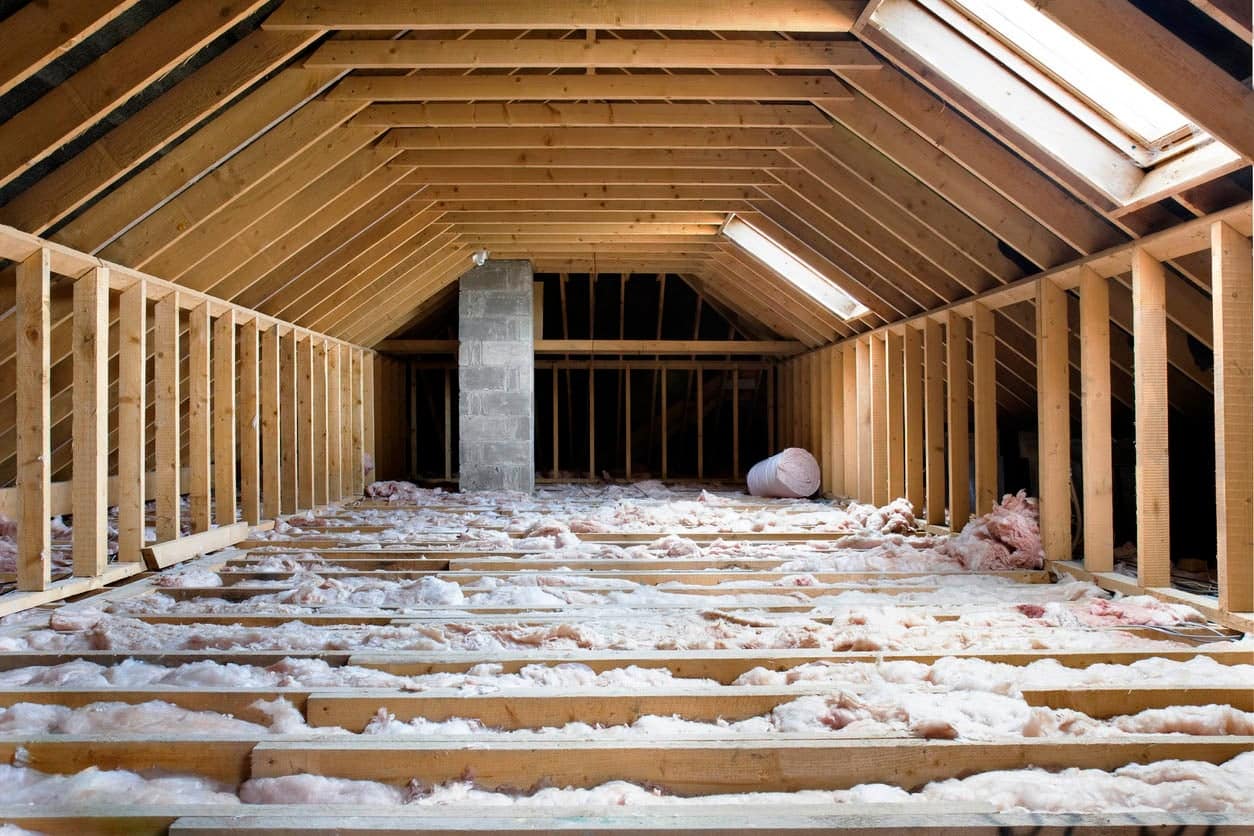
Attic rodent cleanup San Francisco homeowners need: the 5 warning signs, what it costs, and how to choose a licensed,…
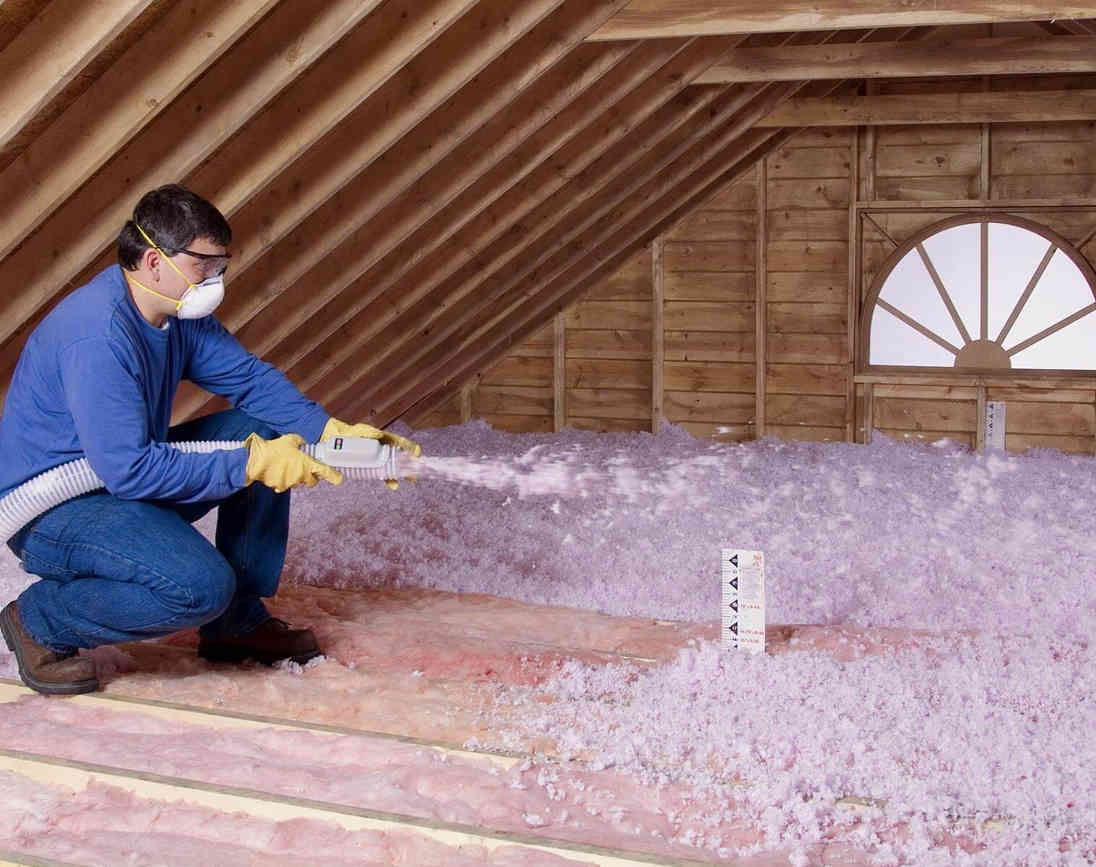
Attic insulation replacement Concord homeowners face after rodents: when to remove vs top-off, what it costs, and the right 2026…

Attic restoration Concord: should you hire one contractor or three? How to get cleanup, rodent-proofing, and insulation in one accountable…

What does attic cleaning cost in Los Angeles? Learn the factors that affect pricing—contamination, insulation removal, rodent proofing—and get a…

Before adding attic insulation, Bay Area homeowners should check for air leaks, contamination, and moisture. Learn when to add, remove,…

Learn what affects attic insulation replacement cost in Los Angeles after rodent damage. Understand the process, pricing factors, and when…

Learn the correct sequence for attic cleanup after rodents in Los Angeles: inspect, control, remove, seal, then insulate. Avoid paying…

Learn the right sequence to clean, seal, and restore your attic after raccoons, opossums, or rodents in Los Angeles. Free…

Most homeowners searching for attic insulation in San Jose don’t start the conversation until something forces the issue. A climbing PG&E bill. Upstairs rooms that turn into an oven every August. A smell coming from the ceiling. Or the moment a technician opens the attic hatch and finds insulation that’s been sitting there since 1987—compressed, contaminated, and doing almost nothing.
Key Takeaways
Attic insulation in San Jose is never a single conversation—it’s several.
The right scope depends on what’s already up there, what’s been living in it, and what your home really needs to perform efficiently in the Bay Area’s specific climate. This guide covers all of it: what replacement really involves, when cleanup and rodent damage repair are part of the equation, what it costs, and how to choose a contractor who won’t cut corners on the steps that matter most.
Most insulation guides treat rodent damage as a footnote. In San Jose, it deserves its own chapter.
Roof rats are endemic throughout Santa Clara County. They travel utility lines, move through mature tree canopies, and squeeze through gaps as small as a half-inch to access attics. Once inside, they don’t just disturb the insulation—they nest in it, compress it, and saturate it with urine and droppings that off-gas into the living space below. What looks like an insulation problem on the surface is often a rodent problem at its root.
This is why rodent proofing has to come before insulation installation—not after. A company that installs new material without first sealing every entry point is handing rodents a clean, warm nest. Within months, the new insulation is in the same condition as what was just removed.
The sequence matters:
Skipping or rushing any of these steps means the insulation upgrade is temporary. Atticare’s attic cleaning and rodent proofing services are designed to work together as a complete system—not as separate line items you have to piece together from different vendors.
If your attic has had any rodent activity—past or present—the insulation conversation starts with exclusion, not R-values.
The Bay Area climate sits in an interesting middle zone—warm, dry summers with marine influence, mild winters, and persistent coastal humidity in some neighborhoods. That combination creates specific challenges for attic insulation that don’t come up in most generic installation guides.
San Jose summers can drive attic temperatures above 150°F. Without adequate insulation and proper ventilation, that heat transfers directly into the living space, forcing your HVAC system to work harder and costing you money every day it runs. Upgrading from the R-19 or lower that many older homes still have to the California-recommended R-38 can meaningfully change how your home feels—and what you pay to cool it.
But heat transfer is only part of the picture. Many San Jose homes—particularly those built before 1980—also face a rodent pressure problem that most insulation guides conveniently ignore. Roof rats are active throughout Santa Clara County. They access attics through gaps as small as a half-inch, nest in insulation, and leave behind contamination that degrades air quality throughout the home. An insulation upgrade that doesn’t account for this isn’t a complete solution.
There’s a common misconception that new insulation can simply be added on top of old. Sometimes that’s true. Often it isn’t. Here’s when full removal and replacement is the right call:
Condition | Remove & Replace? | Add On Top? |
Rodent contamination (urine, droppings) | Yes—always | No |
Moisture damage or mold | Yes | No |
Severe compression or settling | Yes | No |
Vermiculite / potential asbestos | Test first | Do not disturb |
Minor depth loss, clean material | No | Yes |
Adequate depth, good condition | No | No—inspect only |
If rats or mice have been active in your attic, the insulation is compromised. Rodent urine saturates blown-in material, reducing its R-value and creating a persistent odor source that off-gases into your living space. Droppings harbor pathogens that become airborne when the attic is disturbed. Layering new insulation over contaminated material doesn’t fix this—it buries it.
Full removal, sanitation and decontamination, and rodent-proofing must happen before any new insulation is installed. This is non-negotiable for homes with active or recent rodent history.
Attic leaks, condensation from inadequate ventilation, or bathroom exhaust fans venting into the attic (still common in older San Jose construction) can saturate insulation to the point where it harbors mold. Wet insulation loses most of its thermal performance and becomes a health concern. It has to come out.
Insulation that’s been compressed—by foot traffic, stored items, or simply age—no longer holds its rated R-value. Blown-in material that’s settled to half its original depth is performing at half its rated capacity. If the material is physically intact and uncontaminated, adding depth may suffice; if it’s compressed and matted, replacement is the better investment.
Homes built before the mid-1970s may contain vermiculite insulation with asbestos content. If you’re not sure what’s in your attic, have it tested before anyone goes up there to work. A reputable contractor won’t skip this assessment in an older home.
Material | Best For | Pros | Rodent History? |
Blown-in fiberglass | Clean attics, irregular joist bays | Even coverage, cost-effective | Not recommended |
Blown-in cellulose | Older homes, eco-conscious upgrades | Dense fill, recycled content | Not recommended |
Batts (fiberglass or mineral wool) | Homes with rodent history | Accessible, replaceable in sections | Preferred choice |
Spray foam | High-performance sealing upgrades | Air seal + insulation in one | Situational |
For most Bay Area homes without rodent history, blown-in fiberglass paired with thorough air sealing delivers the best balance of performance and value. For homes where rodents have been present, batts is the call—full stop.
Most insulation articles default to recommending blown-in fiberglass or cellulose for Bay Area attics. It’s a reasonable recommendation in many situations—blown-in achieves even coverage across irregular joist bays and works well in the tight spaces common in older San Jose homes. For a straightforward upgrade in a clean, rodent-free attic, it’s an efficient and cost-effective choice.
But for homes with any history of rodent activity—which describes a significant share of San Jose properties—batts insulation deserves serious consideration as the stronger long-term option.
Here’s the practical reason: if rodents return after installation (and in active neighborhoods, they often do), blown-in insulation becomes nearly impossible to work around. Any access to investigate, re-seal entry points, or address new activity kicks up a cloud of particulates throughout the attic. Batts, by contrast, can be lifted in sections, inspected, and replaced without disturbing the entire installation.
The attic stays serviceable. That’s not a minor convenience—it’s the difference between a permanent fix and a recurring problem.
A contractor who doesn’t ask about your rodent history before recommending a material isn’t giving you a complete picture. Atticare’s material guide covers this comparison in detail.
When rodents have been active in an attic, the remediation scope goes well beyond pulling out old insulation. Here’s the full sequence that a properly handled project requires:
Full Attic Inspection
A technician documents the extent of contamination, identifies active entry points, and assesses structural damage to the attic decking, rafters, and ductwork. Photos are taken throughout.
Rodent Removal and Exclusion
Active rodents are removed, and all entry points are sealed with corrosion-resistant materials—metal flashing, hardware cloth, and foam sealant at gaps and penetrations. Rodent proofing at this stage is what separates a permanent fix from a temporary one. Sealing must be complete before insulation is touched.
Contaminated Insulation Removal
All affected material is vacuumed or carefully removed in sealed bags and disposed of properly. This step typically takes a full day for a standard San Jose home.
Sanitation and Decontamination
The attic surfaces—decking, joists, rafters—are treated with a non-toxic sanitizing agent that neutralizes odors and eliminates pathogens left behind by rodent waste. This step cannot be skipped if you want the odor and air quality problems resolved.
Air Sealing
Every significant penetration, gap, and attic bypass is sealed before new insulation goes in. Air sealing is what gives insulation its real-world performance—without it, conditioned air escapes through bypasses regardless of how much material is added.
New Insulation Installation
Material is selected and installed to the appropriate R-value for San Jose’s climate zone—typically R-38—with the choice of batts or blown-in informed by the property’s rodent history and attic configuration.
Final Documentation
Before-and-after photos, R-value confirmation, and a written record of all work completed. A reputable contractor provides this without being asked.
Insulation Level | Summer Performance | Winter Performance | Upgrade Priority |
R-11 or below | Poor—significant heat gain | Poor—major heat loss | Urgent |
R-13 to R-19 | Below average | Below average | High |
R-21 to R-30 | Moderate | Moderate | Recommended |
R-38 (California target) | Good | Good | Maintain |
R-49+ | Excellent | Excellent | High-performance upgrade |
California’s Title 24 energy code recommends R-38 for attics in most Bay Area climate zones. Many older San Jose homes—particularly those built in the 1960s through 1980s—have insulation levels well below this, sometimes as low as R-11 or R-13.
The practical impact of that gap is substantial. At R-13, an attic provides minimal resistance to summer heat gain. At R-38, heat transfer into the living space is significantly reduced, AC runtime decreases, and the home maintains more consistent temperatures between floors.
If your home was built after 2006 and has had no significant attic work since, it may already be close to code. A free inspection will tell you exactly where you stand—depth measurements, coverage uniformity, and any problem areas.
Pricing depends on attic size, existing conditions, and how much prep work the project requires. Here’s a realistic breakdown:
Service | Typical San Jose Range |
Attic inspection | Free – $200 |
Blown-in insulation installation (clean attic) | $1,500 – $4,000 |
Batts insulation installation | $1,800 – $4,500 |
Insulation removal (contaminated) | $1,500 – $6,000 |
Attic sanitation | $800 – $2,000 |
Rodent exclusion and sealing | $1,500 – $4,500+ |
Air sealing | $500 – $1,500 |
Full attic restoration (rodent damage) | $3,000 – $8,000+ |
For a typical 1,500–2,000 sq ft San Jose home requiring contamination removal, sanitation, exclusion, and new insulation, expect total project costs in the $4,500–$8,000 range. A quote that comes in dramatically below that usually means something was removed from the scope—confirm exactly what’s included before signing. Homeowners comparing attic insulation in San Jose contractors should use these ranges as a baseline when evaluating bids.
While the upfront cost of a full attic restoration is an investment, it is one of the few home improvements with a nearly immediate impact on both monthly overhead and property value. In the competitive San Jose real estate market, a clean, rodent-proofed, and energy-efficient attic is a significant asset during home inspections.
Choosing a comprehensive restoration over a “patch job” ensures that you aren’t paying for the same service twice in three years.
The questions you ask before hiring matter as much as the work itself. Here’s what to cover:
A contractor who hesitates on any of these questions is a contractor worth reconsidering.
Atticare serves San Jose and the broader Bay Area with licensed, insured technicians and a process that starts with a free inspection and ends with documented, warranty-backed work. See what Bay Area homeowners say about the experience.
What Summer Heat Does to an Under-Insulated San Jose Attic
San Jose regularly sees summer temperatures in the 90s. On a 95°F day, an uninsulated or under-insulated attic can reach 150°F or higher. That heat radiates downward through the ceiling into your living space, forcing your air conditioning to run longer and work harder to maintain comfortable temperatures—especially on upper floors.
Proper attic insulation at R-38, combined with adequate ventilation, creates a thermal barrier that significantly reduces this heat transfer. Homeowners who upgrade from older, low-depth insulation routinely notice the difference in upstairs comfort within the first summer—and on their energy bills.
Adding a radiant barrier alongside insulation can further reduce radiant heat gain in San Jose’s sunny climate—worth discussing with your contractor for high-performance results.
Air sealing. It’s not the visible part of the job, it doesn’t photograph well for before-and-after comparisons, and it adds time and labor to the project. But it’s the step that determines whether your insulation actually performs at its rated value—or just sits there while conditioned air escapes through every gap around a recessed light, plumbing penetration, or top plate.
Studies from the Department of Energy consistently show that air sealing combined with insulation delivers significantly better energy performance than insulation alone. A contractor who skips it is leaving real performance—and real savings—on the table.
At Atticare, air sealing is part of every full attic project. It’s not an upsell—it’s part of doing the job right.
When attic insulation in San Jose is handled correctly—contamination addressed, entry points sealed, air sealing completed, and material installed to the right R-value—the results are tangible. More consistent temperatures between floors. Lower cooling costs through summer. A healthier attic environment with better air quality throughout the home. And the confidence that the problem was fixed at the source, not papered over.
That’s the difference between a project done right and one that looked right on the day of installation.
Your attic is worth doing properly. Book a free inspection and find out exactly where yours stands.
How much can I save on energy bills with new insulation?
Most homeowners in the Bay Area see a 10%–15% reduction in their monthly heating and cooling costs. The exact savings depend on your previous R-value, but upgrading from R-19 to the recommended R-38 significantly reduces the “oven effect” in San Jose summers.
How much does attic insulation cost in San Jose?
Most projects range from $3,000–$8,000+ depending on home size and how much prep work—removal, sanitation, or rodent exclusion—is required. A free inspection gives you an accurate number for your specific attic.
What type of insulation is best for Bay Area homes?
Blown-in fiberglass works well in clean attics, but batts insulation is the better long-term choice for homes with any rodent history because it keeps the attic accessible and serviceable after installation.
What R-value is recommended for San Jose attics?
R-38 is the California-recommended target for most Bay Area climate zones. Many older San Jose homes currently have R-19 or lower, which represents a significant performance gap.
How long does attic insulation installation take?
A straightforward installation typically takes 4–8 hours. Projects that include insulation removal and sanitation usually run 1–2 days total.
Should old insulation be removed before installing new?
Yes, if it’s contaminated by rodents, wet, moldy, or severely compacted. Layering new material over damaged insulation traps contaminants and doesn’t restore performance.
Does attic insulation reduce summer heat in San Jose?
Significantly. Proper R-38 insulation combined with air sealing creates a thermal barrier that reduces heat transfer from a 150°F attic into the living space, improving upstairs comfort and lowering AC runtime.
How do I find a reputable attic insulation contractor in San Jose?
Look for a contractor who is CSLB-licensed, carries insurance, inspects before quoting, and provides a written line-item estimate. Ask specifically whether they handle air sealing and rodent assessment as part of the standard scope.

Los Angeles has no shortage of pest problems—or pest control companies promising to fix them. Rats in the attic, termites in the walls, cockroaches under the kitchen sink. The challenge isn’t finding someone to come out. It’s finding someone who will actually solve the problem, not just treat the symptom and collect a monthly fee.
Choosing among the best pest control companies in Los Angeles requires more than scrolling through star ratings. You need to know what separates a company that’s thorough from one that’s just fast, and what questions to ask before a technician ever sets foot in your home.
Key Takeaways
This guide walks you through what to look for, what to avoid, and how to make a decision you won’t regret six months later.
LA’s climate, housing density, and building age create a pest environment that’s genuinely distinct.
Warm temperatures year-round mean pests don’t die off in winter. Older housing stock—craftsman homes, mid-century construction, hillside properties—provides countless entry points that standard treatments don’t address. Coastal proximity brings moisture that accelerates structural damage and attracts wood-destroying insects.
Roof rats, in particular, are endemic throughout LA County. They move through mature tree canopies, travel utility lines, and access attics through gaps as small as a quarter. This isn’t a seasonal nuisance—it’s a persistent structural problem that requires a specific skill set to resolve.
General pest spraying doesn’t fix a rat in your attic. The best pest control companies in Los Angeles know the difference—and they’ll tell you upfront what kind of work your situation actually requires.
Before comparing prices or reading reviews, the first question to answer is whether the company you’re considering actually specializes in your pest type. This distinction matters more than most homeowners realize.
A company that primarily handles general household insects (roaches, ants, spiders) may offer rodent control as an add-on service, but that doesn’t mean they have the attic expertise to do it right. Attic rodent work requires full inspection of the attic space, entry-point identification across the roofline and foundation, insulation assessment, and structural sealing. That’s a different skill set from spraying a perimeter.
For termites, the gap is even larger. Subterranean termite treatment involves soil treatment or bait systems with specific application requirements. Drywood termites in attic rafters require fumigation or targeted heat treatment. A company that handles both well is the exception, not the rule.
Match the company to the problem. The pest control companies in Los Angeles worth hiring are the ones who specialize deeply rather than promise to handle everything.
California requires all pest control companies to hold a valid license through the California Structural Pest Control Board. Ask for the license number before scheduling. A legitimate company provides it without hesitation. Verify it directly on the website—it takes two minutes and confirms both licensing status and any disciplinary history.
Licensed. Verified. Before anyone walks through your door.
If a technician is injured on your property and the company doesn’t carry workers’ comp, the liability can fall to you. General liability insurance protects against property damage during treatment. These aren’t optional—ask for proof of both before work begins.
Reputable pest control companies don’t quote by phone without seeing the property. A legitimate inspection covers the affected areas, identifies the pest type and extent of infestation, and documents findings with photos. This is the foundation of an accurate quote—and it’s the only way to know whether you’re being sold what you actually need.
At Atticare, every project begins with a free, thorough inspection. There’s no guesswork and no pressure. Schedule yours here.
A professional company provides a written estimate that breaks down each component of the work: inspection findings, treatment methods, materials, labor, and any follow-up visits. Vague lump-sum quotes make it impossible to understand what you’re paying for—or to compare it against another bid fairly.
Always demand line items. A company that resists providing them is a company with something to hide.
Get a free, detailed estimate from Atticare
Pest control companies that stand behind their work provide a written guarantee—not a verbal assurance. Ask specifically: what does it cover, how long does it last, and what’s the process if pests return? For rodent work especially, the guarantee should explicitly cover the exclusion work, not just the trapping phase.
Some infestations genuinely require ongoing treatment. Others can be permanently resolved with a proper one-time exclusion and sanitation scope. Be cautious of companies that default to monthly or quarterly service contracts for problems that a thorough one-time intervention could actually fix. The best pest control companies in Los Angeles tell you what your situation requires—not what generates the most recurring revenue.
National average ratings can be misleading. Look for reviews that mention specific neighborhoods in LA, specific technician names, and job-level detail. A string of vague five-star reviews is far less meaningful than a detailed account from a homeowner in Silver Lake or Torrance describing exactly what was done and how it held up over time.
See what Atticare customers across Los Angeles say about their experience
This comes up constantly in online research, and the answer isn’t as simple as “local is always better.” Here’s a realistic breakdown:
Factor | Local Attic Specialist | National Chain |
Attic-specific expertise | High | Moderate |
Exclusion depth | Strong | Variable |
Insulation assessment | Yes | Rarely |
Personalized service | High | Moderate |
Response time | Fast | Fast |
Brand recognition | Lower | High |
Written guarantee | Common | Contract-dependent |
Long-term results | Stronger | Inconsistent |
National chains have infrastructure, fast response times, and recognizable branding. What they often lack is the attic-level expertise required for structural rodent exclusion or insulation contamination work. For general pest management (ant baiting, cockroach control, preventive treatments) a national provider may be perfectly adequate. For an active rodent infestation with insulation damage, an attic specialist is the better call.
Here’s something the best pest control companies in Los Angeles will tell you that others won’t: most rodent problems are attic problems first.
Rats and mice don’t just wander in through the back door. They enter through the roofline—gaps in the fascia, unscreened attic vents, deteriorated flashing, utility line penetrations. Once inside, they nest in insulation, compress it, and contaminate it with urine and droppings. The attic becomes both the entry point and the source of ongoing indoor air quality problems.
A company that traps in the attic without sealing entry points hasn’t solved the problem. New rodents will find the same gaps. The insulation—now saturated with waste—continues to off-gas into the living space below. You’ll keep paying for service calls that treat the symptom while the cause goes unaddressed.
Addressing this properly requires:
Atticare handles every step of this under one roof—no subcontractors, no gaps in accountability. Learn more about our full rodent removal and attic restoration process.
Different pests need different approaches. Here’s a plain-English breakdown of what proper treatment looks like for the most common infestations in Los Angeles:
Pricing in LA is higher than national averages—reflecting elevated labor costs, stricter regulations, and the density and age of the housing stock.
Service | Typical LA Range |
General pest inspection | Free – $150 |
Basic insect treatment (one-time) | $200 – $600 |
Quarterly maintenance plan | $120 – $250/visit |
Attic rodent removal | $800 – $2,500 |
Full rodent exclusion & sealing | $1,500 – $4,500+ |
Attic sanitation | $800 – $2,000 |
Insulation removal (contaminated) | $1,500 – $6,000 |
Full attic restoration | $2,500 – $7,500+ |
The honest answer on pricing: be skeptical of rock-bottom bids. In a market with LA’s labor costs and pest pressure, a quote that seems too good usually means something critical—exclusion work, sanitation, or follow-up—was quietly removed from the scope. For a detailed breakdown of what drives costs for attic-specific work, this resource covers it thoroughly.
Demand for non-toxic and reduced-chemical pest control has grown significantly in LA—especially among families with young children, pet owners, and homeowners in coastal and hillside neighborhoods. The good news is that legitimate eco-friendly options exist across most pest categories.
For rodents, exclusion is inherently the most eco-conscious approach. Sealing entry points permanently eliminates the need for ongoing poison bait or chemical application. Mechanical trapping combined with structural sealing is the standard approach for attic rodent work at Atticare—pesticide-free, effective, and with no ongoing chemical exposure in your living space.
For insects, botanical-based treatments, low-toxicity gel baits, and targeted application methods have advanced significantly. Expect eco-friendly options to cost 10–20% more than conventional treatments, but the reduced exposure and environmental impact are meaningful trade-offs for most LA homeowners who prioritize them.
Ask specifically about pesticide-free rodent options when calling. A company that can’t explain what’s in their treatments isn’t a company that takes this seriously.
Atticare isn’t a general exterminator. The focus is attic and crawl space work (rodent removal, exclusion, insulation, air sealing, and full attic restoration) handled by technicians who do this every day, not as a side service. That’s why we teamed up with our sister company, PestCare. It’s a specialized tag-team approach you won’t find with a “spray and pray” company:
Every project starts with a free inspection. Every estimate is written and line-itemized. Every technician is licensed and insured. And the approach prioritizes permanent solutions over recurring service contracts—because a home that’s properly sealed and restored doesn’t need monthly intervention.
With 901+ reviews and a 98% customer satisfaction rate, the track record is real and verifiable. Explore all Atticare attic and crawl space services, or check our project map to see work completed near you.
There are a lot of pest control companies in Los Angeles. The one worth hiring is the one that treats the source of the problem (not just what’s visible) and backs their work in writing. For attic rodents especially, that means exclusion, sanitation, and insulation assessment from a company that specializes in exactly this kind of work.
Your home deserves a permanent fix, not another service contract.
Who are the best pest control companies in Los Angeles?
The best companies combine licensing, attic-specific expertise, written guarantees, and verifiable local reviews. For attic rodent work specifically, specialists consistently outperform general exterminators on long-term results.
Are pest control companies required to be licensed in California?
Yes—California requires licensing through the California Structural Pest Control Board for all pest control operators. Always ask for a license number and verify it directly before hiring.
Do pest control companies in LA offer free inspections?
Most reputable attic and pest specialists do. Atticare provides a free, thorough attic inspection with photo documentation and a written estimate at no obligation.
How much does pest control cost in Los Angeles?
Pricing varies widely by pest type and scope—basic insect treatment runs $200–$600, while full attic rodent exclusion and restoration can range from $2,500–$7,500+. LA pricing runs higher than national averages due to labor costs and housing complexity.
What’s the difference between a local specialist and a national chain?
Local specialists typically offer deeper attic expertise, stronger exclusion focus, and more accountability on long-term results. National chains have broader brand recognition and fast response infrastructure, but often lack the attic-level detail required for structural rodent work.
How quickly can pest control companies respond in LA?
Many attic-focused companies offer inspections within 24–48 hours for active infestations. Atticare provides same-day estimates and fast scheduling for homeowners dealing with urgent rodent activity.
Are eco-friendly pest control options available in Los Angeles?
Yes—exclusion-based rodent control is inherently pesticide-free, and botanical or low-toxicity treatments are available for most insect categories. Expect a modest cost premium of 10–20% over conventional treatments.
Do pest control companies offer warranties in LA?
Reputable companies provide written warranties covering both treatment and exclusion work. Always ask for the warranty in writing and confirm exactly what triggers a re-service before signing.
Is insulation damage part of pest control or a separate service?
Contaminated insulation requires removal and replacement as part of a complete rodent remediation—it’s not optional. The best pest control companies in Los Angeles assess insulation condition during inspection and include it in the project scope when needed.
What pests are most common in Los Angeles homes?
Roof rats, mice, termites, cockroaches, and ants are the most prevalent. Roof rats are a particular concern in attics across LA County due to the region’s mature tree canopy and year-round warm climate.

Most homeowners don’t think much about what’s happening above the ceiling. Until something goes wrong.
You hear scratching at night. Energy bills climb unexpectedly. A musty odor starts coming through the vents. That’s usually when the attic gets opened up and reality sets in.
Attic cleaning services cost more or less depending on what’s up there. A dusty attic with some debris is a very different project from one that has years of rodent activity, compromised insulation, and contaminated air.
Understanding what separates a $900 job from a $6,000 one helps you ask the right questions before you sign anything.
Here’s a realistic price breakdown based on typical residential projects.
Service Type | Typical Cost Range |
Basic debris cleanup | $800 – $2,500 |
Rodent droppings removal | $1,500 – $3,500 |
Full sanitation and decontamination | $2,000 – $4,500+ |
Insulation removal | $1,500 – $6,000 |
Insulation replacement | $2,000 – $8,000+ |
Most standard residential homes fall somewhere between $1,500 and $4,000 for a complete cleaning. The upper end of that range kicks in when rodents are involved, insulation needs to come out, or the attic is large and heavily contaminated.
If a contractor quotes you $400 and calls it a day, ask what exactly is included. Low bids often exclude sanitation, disposal, or insulation work. Those costs appear later.
Square footage matters. More space means more labor hours, more sanitation material, and more waste to haul out.
Some companies price by the square foot. Others give a flat project rate after the inspection. Either way, a 2,000-square-foot attic obviously costs more to clean than a 600-square-foot one.
What catches homeowners off guard is that size alone rarely explains the price range. A small, heavily contaminated attic can cost far more to clean than a large, lightly soiled one.
This is where attic cleaning services cost estimates can jump significantly. When rodents have been active in your attic, they leave behind droppings, urine, and nesting material.
Most importantly, rodent waste carries bacteria and pathogens that can become airborne when disturbed. Proper cleanup requires:
A rodent-contaminated attic typically adds $500 to $2,000 or more on top of basic cleaning costs, depending on severity.
Insulation acts like a sponge. If rodents have been living in it for months, it absorbs urine, holds bacteria, and traps odor.
Insulation that’s been contaminated or compacted down over time can’t simply be sanitized. It has to come out.
Insulation removal is almost always quoted as a separate line item. It involves:
Once the old insulation is out, you’re looking at a fresh installation to restore your attic to proper R-value. That adds another $2,000 to $8,000+ to the project total, depending on attic size and the type of insulation you choose.
Not every attic cleaning job involves the same level of sanitation.
Cleaning Level | What’s Included | Cost Impact |
Basic cleanup | Debris and dust removal | Low |
Rodent cleanup | Droppings removal + sanitation | Moderate |
Full sanitation | HEPA vacuum + disinfectant | High |
Full restoration | Removal + sanitation + new insulation | Highest |
Professional sanitation typically uses EPA-registered disinfectants designed for biohazard environments.
Skipping sanitation after rodents creates lingering odor and air quality issues.
Attics are rarely designed for easy access. Some are simple. Others are tight crawl spaces filled with obstacles.
Labor increases when technicians must work around:
Limited attic access or damaged framing slows the job. Professional inspections account for this before quoting.
Explore full attic and crawl space services.
Both pricing models exist. Project-based pricing is more common. Why?
Because contamination levels vary too much to standardize. When square-foot pricing is used, typical ranges look like this:
Cleaning Type | Cost Per Sq Ft |
Basic attic cleaning | $1.50 – $3.00 |
Contaminated attic cleanup | $3.00 – $7.00+ |
Word to the wise: always ask for a written, line-item estimate so you know exactly what you’re paying for. Labor, materials, sanitation, and disposal should be listed separately.
Rodent-specific attic cleaning usually costs $1,500–$4,500+. That price typically includes:
What it usually does not include is insulation removal, new insulation, or rodent-proofing (sealing entry points to prevent re-entry). Those are related services that often make sense to bundle, but they’ll appear as separate line items on a thorough estimate.
If a company quotes you one flat number without breaking out these components, ask them to itemize it.
Learn more about our attic cleaning services.
Usually, no. Most attic cleaning companies treat insulation removal as a separate service because it involves additional labor, specialized equipment, and disposal costs.
If your insulation needs to come out, confirm the following:
Full attic restoration (cleaning + insulation removal + new installation) is a more significant investment, but it addresses the root cause rather than cleaning around a compromised insulation layer.
Yes, and this isn’t a nice-to-have. Rodents leave behind waste throughout the insulation and on structural surfaces. Without proper sanitation:
Professional sanitation uses HEPA filtration and EPA-registered disinfectants to decontaminate the space thoroughly. Skipping this step after an infestation creates ongoing air quality problems. Simply put, it can make the space inviting to new rodent activity.
Attic Condition | Estimated Time |
Light debris only | 4–6 hours |
Moderate contamination | 1 full day |
Heavy contamination + insulation removal | 1–2 days |
Large homes and complex attics take longer. Technicians usually provide a timeline during inspection.
Most reputable attic cleaning companies offer a free inspection before providing any quote. This typically includes:
Take advantage of this. An in-person inspection gives you an accurate quote and lets you evaluate the company before committing. Be cautious of any company that quotes a firm price without seeing the attic first.
Sometimes it does, but the conditions matter. Insurance may cover attic cleaning costs when:
Insurance typically does not cover:
Check your specific policy and document the damage with photos before any work begins. Some restoration companies can assist with the claims process if applicable.
If your attic needs insulation after cleaning, budget an additional $2,000–$8,000+ depending on:
Cleaning and insulation replacement together (as in full attic restoration) delivers the most complete result. This way you’ll be restoring the attic to a clean, properly insulated state that improves energy efficiency and indoor air quality.
For basic debris removal, a homeowner with the right equipment could be up to the task. But the moment rodents are involved, the calculus changes.
DIY attic cleaning in a contaminated space exposes you to:
Professional attic cleaning services bring:
The investment is higher than doing it yourself. The health and safety risk of not doing it properly is higher still. This is especially true if you have children, elderly family members, or anyone with respiratory concerns.
Before you sign off on an attic cleaning estimate, get clear answers to these:
A professional company answers these without hesitation. If you’re getting vague answers or resistance to a written estimate, keep looking.
Nobody wants to spend their hard-earned money on attic restoration. It’s dirty, cramped, and usually the last thing you want to deal with.
But those costs reflect the reality of the work. Think of this as protecting your biggest investment. You’re paying for pros to handle the hazardous materials, the heavy lifting, and the technical repairs.
Not sure what condition your attic is in?
At Atticare, our team performs a full attic inspection, identifies contamination, and provides a clear estimate before any work begins.
Schedule your free attic inspection.
How much does attic cleaning cost?
Expect to pay between $800 and $4,500. The final price varies based on your attic’s square footage, the volume of waste, and whether you need the old insulation hauled away.
What affects attic cleaning pricing the most?
Rodent contamination is the biggest factor. Clearing out biohazards requires specialized safety gear, industrial sanitation, and extra labor hours compared to a standard cleaning.
Is insulation removal included in attic cleaning?
Usually, no. Most contractors quote insulation removal as a separate service. Always clarify with your pro whether your estimate covers just the sanitation or if it includes stripping out the old materials, too.
Do companies charge per square foot?
While some do, most pros prefer project-based pricing. Every attic has different obstacles and contamination levels, so a flat quote is usually more accurate than a simple rate based on square footage.
How much does rodent attic cleanup cost?
Budget for $1,500 to $4,500. This covers the sanitation and removal of biological waste, but it generally does not include the cost of replacing your insulation or the structural exclusion work to keep them out.
Is sanitation necessary after rodents?
Yes. Rodent droppings and urine leave behind harmful bacteria and chemical pheromones. Professional disinfection is the only way to neutralize health risks and remove the scent trails that attract new pests.
How long does attic cleaning take?
Most jobs take between four hours and two days. The timeline depends on how much contaminated material needs to be removed and how much “heavy lifting” the crew has to do in the rafters.
Are attic inspections free?
Most reputable companies offer a free inspection. If a contractor tries to give you a quote over the phone without seeing your specific attic setup, take that as a major red flag.
Does insurance cover attic cleaning?
Usually, no. Insurance companies generally view this as routine property maintenance. Coverage might only apply if the damage was the result of a sudden, accidental event like a fire.
Is professional attic cleaning worth it?
Yes, especially after a rodent issue. It’s the only way to protect your indoor air quality and remove the lingering scent trails that would otherwise bring the next colony straight back into your home.

Between the year-round sunshine and our city’s architecture, pests in LA are always looking for a way in. Factors like attic access can turn a small nuisance into a major headache pretty quickly.
In Los Angeles, standard pest control usually runs between $150 and $600, with most one-time treatments landing in that $250–$350 sweet spot.
The price reflects what’s happening behind your walls rather than just what you see in the kitchen. If you suspect your attic is involved, definitely book a free professional inspection to see exactly what you’re up against.
It depends on what level of inspection you’re getting. A basic rodent inspection (the kind tied to a service quote) is usually free. A technician checks for activity and provides an estimate.
That’s enough if your only question is: “Do I have rodents?”
But if you need documentation, attic entry, entry-point mapping, or real estate reporting, you’re looking at a paid inspection.
Here’s how pricing usually breaks down across Los Angeles:
Inspection Type | Typical Cost (LA Area) |
Basic inspection (quote-based) | Free |
Standard attic rodent inspection | $150 – $350 |
Real estate inspection with written report | $300 – $600+ |
Comprehensive exclusion assessment | $400 – $750 |
Attic size is the biggest factor.
A small condo attic may take 30 minutes. A large hillside property in areas like Encino, Pasadena, or the Hollywood Hills can take two hours or more.
Older LA homes also tend to have complex rooflines and additions, which means more potential entry points to inspect.
Yes. But not always. It depends on how detailed the inspection is.
Most pest control or attic restoration companies offer free inspections when they’re tied to a service estimate.
During a free inspection, a technician typically:
That’s useful for homeowners who just want to confirm a problem.
Paid inspections usually include:
If a technician is spending significant time inside the attic documenting damage and access points, that inspection is a professional service.
A legitimate rodent inspection always includes attic entry. Rodents don’t live on your roof. They live inside the attic. Skipping that step leaves critical information unseen.
A professional inspection looks for:
Some inspectors also use UV lighting to detect urine saturation in insulation.
According to the CDC, rodent droppings and urine can carry pathogens such as hantavirus, which is one reason contaminated insulation often needs replacement rather than simple cleaning.
Exterior inspection points include:
In Los Angeles homes, roof vents and eave gaps are the most common entry points for roof rats. A rat can squeeze through a gap about the width of a quarter.
Los Angeles has ideal conditions for roof rats. The dominant species across the region is Rattus rattus, commonly called the roof rat.
They prefer elevated nesting areas such as:
Roof rats are excellent climbers. They travel along tree branches, power lines, roof edges, anything you can think of.
Neighborhoods like Los Feliz, Glendale, Sherman Oaks, Pasadena, and Silver Lake tend to see higher roof rat activity due to heavy tree coverage.
Rodents reproduce quickly. A single female rat can produce 5–7 litters per year, with 6–12 pups per litter. That’s why infestations grow fast once rodents enter an attic.
Los Angeles’ mild climate allows rodents to breed year-round, unlike colder regions where winter slows population growth.
Feature | Basic Inspection | Comprehensive Inspection |
Attic entry | Sometimes | Yes |
Entry-point mapping | Limited | Detailed |
Photo documentation | Minimal | Full |
Written report | No | Yes |
Exclusion plan | General | Detailed scope |
Real estate compliant | No | Yes |
Comprehensive inspection is essential especially if you’re planning major exclusion work. Think sealing entry points or replacing contaminated insulation.
Entry points must be located before they can be sealed. Otherwise rodents return.
Schedule Your Free Attic Rodent Inspection
Several factors affect inspection cost in Los Angeles.
More square footage means more inspection time. Many LA homes have multiple attic sections, especially properties built with additions.
Property Type | Expected Inspection Cost |
Small condo or apartment | Free – $200 |
Standard single-family home | $150 – $350 |
Large or luxury home | $400 – $750 |
Historic homes in areas like Highland Park or Pasadena can also have older framing and hidden attic spaces that require more careful inspection.
Low-clearance attics and tight crawl spaces slow everything down. Technicians often navigate around:
Inspection time increases significantly in these conditions.
Quote-based inspections are free because companies expect to perform the treatment work. Standalone inspections, especially those requiring documentation, are paid services.
The California Structural Pest Control Board regulates pest control operators in the state, and licensed companies often follow formal inspection protocols when preparing reports.
Homes near the coast face additional inspection concerns. Salt air accelerates corrosion on:
In coastal neighborhoods like Santa Monica, Venice, Manhattan Beach, and Malibu, technicians frequently find rusted vent screens that rodents easily chew through.
These properties often require more detailed inspection.
Rodents rarely stay confined to one corner of the attic. They tunnel through insulation and leave droppings throughout.
Contaminated insulation loses effectiveness and can affect indoor air quality.
Most Los Angeles homes should have attic insulation rated between R-30 and R-38, according to Department of Energy recommendations for Southern California climate zones.
If rodents heavily contaminate insulation, replacement is often necessary to restore proper energy efficiency and hygiene. During inspections, technicians often check:
This helps determine whether insulation removal or replacement is needed.
Often, yes. Many pest control and attic restoration companies apply the inspection fee toward the final service cost.
Some companies waive the fee entirely when work is scheduled. Before booking, ask directly: “Is the inspection fee credited toward the service?”
Transparent companies answer clearly.
It’s not legally required in California. But it’s highly recommended.
Standard home inspections sometimes note evidence of rodents. That’s useful but limited. A dedicated rodent inspection provides:
In California real estate transactions, sellers must disclose known pest issues. A rodent inspection can help buyers verify the actual condition of the attic.
Many real estate agents recommend them for homes built before 1980, when insulation standards were different and attic sealing was less common.
Learn more about rodent proofing here.
Typical inspection times depend on the size of your property, specifically:
Property Type | Typical Inspection Time |
Small condo or attic | 30–45 minutes |
Standard single-family home | 45–90 minutes |
Large or complex property | 2+ hours |
If a written report is included, expect delivery within 24–48 hours. The technician typically compiles:
A professional report should clearly explain the scope of work required.
Everyone loves a free inspection. But you have to know what you’re getting.
A free consultation usually just answers whether there are rats in the attic. It’s a basic yes or no.
A paid, comprehensive inspection is a completely different beast. It is the difference between just seeing the problem and solving it.
When you pay for a professional deep-dive, you get the full picture. A pro will map out the severity of the infestation, hunt down every single entry point the rodents are using, and assess exactly how much of your insulation has been ruined.
They’ll give you a roadmap for the specific repairs that stop the problem for good, rather than just putting a band-aid on a bullet wound.
Paying for that level of expertise is a smart move. This is especially true if you’re in the middle of a real estate deal, planning to swap out your insulation, or just tired of the same pest problem popping up every season.
Walk up to your attic hatch and listen for 60 seconds. Scratching and scurrying above your ceiling is enough reason to book an inspection; free or paid.
Don’t wait for it to get worse. Rodents don’t leave on their own and are most likely working through your insulation, wiring, and air ducts.
Here’s a practical way to decide which inspection type you need:
Lastly, ask the technician to walk you through what they find. A good inspector explains what needs to happen next.
See our rodent removal and attic restoration services.
How much does a rodent inspection cost?
Rodent inspections in Los Angeles range from free to about $750, depending on scope. Basic inspections tied to service quotes are usually free. Detailed attic inspections with reports typically cost $150–$600+.
Is rodent inspection free?
Sometimes. Many companies offer free inspections when providing a treatment estimate. Inspections requiring written documentation or detailed attic analysis are usually paid.
What does a rodent inspection include?
A proper inspection includes attic entry, droppings identification, insulation contamination assessment, and identification of structural entry points around the roofline and vents.
Is attic inspection included?
It should be. Any rodent inspection that skips the attic is incomplete because that’s where rodents nest.
How long does a rodent inspection take?
Most inspections take 45–90 minutes, depending on home size and attic accessibility.
Is the inspection fee applied toward treatment?
Many companies credit the inspection fee toward the final service cost. Always confirm before scheduling.
What affects rodent inspection pricing?
Home size, attic accessibility, inspection documentation requirements, and coastal corrosion issues all affect pricing.
It’s not required in California, but it’s highly recommended for older homes or properties with signs of rodent activity.