
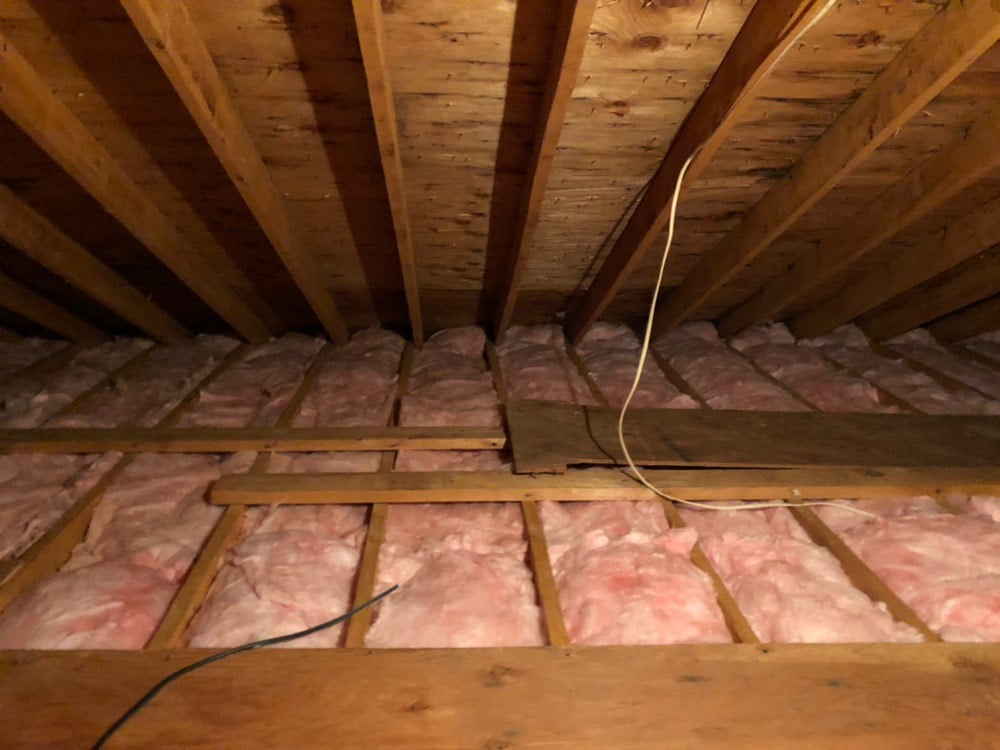
Before adding attic insulation, Bay Area homeowners should check for air leaks, contamination, and moisture. Learn when to add, remove,…
Category: Attic Insulation
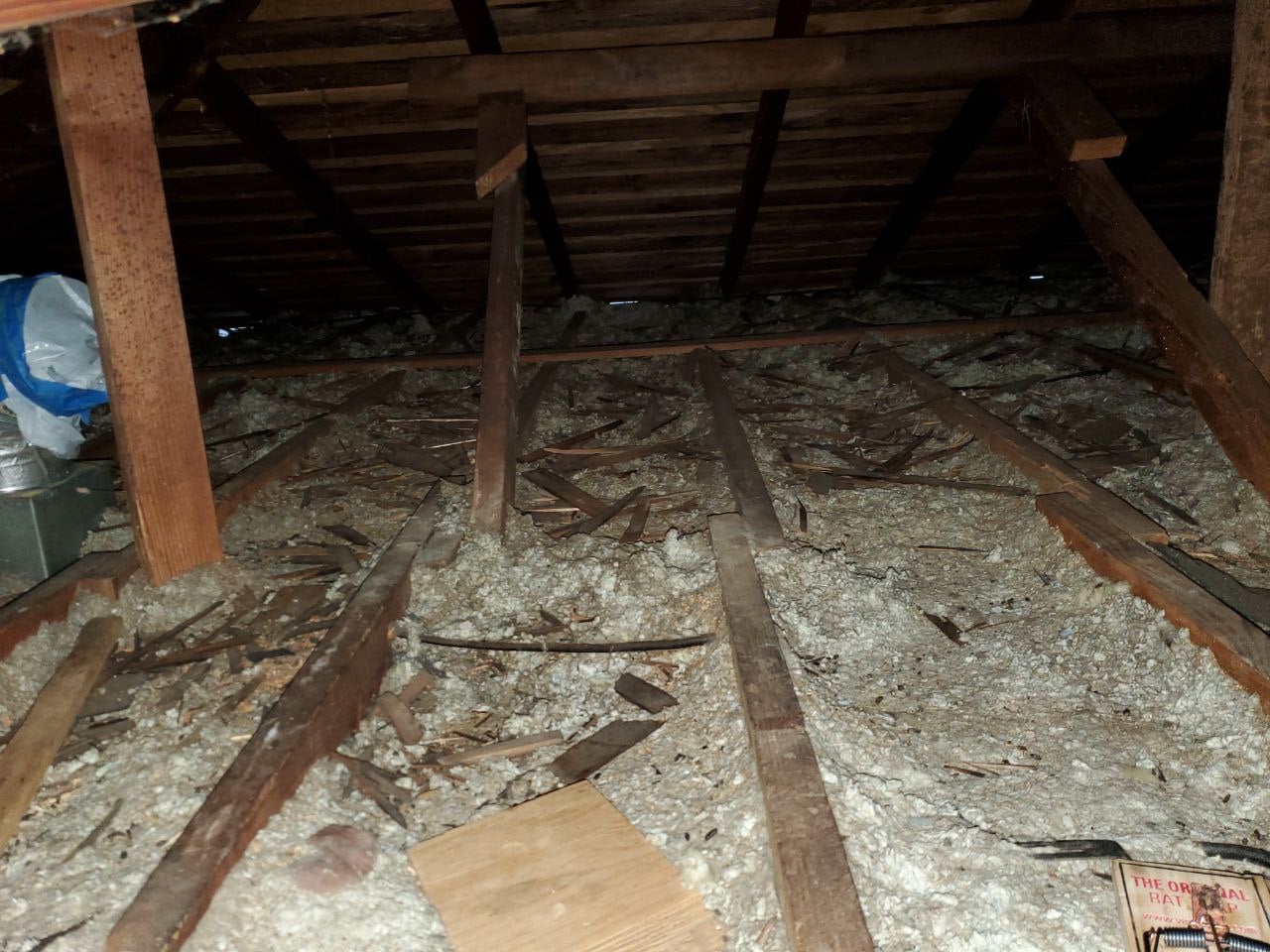
How Much Does Attic Insulation Replacement Cost in Los Angeles After Rodents?
Learn what affects attic insulation replacement cost in Los Angeles after rodent damage. Understand the process, pricing factors, and when…
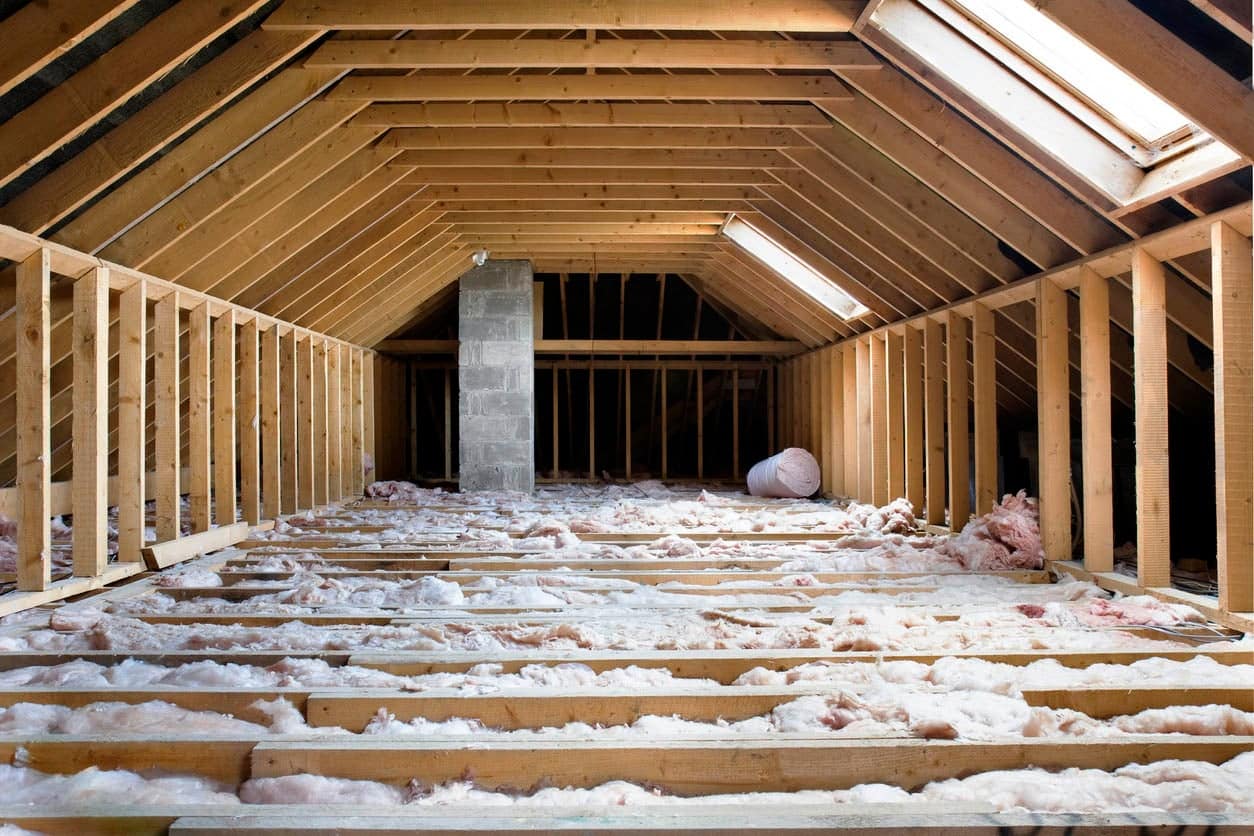
Attic Insulation in San Jose: Replacement, Cleanup & Rodent Damage Repair
Most homeowners searching for attic insulation in San Jose don’t start the conversation until something forces the issue. A climbing PG&E bill. Upstairs rooms that turn into an oven every August. A smell coming from the ceiling. Or the moment a technician opens the attic hatch and finds insulation that’s been sitting there since 1987—compressed, contaminated, and doing almost nothing.
Key Takeaways
- Attic insulation in San Jose typically costs $3,000–$8,000+ depending on home size, existing conditions, and scope of work.
- Contaminated or rodent-damaged insulation must be removed before anything new goes in—layering over it traps the problem.
- R-38 is the recommended target for most Bay Area attics; many older San Jose homes fall well short of that.
- Batts insulation is the stronger long-term choice for homes with any rodent history, because it keeps the attic serviceable after installation.
- Air sealing is not optional—it’s what makes the insulation actually perform.
- Free attic inspections are standard among reputable local contractors; always start there before committing to any scope of work.
Attic insulation in San Jose is never a single conversation—it’s several.
The right scope depends on what’s already up there, what’s been living in it, and what your home really needs to perform efficiently in the Bay Area’s specific climate. This guide covers all of it: what replacement really involves, when cleanup and rodent damage repair are part of the equation, what it costs, and how to choose a contractor who won’t cut corners on the steps that matter most.
The Rodent-Insulation Connection San Jose Homeowners Can’t Ignore
Most insulation guides treat rodent damage as a footnote. In San Jose, it deserves its own chapter.
Roof rats are endemic throughout Santa Clara County. They travel utility lines, move through mature tree canopies, and squeeze through gaps as small as a half-inch to access attics. Once inside, they don’t just disturb the insulation—they nest in it, compress it, and saturate it with urine and droppings that off-gas into the living space below. What looks like an insulation problem on the surface is often a rodent problem at its root.
This is why rodent proofing has to come before insulation installation—not after. A company that installs new material without first sealing every entry point is handing rodents a clean, warm nest. Within months, the new insulation is in the same condition as what was just removed.
The sequence matters:
- Inspect and identify all active entry points
- Remove and seal every gap with corrosion-resistant materials
- Remove contaminated insulation and sanitize the attic
- Install new insulation only once the attic is clean and secured
Skipping or rushing any of these steps means the insulation upgrade is temporary. Atticare’s attic cleaning and rodent proofing services are designed to work together as a complete system—not as separate line items you have to piece together from different vendors.
If your attic has had any rodent activity—past or present—the insulation conversation starts with exclusion, not R-values.
Why San Jose Attics Need More Attention Than Most Homeowners Realize
The Bay Area climate sits in an interesting middle zone—warm, dry summers with marine influence, mild winters, and persistent coastal humidity in some neighborhoods. That combination creates specific challenges for attic insulation that don’t come up in most generic installation guides.
San Jose summers can drive attic temperatures above 150°F. Without adequate insulation and proper ventilation, that heat transfers directly into the living space, forcing your HVAC system to work harder and costing you money every day it runs. Upgrading from the R-19 or lower that many older homes still have to the California-recommended R-38 can meaningfully change how your home feels—and what you pay to cool it.
But heat transfer is only part of the picture. Many San Jose homes—particularly those built before 1980—also face a rodent pressure problem that most insulation guides conveniently ignore. Roof rats are active throughout Santa Clara County. They access attics through gaps as small as a half-inch, nest in insulation, and leave behind contamination that degrades air quality throughout the home. An insulation upgrade that doesn’t account for this isn’t a complete solution.
When Attic Insulation Replacement Is Required
There’s a common misconception that new insulation can simply be added on top of old. Sometimes that’s true. Often it isn’t. Here’s when full removal and replacement is the right call:
Condition | Remove & Replace? | Add On Top? |
Rodent contamination (urine, droppings) | Yes—always | No |
Moisture damage or mold | Yes | No |
Severe compression or settling | Yes | No |
Vermiculite / potential asbestos | Test first | Do not disturb |
Minor depth loss, clean material | No | Yes |
Adequate depth, good condition | No | No—inspect only |
Rodent Contamination
If rats or mice have been active in your attic, the insulation is compromised. Rodent urine saturates blown-in material, reducing its R-value and creating a persistent odor source that off-gases into your living space. Droppings harbor pathogens that become airborne when the attic is disturbed. Layering new insulation over contaminated material doesn’t fix this—it buries it.
Full removal, sanitation and decontamination, and rodent-proofing must happen before any new insulation is installed. This is non-negotiable for homes with active or recent rodent history.
A San Jose example: Attic insulation replacement and rodent proofing in San Jose (95139), May 2026. With severe rodent activity on record and a hole through the wood with daylight behind it, the 1,071 sq ft attic went back to bare deck, the openings were meshed and foamed, and new R-38 and R-19 batts went in.
Moisture Damage and Mold
Attic leaks, condensation from inadequate ventilation, or bathroom exhaust fans venting into the attic (still common in older San Jose construction) can saturate insulation to the point where it harbors mold. Wet insulation loses most of its thermal performance and becomes a health concern. It has to come out.
Severe Compression
Insulation that’s been compressed—by foot traffic, stored items, or simply age—no longer holds its rated R-value. Blown-in material that’s settled to half its original depth is performing at half its rated capacity. If the material is physically intact and uncontaminated, adding depth may suffice; if it’s compressed and matted, replacement is the better investment.
Presence of Hazardous Materials
Homes built before the mid-1970s may contain vermiculite insulation with asbestos content. If you’re not sure what’s in your attic, have it tested before anyone goes up there to work. A reputable contractor won’t skip this assessment in an older home.
Blown-In vs. Batts: The Choice That Matters More Than Most Guides Admit
Material | Best For | Pros | Rodent History? |
Blown-in fiberglass | Clean attics, irregular joist bays | Even coverage, cost-effective | Not recommended |
Blown-in cellulose | Older homes, eco-conscious upgrades | Dense fill, recycled content | Not recommended |
Batts (fiberglass or mineral wool) | Homes with rodent history | Accessible, replaceable in sections | Preferred choice |
Spray foam | High-performance sealing upgrades | Air seal + insulation in one | Situational |
For most Bay Area homes without rodent history, blown-in fiberglass paired with thorough air sealing delivers the best balance of performance and value. For homes where rodents have been present, batts is the call—full stop.
Most insulation articles default to recommending blown-in fiberglass or cellulose for Bay Area attics. It’s a reasonable recommendation in many situations—blown-in achieves even coverage across irregular joist bays and works well in the tight spaces common in older San Jose homes. For a straightforward upgrade in a clean, rodent-free attic, it’s an efficient and cost-effective choice.
But for homes with any history of rodent activity—which describes a significant share of San Jose properties—batts insulation deserves serious consideration as the stronger long-term option.
Here’s the practical reason: if rodents return after installation (and in active neighborhoods, they often do), blown-in insulation becomes nearly impossible to work around. Any access to investigate, re-seal entry points, or address new activity kicks up a cloud of particulates throughout the attic. Batts, by contrast, can be lifted in sections, inspected, and replaced without disturbing the entire installation.
The attic stays serviceable. That’s not a minor convenience—it’s the difference between a permanent fix and a recurring problem.
A contractor who doesn’t ask about your rodent history before recommending a material isn’t giving you a complete picture. Atticare’s material guide covers this comparison in detail.
What Rodent Damage Repair in the Attic Truly Involves
When rodents have been active in an attic, the remediation scope goes well beyond pulling out old insulation. Here’s the full sequence that a properly handled project requires:
Full Attic Inspection
A technician documents the extent of contamination, identifies active entry points, and assesses structural damage to the attic decking, rafters, and ductwork. Photos are taken throughout.
Rodent Removal and Exclusion
Active rodents are removed, and all entry points are sealed with corrosion-resistant materials—metal flashing, hardware cloth, and foam sealant at gaps and penetrations. Rodent proofing at this stage is what separates a permanent fix from a temporary one. Sealing must be complete before insulation is touched.
Contaminated Insulation Removal
All affected material is vacuumed or carefully removed in sealed bags and disposed of properly. This step typically takes a full day for a standard San Jose home.
Sanitation and Decontamination
The attic surfaces—decking, joists, rafters—are treated with a non-toxic sanitizing agent that neutralizes odors and eliminates pathogens left behind by rodent waste. This step cannot be skipped if you want the odor and air quality problems resolved.
Air Sealing
Every significant penetration, gap, and attic bypass is sealed before new insulation goes in. Air sealing is what gives insulation its real-world performance—without it, conditioned air escapes through bypasses regardless of how much material is added.
New Insulation Installation
Material is selected and installed to the appropriate R-value for San Jose’s climate zone—typically R-38—with the choice of batts or blown-in informed by the property’s rodent history and attic configuration.
Final Documentation
Before-and-after photos, R-value confirmation, and a written record of all work completed. A reputable contractor provides this without being asked.
What R-Value Does Your San Jose Attic Need?
Insulation Level | Summer Performance | Winter Performance | Upgrade Priority |
R-11 or below | Poor—significant heat gain | Poor—major heat loss | Urgent |
R-13 to R-19 | Below average | Below average | High |
R-21 to R-30 | Moderate | Moderate | Recommended |
R-38 (California target) | Good | Good | Maintain |
R-49+ | Excellent | Excellent | High-performance upgrade |
California’s Title 24 energy code recommends R-38 for attics in most Bay Area climate zones. Many older San Jose homes—particularly those built in the 1960s through 1980s—have insulation levels well below this, sometimes as low as R-11 or R-13.
The practical impact of that gap is substantial. At R-13, an attic provides minimal resistance to summer heat gain. At R-38, heat transfer into the living space is significantly reduced, AC runtime decreases, and the home maintains more consistent temperatures between floors.
If your home was built after 2006 and has had no significant attic work since, it may already be close to code. A free inspection will tell you exactly where you stand—depth measurements, coverage uniformity, and any problem areas.
How Much Does Attic Insulation Cost in San Jose?
Pricing depends on attic size, existing conditions, and how much prep work the project requires. Here’s a realistic breakdown:
Service | Typical San Jose Range |
Attic inspection | Free – $200 |
Blown-in insulation installation (clean attic) | $1,500 – $4,000 |
Batts insulation installation | $1,800 – $4,500 |
Insulation removal (contaminated) | $1,500 – $6,000 |
Attic sanitation | $800 – $2,000 |
Rodent exclusion and sealing | $1,500 – $4,500+ |
Air sealing | $500 – $1,500 |
Full attic restoration (rodent damage) | $3,000 – $8,000+ |
For a typical 1,500–2,000 sq ft San Jose home requiring contamination removal, sanitation, exclusion, and new insulation, expect total project costs in the $4,500–$8,000 range. A quote that comes in dramatically below that usually means something was removed from the scope—confirm exactly what’s included before signing. Homeowners comparing attic insulation in San Jose contractors should use these ranges as a baseline when evaluating bids.
The ROI of Professional Attic Restoration in San Jose
While the upfront cost of a full attic restoration is an investment, it is one of the few home improvements with a nearly immediate impact on both monthly overhead and property value. In the competitive San Jose real estate market, a clean, rodent-proofed, and energy-efficient attic is a significant asset during home inspections.
- Reduced HVAC Wear and Tear: By hitting the R-38 target, your heating and cooling systems don’t have to cycle as often to combat attic heat transfer. This extends the lifespan of expensive equipment.
- Monthly Utility Savings: Homeowners in Santa Clara County often see a 10%–15% reduction in heating and cooling costs after proper air sealing and insulation upgrades.
- Protecting Home Value: Addressing rodent damage and contamination prevents structural issues and pheromone trails that can lead to much costlier repairs if left to fester.
Choosing a comprehensive restoration over a “patch job” ensures that you aren’t paying for the same service twice in three years.
How to Choose the Right Attic Insulation Contractor in San Jose
The questions you ask before hiring matter as much as the work itself. Here’s what to cover:
- Are you licensed by the California Contractors State License Board? (Ask for the number and verify it.)
- Do you carry general liability and workers’ compensation insurance?
- Do you inspect the attic before quoting—and provide a written, line-item estimate?
- Do you assess for rodent activity before recommending an insulation material?
- Do you handle insulation removal and sanitation in-house, or is it subcontracted?
- What R-value will you install, and is the work Title 24 compliant?
- Do you include air sealing in the scope, or is it a separate add-on?
- What does your warranty cover, and for how long?
A contractor who hesitates on any of these questions is a contractor worth reconsidering.
Atticare serves San Jose and the broader Bay Area with licensed, insured technicians and a process that starts with a free inspection and ends with documented, warranty-backed work. See what Bay Area homeowners say about the experience.
What Summer Heat Does to an Under-Insulated San Jose Attic
San Jose regularly sees summer temperatures in the 90s. On a 95°F day, an uninsulated or under-insulated attic can reach 150°F or higher. That heat radiates downward through the ceiling into your living space, forcing your air conditioning to run longer and work harder to maintain comfortable temperatures—especially on upper floors.
Proper attic insulation at R-38, combined with adequate ventilation, creates a thermal barrier that significantly reduces this heat transfer. Homeowners who upgrade from older, low-depth insulation routinely notice the difference in upstairs comfort within the first summer—and on their energy bills.
Adding a radiant barrier alongside insulation can further reduce radiant heat gain in San Jose’s sunny climate—worth discussing with your contractor for high-performance results.
The Part of This Project Most Contractors Rush Past
Air sealing. It’s not the visible part of the job, it doesn’t photograph well for before-and-after comparisons, and it adds time and labor to the project. But it’s the step that determines whether your insulation actually performs at its rated value—or just sits there while conditioned air escapes through every gap around a recessed light, plumbing penetration, or top plate.
Studies from the Department of Energy consistently show that air sealing combined with insulation delivers significantly better energy performance than insulation alone. A contractor who skips it is leaving real performance—and real savings—on the table.
At Atticare, air sealing is part of every full attic project. It’s not an upsell—it’s part of doing the job right.
Air sealing on a San Jose job: Attic insulation replacement and air sealing in San Jose (95124), August 2026. 1,350 sq ft was taken back to bare joists and sealed, and new R-38 batts were installed on the sealed deck.
What a Properly Done Attic Insulation Project Changes in Your Home
When attic insulation in San Jose is handled correctly—contamination addressed, entry points sealed, air sealing completed, and material installed to the right R-value—the results are tangible. More consistent temperatures between floors. Lower cooling costs through summer. A healthier attic environment with better air quality throughout the home. And the confidence that the problem was fixed at the source, not papered over.
That’s the difference between a project done right and one that looked right on the day of installation.
Your attic is worth doing properly. Book a free inspection and find out exactly where yours stands.
- Schedule Your Free San Jose Attic Inspection
- Get a Same-Day Estimate from Atticare
- Explore All Atticare Insulation Services
- Learn About Atticare’s Rodent Proofing Services
Frequently Asked Questions
How much can I save on energy bills with new insulation?
Most homeowners in the Bay Area see a 10%–15% reduction in their monthly heating and cooling costs. The exact savings depend on your previous R-value, but upgrading from R-19 to the recommended R-38 significantly reduces the “oven effect” in San Jose summers.
How much does attic insulation cost in San Jose?
Most projects range from $3,000–$8,000+ depending on home size and how much prep work—removal, sanitation, or rodent exclusion—is required. A free inspection gives you an accurate number for your specific attic.
What type of insulation is best for Bay Area homes?
Blown-in fiberglass works well in clean attics, but batts insulation is the better long-term choice for homes with any rodent history because it keeps the attic accessible and serviceable after installation.
What R-value is recommended for San Jose attics?
R-38 is the California-recommended target for most Bay Area climate zones. Many older San Jose homes currently have R-19 or lower, which represents a significant performance gap.
How long does attic insulation installation take?
A straightforward installation typically takes 4–8 hours. Projects that include insulation removal and sanitation usually run 1–2 days total.
Should old insulation be removed before installing new?
Yes, if it’s contaminated by rodents, wet, moldy, or severely compacted. Layering new material over damaged insulation traps contaminants and doesn’t restore performance.
Does attic insulation reduce summer heat in San Jose?
Significantly. Proper R-38 insulation combined with air sealing creates a thermal barrier that reduces heat transfer from a 150°F attic into the living space, improving upstairs comfort and lowering AC runtime.
How do I find a reputable attic insulation contractor in San Jose?
Look for a contractor who is CSLB-licensed, carries insurance, inspects before quoting, and provides a written line-item estimate. Ask specifically whether they handle air sealing and rodent assessment as part of the standard scope.

Best Attic Insulation Company in the Bay Area: What to Look For Before Hiring
Most homeowners start shopping for attic insulation pretty much the same way. They get a few quotes, pick the middle number, and assume the work will be roughly the same whoever does it.
It rarely is.
A basic insulation install and a proper attic upgrade are two very different things.
One contractor blows in new material over whatever’s already up there and calls it done. Another pulls the old insulation, air seals the floor, checks ventilation, and installs to the R-value your climate zone requires. Same category of work. Very different outcomes.
This guide covers what the best attic insulation companies in the Bay Area do, what it costs, and the questions worth asking before anyone sets foot in your attic.
Schedule a free attic inspection with Atticare.
What Separates a Full-Service Attic Upgrade From a Basic Install
A basic installer shows up with a blower machine, fills the attic to a target depth, and leaves. That’s it. No assessment of what’s already up there. No air sealing. No check on whether the ventilation can handle new insulation without creating moisture problems.
A full-service attic insulation company approaches the job differently.
Before any material goes in, a licensed technician inspects the existing insulation for rodent contamination, moisture damage, or compression. Air leaks get sealed at the attic floor, around recessed lights, plumbing penetrations, and top plates. Ventilation is checked to make sure soffit and ridge airflow is balanced.
Only then does new insulation go in, at the right R-value for your specific Bay Area climate zone.
The practical difference shows up fast. Rooms that used to run hot in summer stay noticeably cooler. Heating systems cycle off rather than running for hours. Energy bills reflect the change within the first season.
Homeowners who upgraded from R-19 to R-60 saw heating bills drop by around 20% compared to the previous year. Others who replaced badly installed R-30 batts with spray foam found their air conditioning ran about 35% less during the hottest summer months.
Air sealing is often the piece that makes the biggest difference, and the piece that gets skipped most often. Done properly, it can improve energy efficiency by 20 to 30 percent on its own, before a single bag of insulation goes in.
What the Best Attic Insulation Companies in the Bay Area Offer
When you’re evaluating contractors, the scope of work tells you more than the price does. Here’s what a full-service company should bring to the table:
Old insulation removal
If existing insulation is contaminated, compressed, or moisture-damaged, it needs to come out before anything new goes in. Layering new material over a problem doesn’t fix the problem.
In San Rafael: Attic insulation replacement and rodent proofing in San Rafael (94901), September 2026. The contaminated loose-fill came out across 775 sq ft before the deck was sanitized and sealed and new R-38 batts went in.
Rodent contamination cleanup
Bay Area attics see a significant amount of rodent activity. A contractor who doesn’t ask about this, or doesn’t check, is skipping a step that matters. Contaminated insulation holds odors that attract new animals and creates ongoing air quality concerns for the home below.
Air sealing
Non-negotiable in any quality attic upgrade. Every gap at the attic floor gets sealed before insulation is installed. Without it, the new insulation underperforms regardless of its rated R-value.
In Mill Valley: Whole-attic air sealing in Mill Valley (94941), August 2026. Every penetration around fixtures, piping, wiring and vents was closed.
Ventilation assessment
Proper attic ventilation, balanced soffit intake and ridge exhaust, protects new insulation from moisture buildup. A contractor who installs insulation without checking ventilation can inadvertently create conditions for mold.
Radiant barrier installation
Particularly relevant for Bay Area homes with significant sun exposure or hotter inland microclimates. A radiant barrier installed at the rafters works alongside insulation to reduce summer heat gain, something insulation alone doesn’t fully address.
In Fremont: Attic radiant barrier installation in Fremont (94536), August 2026. A radiant barrier was fitted across 2,193 sq ft, with no insulation work or cleanup needed.
Title 24 compliance
California’s building energy standards require minimum R-values for attic upgrades. Any contractor working in the Bay Area should know your specific climate zone requirements and install accordingly.
See what a full attic upgrade includes with Atticare.
What Is the Right R-Value for Bay Area Homes?
Most Bay Area climate zones require a minimum of R-38 for attic insulation under California Title 24. Some inland areas with greater temperature swings benefit from going higher.
If your attic is currently sitting at R-19 or below (common in homes built before the 1990s), you’re losing a meaningful amount of conditioned air year-round. Upgrading to R-38 reduces winter heat loss, cuts summer heat gain, and takes measurable strain off your HVAC system.
The right insulation type depends on your attic’s specific conditions:
- Blown-in fiberglass is the most common choice for Bay Area homes, and for good reason. It fills irregular joist bays that batt insulation simply can’t reach, installs quickly, and performs well when paired with proper air sealing. Older homes with non-uniform joist spacing are where it really earns its place.
- Cellulose is worth considering if eco-friendly materials matter to you. It’s dense, settles into gaps well, and handles older attic configurations reliably. It does compress slightly over time, so a good installer will account for that in the initial depth.
- Spray foam is the highest-performing option for air sealing, and in attics where leakage is severe, the performance gap over other materials is hard to argue with. It costs more. In the right situation, it’s worth it.
- Radiant barrier is not an insulation replacement. It’s a heat shield, stapled to the underside of the rafters, that reflects radiant heat before it builds up in the attic space. On a hot Bay Area summer day, that distinction shows up on your cooling bill.
For most Bay Area homes, blown-in fiberglass installed to R-38 with thorough air sealing delivers the best balance of performance and cost.
How Much Does Attic Insulation Cost in the Bay Area?
Pricing varies based on attic size, existing conditions, and the scope of work involved. Here’s a general range for single-family homes:
Home Size | Estimated Cost Range |
1,200–1,800 sq ft | $3,000–$5,000 |
2,000–2,500 sq ft | $4,500–$7,500 |
2,500–3,500 sq ft | $6,000–$10,000+ |
These figures assume a full-service upgrade including air sealing. Projects that also require old insulation removal, rodent contamination cleanup, or ventilation corrections will run toward the higher end.
A few factors that move the number significantly:
- Existing insulation condition. Clean, dry insulation that’s simply underperforming can sometimes be topped up. Contaminated or moisture-damaged material needs full removal first, which adds labor and disposal costs.
- Rodent damage. Bay Area attic insulation replacement after rodent activity involves decontamination and sanitation before new material goes in. This is a distinct scope from a standard insulation upgrade.
- Material choice. Spray foam costs considerably more than blown-in fiberglass per square foot. For most homeowners, a hybrid approach, spray foam on specific problem areas with blown-in fiberglass for the field, balances performance and budget.
- Accessibility. Low-pitch attics, limited hatch access, or complex layouts add time and cost to any project.
The fastest way to get a real number is a proper attic inspection. Quotes based on square footage alone, without seeing actual conditions, are rarely accurate.
Get a custom quote for your Bay Area home.
Does Attic Insulation Help With Mold Prevention?
It can, but insulation alone doesn’t prevent mold. Moisture control does. What insulation contributes is temperature stabilization, which reduces the condensation risk that creates conditions for mold growth.
Ventilation is what keeps mold out. A properly ventilated attic, with balanced soffit intake and ridge exhaust, keeps air moving. This prevents moisture from accumulating in the insulation or on roof sheathing. When insulation is installed without checking ventilation, it can make moisture problems worse by reducing airflow.
This is one reason a proper attic inspection before installation matters. Ventilation issues found before the job starts are straightforward to address. Found after new insulation is in, they’re a much bigger problem.
How Long Does Attic Insulation Installation Take?
For most Bay Area homes, a full attic insulation upgrade takes one to two days.
The inspection itself runs thirty to sixty minutes. If old insulation needs to come out, that’s typically a full day of work on its own. Air sealing and new insulation installation usually happen the same day and take between four and eight hours depending on attic size and complexity.
If your project includes rodent contamination cleanup, ventilation corrections, or radiant barrier installation, expect it to take a little longer. A good contractor will give you a realistic timeline after the inspection, not before.
Questions to Ask Before You Hire
The best attic insulation company in the Bay Area will answer these without hesitation:
- Are you licensed and insured in California?
- Do you perform old insulation removal when needed?
- Do you air seal before installing new insulation?
- What R-value will you install, and is it Title 24 compliant for my climate zone?
- Do you assess ventilation as part of the job?
- Is rodent damage inspection included?
- Do you provide a written, itemized estimate?
- Does your work come with a warranty?
A contractor who treats any of these as optional is telling you something about how they approach the work.
Compare Atticare’s full scope of attic services.
How to Compare Quotes From Different Contractors
Price alone is not a useful comparison point if the scopes of work are different. Before putting quotes side by side, confirm each one includes:
- The same target R-value
- Air sealing as a line item, not an assumption
- Old insulation removal if your attic needs it
- Ventilation assessment
- Material type and brand specified
- Cleanup, disposal, and warranty terms
- Any rebate guidance or assistance
A quote that comes in significantly lower than others usually means something in that list is missing. Finding out which item after the work is done is the expensive way to learn it.
Is Attic Insulation Worth the Investment?
The homeowners who ask this question most often are the ones who’ve lived in an under-insulated Bay Area home through a summer. Rooms that won’t cool down. An HVAC system that runs for hours without catching up. Energy bills that don’t reflect what the thermostat is set to.
A properly installed attic insulation upgrade, air sealed and brought to the right R-value, addresses all of that.
Most homeowners see the impact within the first billing cycle after installation. The longer-term return, between lower energy bills, reduced HVAC wear, and improved home value, typically makes the investment recover within two to five years.
The one caveat is that the investment only pays off when the work is done right. Insulation installed over contaminated material, no air sealing, or the wrong R-value for your climate zone underperforms from day one.
Book a free attic inspection and find out where your home stands.
One Last Thing
A lower price sounds appealing until you’re back to square one six months later. The best attic insulation company finds the problems you didn’t know you had, tells you exactly what needs to happen, and does the work to a standard that holds up.
That’s what we show up to do on every job. Atticare has completed attic upgrades across the Bay Area and Los Angeles, and 98% of our customers would recommend us.
Every project starts with a free inspection. Not a phone estimate or a number based on square footage, but an actual look at your attic so you know exactly what you’re dealing with before any work begins.
Schedule your free attic inspection today.
Frequently Asked Questions
What is the best attic insulation for Bay Area homes?
For most Bay Area homes, blown-in fiberglass insulation installed to a rating of R-38 is the gold standard. It provides an excellent balance of thermal performance and affordability when paired with thorough air sealing. Spray foam offers superior air sealing and performance for specific high-performance upgrades or challenging, drafty corners. It’s significantly more expensive and often overkill for a standard attic.
How much does attic insulation cost in the Bay Area?
Most single-family home projects range from $3,000 to $8,000 or more, depending on attic size, existing conditions, and scope. Projects requiring rodent cleanup or full insulation removal run toward the higher end. A proper attic inspection is the only way to get an accurate number.
What R-value is recommended for the Bay Area?
Most Bay Area climate zones require a minimum of R-38 under California Title 24. Some inland areas with more significant temperature variation benefit from going higher.
Does attic insulation help with mold prevention?
It’s a common misconception that insulation alone prevents mold. The real secret to a healthy attic is proper ventilation. If you have adequate soffit and ridge airflow, moisture can escape, preventing the condensation that leads to mold. By adding more insulation without first checking that your vents aren’t blocked, you can actually trap more moisture and make the problem worse.
How long does attic insulation installation take?
Most attic insulation projects can be completed in just one to two days. If your project is straightforward, it is often a one-day job. Expect a slightly longer timeline if the crew needs to spend time on extensive cleaning, removing old material, or fixing ventilation issues before they can lay down the new insulation.
Where can I get a free attic insulation inspection in the Bay Area?
Atticare offers free attic inspections across the Bay Area. Book yours here.
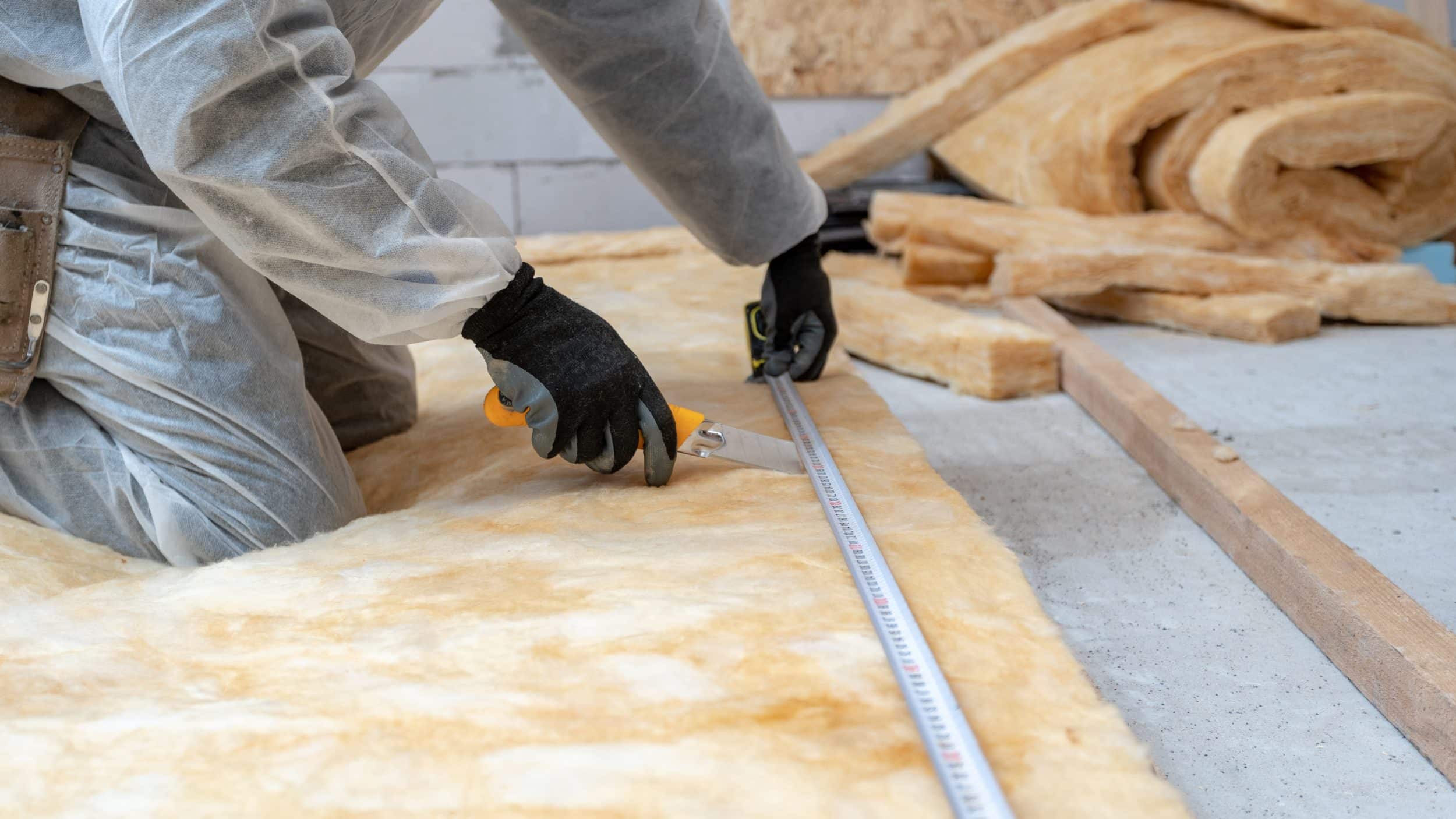
Best Attic Insulation Services in San Francisco
San Francisco’s Victorian homes are known for their architectural character, but behind the beautiful facades, many homeowners struggle with a common issue: energy inefficiency. The city’s distinct microclimate, characterized by rolling fog and damp ocean breezes, can quickly affect older structures, making your heating system work overtime just to maintain a baseline level of comfort. This constant energy drain creates higher monthly utility costs and can eventually place stress on the building’s longevity.
Modernizing your thermal barrier is one of the most effective ways to preserve the integrity of these historic properties. By seeking out the best attic insulation services for SF, you are making a strategic decision to safeguard your real estate investment while significantly elevating your quality of living.
A well-insulated attic acts as a comprehensive shield, regulating indoor temperatures and preventing the moisture buildup that often compromises older timber. Atticare understands the nuances of Bay Area construction, bringing decades of specialized experience to help you create a home that is as efficient as it is beautiful.
Why San Francisco Homes Need Specialized Attic Insulation
San Francisco’s microclimate creates specific insulation requirements that differ dramatically from inland California cities. SF homeowners need insulation that addresses moisture management, temperature fluctuations, and heating efficiency—not just cooling.SF’s Unique Climate Challenges
San Francisco’s fog-influenced weather creates year-round temperature variations. Morning fog brings moisture, afternoons warm significantly, and evenings cool rapidly—often within the same day. Without proper insulation, HVAC systems work overtime while energy costs soar. Key Climate Factors:- Coastal moisture: Fog and marine layer humidity require moisture-resistant insulation
- Moderate but consistent: Year-round heating and cooling needs
- Expensive energy: Bay Area utility rates rank among California’s highest
- Microclimate variations: Sunset District differs from Mission District
Older Homes Requiring Upgrades
Much of San Francisco’s housing dates to the early 1900s. These historic Victorians, Edwardians, and classic flats typically feature little to no original attic insulation, inadequate air sealing, and difficult attic access. Professional insulation services transform these energy-inefficient homes into comfortable, cost-effective residences.Building Code Compliance
California’s Title 24 energy standards mandate specific R-values for attic insulation. Working with the best attic insulation services for SF ensures your project meets all regulatory requirements.Atticare: Top-Rated Attic Insulation Services in San Francisco
When comparing the best attic insulation services for SF, Atticare stands out with comprehensive solutions tailored specifically to Bay Area homes and climate conditions.Our Complete Service Offerings
Free Professional Inspection Every project begins with thorough attic inspection by certified professionals evaluating:- Current insulation levels and condition
- Air sealing needs and ventilation adequacy
- Moisture issues or water damage
- Structural concerns or code violations
- Access challenges unique to SF homes
- Superior air sealing and moisture resistance
- Ideal for moisture-prone SF microclimates
- R-6.5 to R-7 per inch (closed-cell)
- Excellent for older homes with significant air leakage
- Cost-effective for most SF homes
- Fiberglass or cellulose options
- Fills irregular spaces around Victorian-era framing
- Quick installation with minimal disruption
- Budget-friendly for accessible attics
- Suitable for newer construction
- Available in various R-values
Licensed, Bonded, and Insured
Atticare maintains all required California contractor licenses, comprehensive insurance, and certifications including:- California Contractor License (C-2 Insulation & Acoustical)
- Building Performance Institute (BPI) certification
- ENERGY STAR partnership
Comprehensive Warranties
We guarantee our work with:- Material warranties: 20-year to lifetime coverage
- Labor warranties: 1-5 years on installation
- Satisfaction guarantee: Complete customer satisfaction
What Makes Atticare the Best Choice Among SF Insulation Contractors
Decades of Bay Area Experience
Atticare has served San Francisco for years, completing thousands of successful projects. Our experience with SF’s unique housing stock—from Marina Victorians to Sunset row houses—means we understand your home’s specific challenges.Proven Customer Satisfaction
Check our Better Business Bureau rating and Yelp reviews to see what Bay Area customers say. Customer Testimonials: “Atticare transformed our drafty Edwardian in Noe Valley. The crew was professional, cleanup was immaculate, and heating bills dropped 35% the first winter!“ — Sarah M., Noe Valley “Our Outer Sunset home is finally comfortable year-round. Atticare’s team exceeded expectations—knowledgeable, efficient, and thorough.” — James L., Outer SunsetResponsive Service and Flexible Scheduling
- Same-week inspection scheduling
- Flexible appointments including weekends
- Efficient completion (most jobs 1-2 days)
- Clear communication throughout
- Minimal disruption to daily life
Climate-Appropriate Insulation Solutions for San Francisco
Which Is Better: Blown or Rolled Insulation?
For San Francisco homes, blown-in insulation typically outperforms rolled (batt) insulation: Blown-In Advantages:- Superior coverage around irregular framing
- Fills gaps batts cannot reach
- Better air sealing reduces drafts and moisture
- Easier installation in limited-access attics
- More effective in Victorian-era roof structures
Best Materials for Coastal/Foggy Climates
Closed-Cell Spray Foam:- Acts as vapor barrier preventing moisture penetration
- Excellent for Sunset, Richmond, Bayview neighborhoods
- Seals air leaks allowing humid air infiltration
- Naturally moisture-resistant
- Won’t support mold growth
- Maintains R-value with humidity exposure
- Cost-effective for most SF homes
- Eco-friendly from recycled materials
- Properly treated for moisture resistance
- Dense installation resists air movement
R-Value Recommendations for SF
California Title 24 recommends R-38 to R-49 for San Francisco attics. Should I Install R30 or R38? For SF homes, R-38 is minimum recommended, with R-49 providing optimal:- Maximum energy savings
- Superior comfort during temperature fluctuations
- Better moisture management
- Current building code compliance
- Fiberglass blown-in: 12-16 inches for R-38 to R-49
- Cellulose blown-in: 11-14 inches for R-38 to R-49
- Spray foam: 6-8 inches for R-38 to R-49
Moisture Management and Ventilation
Proper ventilation prevents moisture accumulation—critical in SF’s fog-influenced climate. Professional installation ensures proper ventilation while maximizing insulation effectiveness.San Francisco Attic Insulation Costs
How Much Does Attic Insulation Cost in the Bay Area?
SF and Bay Area costs run 15-25% higher than national averages due to labor costs, permits, access challenges, and premium materials. Typical SF Pricing: Blown-In Fiberglass:- $2.00-$3.25 per square foot
- 1,500 sq ft attic: $3,000-$4,875
- $2.25-$3.75 per square foot
- 1,500 sq ft attic: $3,375-$5,625
- $5.50-$8.50 per square foot
- 1,500 sq ft attic: $8,250-$12,750
Average Cost Per Square Foot
Expect $2.50-$4.00 per square foot for quality blown-in installation including removal (if needed), air sealing, installation to R-38/R-49, cleanup, and warranty.SF-Specific Cost Factors
Access Challenges: Victorian/Edwardian homes often feature difficult attic access, increasing labor costs. Old Insulation Removal: Many older SF homes need removal before installation, adding $1.50-$2.50 per square foot. See our insulation replacement services. Permit Fees: SF building permits range $200-$500. Disposal Costs: Bay Area disposal fees run higher than most California regions.Transparent Pricing Promise
Atticare provides detailed written estimates with no hidden fees:- Material specifications and quantities
- Labor costs and timeline
- Removal costs (if needed)
- Disposal and permit fees
- Warranty details
- Payment terms and financing
Energy Savings & Rebates for SF Homeowners
Tax Credits and Incentives
Federal Tax Credits: The Inflation Reduction Act provides credits for insulation—up to 30% of costs (max $1,200 annually). PG&E Energy Savings Assistance: Qualifying low-income households may receive free insulation upgrades. BayREN Programs: Rebates and financing for comprehensive energy upgrades. Programs vary by county and income.Is Attic Insulation Worth the Cost?
Average SF Energy Savings:- Heating cost reduction: 20-35%
- Cooling cost reduction: 10-20%
- Total annual savings: $400-$900
- Increased comfort year-round
- Reduced HVAC strain
- Higher home resale value
- Improved indoor air quality
- Environmental benefits
Our Streamlined Process
Step 1: Free In-Home Assessment
Our certified professionals visit to access and evaluate your attic, measure square footage, assess insulation condition, identify air sealing needs, check ventilation, note concerns, and discuss energy goals. Assessment takes 45-60 minutes.Step 2: Detailed Quote
Within 24-48 hours, receive comprehensive written quote including recommended type/R-value, project scope, itemized costs, timeline, warranty details, financing information, and available rebates.Step 3: Scheduling
We schedule installation, secure permits, order materials, confirm crews, provide instructions, and answer questions. Most projects scheduled within 1-2 weeks.Step 4: Professional Installation
Crews arrive on schedule to protect your home, remove old insulation if necessary, perform air sealing, install new insulation, ensure ventilation coordination, verify coverage, and answer questions. Most SF projects complete in 1-2 days. See our full insulation services.Step 5: Final Inspection
Thorough cleanup, final walkthrough, R-value verification, warranty documentation, and post-installation support ensure complete satisfaction.Common SF Homeowner Questions
Should I Remove Old Insulation First?
Remove if contaminated by rodents/pests (rodent proofing available), mold is present, severely deteriorated, switching to spray foam, or contains hazardous materials. Add over existing when clean, dry, intact, supplementing inadequate R-values, and materials are compatible.Removal Costs?
SF removal typically costs $1.50-$2.50 per square foot including careful removal, proper disposal, attic cleaning, and Bay Area regulation compliance.Is Removal Worth It?
When contaminated or damaged, removal eliminates health hazards, prevents allergen exposure, allows thorough air sealing, ensures optimal performance, and provides peace of mind.Insurance Coverage?
Standard insurance typically covers restoration only if damage resulted from covered perils (sudden roof leak). Gradual deterioration or pests usually aren’t covered.Best Insulation for California?
For SF specifically:- Best Overall: Blown-in fiberglass—moisture resistance, cost-effectiveness, coastal climate performance
- Best Premium: Closed-cell spray foam—superior air sealing, moisture protection
- Best Eco-Friendly: Blown-in cellulose—sustainable recycled materials
Healthiest Insulation?
Blown-in cellulose and fiberglass rank healthiest: no harmful off-gassing, naturally pest/mold resistant, non-toxic treatments, minimal VOCs.Most Cost-Effective?
Blown-in fiberglass offers best cost/performance balance: solid R-38 to R-49, excellent moisture resistance, reasonable costs, 20-30 year lifespan, good ROI.San Francisco Service Areas
Atticare serves all SF neighborhoods including Financial District, SOMA, Marina, Pacific Heights, Russian Hill, Richmond, Sunset, Mission, Bernal Heights, Castro, Potrero Hill, and more. We also serve surrounding Bay Area communities. Visit our locations page to see all service areas.Building Code Compliance & Permitting
Professional installation ensures compliance with all SF and California regulations.Title 24 Requirements
California Title 24 mandates specific insulation levels enforced during home sales, remodels, and permit-required work. Current Requirements:- Minimum R-38 for SF climate zone
- Proper ventilation coordination
- Air sealing standards
- Documentation and verification
Permit Handling
Atticare handles all permitting: determining necessity, preparing applications, coordinating with SF inspectors, scheduling inspections, and ensuring final approval.Compliance Guarantee
We guarantee work meets or exceeds California Title 24, SF building codes, manufacturer specifications, industry best practices, and ENERGY STAR recommendations.Why Choose Local SF Contractors
Benefits of Local Expertise
Understanding SF Housing: SF’s unique architecture—Victorians, Edwardians, classic flats—requires specialized knowledge of construction methods, common issues, preservation considerations, and access challenges. Quick Response: Faster scheduling, quicker responses, easier coordination. Community Reputation: We depend on referrals from satisfied SF homeowners. Local Code Knowledge: Familiarity with SF building requirements ensures smooth execution.Verify Contractor Credentials
Check license status at CSLB.ca.gov, confirm insurance coverage, review our BBB profile and Yelp reviews, ask for references, and verify BPI certifications.Get Your Free Quote Today
Don’t let inadequate insulation drive up energy bills. The best attic insulation services for SF deliver immediate benefits and long-term value.Schedule Your Free Assessment
Contact Atticare for complimentary, no-obligation assessment: What You’ll Receive:- Thorough attic inspection by certified professionals
- Honest assessment of current insulation
- Clear recommendations for optimal solutions
- Written quote with itemized costs
- Rebate and incentive information
- Answers to all questions
- ✓ Licensed, bonded, and insured
- ✓ Decades of Bay Area experience
- ✓ Hundreds of satisfied SF customers
- ✓ Transparent, competitive pricing
- ✓ Comprehensive warranties
- ✓ Expert SF climate knowledge
- ✓ Full service from assessment to completion
What's the Best Attic Insulation for Hot Southern California Climates?
Los Angeles homeowners face a unique problem: the relentless summer heat drives up utility bills and makes indoor comfort elusive. Standard insulation often fails to combat the intensity of the Southern California climate.
To truly stabilize your home environment and reduce those cooling costs, selecting the best attic insulation for Southern California becomes a critical investment. This choice directly determines your property’s year-round energy efficiency.
Our expert guide cuts through the options, comparing materials proven most effective in extreme L.A. temperatures to help you find the optimal solution for your house and budget.
Why Los Angeles Homes Need Climate-Appropriate Attic Insulation
Southern California’s hot, dry climate creates specific insulation requirements that differ from traditional recommendations designed for cold-weather regions. While much of the country focuses on retaining heat during winter, Los Angeles homeowners need insulation that primarily blocks radiant heat and reduces cooling loads.
The Los Angeles Heat Challenge
LA’s intense sun exposure creates extreme attic temperatures—often reaching 140-160°F during summer months. This radiant heat transfers through your roof into living spaces, forcing air conditioning systems to work overtime. Without proper, heat-resistant insulation, your HVAC system struggles to maintain comfortable indoor temperatures while energy bills soar.
The key isn’t just insulating—it’s choosing climate-appropriate materials that reflect heat, seal air leaks, and provide thermal barriers optimized for hot weather performance.
What Are the Most Effective Attic Insulation Options for Los Angeles?
When evaluating the best attic insulation for Southern California homes, experts recommend focusing on three primary factors: thermal resistance (R-value), air sealing capability, and heat reflection properties. Here are the top-performing options for Los Angeles residences.
Spray Foam Insulation: Premium Performance for LA Homes
Spray foam stands as the most high-performance option for Los Angeles attics, offering superior benefits that justify the higher investment for many homeowners.
Why Spray Foam Excels in Hot Climates:
Spray foam provides exceptional thermal protection and air-tight sealing that dramatically improves energy efficiency. Unlike traditional insulation materials, spray foam expands to fill every gap, crack, and irregular space, eliminating air leakage that undermines other insulation types.
Key Benefits:
- Superior R-value: R-6.5 to R-7 per inch for closed-cell foam
- Air sealing: Eliminates up to 95% of air infiltration
- Moisture resistance: Closed-cell foam acts as a vapor barrier
- Structural reinforcement: Adds rigidity to roof decking
- Longevity: Lasts 80+ years without settling or degrading
Cost Considerations: Expect to invest $3.00-$7.00 per square foot for spray foam installation in Los Angeles. While this represents a premium price point, the energy savings typically offset costs within 5-8 years.
Best Applications:
- Homes with HVAC systems located in attics
- Properties with significant air leakage issues
- Older homes requiring comprehensive upgrades
- Homeowners prioritizing maximum efficiency
Professional insulation services ensure proper application and optimal performance for spray foam projects.
Blown-In Insulation: Cost-Effective Balance for Most LA Homes
Blown-in insulation offers an affordable, effective solution that works exceptionally well for most Los Angeles residences. This category includes both fiberglass and cellulose options.
Blown-In Fiberglass:
Fiberglass blown-in insulation provides reliable thermal protection at moderate cost, making it the most popular choice among LA homeowners.
Benefits:
- Affordable pricing: $1.50-$2.50 per square foot
- Non-combustible: Excellent fire resistance for wildfire-prone areas
- Quick installation: Most projects complete in 1-2 days
- Fills irregular spaces: Conforms around obstacles and wiring
- R-value: R-2.2 to R-2.7 per inch
Considerations:
- Can settle 10-15% over time
- Requires proper ventilation management
- Less effective at air sealing than spray foam
Blown-In Cellulose:
Eco-friendly cellulose insulation appeals to environmentally conscious homeowners while delivering solid thermal performance.
Benefits:
- Sustainable: Made from recycled paper products
- Dense coverage: Better resistance to air movement
- Fire-treated: Treated with non-toxic fire retardants
- R-value: R-3.2 to R-3.8 per inch
- Cost: $1.80-$3.00 per square foot
Considerations:
- Requires moisture protection in rare humidity situations
- Slightly higher cost than fiberglass
- Can settle more than fiberglass over time
Both blown-in options represent excellent choices for Los Angeles homes seeking cost-effective thermal protection. Learn more about batts and blown insulation materials to understand which suits your needs.
A Los Angeles blown-in job: Attic insulation replacement and air duct cleaning in Los Angeles (91316), August 2026. 2,385 sq ft was taken back to bare joists and rebuilt in R-38 blown fiberglass on a stripped, sealed deck.
Radiant Barriers: Essential Addition for Southern California Heat
While not insulation in the traditional sense, radiant barriers offer critical heat reflection benefits specifically valuable in Los Angeles’s sunny climate.
How Radiant Barriers Work:
Radiant barriers consist of reflective material (typically aluminum foil) installed on the underside of roof decking. They reflect up to 97% of radiant heat back toward the roof, preventing heat transfer into attic spaces.
Benefits for LA Homes:
- Dramatic temperature reduction: Lowers attic temperatures by 20-30°F
- Reduced cooling costs: Decreases AC load by 5-15%
- Works with existing insulation: Enhances any insulation type
- Long-lasting: Maintains effectiveness for decades
- UV-resistant: Withstands intense sun exposure
Installation Considerations: Radiant barriers work best when combined with adequate traditional insulation. They’re most effective in:
- Attics with dark roofing materials
- Homes with HVAC equipment in the attic
- Properties in inland valleys with extreme heat
- Residences with south or west-facing roof slopes
Cost: Professional radiant barrier installation ranges from $0.50-$1.50 per square foot, making it an affordable upgrade that complements primary insulation.
Batt Insulation: Limited Applications in LA Homes
Traditional fiberglass or mineral wool batts represent the most basic insulation option. While affordable, they offer limited advantages for Los Angeles homes compared to blown-in or spray foam alternatives.
When Batts Make Sense:
- New construction with accessible framing
- Budget-constrained projects
- DIY installations by experienced homeowners
- Attics with simple, rectangular layouts
Limitations:
- Gaps reduce effectiveness significantly
- Difficult to fit around obstacles and wiring
- Less effective at preventing air infiltration
- Requires precise installation for optimal performance
For most Los Angeles retrofit projects, blown-in or spray foam options deliver superior results despite slightly higher costs.
Which Attic Insulation Types Offer the Best Thermal Performance for Los Angeles?
Comparing insulation materials requires understanding how thermal resistance translates to real-world cooling cost reductions in Southern California’s climate.
R-Value Requirements for Los Angeles Homes
California’s Title 24 energy standards recommend R-38 to R-49 for attic insulation in Los Angeles climate zones. However, higher R-values don’t always deliver proportional benefits in hot climates where preventing heat gain (rather than retaining heat) is the priority.
Recommended R-Values by Installation Type:
Spray Foam:
- Minimum R-30 for closed-cell applications
- 5-6 inches of closed-cell foam provides R-35 to R-42
- Combines insulation with superior air sealing
Blown-In Fiberglass:
- Target R-38 to R-49 for optimal performance
- 12-16 inches depth achieves recommended R-values
- Cost-effective path to code compliance
Blown-In Cellulose:
- Target R-38 to R-49
- 11-14 inches depth for recommended levels
- Slightly better performance per inch than fiberglass
Use Atticare’s insulation calculator to determine the optimal R-value and material quantity for your specific attic size and configuration.
Going above R-38 in Calabasas: High-R attic insulation and air duct replacement in Calabasas (91302), August 2026. 1,050 sq ft was rebuilt in R-49 blown insulation after the attic was cleared, sanitized and sealed.
Performance Beyond R-Value
In Los Angeles’s hot climate, air sealing and heat reflection matter as much as R-value. Studies show that air infiltration accounts for 25-40% of cooling costs in poorly sealed homes.
Performance Ranking for LA Climate:
- Spray foam + radiant barrier: Maximum efficiency, highest cost
- Blown-in insulation + radiant barrier: Excellent balance of cost and performance
- Blown-in insulation alone: Good thermal protection, affordable
- Batt insulation: Adequate for basic needs, requires perfect installation
The best insulation choice depends on your budget, home condition, and energy efficiency goals.
Expert-Recommended Attic Insulation Solutions for Reducing Cooling Costs
Energy auditors and HVAC professionals consistently recommend specific insulation strategies for maximizing efficiency and comfort in Los Angeles homes.
The Complete Insulation System Approach
Rather than focusing solely on insulation material, experts advocate for comprehensive attic upgrades addressing multiple efficiency factors:
- Air Sealing First Seal all penetrations, gaps, and cracks before installing insulation. This includes:
- Recessed lighting fixtures
- Plumbing and electrical penetrations
- Top plates and wall cavities
- Attic access hatches
Professional air sealing reduces cooling costs by 10-20% before insulation installation even begins.
- Adequate Ventilation Proper attic ventilation works synergistically with insulation to prevent heat buildup. Los Angeles homes need:
- Balanced intake and exhaust ventilation
- 1 square foot of ventilation per 150 square feet of attic space
- Ridge vents, soffit vents, or powered attic fans
- Climate-Appropriate Insulation Material Select materials optimized for heat resistance and moisture management appropriate to Southern California’s dry climate.
- Radiant Barrier Integration Add reflective barriers to maximize cooling cost reduction, particularly in inland valley locations with extreme summer temperatures.
Recommended Solutions by Home Type
Older LA Homes (Pre-1980):
- Remove deteriorated existing insulation
- Professional air sealing throughout attic
- Blown-in cellulose to R-38 minimum
- Radiant barrier installation
- Expected cooling cost reduction: 25-40%
Newer Homes (1980-2010):
- Supplement existing insulation to R-49
- Address any air sealing gaps
- Consider radiant barrier addition
- Expected cooling cost reduction: 15-25%
Modern Homes (Post-2010):
- Verify compliance with current Title 24 standards
- Upgrade to R-49 if below recommended levels
- Focus on advanced air sealing techniques
- Expected cooling cost reduction: 10-20%
Professional insulation replacement services ensure comprehensive upgrades addressing all efficiency factors.
Compare Top Attic Insulation Materials for Los Angeles Climate
Understanding how different materials perform in Southern California’s unique environment helps you make informed decisions aligned with your priorities.
Material Comparison: Key Performance Factors
Insulation Type | R-Value per Inch | Air Sealing | Heat Resistance | Moisture Resistance | Cost per Sq Ft | Lifespan |
Closed-Cell Spray Foam | R-6.5-7 | Excellent | Excellent | Excellent | $5-7 | 80+ years |
Open-Cell Spray Foam | R-3.5-4 | Excellent | Very Good | Good | $3-4.50 | 80+ years |
Blown-In Cellulose | R-3.2-3.8 | Good | Very Good | Fair | $1.80-3 | 20-30 years |
Blown-In Fiberglass | R-2.2-2.7 | Fair | Good | Excellent | $1.50-2.50 | 20-30 years |
Fiberglass Batts | R-2.9-3.8 | Poor | Good | Good | $1-2 | 20-30 years |
Radiant Barrier | N/A | None | Excellent* | Excellent | $0.50-1.50 | 50+ years |
*Radiant barriers reflect heat but provide no insulation value themselves
The Verdict: Best Overall for Los Angeles Homes
For most Los Angeles residences, blown-in fiberglass or cellulose combined with a radiant barrier offers the optimal balance of thermal performance, cost-effectiveness, and long-term value.
This combination provides:
- Solid R-value performance: Achieves R-38 to R-49 recommended levels
- Heat reflection: Radiant barrier reduces attic temperatures significantly
- Affordable investment: Total cost of $2-4 per square foot
- Quick installation: Minimal disruption to daily life
- Proven track record: Decades of reliable performance in SoCal climate
For homeowners prioritizing maximum efficiency regardless of cost, closed-cell spray foam with radiant barrier delivers unmatched performance but requires 2-3x the investment.
Budget-conscious homeowners can achieve significant improvements with blown-in fiberglass alone, though adding a radiant barrier later remains relatively easy and cost-effective.
Learn more about choosing the right R-value for your specific needs and goals.
Find Local Los Angeles Services for Professional Attic Insulation Installation
Professional installation ensures optimal performance, code compliance, and maximum energy savings. Los Angeles homeowners benefit from working with experienced contractors who understand regional climate challenges and building requirements.
What to Look for in LA Insulation Contractors
Essential Qualifications:
- Valid California contractor license (C-2 or C-61/D-64)
- Comprehensive liability and workers’ compensation insurance
- Building Performance Institute (BPI) certification
- 5+ years serving the Los Angeles area
- Experience with California Title 24 compliance
- Knowledge of local utility rebate programs
Service Capabilities: Professional contractors should offer comprehensive attic services including:
- Free in-home energy assessments
- Air sealing and ventilation evaluation
- Multiple insulation material options
- Radiant barrier installation
- Old insulation removal when necessary
- Post-installation verification and documentation
Why Choose Atticare for Your Los Angeles Insulation Project
Atticare has served Los Angeles area homeowners for years, specializing in climate-appropriate insulation solutions optimized for Southern California conditions.
Our Expertise Includes:
- Comprehensive assessments: Evaluate your attic’s current condition, air sealing needs, and ventilation adequacy
- Climate-optimized recommendations: Suggest materials and R-values specifically suited to your location and home
- Professional installation: Certified crews with extensive experience in LA homes
- Complete attic services: From insulation installation to air sealing and ventilation
- Rebate assistance: Help you qualify for available utility incentives
- Quality guarantees: Stand behind our work with comprehensive warranties
Serving All Los Angeles Areas: We provide professional insulation services throughout Los Angeles, including:
- Los Angeles City
- San Fernando Valley
- South Bay
- Westside
- San Gabriel Valley
- Beach communities
- Inland Empire
Energy Savings and Rebate Opportunities
Los Angeles homeowners can reduce insulation costs significantly through utility company rebates and federal tax incentives.
Available Incentives:
- LADWP Rebates: Up to $1,000 for qualifying insulation upgrades
- Southern California Edison: Various energy efficiency incentives
- Federal Tax Credits: 30% of project costs (up to $1,200 annually)
- Inflation Reduction Act: Additional incentives for comprehensive efficiency upgrades
Professional contractors like Atticare help you navigate rebate requirements, ensuring your project qualifies for maximum incentives.
Expected Energy Savings
Los Angeles homeowners typically see dramatic cooling cost reductions after professional attic insulation installation:
Average Savings by Project Type:
- Minimal existing insulation (R-0 to R-11): 35-50% cooling cost reduction
- Inadequate insulation (R-11 to R-19): 25-35% cooling cost reduction
- Below-standard insulation (R-19 to R-30): 15-25% cooling cost reduction
- Near-standard insulation (R-30 to R-38): 10-15% cooling cost reduction
For a typical LA home with $200 monthly summer cooling costs, upgrading from R-11 to R-49 insulation can save $50-70 monthly—$600-840 annually—making most projects cost-effective within 3-6 years.
Indoor Air Quality Benefits for Los Angeles Homes
Beyond energy efficiency, proper attic insulation significantly improves indoor air quality—a critical consideration for Los Angeles residents concerned about air pollution and allergens.
Air Quality Improvements:
Reduced outdoor pollutant infiltration: Proper insulation and air sealing prevent outdoor air pollution, pollen, and allergens from entering your home through attic gaps and cracks.
Better humidity control: Quality insulation helps maintain consistent indoor humidity levels, reducing dust mites and mold growth potential.
Lower HVAC strain: Efficient insulation reduces AC runtime, decreasing the circulation of dust and contaminants through your HVAC system.
Non-toxic material options: Eco-friendly insulation materials like cellulose provide effective thermal protection without off-gassing concerns common with some traditional materials.
For homeowners prioritizing both energy efficiency and indoor air quality, blown-in cellulose or spray foam options deliver comprehensive benefits supporting healthier home environments.
Take the Next Step: Schedule Your Free Assessment
Deciding on the best attic insulation for Southern California starts with recognizing your home’s specific needs, current condition, and energy efficiency goals. Professional assessment identifies the optimal solution for your budget and priorities.
Get Started Today:
Contact Atticare for your free, no-obligation attic insulation assessment. Our Los Angeles area experts will:
- Inspect your attic: Evaluate current insulation, air sealing, and ventilation
- Measure performance gaps: Identify areas where energy efficiency improvements deliver maximum impact
- Recommend solutions: Suggest climate-appropriate materials and R-values for your home
- Provide transparent pricing: Detailed estimates with no hidden fees
- Explain rebate opportunities: Help you maximize available incentives
Ready to Lower Your Cooling Costs?
Don’t let inadequate attic insulation drive up your energy bills and compromise home comfort. Los Angeles homeowners who invest in proper, climate-appropriate insulation enjoy:
- Cooler homes during summer heat waves
- Lower utility bills year-round
- Improved indoor air quality
- Increased home value
- Enhanced environmental sustainability
Schedule your free assessment today and discover how much you can save with professional attic insulation optimized for Southern California’s unique climate.
Atticare provides expert attic insulation installation, replacement, and energy efficiency upgrades throughout the Los Angeles area. Our certified professionals specialize in climate-appropriate solutions that maximize comfort and savings for Southern California homes.
How to Compare Attic Insulation Quotes in Los Angeles: 2026 Guide
In a city defined by sprawling square footage and relentless summer heat, poor attic insulation is one of the biggest hidden drivers of high utility bills for Los Angeles homeowners. Upgrading your insulation is a smart investment, but getting ripped off by a generic bid or hiring the wrong contractor can quickly erase any potential savings.
Finding the right professional doesn’t have to be a confusing series of guesswork and hard-sell pitches. Whether you own a vintage bungalow in Pasadena struggling with climate control or a modern build in Santa Monica looking to optimize Title 24 compliance, comparing insulation quotes requires specific local knowledge.
This comprehensive guide helps you request, evaluate, and compare attic insulation quotes confidently, ensuring you choose the best professional for your energy efficiency upgrade.
Understanding Attic Insulation Costs in Los Angeles
Los Angeles homeowners face unique insulation challenges. While we don’t experience harsh winters, our hot summers and temperature swings make proper attic insulation essential for reducing energy costs and improving home comfort.Average Cost Breakdown by Insulation Type
The cost to insulate your attic varies significantly based on materials, square footage, and installation complexity. Here’s what LA homeowners typically pay: Blown-in Insulation: $1.50 to $3.50 per square foot- Fiberglass blown-in: $1.50-$2.50/sq ft
- Cellulose blown-in: $1.80-$3.00/sq ft
- Ideal for attics with existing insulation needing upgrades
- Fiberglass batts: $1.00-$2.00/sq ft
- Mineral wool batts: $1.50-$2.50/sq ft
- Affordable but labor-intensive in tight spaces
- Open-cell spray foam: $3.00-$4.50/sq ft
- Closed-cell spray foam: $5.00-$7.00/sq ft
- Premium option with superior thermal efficiency and air sealing
Key Factors That Affect Your Attic Insulation Quotes
When you request an estimate from contractors, several elements influence the final pricing. Understanding these helps you compare quotes accurately and assess which offers true value.Square Footage and Attic Accessibility
Your attic’s size is the primary cost driver. However, accessibility matters equally. Attics with limited headroom, narrow access points, or steep roof pitches require more labor time, increasing costs by 15-30%. Many older LA homes feature challenging attic layouts that impact installation efficiency and pricing.Current Insulation Condition and Removal Needs
Does your existing insulation need removal? This significantly affects your quote. Old, damaged, or contaminated insulation removal adds $1-$2 per square foot to your project. Attic cleaning services may be necessary before installation, especially if you’ve had rodent activity—a common issue in Los Angeles neighborhoods.R-Value Requirements and Energy Efficiency Goals
R-value measures insulation’s thermal resistance. California’s Title 24 building standards recommend R-38 to R-49 for attic insulation in our climate zone. Higher R-values require more material, affecting your estimate. Discuss your energy efficiency goals with contractors to determine the optimal R-value that balances cost and performance.Regional Labor Costs and Contractor Rates
Los Angeles contractors charge premium rates compared to national averages. Expect labor costs between $45-$85 per hour, reflecting our higher cost of living. Licensed, insured professionals with proper certifications typically charge more but deliver reliable, high-quality results and peace of mind.How Can I Quickly Compare Attic Insulation Quotes from Local Contractors?
Getting multiple quotes and comparing them efficiently requires a systematic approach. Follow these steps to streamline the process and make confident decisions before booking your service.Step 1: Prepare Your Home Information
Before contacting contractors, gather:- Approximate attic square footage
- Current insulation type and condition
- Age of your home
- Recent energy bills showing heating and cooling costs
- Any known issues (leaks, rodents, ventilation problems)
Step 2: Request Free Quotes from Multiple Contractors
Contact at least three certified insulation professionals in the Los Angeles area. When submitting a quote form or request, ask for:- Detailed written estimates with itemized costs
- Material specifications (brand, R-value, type)
- Labor breakdown separating materials from installation
- Project timeline with start and completion dates
- Warranty information for both materials and service
- Proof of licensing and insurance
Step 3: Schedule Professional In-Home Inspections
Phone estimates rarely capture your project’s true scope. Professional contractors should conduct a free inspection to assess your attic’s unique conditions. During the inspection, expect them to measure square footage, evaluate existing insulation, check ventilation, and identify potential issues affecting pricing.Essential Questions to Ask During the Estimate
When meeting with contractors for your free quote, ask:- How long have you been installing insulation in LA?
- Are you licensed, bonded, and insured?
- What warranties do you offer on materials and labor?
- Will you handle permits and building inspections?
- How do you address ventilation requirements?
- What’s your cleanup and disposal process?
- Do you offer financing options?
- Can you help me qualify for LADWP rebates?
Red Flags to Watch For in Quotes
Be cautious of estimates that:- Are significantly lower than others (40%+ below average)
- Lack detailed material specifications
- Don’t include written warranties
- Come from unlicensed contractors
- Pressure you for immediate decisions
- Require large upfront deposits (over 20%)
- Don’t address ventilation or building codes
Where Can Homeowners Get Side-by-Side Attic Insulation Quotes?
Los Angeles homeowners have several effective options for obtaining and comparing multiple quotes from local contractors in their area.Online Quote Comparison Platforms
Several platforms help LA homeowners request and evaluate contractor quotes: Better Business Bureau: Check ratings, complaint history, and resolution records for local insulation companies. The BBB allows you to compare certified businesses and see how they handle customer concerns. HomeAdvisor/Angi: Request quotes from pre-screened contractors in your area. These platforms provide cost guides and allow you to compare multiple professionals side-by-side based on reviews, pricing, and qualifications. Google Business Profiles: Search for “attic insulation quotes Los Angeles” to find local contractors with verified reviews. Compare ratings, response times, and customer feedback to narrow your choices. Yelp: Read detailed reviews from local homeowners about their experience with specific contractors. Filter by neighborhood to find professionals serving your area.Direct Contractor Websites
Many professional insulation companies, like Atticare, offer free quote forms on their websites. This approach provides:- Direct communication with the contractor
- Faster response times
- Ability to assess company professionalism and resources
- Access to detailed service information and project galleries
Local Energy Audit Programs
The Los Angeles Department of Water and Power offers energy assessment programs that can recommend qualified contractors for your insulation upgrade. These programs often connect homeowners with certified professionals who understand local rebate requirements.What’s the Best Way to Compare Pricing and Service Features?
Once you’ve collected multiple attic insulation quotes, systematic comparison helps you choose the contractor offering the best value—not just the lowest price.Create a Detailed Comparison Worksheet
Organize estimates using these categories: Cost Breakdown- Material cost per square foot
- Labor cost per square foot
- Removal/preparation costs
- Total project cost
- Payment terms and financing options
- Insulation type (blown-in, spray foam, batt)
- Brand and quality rating
- R-value to be achieved
- Square footage coverage
- Vapor barrier inclusion
- Project timeline
- Crew size and experience level
- Cleanup and disposal procedures
- Warranty length and coverage
- Post-installation inspection included
- License number verification
- Insurance coverage amounts
- Years in business locally
- Online reviews and ratings
- References provided from recent projects
Beyond Price: Evaluate Quality and Reliability
The lowest quote isn’t always the best value. Consider these quality indicators: Experience with LA Homes: Los Angeles houses range from 1920s bungalows to modern builds. Contractors familiar with local architecture understand unique challenges like knob-and-tube wiring, inadequate ventilation, and seismic retrofitting considerations. Material Quality: Not all insulation performs equally. Higher-quality, eco-friendly materials may cost 10-20% more initially but deliver better long-term thermal performance and energy savings. Ask about manufacturer warranties—premium products often include 25-year to lifetime guarantees. Installation Expertise: Proper installation matters as much as material choice. Poorly installed insulation creates gaps, compression, and reduced R-values. Professional installation ensures optimal energy efficiency and long-term savings.Calculate Total Cost of Ownership
Look beyond the initial quote to assess long-term value:- Energy savings projections over 10-20 years
- Warranty coverage reducing future repair costs
- Rebate eligibility through programs like LADWP incentives
- Increased home value for resale
- Maintenance requirements and expected lifespan
Which Online Tools Help Compare Attic Insulation Quotes Effectively?
Modern technology makes comparing contractors easier than ever. Here are the most effective tools for Los Angeles homeowners.Contractor Verification Tools
Contractors State License Board (CSLB): Visit CSLB.ca.gov to verify any California contractor’s license status, check for disciplinary actions, and confirm insurance coverage. This free tool is essential before hiring any professional. Better Business Bureau: Check BBB.org for ratings, accreditation status, and complaint history. The BBB provides detailed information about how businesses handle customer issues.Review Aggregation Platforms
Google Reviews: Comprehensive reviews from verified customers with photos and detailed experiences. Look for patterns in feedback about pricing accuracy, project timeline, and overall satisfaction. Yelp: Detailed local reviews with filtering options by neighborhood and service type. Particularly useful for finding contractors serving specific LA areas. HomeAdvisor/Angi: Pre-screened contractors with verified reviews and background checks. These platforms often include cost guides helping you assess if quotes are reasonable.Cost Estimation Tools
Energy.gov Home Energy Calculator: Estimate potential energy savings from insulation upgrades to compare against contractor projections. Atticare’s Insulation Calculator: Calculate approximate material needs and costs based on your attic square footage and desired R-value.Quote Management Spreadsheets
Create a simple spreadsheet to track:- Contractor names and contact information
- Quote dates and amounts
- Material specifications
- Timeline estimates
- Follow-up questions and responses
- Your rating of each interaction
Cost Breakdown by Common LA Project Sizes
Understanding typical project costs helps you assess whether quotes are reasonable and competitive for your home size.How Much Does It Cost to Insulate a 1000 Sq Ft Attic?
For a modest LA bungalow or condo:- Blown-in fiberglass: $1,500-$2,500
- Blown-in cellulose: $1,800-$3,000
- Spray foam: $3,000-$7,000
How Much Does It Cost to Insulate a 1500 Square Foot House?
Standard for many LA single-family homes:- Blown-in fiberglass: $2,250-$3,750
- Blown-in cellulose: $2,700-$4,500
- Spray foam: $4,500-$10,500
How Much Does It Cost to Insulate a 2000 Square Foot Attic?
Larger LA homes or two-story properties:- Blown-in fiberglass: $3,000-$5,000
- Blown-in cellulose: $3,600-$6,000
- Spray foam: $6,000-$14,000
How Do I Find and Compare Certified Attic Insulation Professionals?
Choosing certified, qualified contractors ensures quality installation, warranty protection, and rebate eligibility. Here’s how to identify the best professionals for your project.Verify Professional Certifications and Licensing
California requires insulation contractors to hold valid licenses. Look for: California Contractor License: C-2 (Insulation and Acoustical) or C-61/D-64 (Limited Specialty) classifications. Verify through CSLB.ca.gov. Industry Certifications:- Building Performance Institute (BPI) certification
- Insulation Contractors Association of America (ICAA) membership
- ENERGY STAR certification
- Manufacturer-specific training certifications
- General liability insurance ($1M minimum)
- Workers’ compensation coverage
- Proof of bonding
Evaluate Local Experience and Reputation
Look for contractors who:- Specialize in residential insulation (not just general contracting)
- Have 5+ years serving the LA market
- Understand California building codes and Title 24 requirements
- Can provide references from recent local projects
- Maintain relationships with local inspectors and building departments
Check Reviews and Request References
Online reviews provide valuable insights, but dig deeper than star ratings:- Read detailed reviews describing specific experiences
- Note how companies respond to negative feedback
- Look for patterns in complaints or praise
- Verify review authenticity (detailed, specific, varied dates)
- Quote accuracy vs. final costs
- Project timeline and disruptions
- Quality of work and cleanup
- Communication and professionalism
- Post-installation support and warranty service
Assess Company Resources and Stability
Reliable contractors demonstrate stability through:- Established local business address
- Professional website with project galleries
- Active social media presence
- Responsive customer service
- Updated equipment and technology
- Ongoing training for crew members
Spray Foam vs. Blown-In vs. Batt: Which Is Better?
Each insulation type offers distinct advantages affecting both cost-effectiveness and energy efficiency. Your choice impacts upfront quotes and long-term savings.Spray Foam: Premium Energy Efficiency
How much does it cost to spray foam a 2000 foot attic? Expect $6,000-$14,000 for a 2,000 sq ft attic, depending on foam type and application thickness. Pros:- Highest R-value per inch (R-6.5 to R-7 for closed-cell)
- Superior air sealing eliminates drafts and improves efficiency
- Moisture barrier properties protect against leaks
- Structural reinforcement for roof decking
- Excellent for complex attic spaces
- Highest initial cost ($3-$7/sq ft)
- Requires professional installation
- Off-gassing period after application
- Difficult to remove if issues arise
Blown-In Insulation: Cost-Effective Balance
Pros:- Affordable pricing ($1.50-$3/sq ft)
- Fills irregular spaces and gaps effectively
- Quick installation process
- Easy to upgrade with additional layers later
- Minimal waste during application
- Can settle over time (reducing R-value by 10-15%)
- Requires proper ventilation management
- May need periodic inspection and top-ups
- Dust creation during installation
Which Is Better: Attic Insulation Blown or Rolled?
Blown-in insulation typically outperforms rolled (batt) insulation for attics because:- Better coverage around obstacles and irregular spaces
- Fewer gaps and air leaks
- Faster installation in most attics
- More effective in hard-to-reach areas
- Working with accessible, rectangular attic spaces
- Budget constraints are significant
- DIY installation is planned (though professional service recommended)
ROI and Value: Is Attic Insulation Worth the Cost?
Attic insulation represents one of the most cost-effective home improvement investments available, especially in Los Angeles’s energy-conscious real estate market.Energy Savings Calculations
Los Angeles homeowners typically save 15-30% on heating and cooling costs after professional insulation installation. For a home with $200 monthly energy bills, that’s $360-$720 in annual savings. Most insulation projects pay for themselves within 3-7 years through reduced energy costs. Your actual savings depend on:- Current insulation levels and condition
- HVAC system efficiency and age
- Home air sealing quality
- Temperature settings and usage patterns
- Local utility rates from LADWP or other providers
Does Attic Insulation Increase House Value?
Yes, particularly in Los Angeles’s competitive real estate market. Energy-efficient homes command premium prices, with studies showing 3-5% value increases for properties with modern, high-quality insulation. For a $700,000 LA home, that’s $21,000-$35,000 in added value. Real estate agents report that well-insulated homes:- Sell faster than comparable properties
- Appeal to environmentally conscious buyers
- Face fewer negotiation obstacles during inspections
- Receive higher appraisals
Does Insulating My Attic Qualify for Tax Credits?
Yes. Los Angeles homeowners can reduce insulation costs through several programs: LADWP Rebates: Los Angeles Department of Water and Power offers rebates up to $1,000 for qualifying attic insulation projects. Requirements include meeting minimum R-value standards and using approved contractors. Federal Tax Credits: The Inflation Reduction Act provides tax credits for energy-efficient home improvements, including insulation. Homeowners may claim up to 30% of project costs (maximum $1,200 annually for qualified efficiency improvements). SCE and SoCalGas Programs: Additional rebates and incentives may be available through Southern California Edison and SoCalGas for comprehensive energy efficiency upgrades. Ask your insulation contractor about qualifying your project for these programs. Professional installers familiar with rebate requirements can help maximize your savings and handle paperwork.Common Questions Homeowners Ask
How Accurate Are Insulation Estimates?
Professional estimates based on thorough inspections should be within 10% of final costs. However, hidden issues like severe rodent damage, structural problems, or extensive mold remediation can increase costs. Reputable contractors identify potential issues during the inspection and adjust quotes accordingly or provide contingency allowances.Should I Remove Old Attic Insulation Before Adding New?
It depends on current conditions. Remove existing insulation if:- It’s contaminated by rodents, pests, or water damage
- Mold or mildew is present
- It’s severely compressed or deteriorated
- You’re switching insulation types (especially adding spray foam)
How Often Should Attic Insulation Be Replaced?
Quality insulation lasts 20-30 years with proper maintenance. However, inspect your attic annually for:- Settling or compression reducing effectiveness
- Water damage from roof leaks
- Pest activity and contamination
- Ventilation issues causing moisture problems
What’s the Best Time of Year to Insulate in LA?
Los Angeles’s mild climate makes insulation installation possible year-round. However, fall and winter (October-March) offer advantages:- Cooler attic temperatures improve crew comfort and efficiency
- Lower demand may result in better pricing and availability
- Completing work before summer maximizes cooling cost savings
- Spring home-buying season benefits from improved energy efficiency
How Many Inches of Insulation Is Good in the Attic?
California Title 24 recommends R-38 to R-49 for Los Angeles area attics. This translates to:- Fiberglass: 12-16 inches
- Cellulose: 11-14 inches
- Spray foam: 6-8 inches (closed-cell)
Is It Cheaper to Do Insulation Yourself?
DIY installation can save 40-60% on labor costs, but consider: Pros of DIY:- Lower upfront costs
- Work at your own pace
- Personal satisfaction
- Risk of improper installation reducing efficiency
- Safety hazards (heat exposure, falls, electrical hazards)
- No warranty on installation work
- Ineligible for most rebate programs
- Significant time investment (20-40 hours for average attic)
- Equipment rental costs
Get Your Free Attic Insulation Quote Today
Ready to improve your Los Angeles home’s energy efficiency and comfort? Getting started is simple with Atticare’s free quote service.What to Prepare Before Requesting Your Quote
Gather this information for accurate attic insulation quotes:- Home address and approximate attic square footage
- Current energy bill amounts
- Known attic issues (leaks, pests, poor ventilation)
- Preferred insulation types or budget range
- Timeline for project completion
- Interest in rebate program participation
Timeline Expectations
Here’s what to expect when working with Atticare: Days 1-2: Initial contact and preliminary estimate based on your information Days 3-5: Schedule free in-home inspection at your convenience Days 6-7: Receive detailed written quote with material specifications and timeline Days 8-10: Review estimate, ask questions, and finalize contract Weeks 2-3: Project scheduling based on your availability Project completion: 1-4 days depending on scope Post-installation: Final inspection, documentation, and rebate application assistanceWhy Choose Atticare for Your LA Insulation Project
Atticare has served Los Angeles area homeowners for years with:- Certified, licensed professionals specializing in residential insulation
- Comprehensive insulation services including installation, replacement, and upgrades
- Expertise with LADWP rebate programs to maximize your savings
- Complete attic services including rodent proofing and cleaning
- Transparent pricing with no hidden fees
- Comprehensive warranties on materials and installation
- Thousands of satisfied LA-area customers
Take the Next Step Toward Energy Savings
Comparing attic insulation quotes doesn’t have to be complicated. By understanding cost factors, using online comparison tools, asking the right questions, and carefully evaluating certified professionals, you’ll make confident decisions that deliver comfort and energy savings for years. Los Angeles homeowners who invest in quality attic insulation enjoy immediate comfort improvements, reduced energy bills, and increased home value—making it one of the smartest home upgrades available. Start your insulation project today by requesting your free quote from Atticare. Our LA-area experts will assess your attic, explain your options, and provide transparent, accurate attic insulation quotes to help you choose the best solution for your home and budget. For more information about improving your home’s energy efficiency, explore our resources section or contact our knowledgeable team with questions about attic insulation in Los Angeles. Atticare provides professional attic insulation installation, replacement, and related services throughout the Los Angeles area. Contact us today to schedule your free in-home assessment and quote.

How Much Does Attic Insulation Cost in Los Angeles? Your Complete 2026 Price Guide
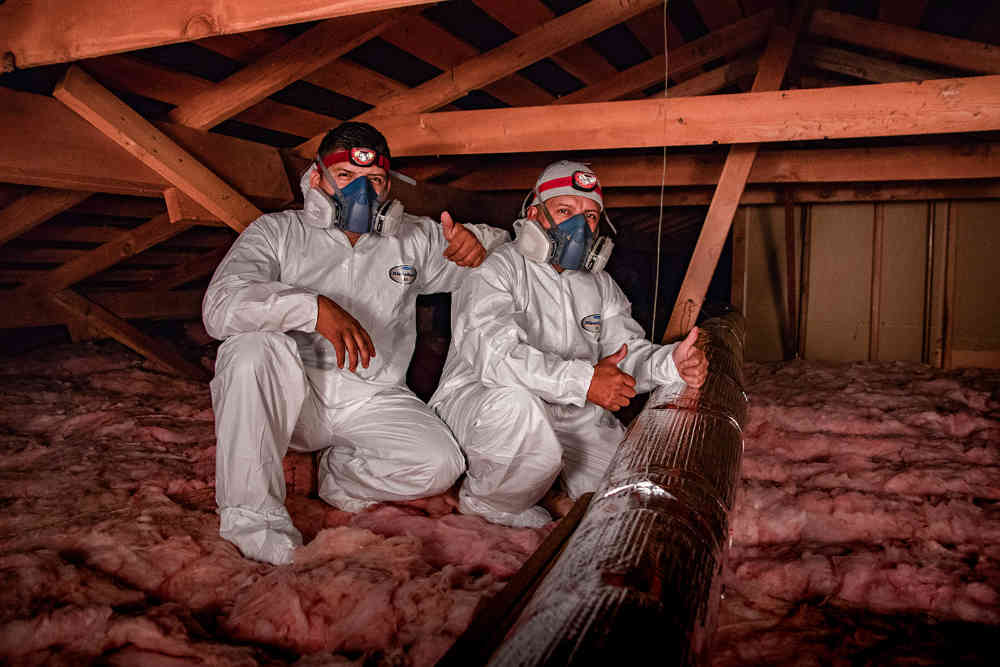
How much does it cost to insulate an attic in Los Angeles? The honest answer: $2,500–$9,000 depending on scope, materials, and whether you’re topping off clean insulation or removing contaminated material. How much does it cost to get an attic insulated professionally varies dramatically based on your specific attic conditions and performance goals.
Los Angeles homeowners planning attic insulation upgrades face confusing quotes with wildly different prices and scope. A simple blown-in top-off for a 1,000 sq. ft. clean attic costs far less than full removal, sanitization, comprehensive air sealing, and R-38 installation for a 2,000 sq. ft. attic with rodent damage. The difference? Scope, not just square footage. Understanding attic insulation price per square foot alone won’t give you an accurate budget—you need to know what’s included in that number.
Atticare delivers upfront, line-item pricing for Los Angeles County—free consultations with photo documentation, written estimates showing material specs, air-sealing hours, baffle counts, warranties, and timelines. Need financing or bundle discounts when pairing insulation installation with attic cleaning or rodent proofing? Atticare makes it transparent and affordable.
This guide breaks down attic insulation cost Los Angeles pricing by project type, square footage, and material, explains cost drivers, shows what should be in every estimate, and helps you compare quotes apples-to-apples.
Key Takeaways: What Sets Attic Insulation Costs
Before diving into specifics of how much does it cost to insulate an attic in Los Angeles, understand these cost realities:
Scope sets the price. Removal/sanitization, air sealing, baffles, and access drive costs more than square footage alone.
Always demand line items. Your estimate should spell out: material type, target R-value, air-sealing, Square foot coverage, disposal, cleanup, warranty, and schedule.
Air sealing + correct R-value beats “more insulation” alone. Proper air sealing adds $750–$2,000 but delivers 30–50% better performance.
Save with bundles. Pair insulation with cleaning or rodent proofing for 10–20% discounts.
Free Atticare estimate = upfront pricing, rebate & tax credit help, before & after photos. Get a written estimates within 24–48 hours—no surprises.
Attic Insulation Cost Los Angeles: Snapshot by Project Type
| Project Type | Typical Scope | Biggest Price Drivers | Est. Cost Range |
| Top-Off (Keep Existing) | Air sealing + blown-in to R-38+ | Air-sealing hours, R-value target, access | $2,500–$4,500 |
| Partial Removal + Reinstall | Remove problem zones + sanitize + new insulation | Removal time, contamination extent | $3,500–$6,500 |
| Full Remediation | Complete removal + sanitize + air seal + baffles + R-38–R-49 | End-to-end labor, debris volume, ventilation work | $4,500–$9,000+ |
Is It Better to Remove Old Attic Insulation Before Adding New?
Remove if: Rodent droppings, musty odors, water stains, crushed batts, or wiring access needed.
Top off if: Existing insulation is dry, clean, intact, and air sealing is feasible.
Pro tip: Request both options in your Atticare estimate—photos justify which approach delivers best ROI.
Is Adding Insulation Worth It?
Yes. Los Angeles homeowners typically see 15–25% lower cooling costs, 10–15% lower heating costs, payback in 12–24 months, steady room temperatures, less HVAC wear, and higher resale value.
What Happens If You Don’t Insulate Your Attic?
Without insulation: 30–40% energy wasted, extreme upstairs temps, AC running constantly, $300–$500+ monthly bills, and premature HVAC failure.
How Much Does It Cost to Insulate an Attic by Square Footage?
~1,000 Sq. Ft. Attic: $2,500–$4,500
Typical project: Clean attic needing R-38 top-off with sanitation and air sealing. This represents how much does it typically cost to insulate an attic on the smaller end of the spectrum for LA County homes.
What to ask in your quote:
- Bag/coverage count for target R-value
- Air-sealing – specific locations (recessed lights, ducts, top plates, wiring penetrations)
- HEPA containment and floor protection
- Warranty terms and photo documentation
Don’t compare quotes without these line items. A “$2,000” quote skipping air sealing costs you more in wasted energy over 2–3 years than a $3,500 comprehensive quote.
How many bags for 1,000 square feet?
Blown-in fiberglass (R-38): ~20–24 bags | Cellulose: ~18–22 bags
~1,500 Sq. Ft. Attic: $3,500–$6,500
Ask for two quotes: top-off only vs. partial/full removal + reinstall. Photos should justify removal recommendations.
~2,000 Sq. Ft. Attic: $4,500–$9,000+
Ask about: Access constraints, crew size, ventilation upgrades, phasing options.
Per square foot: $2.50–$4.50/sq. ft. depending on scope—but per-square-foot pricing hides critical details. Demand line-item breakdowns.
Attic Insulation Cost by Material
How much does it cost to insulate an attic varies significantly by material choice. Here’s your buyer comparison:
| Material | Where It Shines | Pros | Cons/Risks | Budget Notes |
| Blown-in Cellulose | Irregular spaces, soundproofing | Fills gaps, eco-friendly, sound dampening | Heavier, settles over time | $1.50–$3.0/sq. ft. installed |
| Blown-in Fiberglass | Clean attics, fast coverage | Lightweight, quick, fire-resistant | Can drift without air sealing | $1.50–$3.25/sq. ft.; most popular LA choice |
| Fiberglass Batts | Wide-open joists | Easy to inspect, predictable R-value | Gaps around irregular framing | $1.75–$3.50/sq. ft. installed |
| Spray Foam | Rim joists, targeted spots | Air seal + insulation at once | 2–3× more expensive, complex codes | $6.50–$8.5/sq. ft.; use surgically |
Which Is Better: Blown-In or Rolled Batts?
Blown-in (cellulose or fiberglass) wins for most LA attics—fills irregular spaces, no gaps, faster install. Batts work for wide-open joists with minimal obstructions. Check our blown-in insulation material guide for details.
How Much Does It Cost to Spray Foam Insulate an Attic?
$12,000–$18,000 for closed-cell foam on a 2,000 sq. ft. attic—that’s 2–3× more than blown-in alternatives. How much does it cost to foam insulate an attic breaks down to roughly $4.00–$9.00 per square foot depending on foam type (open-cell vs. closed-cell), thickness applied, and whether you’re creating a sealed attic assembly (which requires HVAC modifications).
For comparison, the same 2,000 sq. ft. attic costs $3,000–$6,000 for blown-in fiberglass or cellulose to R-38—delivering similar thermal performance without the complexity, expense, or potential code violations that come with spray foam in vented attics.
Is Spray Foam Better Than Blown-In Insulation?
Not for most LA attics. Spray foam costs 2–3× more with minimal added benefit in LA’s dry climate. For 95% of Los Angeles homes, blown-in costs 60–70% less and meets code requirements.
What Are the Downsides of Spray Foam?
High cost, trapped moisture if installed wrong, difficult removal, code violations in vented attics, and resale complications. Many LA homeowners pay $3,000–$8,000 for spray foam removal later. Stick with blown-in for traditional vented attics.
What’s in Your Attic Insulation Cost: Line-Item Checklist
Understanding how much does it cost to insulate an attic means knowing what’s included. Demand every line item in your quote:
- Removal & Haul-Away: $1.50–$3.00/sq. ft. (if rodent contamination, water damage, or wiring access needed)
- Sanitize & Disinfect: $0.50–$1.50/sq. ft. (for rodent activity or water damage)
- Air Sealing: $0.75–$2.00/sq. ft. or $500–$2,000 fixed—seals recessed lights, wiring penetrations, ducts, top plates, attic hatch. Most contractors skip this—you lose 30–50% savings.
- New Insulation: $1.50–$2.50/sq. ft. (clean attics) to $2.50–$4.50/sq. ft. (comprehensive projects). Quote must specify material, target R-value, bag counts, installed depth.
- Protection & Cleanup: Floor runners, hatch containment, HEPA vacuums—usually included or $200–$500 separate.
- Photos & Warranty: Before/after documentation, written report, warranty on workmanship (1–2 years) and materials.
- Schedule: Duration, crew size, start/finish times, access requirements.
Should an Unheated Attic Be Insulated?
Yes. Even in mild LA, summer attic temps hit 130–150°F. Insulating the attic floor creates thermal boundary, reducing cooling costs 15–25%. California Title 24 requires R-30 to R-38 minimum.
Where Should You Not Put Insulation?
Avoid: directly over non-IC-rated recessed lights, blocking soffit vents (use baffles), covering electrical boxes, around furnace flues (maintain clearances).
How Many Inches of Insulation Should Be in an Attic?
R-30: ~10–11 inches (cellulose) or 9–10 inches (fiberglass)
R-38: ~13–14 inches (cellulose) or 12–13 inches (fiberglass)
R-49: ~16–17 inches (cellulose) or 15–16 inches (fiberglass)
See our R-value factors guide for details.
Which Insulation Is Best for Attics?
For most LA attics: Blown-in fiberglass (best value, fire-resistant). Coastal LA (Zone 6): R-30 minimum. Inland LA (Zone 9—Valley, Pomona): R-38 minimum.
Get your Atticare line-item estimate with air sealing and baffles included.
When Is Removal Required vs. Top-Off?
A major factor in how much does it cost to insulate an attic is whether you need removal or can simply top off existing insulation.
Remove If:
Rodent contamination (droppings, urine, nests, strong ammonia smell)
Water damage (stains, mold, soggy insulation from roof leaks)
Crushed batts (lost 50%+ R-value, severely compressed material)
Safety concerns (wiring hazards, asbestos in pre-1980 homes, damaged vapor barriers)
Renovation needs (running new wiring, adding HVAC ducts)
Removal costs: $2.00–$3.20/sq. ft. including labor, disposal, and HEPA containment. For 1,500 sq. ft., expect $3,000–$4,800 for complete removal. This is when you need to know how much does it cost to re-insulate an attic fully.
Top Off If:
Clean and dry (no contamination, moisture, or pest signs)
Structurally intact (hasn’t compressed significantly)
Adequate base (R-15 to R-25 can support top-off to R-38+)
Air sealing feasible (can seal gaps without disturbing old insulation)
Top-off costs: $2–$3/sq. ft.
How Often Should Attic Insulation Be Replaced?
20–30 years for properly maintained insulation. Replace sooner if rodent activity, roof leaks, or severe compression. LA’s dry climate extends life, but extreme summer heat gradually degrades materials.
How Do You Know If Your Attic Is Poorly Insulated?
Watch for: uneven room temps (upstairs 10°F+ warmer), AC runs constantly, high bills ($250–$500+ monthly), dusty vents, visible thin spots (less than 6″ depth).
Timing, Tax Credits, and California Rebates
What Is the Best Time of Year to Insulate?
Any time—LA’s climate allows year-round installation. Fall/spring are most popular (2–3 week scheduling). Winter has faster availability. Summer requires early-morning work but some offer off-peak pricing. Don’t wait—12–24 month payback makes any season worthwhile.
How Long Does Attic Insulation Take?
- 1,000 sq. ft. clean top-off: 4–6 hours
- 1,500 sq. ft. mixed project: 6–10 hours
- 2,000 sq. ft. full remediation: 12–16 hours
Do Attic Insulation Projects Qualify for Tax Credits?
Yes. There is $1,200/year for R-38+ insulation in existing homes. California utility rebates (LADWP, SoCalGas, SoCal Edison) offer up to 0.75 cents per sq ft depending on the program.
Atticare confirms current eligibility during consultation and prepares all paperwork.
How Much Energy Can I Save?
LA homeowners save 15–25% on cooling, 10–15% on heating—$600–$1,800 annually for 1,500–2,000 sq. ft. homes. Payback: 12–24 months.
Ask Atticare to check LA-area rebates and include them in your quote.
DIY vs. Professional Installation
Many homeowners wonder how much does it cost to insulate an attic if they do it themselves versus hiring professionals.
Can I Insulate My Attic Myself?
Possible but risky. DIY saves $500–$1,000 on labor but risks missed air sealing (lose 30–50% savings), improper baffles (moisture damage), safety hazards (heat, falls, electrical), no warranty, and equipment rental ($200–$400).
DIY mistakes cost $1,000–$3,000 to fix plus $500–$1,500 annual energy waste. For dirty attics or removal projects, hire licensed professionals. See crawlspace insulation DIY mistakes for similar pitfalls.
Can a Handyman Add Attic Insulation?
California allows unlicensed work under $500 total. Most insulation exceeds this, requiring C-2 or B license. Unlicensed handymen lack insurance, code knowledge, and warranty protection—use licensed contractors.
How Much Does Home Depot or Lowe’s Charge?
$2.50–$3.5/sq. ft. for blown-in in clean attics. But many skip comprehensive air sealing or sanitization. Compare scope carefully—$500–$1,000 upfront savings may cost $1,500–$3,000 in lost efficiency over 3–5 years.
What Is the Cheapest Way to Insulate an Attic?
Short-term cheap ≠ long-term value. False economy: saving $1,000 upfront with cheap installation costs $500–$1,500 annually in wasted energy. Over 5 years, “cheap” becomes $2,500–$7,500 more expensive. Choose mid-range bid with best scope and warranty.
Book Atticare’s free consultation to benchmark quotes apples-to-apples.
Financing, Bundles, and Ways to Save
Financing Options
12–60 month terms with competitive rates (often 0% APR promotional). Quick approval, no prepayment penalties. Check current offers.
Example: $5,000 project at 5.9% APR over 36 months = ~$150/month. Energy savings of $75–$125/month offset 50–80% of payment.
Bundle Discounts
Insulation + Attic Cleaning: Save 10–15%
Insulation + Rodent Proofing: Seal entry points, save $200–$500
Insulation + Radiant Barrier: Ultimate summer comfort, 10–20% discount
Ways to Save
✅ Off-season scheduling (5–10% winter discounts)
✅ Referral credits ($50–$100)
✅ Scope clarity via photos (avoid unnecessary removal)
✅ Tax credits + rebates (recover 20–30% of costs)
Don’t cheap out on: Air sealing, baffles, or licensed contractors.
Price Planning: Your 5-Step Budget Framework
Ready to plan your budget? Here’s how to determine how much does it cost to insulate an attic for your specific project:
Step 1: Decide Scope
Free inspection with photos determines: top-off
Step 2: Choose Material
Most LA homes: blown-in fiberglass to R-38 Sound dampening near freeways: cellulose. Targeted problem spots: spray foam surgically.
Step 3: Demand Line-Item Estimate
Must include: material/R-value, air-sealing hours, baffle count, bag counts, removal/disposal, cleanup, warranty, schedule.
Step 4: Check Incentives
Federal IRA (30% back, max $1,200/year) + California utility rebates ($100–$500) + Atticare financing/bundles.
Step 5: Compare & Schedule
Get two line-item bids, compare scope (not just price), choose best value, schedule same-week with Atticare.
Frequently Asked Questions
How much does it cost to insulate 1,000 / 1,500 / 2,000 sq. ft. attic?
1,000 sq. ft.: $2,500–$4,500 | 1,500 sq. ft.: $3,500–$6,500 | 2,000 sq. ft.: $4,500–$9,000+
How much does it cost to get an attic insulated?
Depends on scope. Clean top-off: $1.50–$2.50/sq. ft. Full remediation: $2.50–$4.50/sq. ft.
How much does it cost to have an attic insulated?
See square footage ranges above. Always demand line-item estimates showing air sealing, baffles, material specs.
How much does it cost to re-insulate an attic?
Same as new installation if topping off. Add $1.50–$3.00/sq. ft. if removal required.
How much does it cost to spray insulate an attic?
See spray foam section above—$8,000–$18,000 for 2,000 sq. ft. closed-cell spray foam. That’s 2–3× more than blown-in alternatives which cost $3,000–$6,000 for the same space.
How much does it normally cost to insulate an attic?
Most LA homeowners invest $3,500–$6,500 for 1,500 sq. ft. with comprehensive scope.
How much does it typically cost to insulate an attic?
$2.50–$4.50/sq. ft. depending on removal needs, air sealing, and target R-value.
Which is better: blown-in or rolled batts?
Blown-in for most LA attics—fills gaps, faster install, better coverage.
Is spray foam better than blown-in?
Not for most LA attics. Spray foam costs 2–3× more with minimal added benefit.
Is it better to remove old insulation before adding new?
Remove if contaminated, damaged, or wet. Top off if clean, dry, and intact. Request both options with photos.
Do attic insulation projects qualify for tax credits?
Yes. Federal IRA: up to 30% (max $1,200/year). California utilities: $100–$500 rebates.
Can I insulate my attic myself?
Possible but risky. DIY saves $500–$1,000 but mistakes cost $1,000–$3,000 to fix plus ongoing energy waste.
Can a handyman add insulation?
Not recommended. Most projects require C-2 license. Unlicensed work lacks insurance, code knowledge, warranty.
How many inches of insulation in attic?
R-38 (LA standard): 12–14 inches blown-in. R-30 (coastal): 10–11 inches. R-49 (high-performance): 15–17 inches.
Should an unheated attic be insulated?
Yes. LA summer attics hit 130–150°F. Insulation reduces cooling costs 15–25%.
Where should you not put insulation?
Avoid: over non-IC-rated lights, blocking soffit vents, covering electrical boxes, around furnace flues.
What is the best time of year to insulate?
Any time. Fall/spring most popular. Winter has faster scheduling. Don’t wait—12–24 month payback makes any season worthwhile.
How much does Home Depot charge to install attic insulation?
$1.50–$3.00/sq. ft. but often skips comprehensive air sealing. Compare scope carefully.
Is adding insulation worth it?
Yes. 15–25% lower bills, 12–24 month payback, steady temps, less HVAC wear, higher resale value.
How much should it cost to remove and replace attic insulation?
Removal: $1.50–$3.00/sq. ft. Reinstall: $1.50–$2.50/sq. ft. Total: $3,000–$11,000 for full remediation.
Schedule Your Free Atticare Estimate
Still wondering how much does it cost to insulate an attic in Los Angeles? Los Angeles homeowners deserve transparent pricing and quality work. Atticare delivers upfront, line-item estimates within 24–48 hours—no surprises.
Why Atticare:
- Free consultations with photo documentation
2. Line-item estimates (air sealing + baffles included)
3. Licensed, insured crews (C-2, $1M+ liability)
4. Before/after photo proof
5. Written warranties (1–2 years)
6. Rebate/tax credit support
7. Financing options (12–60 months)
8. Bundle discounts (10–20% off)
9. Same-week scheduling
Other Services
- Attic cleaning & sanitization
- Rodent proofing & control
- Air sealing
- Radiant barrier
- Ventilation upgrades
Next Steps
- Schedule free Atticare consultation
- Get line-item estimate within 24–48 hours
- Review financing and bundles
- Compare against one competitor
- Schedule installation—same-week slots available
- Receive photo proof and warranty
- File rebate/tax credit paperwork
- Enjoy 15–25% lower bills within weeks
Get your free Atticare line-item estimate today—transparent pricing, honest recommendations.
Atticare: Serving Los Angeles County with trusted attic insulation installation, removal, air sealing, and ventilation. Licensed (C-2), insured, and committed to your comfort and savings.

Top Attic Insulation Services in Los Angeles: Expert Installation for Lower Bills & Better Comfort
Your upstairs feels like a sauna in summer. Your AC runs nonstop but can’t keep up. Your energy bills keep climbing. Sound familiar? Your Los Angeles attic insulation is probably failing.
Who to call for attic insulation? Atticare serves Greater Los Angeles homeowners with licensed, insured attic insulation installation-free consultations, clear line-item estimates, clean installations with photo proof, and written warranties. Need a simple batts top-off or complete insulation replacement with air sealing? Atticare’s trained crews deliver same-week scheduling and careful, dust-contained service that protects your living spaces.
Los Angeles has a tricky climate-hot summers, mild winters, big temperature swings. Your attic insulation needs to reject heat in July and hold warmth on cool nights. When insulation settles, compresses, or gets contaminated, you’ll notice uneven room temperatures, sky-high utility bills, and dusty air from an overworked HVAC system.
Finding the best attic insulation company means looking past the lowest price. You need to verify air sealing practices, proper ventilation, material quality, crew training, and post-install documentation. The right attic insulation contractor delivers real energy savings, lasting comfort, and gives you the transparency you deserve.
You’ll learn when your Los Angeles attic needs work, how to compare materials and pricing, which California rebates and tax credits apply, and how to schedule a clean, fast installation. By the end, you’ll know how to pick a trusted attic insulation company that delivers real results and peace of mind.
Get your free Atticare consultation today and receive a same-day estimate for your Los Angeles home.
How to Tell Your Los Angeles Attic Needs Insulation Work
Before booking any attic insulation services in Los Angeles, watch for these warning signs: Temperature problems: Upstairs bedrooms stay 5–10°F warmer than downstairs, even with the AC cranking. South-facing rooms turn into ovens by midday. AC never stops: Your air conditioner cycles constantly during summer afternoons, fighting to hit your set temperature. Energy bills spike from June through September. Dust everywhere: Dust settles faster than you can wipe it. Family members deal with more allergies or breathing issues. Visible attic problems: Uneven coverage, compressed batts sagging between joists, gaps around recessed lights and ducts, rodent droppings, water stains, or musty smells. Old and settled: Original insulation from 15–20+ years ago has settled down, losing 30–40% of its R-value.What Is the Best Time of Year to Insulate Your Attic?
Fall (September–November) and spring (March–May) give you comfortable attic temperatures and easier scheduling. But Atticare schedules year-round with early-morning summer crews and heat-safety protocols. Bills high right now? Don’t wait-upgrades usually pay for themselves within 12–24 months.Can Attic Insulation Lower My Energy Bills?
Yes. Los Angeles homeowners regularly see 15–25% drops in cooling costs after proper attic insulation replacement, especially when paired with air sealing and good ventilation. Beyond energy savings, you get steady temperatures, less HVAC wear, cleaner indoor air, and higher resale value. California’s Title 24 energy code requires minimum R-values because attic insulation delivers real, lasting returns.How Often Should Attic Insulation Be Changed?
Good insulation lasts 20–30 years when it stays dry, undisturbed, and clean. But many Los Angeles attics need earlier insulation replacement because of rodent activity, moisture problems, settling, or renovations that mess up old insulation. Pro Tip: Snap 3–4 photos showing your attic hatch, insulation depth, ductwork, and eaves. Measure square footage (length × width). These details speed up your free Atticare consultation and help get you an accurate estimate same day.Level of Project: DIY vs. Professional Assessment
Not all Los Angeles attic insulation projects look the same. Use this table to figure out your project scope:| Condition | Signs | Action |
| Clean & Simple | Dry insulation, no droppings, easy access, just thin (4–6″) | Air-seal gaps + add batts to hit R-38 |
| Mixed | Uneven coverage, some rodent history, dusty or compressed batts | Remove problem areas + sanitize + air seal + new batts |
| Full Remediation | Wet or dirty insulation, bad smells, rodent feces, wiring worries, major damage | Full removal + sanitize + air seal + fix ventilation + new R-38+ |
Is It Better to Remove Old Attic Insulation Before Adding New?
Remove if: Rodents, mold, or water got to it (smells, stains, droppings), compressed too much to work, or you’ve got mixed materials creating problems. Add on top if: Current insulation is dry, clean, just not thick enough. Atticare’s free consultation figures out if removal is needed-honest advice, never pushing unnecessary Los Angeles insulation removal.What Is the Life Expectancy of Attic Insulation?
- Fiberglass batts: 20–30 years
- Blown-in fiberglass: 20–30 years (but settles 10-15%)
- Blown-in cellulose: 10–15 years (settles 10-15% and absorb water)
- Spray foam: 30+ years
The Most Effective Way to Insulate a Los Angeles Attic
Direct Answer: The best Los Angeles attic insulation projects combine thorough air sealing of all gaps (recessed lights, pipes, wiring, top plates) with properly vented, code-compliant insulation installed to R-38 or higher, checked with before/after photos and backed by a written warranty. Skip any attic insulation contractor bid that leaves out air sealing or proper ventilation.Why Air Sealing Comes First
Before adding insulation, air sealing stops your cooled air from leaking into the attic through gaps around recessed lights, plumbing vents, wiring holes, top plates, and attic hatches. Even small gaps let hundreds of cubic feet per minute escape, making your AC run longer. Professional attic insulation installers use fire-rated sealants and expanding foam to close these leaks-a step many “blow-and-go” contractors skip completely.Batts vs. Blown-In-Which Is Better?
Fiberglass batts insulation works best for most Los Angeles attics because:- Clean installation: Minimal dust and mess-critical for LA homes
- Easy attic access: Future service work (HVAC, electrical, pest control) remains simple
- Serviceable with rodents: Since 95% of LA homes experience rodent activity, batts allow contractors to re-enter the attic for pest control and repairs. Blown-in creates a dust cloud every time you disturb it.
- Predictable performance: Doesn’t settle or shift over time
- Better long-term value: Maintains full R-value for 20-30 years
- Very dusty and messy installation
- Cannot re-enter attic for service without creating dust clouds
- Settles 10-15% over time, losing R-value
- Problematic for 95% of LA homes needing rodent service
What R-Value Is Recommended in California?
California Title 24 (2022 standards) requires:- Climate Zone 6 (Coastal LA): Minimum R-30
- Climate Zone 9 (Inland LA-San Fernando Valley, Pomona): Minimum R-38
Should You Insulate the Underside of Your Roof?
Only if creating a sealed attic with HVAC ducts inside the insulated space. This takes closed-cell spray foam and careful code work. For 95% of Los Angeles homes, vented attics with floor insulation stay simpler, cheaper, and code-compliant.Attic Insulation Materials: Los Angeles Buyer’s Comparison
| Type | Best For | Pros | Cons | LA Notes | 2025 Pricing (R-38) |
| Fiberglass Batts | Most LA homes, especially with rodent history | Clean installation, easy access, serviceable, doesn’t settle | Requires careful fitting | Recommended for 99% of LA attics | Low: $3.91/sq ft Mid: $4.60/sq ft High: $5.06/sq ft |
| Blown-in Fiberglass | Homes without rodent concerns or future access needs | Fast coverage, fills irregular spaces | Very dusty, cannot re-enter for service, settles 10-15% | Problematic for 95% of customers | Low: $3.74/sq ft Mid: $4.40/sq ft High: $4.84/sq ft |
| Blown-in Cellulose | Soundproofing needs, no future access | Eco-friendly, good sound dampening | Very dusty, heavier, settles more | Only if no rodent service needed | Low: $3.66/sq ft Mid: $4.30/sq ft High: $4.73/sq ft |
| Spray Foam | Targeted spots only | Air seal + insulation at once | 2-3× more expensive, complex codes | Use surgically, not whole-attic | $6.50-$8.50/sq ft |
Which Materials Are Best for Attic Insulation?
Fiberglass batts hit the sweet spot for cost, performance, serviceability, and long-term value for most California homeowners. Batts work great for standard LA attics, especially homes with rodent activity (95% of LA homes). Blown-in materials create significant serviceability problems-you cannot re-enter the attic for HVAC maintenance or rodent control without creating massive dust clouds. Spray foam insulation Los Angeles contractors offer only makes sense for specific spots-avoid contractors who push whole-attic foam without explaining the code headaches and big costs.Is Spray Foam Insulation Better Than Fiberglass?
Not for most LA homes. Batts insulation costs 60-70% less than spray foam with comparable thermal performance for traditional vented attics. Spray foam costs 2–3× more, requires complex permitting, and can trap moisture if installed wrong. For traditional vented Los Angeles attics, batts insulation delivers excellent performance at lower cost with simpler installation and superior serviceability.Why Are Some People Removing Spray Foam?
Homeowners sometimes remove badly installed foam because of:- Overspray and bad smells from unlicensed installers
- Building code violations
- Moisture trapped inside
- Problems when selling
Attic Insulation Pricing in Los Angeles
Cost Drivers
2025 LA Pricing:- Removal/haul-away: $2.40/sq. ft.
- Sanitization: $0.50–$1.50/sq. ft.
- Air sealing: $0.75–$2.00/sq. ft. or $950 fixed
- R-38 batts (most popular): Low $3.91, Mid $4.60, High $5.06/sq. ft.
- Add-ons: Rodent proofing ($400–$1,500), radiant barrier ($2.20-$2.30/sq. ft.)
How Much Does Attic Insulation Cost in LA?
Typical ranges (includes air sealing): 1,000 sq. ft.: $2,500–$4,500- Clean attic, R-38 batts top-off
- Low-end: $3,910 (batts only)
- Mid-range: $4,600
- High-end: $5,060
- Mixed condition, some removal
- Low-end: $5,865 (batts)
- Mid-range: $6,900
- High-end: $7,590
- Complete redo: removal + sanitize + R-38 batts
- Low-end: $7,820 (batts)
- Mid-range: $9,200
- High-end: $10,120
How Much Does Home Depot Charge?
Home Depot contractors usually quote $2.50–$3.50 per sq. ft. for blown-in in clean attics. But compare carefully:- Do they include air sealing or just blow insulation?
- What about proper ventilation?
- Who handles removal and cleanup?
- What warranty?
Rebates, Tax Credits, and California Code
Does Attic Insulation Qualify for Tax Credits?
Yes. Under the federal Inflation Reduction Act (IRA), good insulation upgrades get you up to 30% back (max $1,200/year) as a tax credit. The rules: insulation must meet or beat 2021 IECC levels (R-38+ for most LA), installed in an existing home, with receipts and Manufacturer’s Certification Statement. Atticare gives you the paperwork to support your claim.What Is the Code for Attic Insulation in California?
California Title 24 (2022) requires:- R-30 minimum (Climate Zone 6, coastal LA)
- R-38 minimum (Climate Zone 9, inland LA-San Fernando Valley, Pasadena, Pomona)
- Ventilation: 1:150 ratio (1 sq. ft. vent per 150 sq. ft. attic floor). Learn about improved attic ventilation solutions.
Scheduling Your Install: Clean, Fast, Documented
Step 1: Free Consultation
Book online for a free attic check with photos. Get written line-item estimate same day showing materials, R-values, air sealing work, timeline, and warranty.What’s Included in a Professional Attic Inspection?
A thorough inspection from a professional attic insulation technician includes:- Current insulation depth and R-value measurement
- Rodent evidence check (droppings, nests, entry points)
- Moisture or water damage assessment
- Ventilation evaluation (soffit vents, ridge vents)
- Air leak identification (gaps around lights, pipes, ducts)
- Before photos documenting current condition
- Square footage calculation for accurate pricing
- Written scope with materials, R-values, and timeline
Step 2: Book Install Date
Review estimate; Atticare offers same-week or next-week scheduling for most projects. You’ll get a confirmed date and crew lead contact.Step 3: Day-of Installation
The crew arrives on time, wearing personal protective equipment (PPE) for safety and comfort. Protection setup: Floor runners, hatch containment (plastic + zipper), HEPA vacuums. Work flow:- Old insulation removal and debris haul-away (if needed)
- Rodent proofing and sealing entry points
- Air sealing
- Batts insulation installation to R-38+
- Depth markers
- Thorough cleanup
Step 4: Documentation & Warranty
Get before/after photos, manufacturer specs, installed R-value, and Atticare warranty covering work quality and material performance.Can I DIY? Is It Cheaper?
DIY possible for clean attics needing only top-offs, but think about:- Missing air sealing cuts effectiveness 30–50%
- Safety risks (heat, falls, electrical)
- No warranty
- Equipment rental ($200–$400)
Are Attic Insulation Companies in LA Licensed and Insured?
Always verify. Reputable attic insulation contractors Los Angeles homeowners trust should have:- Valid California contractor’s license (C-2 Insulation or B General Building)
- Current general liability insurance ($1M minimum)
- Workers’ compensation coverage
- Verifiable references and online reviews
- Written warranties on materials and workmanship
- Clear, line-item estimates (not vague “per square foot” quotes)
What Are the Best Attic Insulation Services in Los Angeles?
The best attic insulation company delivers:- Free, thorough inspections with photo documentation
- Transparent line-item estimates showing air sealing, materials, timeline
- Licensed, insured, trained crews with verifiable credentials
- Clean installation practices-floor protection, HEPA containment, careful cleanup
- Before/after photo proof documenting coverage, depth, R-value
- Written warranties on workmanship and materials
- Fast scheduling-same-week or next-week installation slots
- Code compliance and permitting handled professionally
- Rebate/tax credit support with proper documentation
Recommended Steps: Book the Best Attic Insulation Service in Los Angeles
- Book Atticare’s free consultation with photos; get line-item estimate same day
- Review Atticare’s estimate and check that it includes insulation removal if needed, air sealing, all done by a licensed and insured crew
- Pick batts insulation using materials comparison table-optimal for most LA attics
- Schedule install; Atticare uses floor runners, hatch containment, HEPA cleanup to protect your home
- Check photos, R-value, warranty-watch for 15–25% lower cooling costs within 1–2 billing cycles
Frequently Asked Questions
How much to insulate 1,000 / 1,500 / 2,000 sq. ft. attic?
1,000 sq ft: $2,500–$4,500 1,500 sq ft: $3,500–$6,500 2,000 sq ft: $4,500–$9,000 (Depends on condition, removal needs, target R-value)How much to spray foam a 2,000 sq. ft. attic?
$13,000–$17,000 for closed-cell roof deck work. Batts insulation costs 60–70% less and meets code for most LA homes with superior serviceability.Is it better to remove old insulation before adding new?
Remove if: Rodents, mold, or water got to it. Add on top if: Dry, clean, and just not thick enough. Atticare checks during free consultation for attic cleanup and insulation needs.Does attic insulation qualify for tax credits?
Yes. Under the federal Inflation Reduction Act, eligible attic insulation in existing homes can qualify for a tax credit of up to 30% of project costs, capped at $1,200 per year. Atticare provides the documentation your tax professional may need.Batts or blown-in-what’s better?
Batts for most LA attics-clean installation, easy access, serviceable with rodents (95% of LA homes). Blown-in creates dust clouds and serviceability problems.What R-value is recommended? R-38 vs. R-30?
R-38 minimum for inland LA (Zone 9); R-30 for coastal (Zone 6). High-performance homes go for R-49. Check California Title 24 standards.What is the California code?
Title 24: R-30 (coastal) or R-38 (inland) + 1:150 ventilation ratio. Permits usually needed; Atticare handles it.Best time of year to insulate?
Fall/spring works great, but don’t wait if bills are high now-upgrades pay for themselves in 12–24 months. Atticare schedules year-round.Can I DIY? Is it cheaper?
Possible for clean attics but risks include missed air sealing (loses 30–50% effectiveness), safety problems, no warranty. DIY saves $500–$1,000 but mistakes cost way more to fix.How much does Home Depot charge?
$2.50–$3.50/sq. ft., but compare carefully-many skip air sealing. Atticare includes air sealing in line-item estimates.Should you insulate the roof underside?
Only for sealed attics with spray foam-complicated and costly. 95% of LA homes use traditional vented attics with floor insulation.Why remove spray foam?
Bad installation (overspray, bad smells), code violations, moisture trapped inside, selling problems. Batts insulation avoids these risks for vented attics.Adding insulation worth it?
Yes-15–25% cooling cost drops, steady temperatures, less HVAC wear, higher resale value.How often should you replace insulation?
20–30 years usually; sooner if dirty, wet, or squashed. Check our insulation removal guide.What about attic repair and insulation together?
Many homes need both. If you’ve got damaged decking, compromised framing, or structural issues, address those first. Professional attic insulation services can coordinate attic repair and insulation work or recommend trusted structural contractors before installing new insulation.Do I need attic cleaning before new insulation?
If you’ve got rodent droppings, old dirty insulation, or contamination, yes. Attic cleaning Los Angeles professionals sanitize and remove debris before installing fresh insulation. This prevents health risks and ensures maximum insulation performance.What is attic remediation?
Attic remediation means complete restoration: removing contaminated insulation, sanitizing surfaces, sealing rodent entry points, repairing damage, and installing fresh insulation with proper ventilation. It’s needed when attics have serious rodent infestation, water damage, mold, or hazardous conditions.Schedule Your Los Angeles Attic Insulation This Week
Greater Los Angeles homeowners deserve steady comfort, lower bills, and peace of mind. Atticare’s licensed, insured crews deliver quality home insulation Los Angeles families trust with fast scheduling, clean-home protections, and photo-documented results backed by written warranties. Need batts top-off to R-38, some removal in dirty zones, or complete insulation replacement with air sealing? Atticare’s free consultation gives you honest assessments, clear line-item estimates, and same-week installation options across Greater Los Angeles.What Makes Atticare Different
- Free consultations with photo documentation
- Line-item estimates (air sealing clearly listed)
- Trained, careful crews with floor runners + HEPA cleanup
- Before/after photo proof showing coverage/R-value
- Written warranties on work quality and materials
- Rebate/tax credit paperwork support
- Same-week scheduling-most projects book within 5–7 days
Other Services You Might Need
- Crawl space insulation
- Rodent proofing
- Radiant barrier
- Attic cleaning in Los Angeles
- Los Angeles insulation removal
What to Do Next
- Book your free Atticare consultation
- Get line-item estimate same day
- Schedule install-same-week slots often open
- Watch your bills drop, temperatures steady out, air get cleaner within weeks
Atticare: Serving Greater Los Angeles and Orange Counties with trusted attic insulation installation, removal, air sealing, and ventilation. Licensed, insured, and committed to your comfort and savings.
Pros and Cons: A Guide To Choosing Attic Insulation Replacement
Attic insulation is something that is a necessity for the welfare of your home. It is your home’s sweater in the…

Home Improvement Projects That Improve Energy Efficiency
What’s the benefit of energy efficient upgrades to your home? Is it really worth it? And why energy efficient appliances?…

5 Proven Steps to Get Rid of Mice in your Attic
Quick Navigation How to tell if you have a mice issue? Why pest control is only a temporary solution?…


