Attic cleanup after rodents Long Beach homeowners face is not just about removing droppings or replacing insulation — it’s about restoring the entire attic system in the right order. If you’ve found rodent evidence in your attic, you already know this isn’t a simple pest issue. It’s a contamination problem. The droppings, urine, and nesting material don’t disappear when the rodents leave. They stay trapped in your insulation, affecting odors, air quality, and the condition of the attic itself.
The right fix follows a specific sequence: inspect, clean, sanitize, seal entry points, rodent-proof, and only then install new insulation. Skip a step or do them out of order, and you risk trapping contamination underneath fresh material — or inviting rodents right back in.
At a glance
- Start with inspection — you can’t know what to clean until you know what’s there and how rodents got in.
- Remove contaminated insulation — droppings, urine, and nesting debris are trapped in the material and must come out before cleaning.
- Clean, then sanitize — both steps are mandatory to address surface contamination and odors before any sealing work begins.
- Seal gaps, then rodent-proof entry points — exclusion stops the next generation of rodents from following the same paths back in.
- Install new insulation last — never cover contamination or open entry points with fresh material.
Why Attic Cleanup After Rodents Is More Than a Pest Problem
Short answer: Rodent activity creates contamination that lives in your insulation long after the animals are gone. The visible droppings are often just a fraction of what’s hidden underneath.
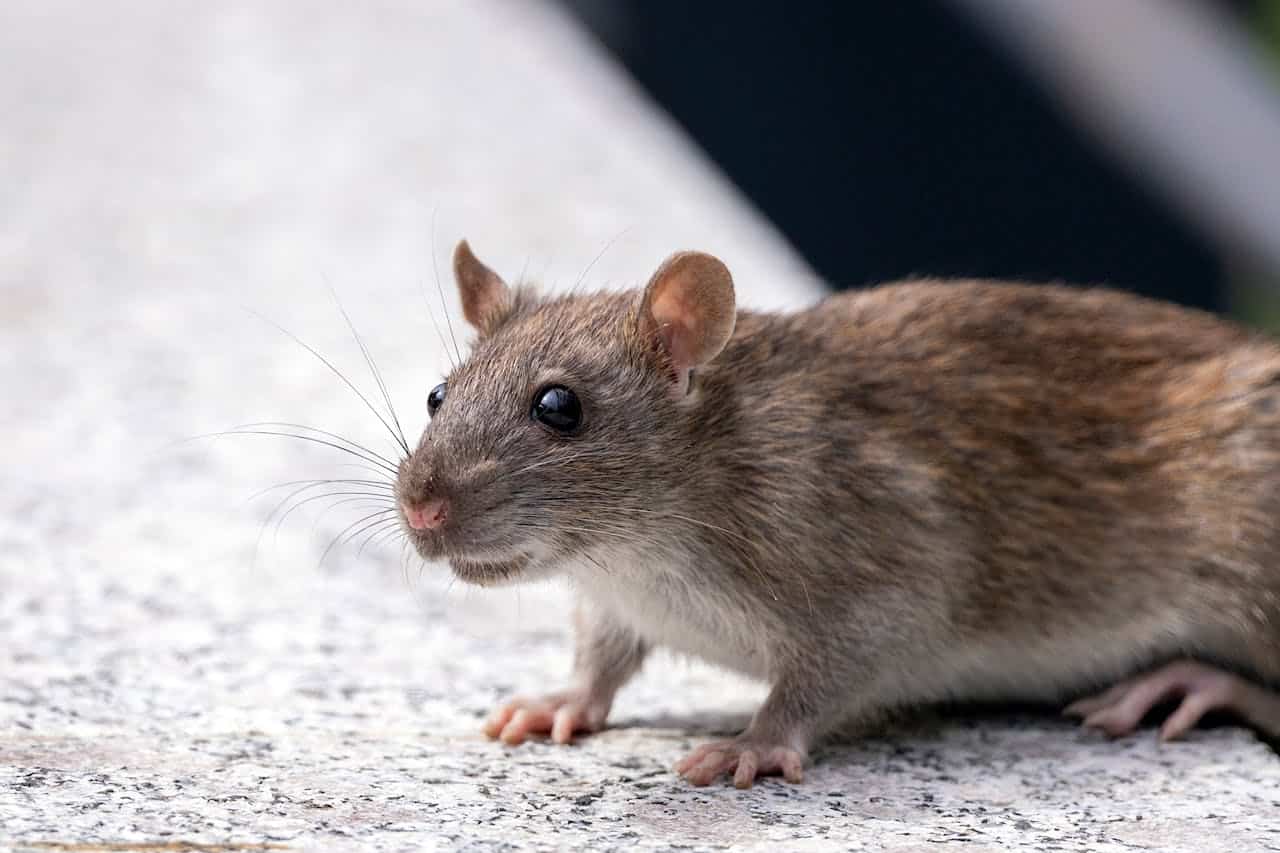
The mistake many Long Beach homeowners make is treating this as a pest-control-only problem. Trapping or baiting addresses the animals, but it does nothing about what they left behind. And if entry points aren’t sealed, new rodents will follow the same scent trails back in.
That’s why this work is a contamination and restoration issue — not just a pest issue.
What Rodents Leave Behind in Your Attic
Rodent contamination typically includes:
- Droppings scattered across insulation and attic surfaces
- Urine saturation absorbed into fiberglass or cellulose insulation
- Nesting material made from shredded insulation, paper, fabric, and debris
- Gnaw damage to wood, wiring, and ductwork
- Carcasses from rodents that died in the attic
This contamination isn’t always visible from the attic opening. Much of it is hidden under or within the insulation itself — which is why removal and inspection of the attic floor is often necessary before any restoration work begins.
Why Long Beach Attics Face Year-Round Rodent Pressure
Long Beach’s climate is hot. Summer attic temperatures regularly reach 140–160°F. But the warm winters mean rodents don’t experience a seasonal die-off the way they might in colder climates. They stay active year-round, seeking shelter, food, and nesting opportunities in your attic.
Older neighborhoods — from Belmont Shore to Bixby Knolls to Signal Hill to the areas near the port — often have housing stock with common entry-point vulnerabilities. Gaps at rooflines where stucco meets the eaves. Unsealed gable vents. Utility penetrations for HVAC lines and plumbing. These are the paths rodents use to get in.
Without exclusion work to seal those paths, your home remains vulnerable regardless of how many times the attic is cleaned.
The 5-Step Attic Restoration Process After Rodents
Short answer: The correct sequence is inspect, remove contaminated insulation, clean, sanitize, seal gaps, rodent-proof entry points, and then install new insulation. New insulation is always the last step — not the first shortcut.
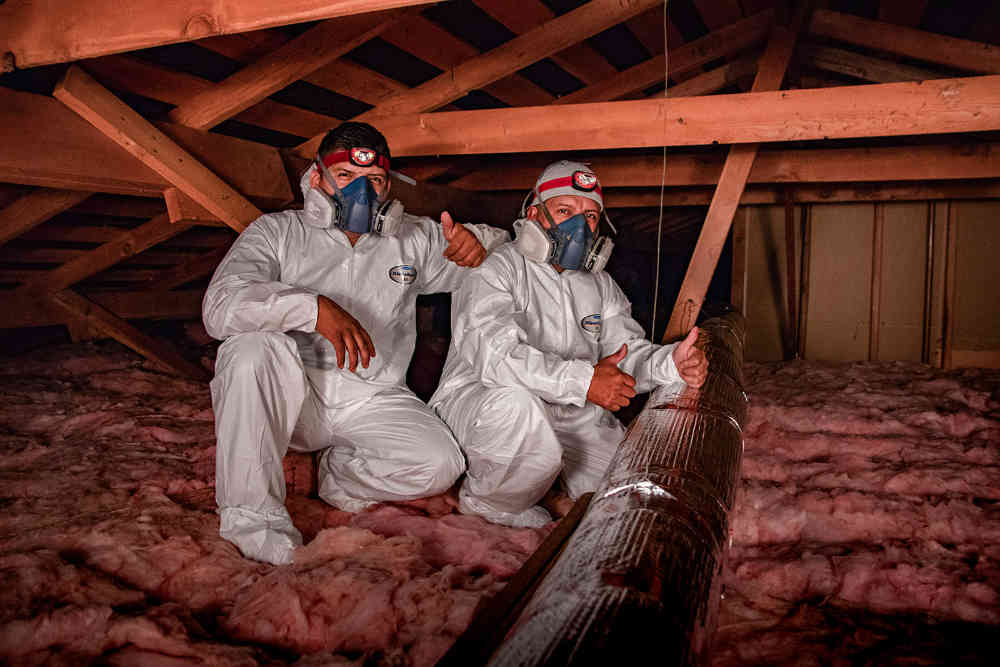
Atticare USA follows a 5-step solution designed to address the full scope of the problem, not just the visible symptoms.
Step 1 — Inspect the Attic
Every attic restoration starts with a thorough inspection. The goal is to understand the full extent of contamination, identify how rodents are entering, and assess the condition of insulation, ducts, and the attic structure.
A professional inspection reveals what’s hidden under the insulation: the attic floor, penetrations, gaps, and damage that can’t be seen from the access hatch. This determines whether partial or full insulation removal is needed and where entry points must be sealed.
Step 2 — Remove Contaminated Insulation
When insulation is visibly soiled, odor is present, or the material is too damaged to allow proper inspection and cleaning, removal is the necessary next step.
Removing the old insulation exposes the attic floor so the crew can see and address what’s underneath. This step also eliminates the bulk of trapped contamination — the droppings, urine, and nesting debris that would otherwise remain hidden.
Not every situation requires full removal. Sometimes contamination is localized. But the inspection determines the scope, and removal happens before cleaning — not after.
Step 3 — Clean and Sanitize
Once the insulation is out, the attic surfaces are cleaned: vacuuming remaining debris and removing droppings from framing and sheathing. Then the space is sanitized. Deodorization addresses lingering odors.
Both cleaning and sanitization are mandatory. Skipping either means installing new insulation over surfaces that still harbor contamination. According to the CDC’s guidance on cleaning up after rodents, rodent droppings and urine should be handled carefully using appropriate protective equipment and cleaning methods to minimize exposure risk.¹
Step 4 — Seal Gaps and Rodent-Proof Entry Points
With the attic clean and sanitized, the next step is sealing. This means closing gaps, cracks, and penetrations throughout the attic — then rodent-proofing the specific entry points that allowed rodents access in the first place.
Common entry points in Long Beach homes include roofline gaps, unsealed gable vents, utility penetrations for HVAC lines and plumbing, and construction joints in older homes. Sealing these with appropriate materials stops the next generation of rodents from following the same paths.
Atticare USA specializes in exclusion and restoration — not trapping or extermination. If live rodents are still present, they should be removed by a licensed pest control provider before restoration begins. In the Los Angeles area, Atticare USA’s sister company PestCare handles live-animal removal when needed.
Atticare USA offers a 1-year warranty on rodent proofing — a one-time solution, not another service contract.
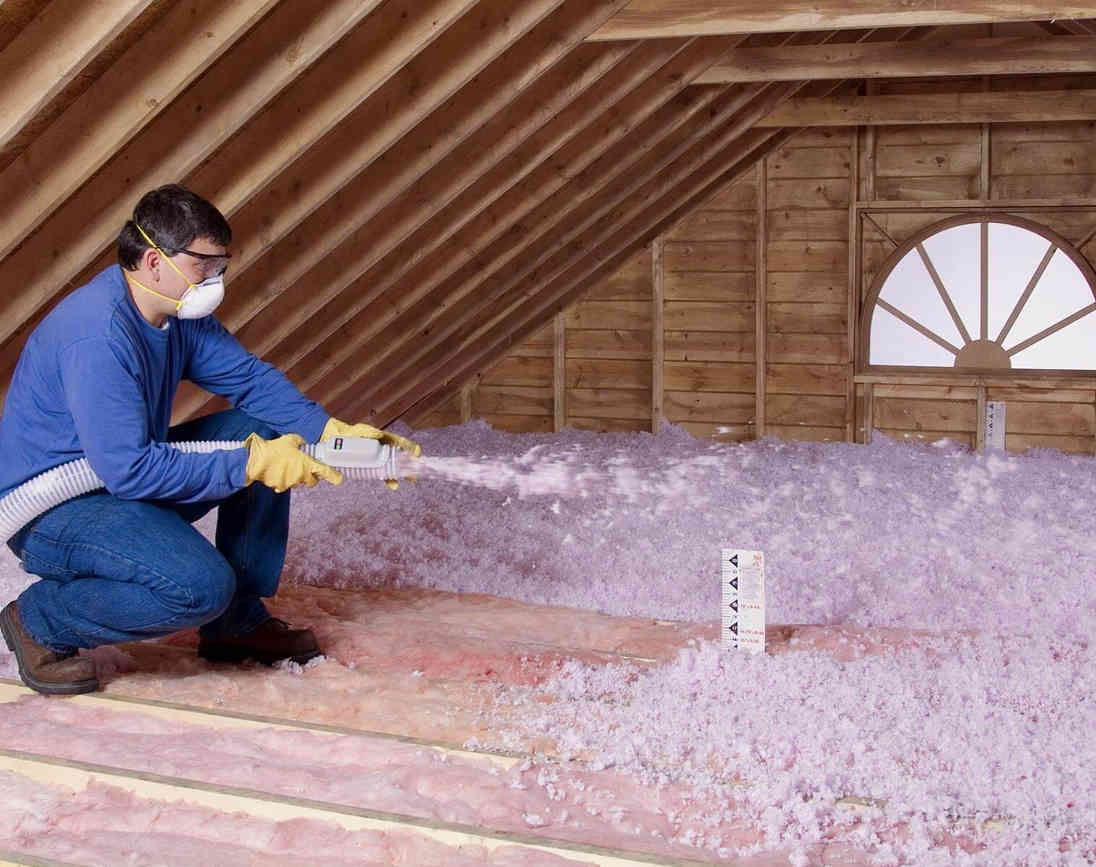
Step 5 — Install New Insulation
Only after the attic is inspected, cleaned, sanitized, sealed, and rodent-proofed does new insulation go in. This is the final layer of a properly restored attic system.
At this stage, air sealing may also be recommended — sealing gaps and penetrations in the attic floor to reduce uncontrolled air movement between the living space and the attic. According to ENERGY STAR’s attic air sealing guidance, air sealing before insulation improves both comfort and energy performance.²
New insulation installed over a clean, sealed attic will perform the way it’s supposed to. Insulation installed over contamination and open entry points will not.
When Do You Need Professional Attic Cleanup After Rodents Long Beach Homeowners Should Know
Short answer: If you’re seeing droppings throughout the attic, smelling odors, finding damaged ducts, or noticing the problem keeps coming back, professional restoration is likely needed.
Signs You Need Professional Help
- Visible droppings scattered across insulation — not just a few pellets, but evidence of sustained activity
- Urine stains or ammonia-like odor when you open the attic hatch
- Nesting material mixed into or on top of insulation
- Damaged ducts — rodents gnaw through flex duct easily, and duct repair may be necessary
- Repeated rodent sightings despite prior trapping or baiting
- Prior DIY cleanup that didn’t resolve odors or stop new activity
When You Might Not Need Full Restoration
Minor, isolated evidence with no odor, no insulation damage, and no visible entry points may not require full restoration. But the only way to know is to inspect. What looks minor from the attic hatch often reveals more once insulation is moved or removed.
How Much Does Attic Rodent Cleanup Cost Long Beach Homeowners Can Expect
Short answer: Costs vary based on attic size, contamination severity, and scope of work. Typical ranges: attic cleaning $1,500–$4,500; rodent contamination adds $500–$2,000+; insulation removal $1,500–$6,000; new insulation roughly $2.50–$4.50 per square foot.
These are approximate ranges for the Los Angeles area, not guarantees. The actual cost depends on your attic’s square footage, the severity of contamination, the type of insulation being removed and installed, and the number of entry points requiring sealing.
Rebates and Financing Options
LADWP offers rebates up to approximately $1,000 for qualifying insulation upgrades — a meaningful offset on restoration costs. Financing options are also available through Atticare USA for homeowners who prefer to spread the investment over time.
Why the Order Matters: Don’t Cover the Problem with New Insulation
Short answer: Installing new insulation before cleaning, sanitizing, sealing, and rodent-proofing traps contamination underneath and leaves entry points open for rodents to return.
This is the most common mistake homeowners make — and the most common shortcut some contractors take. Blowing new insulation over a contaminated attic feels like a solution. It’s not. It’s a cover-up.
The odors remain. The droppings remain. The entry points remain. And when rodents return (they will, if entry points aren’t sealed), the cycle starts over — now with fresh insulation hiding an even bigger problem.
The right sequence protects your investment: inspect, clean, sanitize, seal, rodent-proof, then insulate.
What to Expect When You Work with Atticare USA in Long Beach
Short answer: Free inspection, written proposal outlining the recommended scope of work and pricing, professional restoration following the 5-step process, and a 1-year warranty on rodent proofing.
Free Inspection and Written Proposal
Atticare USA provides free inspections for Long Beach homeowners. The technician assesses contamination, entry points, insulation condition, and duct integrity — then explains the findings clearly.
You’ll receive a written proposal outlining the recommended scope of work and pricing. Before-and-after photos are available upon request.
Trust Signals That Matter
- Diamond Certified — rated among the highest in customer satisfaction
- 1,400+ reviews from homeowners across the service area
- In business since 2012 — more than a decade of attic and crawl space restoration
- CA License #1051462 — licensed, insured, and bonded
- 1-year warranty on rodent proofing — a one-time fix, not a recurring contract
- BPI-certified — trained in building performance and energy efficiency
Frequently Asked Questions: Attic Cleanup After Rodents in Long Beach
Is rodent-contaminated insulation dangerous?
Rodent droppings, urine, and nesting materials can harbor bacteria and, in rare cases, viruses like hantavirus. The CDC recommends careful cleanup procedures to minimize exposure risk, particularly when disturbing accumulated rodent waste.³ Professional removal reduces that risk for homeowners.
Do I need to remove all the insulation after a rodent infestation?
Not always. Removal is typically recommended when contamination is widespread, odor is present, or the insulation is too damaged to inspect or clean beneath. A professional inspection determines the scope.
Will rodents come back after attic restoration?
Rodent proofing seals entry points to prevent re-entry. Atticare USA’s 1-year warranty covers the exclusion work, a one-time fix, not another service contract.
What’s the difference between rodent proofing and pest control?
Pest control typically involves trapping, baiting, or extermination. Rodent proofing (exclusion) means sealing entry points so rodents can’t get back in. Atticare USA specializes in exclusion and restoration — the durable, long-term solution.
Book a Free Attic Inspection in Long Beach
If you’ve found rodent evidence in your attic, the smartest first step is a professional inspection. You’ll learn exactly what’s in your attic, how rodents are getting in, and what it will take to restore the space properly.
Atticare USA serves Long Beach and the surrounding Los Angeles area with the 5-step restoration process: inspect, clean, sanitize, seal, rodent-proof, insulate. No shortcuts. No cover-ups. Just a clean, sealed, properly insulated attic.
Book a free attic inspection or call 1-888-843-7081 to schedule.
Sources
- Centers for Disease Control and Prevention. “Cleaning Up After Rodents.” CDC Healthy Pets. https://www.cdc.gov/healthy-pets/rodent-control/clean-up.html
- ENERGY STAR. “Attic Air Sealing Project.” U.S. Environmental Protection Agency. https://www.energystar.gov/saveathome/seal_insulate/attic-air-sealing-project
- Centers for Disease Control and Prevention. “Hantavirus Prevention.” https://www.cdc.gov/hantavirus/prevention/index.html

About the Author
Sean Madar leads Atticare USA, a California attic and crawl-space restoration company specializing in rodent cleanup, exclusion, decontamination, and insulation. He works with Bay Area and Southern California homeowners to restore cleaner, healthier, more energy-efficient attics.
Recent Atticare USA projects in and near Long Beach
- Attic Insulation Replacement & Rodent Proofing in Long Beach, CA (Long Beach, December 2025)
- Attic Insulation Replacement and Rodent Proofing in Long Beach, CA (Long Beach, August 2026)
- Attic Insulation Replacement & Rodent Proofing in Long Beach, CA (Long Beach, June 2026)
- Attic Insulation Replacement & Rodent Proofing in Long Beach, CA (Long Beach, April 2026)