Attic rodent damage Santa Clarita homeowners discover often leads to a confusing question: what kind of company should you actually call? The answer depends on whether you need someone to remove active rodents, someone to restore your attic afterward, or both. Most homeowners don’t realize these are different services provided by different types of companies.
If you’re hearing scratching at night, noticing a strange odor from your attic, or finding droppings in your insulation, the right first step is not to call whoever answers first. The right first step is understanding who does what — so you get a complete solution instead of a partial fix that leaves the problem half-solved.
At a glance
- If rodents are still active, start with pest control — a licensed pest control provider removes live animals through trapping, which must happen before any restoration work begins.
- Once animals are removed, hire a restoration contractor — they handle the complete sequence: inspect, clean, sanitize, seal entry points, rodent-proof, then install new insulation.
- Trapping alone doesn’t fix the problem — without cleaning contamination, sealing entry points, and replacing damaged insulation, new rodents find the same access and the cycle repeats.
- The order matters — new insulation should only be installed after the attic is inspected, cleaned, sanitized, and sealed; covering contamination with fresh material traps the problem underneath.
- A free inspection clarifies what you actually need — a restoration contractor can assess whether rodents are still active and recommend the right sequence of services.
What Kind of Company Should You Hire for Attic Rodent Damage Santa Clarita Homes Experience?
Short answer: You likely need two types of service — pest control to remove active rodents, and a full-service restoration contractor to clean the contamination, seal entry points, and replace damaged insulation. Pest control handles trapping and removal. Restoration contractors handle everything that comes after.
What Pest Control Companies Actually Do
Pest control companies specialize in removing live animals. Their scope typically includes trapping, baiting, and removing rodents from your attic or crawl space. Many offer recurring service contracts to monitor for new activity.
What pest control companies generally don’t do: remove contaminated insulation, clean and sanitize the attic, seal entry points permanently, or install new insulation. That’s not a criticism — it’s simply a different scope of work.
What Full-Service Restoration Contractors Do
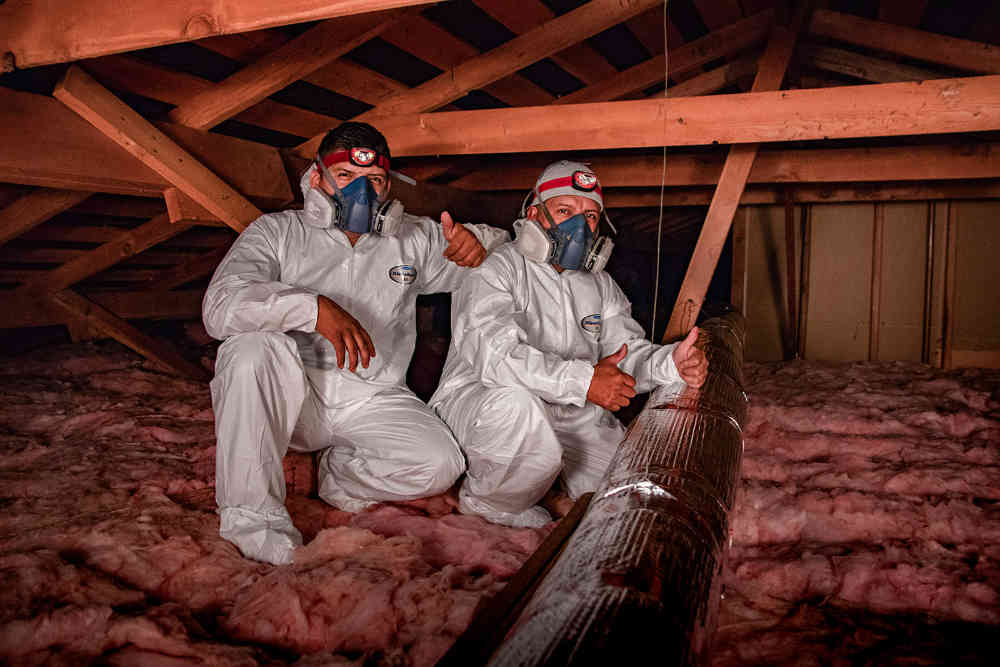
A restoration contractor picks up where pest control leaves off. The scope includes:
- Inspection: Assessing the attic for contamination, entry points, and damage
- Contaminated insulation removal: Taking out insulation damaged by nesting, droppings, or urine
- Cleaning and sanitization: HEPA vacuuming debris, sanitizing surfaces, deodorizing the space
- Sealing and rodent proofing: Closing gaps, vents, roofline openings, and utility penetrations that rodents used to enter
- New insulation installation: Restoring the attic’s thermal performance after the space is clean and sealed
Restoration contractors don’t trap or remove live animals. The two services are sequential, not competing.
When You Need Both (And in What Order)
If rodents are still active in your attic, pest control comes first. You can’t seal entry points with animals still inside — they’ll be trapped in your home, which creates a worse problem.
Once the animals are removed and activity has stopped, the restoration contractor can inspect, clean, sanitize, seal, rodent-proof, and insulate. The sequence matters because each step depends on the one before it.
Why the Type of Company Matters for Santa Clarita Homeowners
Short answer: Santa Clarita’s warm climate creates year-round rodent pressure — no winter die-off to slow them down. Hot attics make proper insulation critical for comfort. A partial fix leads to faster re-infestation and ongoing problems.
Year-Round Rodent Pressure in Santa Clarita
Valencia, Saugus, Canyon Country, Stevenson Ranch, Newhall — every Santa Clarita neighborhood deals with the same reality. Unlike colder regions where freezing temperatures reduce rodent populations each winter, Santa Clarita stays warm enough for rodents to remain active all year.
That means the entry points they used to get into your attic will be used again — by the same family or new arrivals — unless those points are permanently sealed. Trapping alone addresses the current occupants. It doesn’t address how they got in or the mess they left behind.
Why Hot Attics Make Complete Restoration More Important
Santa Clarita attics regularly exceed 140°F in summer. The seasonal winds bring dust. The heat is relentless from May through October. Damaged or contaminated insulation in that environment doesn’t just smell bad — it fails to protect your home from heat gain, drives up cooling costs, and can allow odors to circulate into your living space.
Replacing insulation makes sense. But new insulation should only be installed after the attic is inspected, cleaned, sanitized, and sealed. Installing new material over contamination traps the problem underneath.
The 5-Step Restoration Process for Attic Rodent Damage
Short answer: A complete restoration follows a fixed sequence: inspect, remove contaminated insulation, clean and sanitize, seal entry points and rodent-proof, then install new insulation. Skipping steps or changing the order undermines the result.
Step 1 — Inspect the Attic
Everything starts with a thorough inspection. A qualified contractor looks for:
- Evidence of rodent activity (droppings, nesting material, gnaw marks, rub marks) — the CDC recommends looking for these signs when assessing a potential infestation¹
- Entry points where rodents accessed the attic
- Condition of existing insulation
- Duct damage or displacement
- Moisture indicators or other concerns
The inspection determines what work is actually needed. Without it, you’re guessing — and guessing often means paying for the wrong service.
Step 2 — Remove Contaminated Insulation
If rodents nested in your insulation, urinated on it, or left droppings throughout, that material typically needs to come out. According to CDC guidelines on cleaning up after rodents, contaminated materials should be handled carefully because rodent droppings, urine, and nesting materials can pose health concerns.²
This step is necessary when contamination is widespread. If only a small, localized area is affected, partial removal may be sufficient — but that’s a judgment call made after inspection, not before.
Step 3 — Clean and Sanitize
With the insulation removed, the attic floor and framing are exposed. This is when the crew can actually see what’s there — and clean it properly.
Cleaning includes HEPA vacuuming of droppings, debris, and dust. Sanitization treats surfaces to address biological contamination. Deodorization helps eliminate residual odors. This step is mandatory, not optional. You cannot seal or insulate a dirty attic and expect good results.
Step 4 — Seal Entry Points and Rodent-Proof
Exclusion work seals the gaps, cracks, vents, and penetrations that rodents used to enter. Materials vary by opening — wire mesh for vents, cement or foam for gaps around pipes, metal flashing for roofline openings. The EPA recommends sealing entry points as a key step in preventing rodent infestations.³
This is different from trapping. Trapping removes the current rodents. Sealing and rodent-proofing prevents the next ones from getting in.
Atticare USA provides a 1-year warranty on rodent proofing — a one-time solution, not a recurring service contract. Learn more about rodent proofing service.
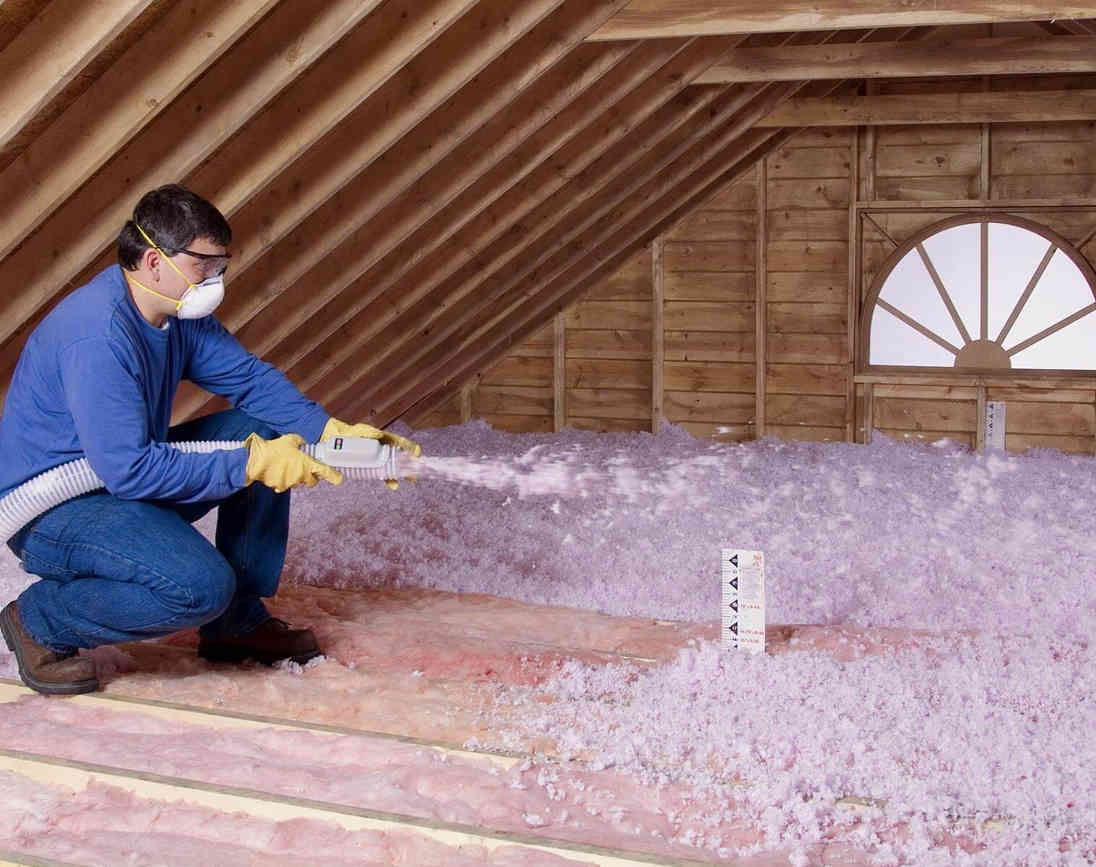
Step 5 — Install New Insulation
Insulation comes last, after the attic is clean, sanitized, and sealed. This is the step that restores your attic’s thermal performance — improving comfort, reducing energy costs, and protecting your home from Santa Clarita’s intense summer heat.
Before new insulation goes in, air sealing around gaps in the attic floor helps reduce uncontrolled air movement between your living space and the attic. The Department of Energy recommends air sealing before or during insulation installation for best results.⁴ Proper insulation over a well-sealed, clean attic is what delivers lasting results.
What Happens If You Only Hire a Pest Control Company?
Short answer: Trapping removes current rodents but leaves contaminated insulation, open entry points, and odor behind. Without cleaning, sanitizing, sealing, and restoration, new rodents find the same entry points. The cycle repeats.
This isn’t pest control’s fault. It’s a scope mismatch. Pest control companies are very good at what they do — but what they do is remove animals, not restore attics.
If you hire only a pest control company, you may find yourself calling them back repeatedly because the underlying access points were never sealed. The contaminated insulation stays in place. The odor lingers. And the next rodent finds the same gap in your roofline that the last one used.
What Happens If You Skip Pest Control and Go Straight to Restoration?
Short answer: If rodents are still active, sealing entry points traps them inside your home. The correct sequence is: remove animals first, then restore.
A restoration contractor can assess during inspection whether activity is current or historical. If droppings are old and dry, no sounds have been heard recently, and no fresh evidence appears, the infestation may have ended on its own — and restoration can proceed.
If active infestation is confirmed, the restoration contractor can advise you to work with a licensed pest control provider first. Once the animals are removed and activity stops, the restoration work can begin in the correct sequence.
How Much Does Attic Rodent Restoration Cost in Santa Clarita?
Short answer: Total project cost depends on attic size and damage extent. Typical ranges: attic cleaning $1,500–$4,500; contaminated insulation removal $1,500–$6,000; new insulation roughly $2.50–$4.50 per square foot.
These ranges provide budgeting guidance, not guaranteed quotes:
- Attic cleaning: $1,500–$4,500
- Rodent contamination cleanup (severe cases): adds $500–$2,000+
- Contaminated insulation removal: $1,500–$6,000
- New insulation installation: approximately $2.50–$4.50 per square foot
- Air sealing: $750–$2,000
Financing options are available, and rebates may apply for qualifying insulation upgrades.
When comparing contractors, ask what’s included. The lowest per-square-foot number may not be the best value if it skips critical steps like cleaning, sanitization, or sealing.
How to Choose a Restoration Contractor in Santa Clarita
Short answer: Look for proper licensing, insurance, a clear warranty on rodent proofing, written scope of work, and willingness to provide before/after documentation upon request.
Questions to Ask Before You Hire
- Are you licensed and insured? (California contractor license required)
- Do you seal entry points, or just insulate?
- What’s your warranty on rodent proofing?
- Will you provide before/after photos if requested?
- Is this a fixed quote or an estimate that can change?
Red Flags to Watch For
- Recommending a full insulation install before assessing the attic’s actual condition
- No mention of cleaning, sanitization, or entry-point sealing
- No written scope of work
- Pressure to sign immediately
- No license number provided
Frequently Asked Questions
What’s the difference between rodent proofing and pest control?
Pest control removes active rodents through trapping or baiting. Rodent proofing (exclusion) seals entry points so new rodents can’t get in. They’re sequential services, not the same thing.
Should I replace attic insulation after a rodent infestation?
If rodents nested in, urinated on, or left droppings throughout the insulation, replacement is typically recommended. The EPA notes that biological contaminants can affect indoor air quality, and contaminated insulation can hold odor and biological material that cleaning alone may not fully address.⁵
Can I just add new insulation over the old insulation?
Only if the existing insulation is clean, undamaged, and not contaminated. Adding new insulation over rodent-damaged material traps contamination underneath.
What if I’m not sure whether I need pest control or restoration?
Book a free inspection. A restoration contractor can assess whether rodents are still active or whether the problem has moved to the cleanup-and-seal phase.
For more detail on dealing with mice specifically, see 5 proven steps to get rid of mice in your attic.
Next Step — Book a Free Attic Inspection in Santa Clarita
Not sure which service you need? A free inspection is the fastest way to find out.
Atticare USA has served California homeowners since 2012. We’re Diamond Certified, hold California contractor license #1051462, and have earned 1,400+ reviews from homeowners across the state. We specialize in attic cleaning, rodent proofing, and complete attic restoration — the full sequence from inspection through new insulation.
We’ll inspect your attic, explain what we find, and give you a written proposal outlining the recommended scope of work and pricing — no hidden charges, no pressure.
Book a free attic inspection and get clarity on what your Santa Clarita attic actually needs.
Sources
- Centers for Disease Control and Prevention. “Rodent Control.” https://www.cdc.gov/healthy-pets/rodent-control/index.html
- Centers for Disease Control and Prevention. “Cleaning Up After Rodents.” https://www.cdc.gov/healthy-pets/rodent-control/clean-up.html
- U.S. Environmental Protection Agency. “Identify and Prevent Rodent Infestations.” https://www.epa.gov/rodenticides/identify-and-prevent-rodent-infestations
- ENERGY STAR. “Attic Air Sealing Project.” https://www.energystar.gov/saveathome/seal_insulate/attic-air-sealing-project
- U.S. Environmental Protection Agency. “Biological Contaminants and Indoor Air Quality.” https://www.epa.gov/indoor-air-quality-iaq/biological-contaminants-and-indoor-air-quality

About the Author
Sean Madar leads Atticare USA, a California attic and crawl-space restoration company specializing in rodent cleanup, exclusion, decontamination, and insulation. He works with Bay Area and Southern California homeowners to restore cleaner, healthier, more energy-efficient attics.
Recent Atticare USA projects in and near Santa Clarita
- Attic Insulation Replacement, Rodent Proofing & Air Duct Work in Santa Clarita, CA (Santa Clarita, September 2026)
- Attic Insulation Replacement and Rodent Proofing in Los Angeles, CA (Los Angeles, August 2026)
- Attic Insulation Replacement & Rodent Proofing in Los Angeles, CA (Los Angeles, December 2025)
- Attic Insulation Replacement, Rodent Proofing & Air Duct Work in Los Angeles, CA (Los Angeles, April 2026)