A rodent proofing warranty matters because reviews alone cannot tell you what a contractor will actually stand behind after the work is done.
At a glance
- Compare written coverage first — reviews show customer experience, but warranty terms show what work is covered.
- Separate a warranty from a subscription — a one-time exclusion solution and a recurring service contract are not the same purchase.
- Confirm the service scope — cleanup, sanitation, sealing, rodent proofing, and insulation are separate parts of attic work.
- Follow the right order — inspect, clean, sanitize, seal, rodent-proof, then insulate so new material does not cover an unresolved problem.
- Request a clear proposal — you should understand the recommended scope, pricing, and applicable terms before approving work.
If you are comparing attic companies, start with reviews—but do not stop there. Ask what is covered in writing, how long coverage lasts, whether the company requires an ongoing service plan, and whether its proposal addresses the real issue: rodent entry points, affected insulation, cleanup, sanitation, and restoration.
Atticare USA provides rodent exclusion through sealing and rodent proofing accessible entry points. Its rodent proofing service carries a confirmed 1-year warranty and is positioned as a one-time, subscription-free solution rather than another recurring service contract.
Reviews Matter, but a Rodent Proofing Warranty Tells You What Is Covered
Short answer: Reviews can show how customers felt about a company. A written warranty tells you what work the company is willing to stand behind, for how long, and under what conditions. You need both before choosing an attic contractor.
A five-star rating can be reassuring. So can a long history of customer feedback. But attic work is not one simple service.
One company may be quoting to seal a few openings. Another may be recommending insulation removal, cleaning, sanitation, exclusion work, air sealing, and new insulation. Those are not the same job, even if both companies have strong reviews.
That is why the question is not only, “Who has the best reviews?” It is also, “What exactly am I paying for, and what is the contractor putting in writing?”
A warranty is tied to defined work. It is not the same as a broad promise that rodents will never return. It is also not automatically the same as an ongoing pest-service agreement.
Read the terms closely. Ask whether the coverage applies to exclusion work, materials, workmanship, follow-up service, or something else entirely. If a contractor uses words such as “guaranteed” or “protected,” ask what those words mean in the actual agreement.
For rodent-related attic work, the visible problem may be larger than a gap near a vent. Rodent activity can leave droppings, urine, nesting material, and other evidence in areas that are difficult to see from the attic opening. The CDC recommends care when cleaning up rodent urine, droppings, dead rodents, and nesting materials.
The 7 Questions to Ask About a Rodent Proofing Warranty
Short answer: Before you approve attic work, ask for written terms that state what is covered, how long it lasts, what can limit coverage, and whether you are buying a one-time exclusion service or an ongoing contract.
1. Is the warranty in writing?
Do not rely only on “We stand behind our work.” Ask whether the warranty language appears in the proposal, contract, invoice, or a separate written document.
A clear written term gives you something real to compare. It should identify the service covered and the coverage period. If the wording is vague, ask for an explanation before you approve the work.
2. What specific work is covered?
This is the most important question because “attic work” can mean several different things:
- Rodent exclusion and entry-point sealing
- Attic cleaning
- Sanitation
- Insulation removal
- Air sealing
- New insulation installation
- Duct-related work, when applicable
Do not assume a warranty on one part of the project applies to every service in the proposal.
A warranty on rodent exclusion, for example, is not automatically an insulation material warranty. It is not automatically a workmanship warranty for every part of an attic restoration. The proposal should make that distinction clear.
Atticare USA’s confirmed 1-year warranty applies to rodent proofing. Ask separately about any terms that may apply to insulation or other work included in your proposal.
3. How long does coverage last?
Ask for the exact duration and the date coverage begins.
Words such as “guarantee,” “warranty,” and “protection” do not mean much without a stated term. Atticare USA’s rodent proofing carries a 1-year warranty. That is a clear point to compare with other proposals. It should not be expanded into a claim that every attic service has the same warranty period.
4. What conditions could affect the warranty?
Every written agreement can have limitations. Ask the contractor to identify them plainly.
You may want to understand how the terms address later alterations to the home, work by another trade, areas that were not accessible during the original project, or conditions outside the original scope.
Do not guess. Ask for the actual written answer.
This matters when several contractors are involved. Roofing, HVAC, remodeling, and other work can affect areas connected to an attic project. Clear scope helps you avoid assuming one company is responsible for work another company changed later.
5. Does the warranty require a recurring service contract?
This is where many homeowners need a clearer comparison.
A warranty on defined exclusion work is different from a recurring service contract. A service contract may involve scheduled visits, ongoing fees, cancellation rules, and repeated treatment or monitoring.
That may fit some situations. But you should know whether you are paying for repeat service or a one-time repair-focused solution.
Atticare USA positions its rodent proofing as a one-time, subscription-free solution with a 1-year warranty. The goal is to address accessible entry points—not create another ongoing service contract.
6. Does the warranty transfer when the home is sold?
Transferability should never be assumed.
If you may sell your home, ask whether the warranty can transfer, whether paperwork is required, and whether there are deadlines or fees. Atticare USA’s rodent proofing warranty transfers to the next owner if the home is sold.
7. Who is responsible for each part of the attic work?
A proposal can sound complete while leaving gaps between services.
Ask who is responsible for inspecting the attic, cleaning the affected space, sanitizing where appropriate, sealing accessible openings, rodent proofing, air sealing, and installing new insulation.
The order matters. New insulation should not be installed over an unresolved rodent or contamination problem. If rodents have affected the attic, you may need a full restoration plan—not a quick insulation add-on.
Rodent Proofing Warranty vs. a Recurring Service Contract
Short answer: A rodent proofing warranty applies to defined exclusion work. A recurring service contract generally covers continuing service under separate terms. Compare the scope and ongoing cost before deciding which approach fits your home.
Rodent proofing is not trapping, baiting, poisoning, or general pest control. It is exclusion work: identifying accessible places rodents may enter, sealing those openings, and helping reduce the chance of future entry.
Sealing potential entry points is a recognized part of rodent prevention. The EPA recommends identifying and addressing the routes and conditions that allow rodents to enter and remain around a home. But a responsible contractor should not make an unlimited promise that rodents will never return under every circumstance.
A recurring service contract answers a different question. It may provide continuing visits or pest-management service, but homeowners should ask whether it includes structural sealing, what the cancellation terms are, and whether repeat visits address the route rodents used to get inside.
Atticare USA does not perform trapping, extermination, animal removal, or general pest control. Its scope is rodent exclusion, cleanup, sanitation, insulation, air sealing, and attic or crawl space restoration.
The practical question is simple: are you paying only to manage a recurring problem, or are you also addressing the path back into the attic?
Do Not Compare a Seal-Only Quote With a Full Attic Restoration Proposal
Short answer: Two estimates can have very different prices because they may describe very different work. Compare the scope and service order before comparing the final number.
A seal-only quote may be appropriate when an inspection finds accessible entry points and the attic does not appear to need broader restoration.
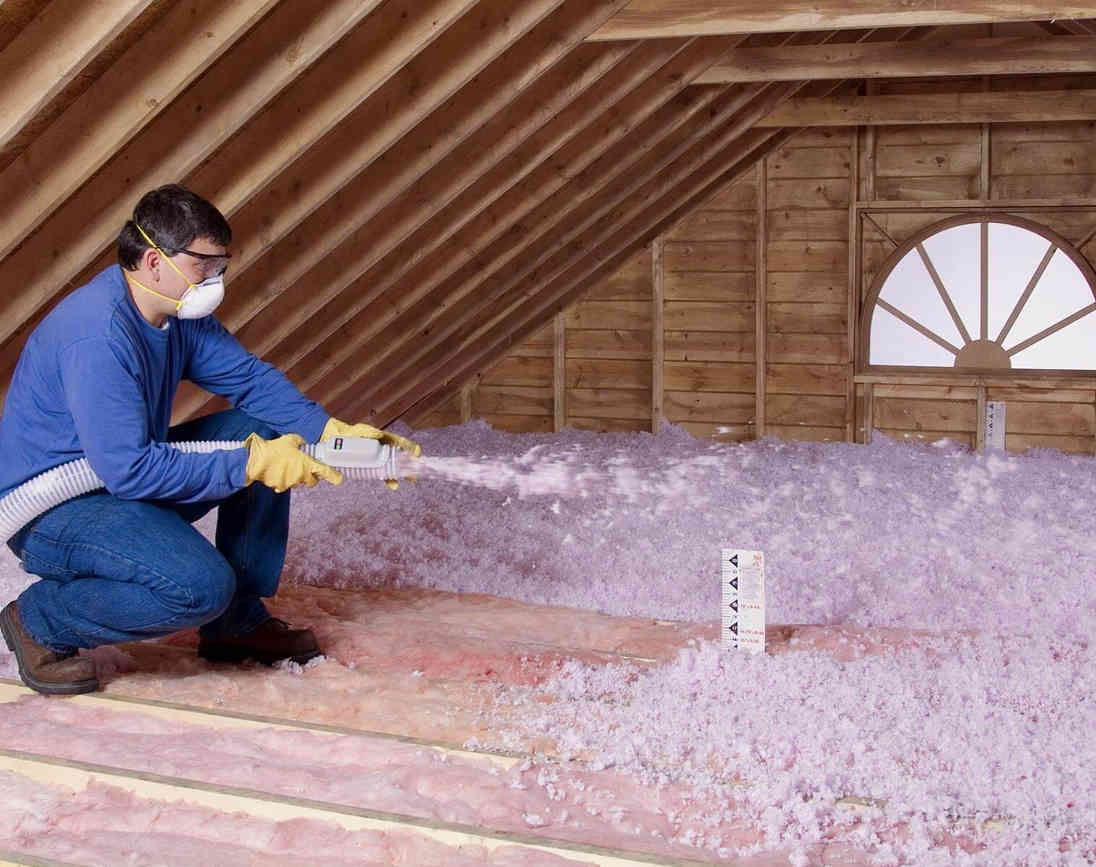
But if insulation is damaged, compressed, odorous, or affected by rodent evidence, the work may need to go further. The insulation is often where the evidence is hiding.
Atticare USA’s customer-facing 5-step solution follows this path:
- Inspect the attic and identify the problem.
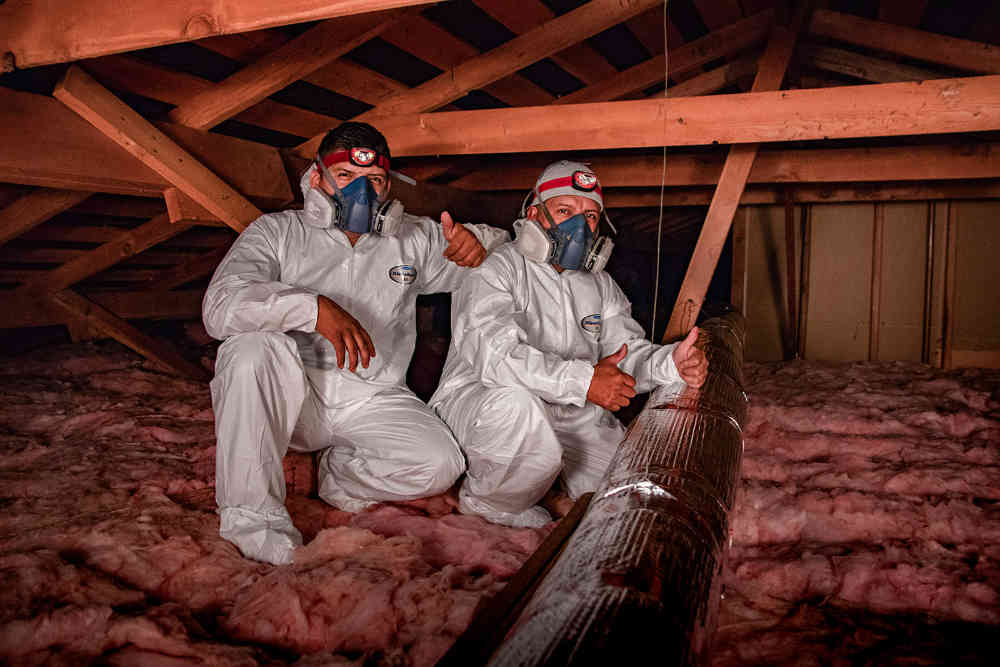
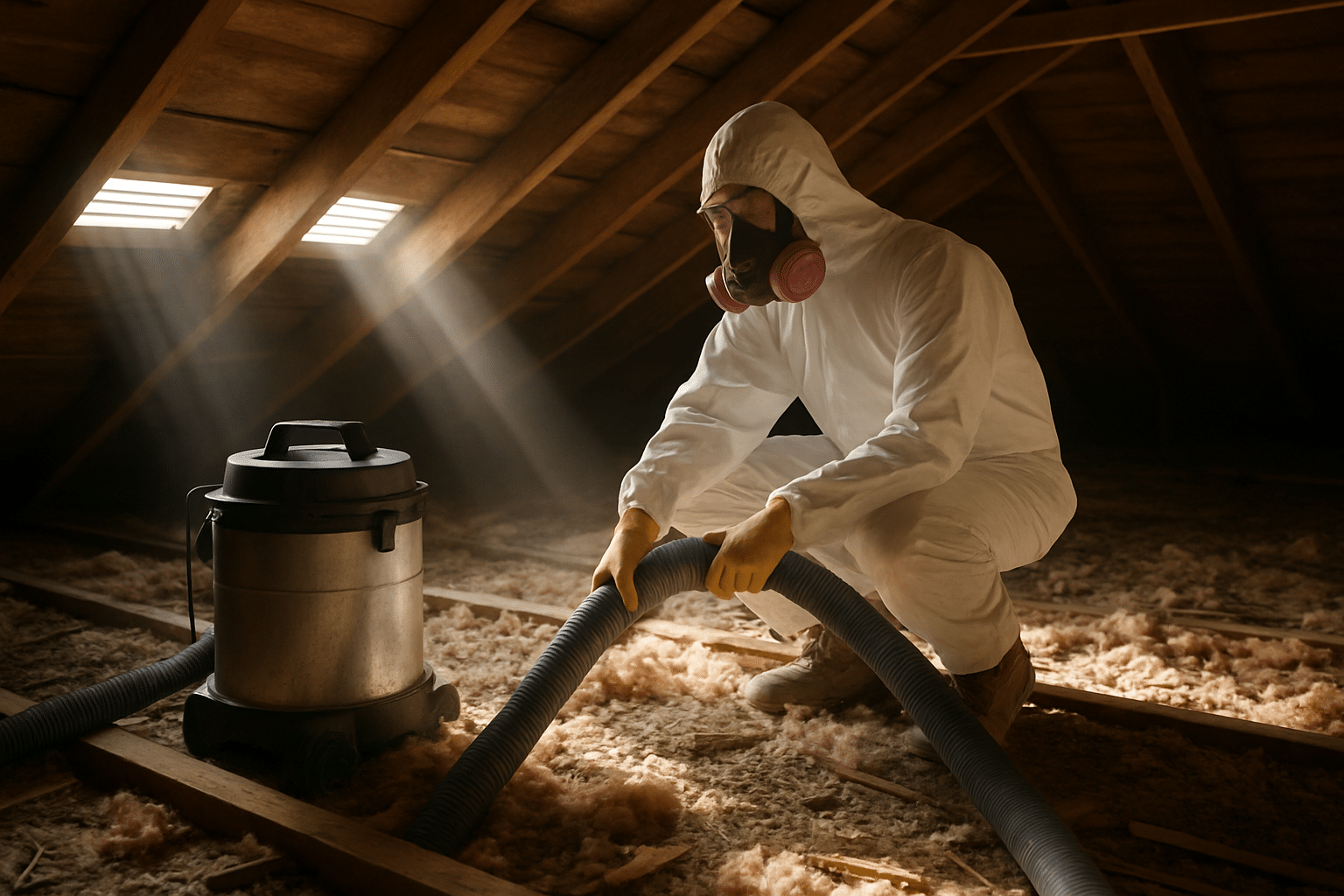
- Remove compromised insulation when needed, then clean the exposed space.
- Sanitize the affected area where appropriate.
- Seal accessible entry points, then complete rodent proofing.
- Install new insulation last.
The goal is not simply to take insulation out. The goal is to prepare the attic for a cleaner, better-performing system.
New insulation can support comfort and energy efficiency, but it should be the final layer—not the first shortcut. The U.S. Department of Energy explains that insulation and air sealing work together to improve home comfort and energy performance.
If you are comparing proposals, look for clear answers to these questions:
- Does the proposal identify the recommended work?
- Does it distinguish cleaning and sanitation from exclusion?
- Does it explain whether old insulation needs removal?
- Does it show that sealing comes before rodent proofing?
- Does it state that new insulation is the final step?
- Does it identify warranty terms separately from recurring service terms?
For a closer look at the service order, see Atticare USA’s attic restoration after rodents guide.
Two Oakland jobs show the difference: Oakland (94601), February 2026 was removal and exclusion only: the old insulation came out, the attic was sanitized and the entry points sealed, with no new insulation. Oakland (94605), September 2026 was a full restoration: the same steps, then new R-38 batts across 1,000 sq ft.
How to Compare Attic Companies Beyond Their Reviews
Short answer: The best comparison combines reputation, written terms, service scope, licensing, proposal clarity, and a plan that fits the actual condition of your attic.
Reviews are still valuable. Read them for patterns.
Do customers mention clear explanations? Careful work around the home? Clean job-site protection? Responsiveness? Those details can tell you more than a star rating alone.
But do not let a review badge replace a proposal review.
| What to compare | What to ask |
|---|---|
| Written warranty | Is it in writing? What service does it cover? |
| Coverage period | How long does it last, and when does it begin? |
| Service contract | Is an ongoing subscription required? |
| Scope of work | Does the quote cover exclusion only, or cleaning and restoration too? |
| Insulation plan | Is insulation installed only after the attic is ready? |
| Proposal clarity | Does it outline the recommended scope and pricing? |
| Credentials | Is the company licensed, insured, and bonded? |
| Documentation | Are before-and-after photos available upon request? |
Atticare USA has served homeowners since 2012. The company is Diamond Certified, has an A+ BBB rating, is BPI-certified, and is licensed, insured, and bonded in California under license #1051462.
Atticare USA also has 1,400+ reviews and has helped more than 11,000 clients. Those signals matter because experience matters. But the proposal still matters. You should know what will be cleaned, sanitized, sealed, rodent-proofed, restored, and warrantied before you approve the work.
Atticare USA provides a written proposal outlining the recommended scope of work and pricing. Before-and-after photos are available upon request.
For help comparing estimates, use the AttiCare Better Quote Tool.
What Atticare USA’s Rodent Proofing Warranty Covers—and What to Confirm
Short answer: Atticare USA offers a 1-year warranty on rodent proofing work. Ask separately about the exact scope in your proposal and about any terms that apply to insulation or other restoration services.
Atticare USA’s rodent proofing service focuses on sealing and exclusion—not trapping or extermination. Its 1-year warranty supports a one-time, subscription-free approach to rodent proofing.
That does not mean every service on an attic proposal carries the same coverage.
Insulation products, insulation installation, cleaning, sanitation, air sealing, duct work, and rodent proofing may have different terms. Ask before you sign. A good proposal should separate the work clearly so you know what is included and what is not.
If your attic has rodent-contaminated insulation, Atticare USA can coordinate a fuller path of attic restoration after rodents. The goal is to inspect, clean, sanitize, seal, rodent-proof, and then insulate—not cover the problem with new insulation.
When to Schedule a Rodent-Proofing Inspection
Short answer: Schedule an inspection when you notice rodent evidence, are considering new attic insulation, or are deciding between a recurring plan and exclusion work.
You may need a closer look if you hear scratching, see droppings, notice nesting material, find damaged insulation, or smell persistent attic odors. The CDC identifies rodent signs such as droppings, gnaw marks, nests, and other evidence of infestation.
Those signs do not automatically tell you the full scope of work. But they are a reason to understand what is happening above your ceiling.
You should also schedule an inspection before installing new insulation if there is any concern about rodent activity or contamination. A clean attic can become affected again if entry points are left open.
When restoration is needed, Atticare USA follows the same order: inspect, clean, sanitize, seal, rodent-proof, then insulate.
Learn more about rodent proofing services and professional insulation services.
Choose the Terms, Not Just the Badge
Short answer: Choose an attic company based on the written scope, warranty terms, and whether the work addresses the actual problem—not reviews alone.
The right rodent proofing warranty gives you more than a marketing promise. It gives you a specific term to compare alongside the service scope, the proposal, and the contractor’s reputation.
If you are hearing activity in the attic, replacing damaged insulation, or comparing an exclusion solution against a recurring contract, do not guess what the proposal includes.
Ask what will be cleaned and sanitized. Ask what will be sealed and rodent-proofed. Ask what is covered in writing. Ask whether insulation comes only after the attic is ready.
Atticare USA helps homeowners clean, seal, and restore attics and crawl spaces through rodent exclusion, cleanup, sanitation, air sealing, and insulation restoration.
Schedule a free inspection to find how rodents are getting in and get a clear plan before the next cleanup becomes necessary.
Related reading
- How to Verify a California Attic Contractor Before You Hire
- How to Compare Attic Insulation Estimates in the Bay Area
- Do You Need Attic Cleaning or Insulation Replacement?
Sources
- Centers for Disease Control and Prevention, Cleaning Up After Rodents
- Centers for Disease Control and Prevention, Controlling Wild Rodent Infestations
- U.S. Environmental Protection Agency, Identify and Prevent Rodent Infestations
- U.S. Department of Energy, Insulation
Recent Atticare USA projects in the Bay Area
- Attic Insulation Replacement & Rodent Proofing in San Rafael, CA (San Rafael, September 2026)
- Attic Insulation Replacement & Rodent Proofing in Oakland, CA (Oakland, September 2026)
- Attic Insulation Replacement & Rodent Proofing in Danville, CA (Danville, September 2026)
- Attic Insulation Replacement, Rodent Proofing & Whole House Fan in Sunnyvale, CA (Sunnyvale, September 2026)